Lemon Pound Cake
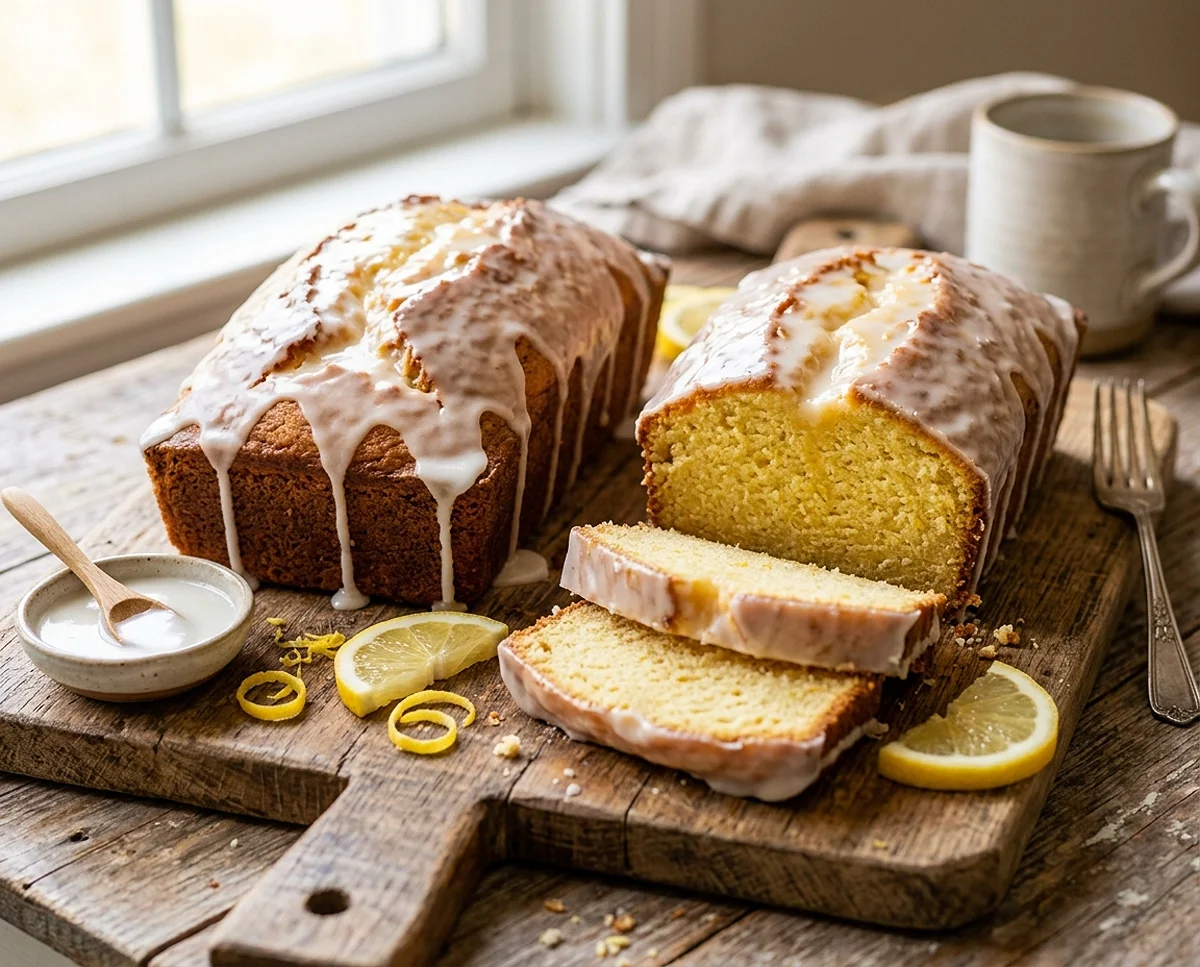
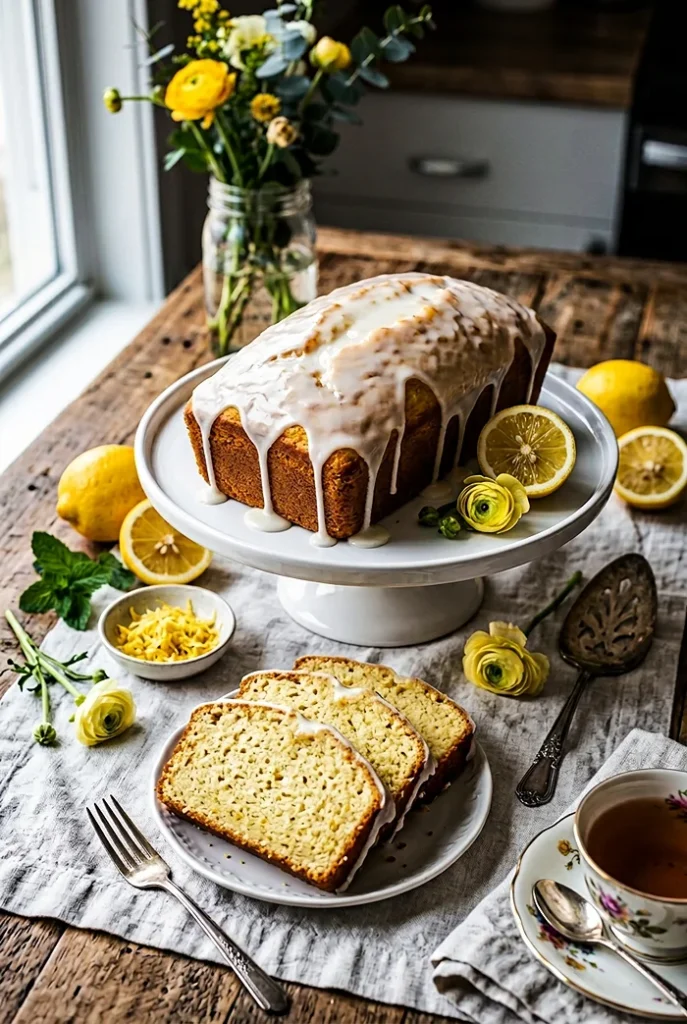
This dreamy lemon pound cake is buttery, moist, and bursting with bright citrus flavor — topped with a tangy lemon glaze that takes it completely over the top. It’s the kind of easy lemon pound cake that disappears fast at every potluck, brunch, or random Tuesday afternoon.
Okay, real talk — I made this classic pound cake recipe the first time because I had a ton of lemons and zero patience for anything complicated. One bite in, and I was fully obsessed. It’s been my go-to ever since.
Table of Contents
Why You’ll Love This Lemon Pound Cake
This isn’t your average loaf. This moist lemon cake has three layers of lemon goodness — lemon zest in the batter, a soaking syrup brushed on while warm, and a bright glaze drizzled on top. It’s citrus perfection.
It makes two loaves, which means one for you and one to share (or both for you, no judgment). It’s a crowd-pleaser that looks like you spent way more time on it than you actually did.
Quick Overview
This easy lemon pound cake is dense and buttery with a super tender crumb, thanks to buttermilk in the batter. The lemon syrup soaks in right after baking, keeping everything incredibly moist even days later.
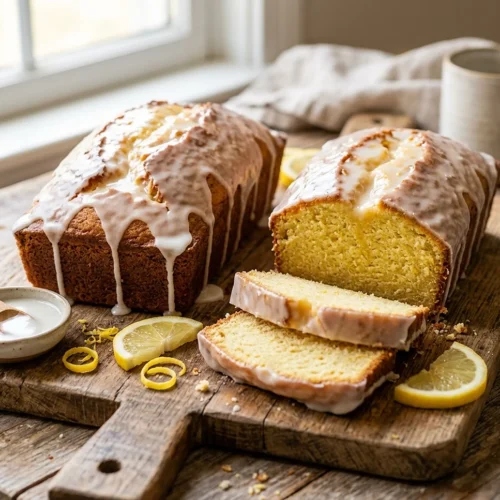
The glaze sets into a slightly crackly, sweet-tart shell that makes every slice feel a little fancy. This is one of those classic pound cake recipes that never gets old.
Ingredients
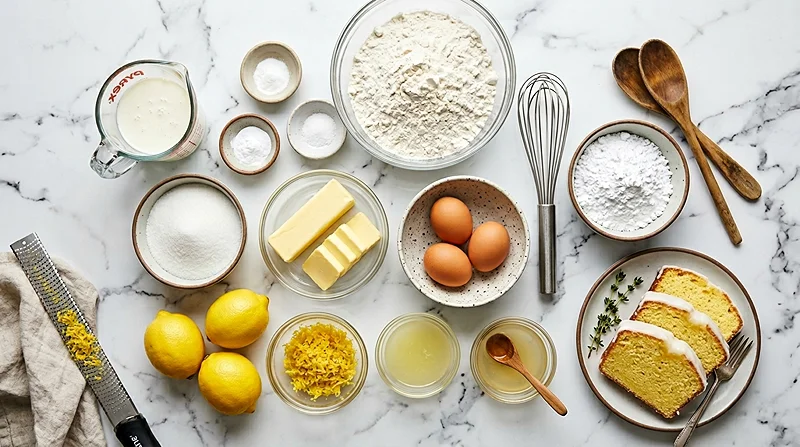
| Group | Ingredient | Amount |
|---|---|---|
| For the Cake | All-purpose flour, spooned and leveled | 3 cups |
| Baking soda | 1/2 tsp | |
| Salt | 1/2 tsp | |
| Buttermilk (low-fat is fine) | 1 cup | |
| Lemon zest, packed | 2 tbsp | |
| Fresh lemon juice | 2 tbsp | |
| Unsalted butter, softened | 1 cup (2 sticks) | |
| Granulated sugar | 2 1/4 cups | |
| Large eggs | 3 | |
| For the Syrup | Water | 2 tbsp |
| Granulated sugar | 2 tbsp | |
| Fresh lemon juice | 2 tsp | |
| For the Glaze | Confectioners’ sugar | 1 cup |
| Fresh lemon juice | 2 tbsp |
Serves 16. No-fuss pantry staples, but fresh lemon juice and zest are non-negotiable here — the bottled stuff just doesn’t cut it for a moist lemon cake this good.
Step-by-Step Instructions
Prep Your Pans and Oven
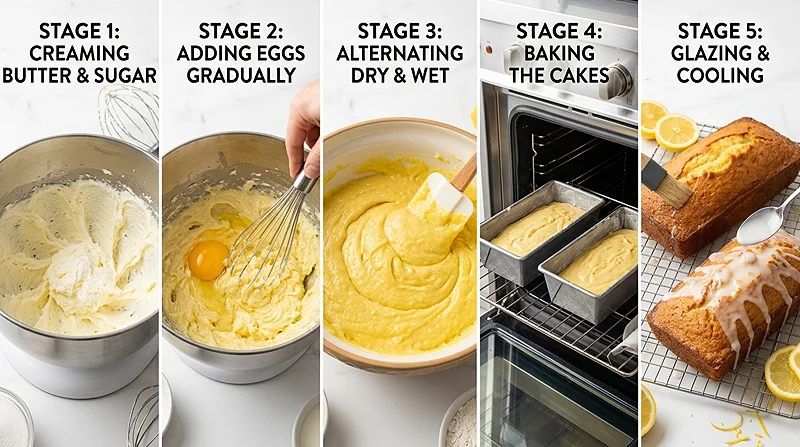
Preheat your oven to 350°F (175°C) with the rack in the middle. Spray two 8½ x 4½-inch loaf pans with nonstick spray, then line the long sides with parchment paper slings and spray lightly again.
Those parchment slings are your best friend — they make lifting the finished cakes out a total breeze. Don’t skip that step.
Mix Your Dry and Wet Ingredients Separately
In a medium bowl, whisk together the flour, baking soda, and salt. Set it aside.
In a separate bowl, whisk together the buttermilk, lemon zest, and lemon juice. That smell alone is worth making this recipe. It’s bright, tangy, and absolutely wonderful.
Cream the Butter and Sugar
Using a stand mixer with the paddle attachment (or hand beaters), cream the softened butter and granulated sugar on medium speed for 3 to 4 minutes. You’re looking for light, fluffy, and pale — this is where the magic happens.
Scrape down the sides, then beat in the eggs one at a time, mixing well after each one. Scrape the bowl again.
“Don’t rush the creaming step. That fluffy butter-sugar mixture is what gives this classic pound cake recipe its incredible texture.”
Alternate the Flour and Buttermilk
With the mixer on low, alternate adding the flour and buttermilk mixtures. Start with a quarter of the flour, then a third of the buttermilk. Repeat until everything is in, ending with the last of the flour.
Give the bowl a final scrape and a quick mix to make sure everything is fully incorporated. The batter will be thick and gloriously fragrant.
Bake Until Golden
Divide the batter evenly between the prepared pans and smooth the tops with a rubber spatula. Slide them into the oven and bake for 55 to 65 minutes, until the tops are deep golden and a toothpick comes out clean.
Your kitchen is going to smell absolutely incredible. Fair warning: your neighbors may come knocking.
Cool the Cakes
Set the pans on a wire rack and let the cakes cool in the pans for 10 minutes. Run a knife along the unlined sides to loosen them, then use the parchment slings to lift the cakes out.
Let them cool on the rack for about an hour. I know it’s hard to wait, but trust the process — this step matters for the best texture on your moist lemon cake.
Make and Apply the Lemon Syrup
While the cakes are still slightly warm, combine the water and sugar in a small saucepan and bring to a boil. Take it off the heat and stir in the lemon juice.
Once the cakes are fully cool, transfer them to serving platters. Gradually brush the warm syrup all over — top, sides, everywhere — letting it soak in as you go. This is what makes this easy lemon pound cake stay moist for days.
Add the Lemon Glaze
Whisk together the confectioners’ sugar and lemon juice until smooth. You want it thick but pourable — think honey or molasses consistency. Add a little more sugar or juice to dial it in.
Spoon it over the top of each loaf and let it drip naturally down the sides. Let the glaze set for about an hour before slicing. Yes, another wait. Yes, absolutely worth it.
Expert Tips, Variations, and Troubleshooting
Tips for the Best Results
Use room temperature butter and eggs. Cold butter won’t cream properly, and you’ll end up with a dense, heavy cake instead of that light, tender crumb you’re going for.
Spoon and level your flour. Scooping directly from the bag packs in too much flour. Use a spoon to fill the measuring cup, then level off with a straight edge.
Zest before juicing. It’s so much easier to zest a whole lemon than a squeezed one. Do yourself a favor and zest first, juice second.
Fun Variations to Try
Want a lemon blueberry version? Fold in 1 cup of fresh blueberries tossed with a tablespoon of flour before adding the batter to the pans. They won’t sink, and the combo is incredible.
For a lemon poppy seed twist, add 2 tablespoons of poppy seeds to the dry ingredients. It gives the cake a subtle crunch and a classic bakery vibe.
No buttermilk on hand? Make your own by adding 1 tablespoon of white vinegar or lemon juice to a cup of regular milk. Let it sit for 5 minutes, and you’re good to go.
Troubleshooting Common Issues
Cake sinking in the middle? Your oven might be running hot, or the batter was overmixed after adding the flour. Next time, mix on low and just until combined once the flour goes in.
Glaze too runny? Add confectioners’ sugar a tablespoon at a time until it thickens up. It should coat a spoon and hold its shape before drizzling.
Cake too dense? The butter and sugar were probably under-creamed. Give that step a full 3 to 4 minutes — don’t rush it.
Storage Instructions
| Method | How to Store | How Long |
|---|---|---|
| Room Temperature | Wrap tightly in plastic wrap or store in an airtight container | Up to 3 days |
| Refrigerator | Wrap well and store in an airtight container | Up to 1 week |
| Freezer (unglazed) | Wrap in plastic wrap, then foil; place in freezer bag | Up to 3 months |
Reheating
To bring refrigerated slices back to life, microwave for 15 to 20 seconds. It tastes freshly baked all over again. For frozen loaves, thaw overnight in the fridge, then add fresh glaze before serving.
No-Waste Kitchen Ideas
Got crumbly leftover slices? Cube them up and layer with whipped cream and berries for a quick lemon trifle. It’s an effortless dessert that looks totally fancy — no one needs to know it was a happy accident.
Leftover glaze can be drizzled over no-bake strawberry cheesecake cups for an extra citrusy kick. Waste nothing, enjoy everything.
Nutritional Information
| Nutrient | Per Serving (1 slice, approx.) |
|---|---|
| Calories | ~340 kcal |
| Total Fat | ~13g |
| Saturated Fat | ~8g |
| Carbohydrates | ~53g |
| Sugar | ~35g |
| Protein | ~4g |
| Sodium | ~110mg |
Nutritional values are estimates based on 16 servings. Actual values may vary depending on specific ingredients used.
Frequently Asked Questions
Can I make this lemon pound cake ahead of time?
Absolutely — it actually gets better the next day. Bake the cakes, apply the syrup, and wrap them tightly. Add the glaze the day you plan to serve them for the freshest look and texture.
Can I use a Bundt pan instead of loaf pans?
You can, but the baking time will change. A standard Bundt pan usually needs 60 to 75 minutes at 350°F. Keep an eye on it and test with a toothpick starting around the 60-minute mark. The parchment sling trick obviously won’t apply, so just grease and flour your pan really well.
Why does this classic pound cake recipe use buttermilk?
Buttermilk adds tenderness and a subtle tang that makes the lemon flavor pop even more. Its acidity also reacts with the baking soda, giving the cake a slightly lighter texture than a traditional dense pound cake. It’s the secret weapon in this moist lemon cake.
Can I use bottled lemon juice instead of fresh?
Technically yes, but the flavor difference is really noticeable in a cake where lemon is the whole point. Fresh lemon juice and zest are what make this easy lemon pound cake taste bright and vibrant instead of flat. Please use fresh lemons here — it’s worth it, I promise.
What else can I bake this week?
If you’re in a baking mood, you might also love these four overnight oats flavors for an easy no-bake breakfast, or swing savory with these crispy Irish potato pancakes — they’re a total hit at brunch alongside a slice of this cake.
Ready to Make This Lemon Pound Cake?
This lemon pound cake is bright, buttery, and completely addictive. Whether you’re making it for a gathering, a gift, or just because you deserve something delicious — this recipe delivers every single time.
If you try it, I’d love to hear how it turned out! Drop a comment below with your thoughts, and if you made any fun variations, share those too. And if you’re sharing on Pinterest, pin this recipe so your friends can find it — the more lemon cake in the world, the better.
Looking for more recipes to add to your rotation? Check out these buffalo chicken pinwheels for your next game day spread, or warm up with a hearty bowl of Irish beef stew for a cozy weeknight dinner.
Lemon Pound Cake
Equipment
- Stand mixer or hand beaters
- Two 8½ x 4½-inch loaf pans
- Parchment paper
- Wire cooling rack
- Small saucepan
- Rubber spatula
- Whisk
- Medium Mixing Bowls
Ingredients
For the Cake
- 3 cups All-purpose flour spooned into measuring cup and leveled off
- ½ tsp Baking soda
- ½ tsp Salt
- 1 cup Buttermilk low-fat is fine; can substitute by adding 1 tbsp white vinegar or lemon juice to 1 cup regular milk
- 2 tbsp Lemon zest packed; freshly grated
- 2 tbsp Fresh lemon juice
- 1 cup Unsalted butter 2 sticks, softened to room temperature
- 2¼ cups Granulated sugar
- 3 Large eggs room temperature
For the Syrup
- 2 tbsp Water
- 2 tbsp Granulated sugar
- 2 tsp Fresh lemon juice
For the Glaze
- 1 cup Confectioners’ sugar adjust as needed for consistency
- 2 tbsp Fresh lemon juice adjust as needed for consistency
Instructions
- Preheat the oven to 350°F (175°C) and set an oven rack in the middle position. Spray two 8½ x 4½-inch loaf pans with nonstick cooking spray. Line the long sides of the pans with parchment paper slings and spray lightly with nonstick cooking spray again.
- In a medium bowl, whisk together the flour, baking soda, and salt. Set aside.
- In another bowl, whisk together the buttermilk, lemon zest, and lemon juice. Set aside.
- In the bowl of an electric mixer fitted with the paddle attachment (or beaters), cream the butter and sugar on medium speed until light and fluffy, 3 to 4 minutes. Scrape down the sides of the bowl, then beat in the eggs one at a time, beating well after each addition. Scrape down the sides of the bowl again.
- With the mixer on low speed, beat in one-quarter of the flour mixture, then one-third of the buttermilk mixture. Beat in another quarter of the flour, then another third of the buttermilk mixture. Repeat with another quarter of the flour and the remaining buttermilk mixture. Finally, beat in the remaining flour mixture. Scrape down the sides of the bowl and give a quick mix to make sure all ingredients are well incorporated.
- Divide the thick batter evenly into the prepared pans and smooth the tops with a rubber spatula. Bake for 55 to 65 minutes, or until the tops are deep golden and a toothpick inserted in the center comes out clean.
- Set the cakes on a cooling rack and cool in the pans for 10 minutes. Carefully run a knife along the unlined sides of the pans to loosen the cakes. Using the parchment slings, lift the cakes out of the pans and place onto the rack, leaving the parchment paper in place under the cakes. Let cool for about 1 hour.
- When the cakes are almost cool, make the syrup. Combine the water and sugar in a small saucepan and bring to a boil. Remove from the heat and stir in the lemon juice.
- When the cakes are fully cool, carefully transfer them to serving platters. Gradually brush the warm syrup all over the cakes, including the sides, letting it soak in as you go.
- To make the glaze, whisk together the confectioners’ sugar and lemon juice in a medium bowl. Add more confectioners’ sugar or lemon juice as needed to make a thick but pourable glaze — about the consistency of honey or molasses. Spoon the glaze over the top of each cake, letting it drip naturally down the sides. Let the cakes sit for about 1 hour to allow the glaze to set before slicing and serving.