Salad Recipes
I’ll never forget the summer afternoon when my grandmother taught me that a truly great salad is never boring. We stood at her kitchen counter, tearing fresh lettuce and tossing together whatever looked beautiful at the market that morning.
The crunch of cucumber, the sweetness of ripe tomatoes, the tang of homemade dressing—it was a revelation. That day changed how I think about salads forever. They’re not just side dishes or diet food. They’re canvases for creativity, vessels for seasonal produce, and honestly some of the most satisfying meals you can make.
Over the years, I’ve discovered that the secret to incredible salads isn’t complicated recipes or fancy ingredients. It’s about understanding balance—texture, flavor, color, and freshness. Whether you’re craving something light and crisp or hearty enough to be dinner, the right salad can transform your meal. Today I’m sharing everything I’ve learned about creating salads that actually excite you, along with guides to specific styles that have become kitchen favorites.
Table of Contents
The Quick Guide
Here’s what you need to know about creating exceptional salads at home:
- Great salads balance texture (crisp, creamy, crunchy), flavor (sweet, salty, tangy, bitter), and temperature for maximum satisfaction
- Fresh ingredients make the biggest difference—use seasonal produce whenever possible and wash greens thoroughly
- Dress salads just before serving to maintain crispness, or keep components separate for meal prep
- Protein additions like grilled chicken, chickpeas, or hard-boiled eggs transform side salads into complete meals
- Homemade dressings take just minutes and taste infinitely better than bottled versions
Understanding Salad Categories
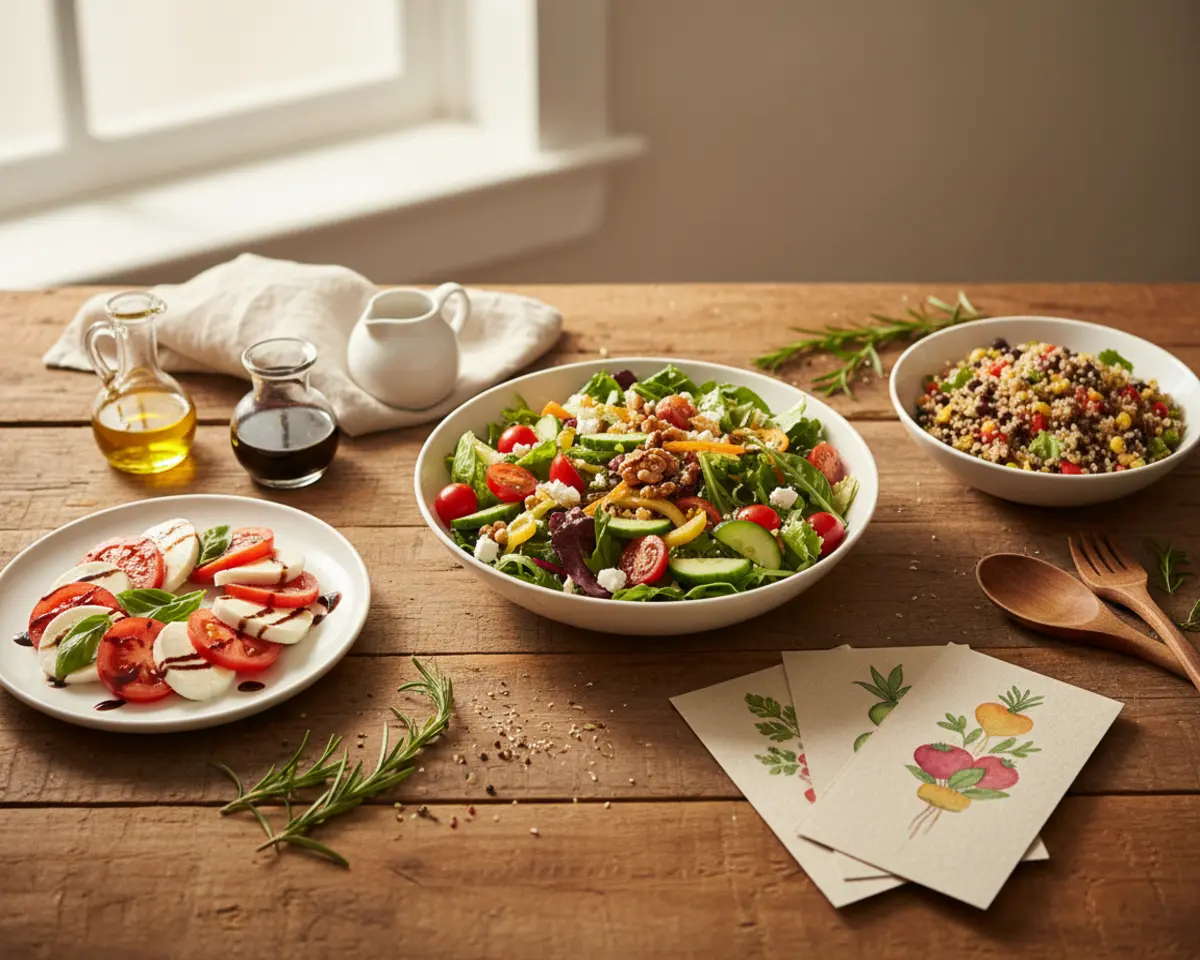
Salads come in countless varieties, but they generally fall into a few main categories. Green salads feature leafy bases with vegetables and light dressings. Vegetable salads focus on chopped or sliced vegetables without lettuce. Grain and pasta salads offer heartier options that travel well and can be served at any temperature. Fruit-based salads bring natural sweetness and pair beautifully with nuts and cheese.
Each category serves different purposes in your cooking routine. Light green salads work perfectly as appetizers or alongside rich main dishes. Heartier grain-based options make excellent potluck contributions or work lunches. Understanding these distinctions helps you choose the right style for any occasion, season, or craving.
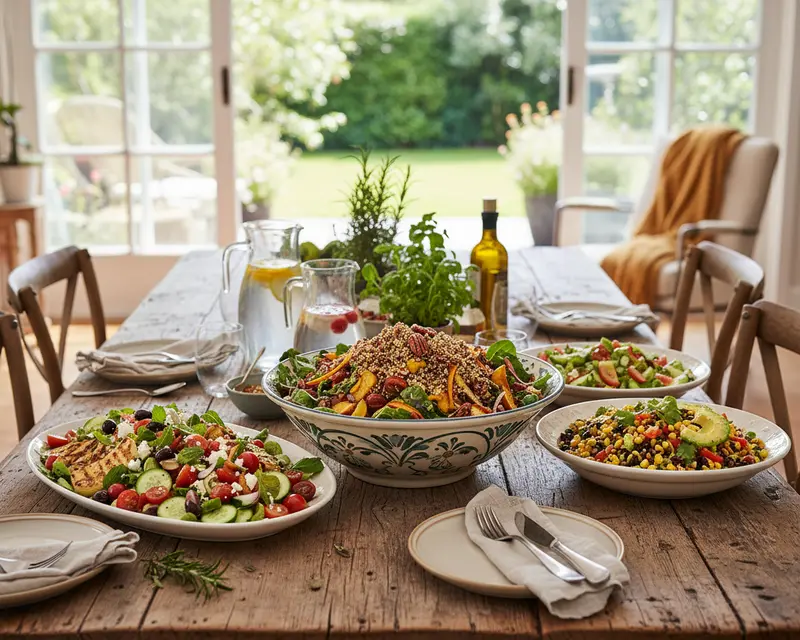
The beauty of salads lies in their flexibility. You can prepare components ahead, customize ingredients based on preferences or dietary needs, and scale recipes up or down easily. Once you understand the fundamentals of each category, you’ll find yourself creating your own combinations based on whatever looks fresh and delicious.
Savory Salad Recipes
These salads emphasize bold, savory flavors that satisfy like a proper meal. Think roasted vegetables, tangy cheeses, herbs, and substantial dressings that bring everything together. Perfect for those who want salads that feel indulgent rather than restrictive. Explore our collection of savory salad recipes for options that prove vegetables can be absolutely crave-worthy.
The Ultimate Guide To Pasta Salads
Pasta salads combine tender noodles with crisp vegetables, proteins, and creamy or tangy dressings for dishes that work beautifully at room temperature. They’re ideal for picnics, potlucks, and meal prep since flavors actually improve as they sit. Our comprehensive pasta salad guide covers everything from classic macaroni salad to creative Mediterranean-inspired versions.
The Ultimate Guide To Cucumber Salads
Cucumber salads showcase the refreshing crunch and mild flavor of fresh cucumbers paired with bright dressings and complementary vegetables. These light, cooling salads are especially perfect during hot weather or alongside spicy dishes. Discover our cucumber salad techniques and recipes that range from Asian-inspired versions to creamy dill variations.
The Best Orzo Salads
Orzo salads feature rice-shaped pasta that absorbs dressings beautifully while maintaining a pleasant bite. The small pasta works perfectly with diced vegetables and creates an elegant presentation for special occasions or everyday meals. Check out our favorite orzo salad combinations that balance Mediterranean flavors with fresh seasonal ingredients.
Guide To Strawberry Spinach Salads
This classic pairing combines tender baby spinach with sweet strawberries, crunchy nuts, and tangy dressings for a salad that feels special yet comes together quickly. The contrast between fruit sweetness and peppery greens creates irresistible flavor complexity. Learn how to perfect strawberry spinach salads with our tips on ingredient selection and dressing variations.
Homemade Mediterranean Salads
Mediterranean salads bring together the bright flavors of olive oil, lemon, fresh herbs, tomatoes, cucumbers, and olives that define this beloved cuisine. These salads are nutrient-dense, satisfying, and transport you straight to sun-soaked coastal villages. Explore our Mediterranean salad collection for authentic flavor combinations and techniques.
Expert Category Guide
Creating exceptional salads consistently requires understanding some fundamental techniques and principles. Once you master these basics, you’ll approach salad-making with confidence and creativity rather than just following recipes.
Essential Techniques
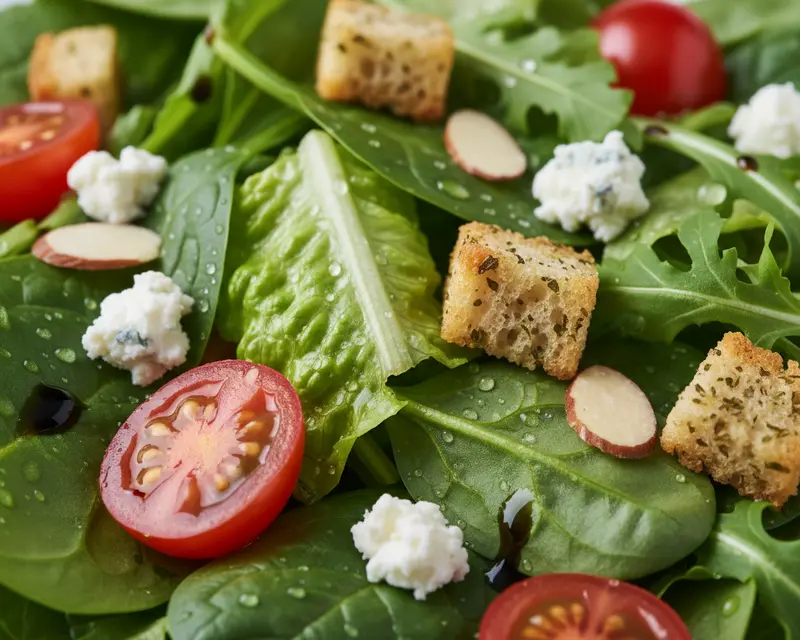
Start with properly washed and dried greens—excess water dilutes dressings and makes everything soggy. Use a salad spinner or pat leaves gently with clean kitchen towels. Cut ingredients into similar-sized pieces so every bite contains balanced flavors. For heartier vegetables like carrots or beets, consider different prep methods: shredded, thinly sliced, or roasted.
Season as you build rather than just at the end. A pinch of salt on sliced tomatoes or cucumbers draws out moisture and intensifies flavor. Toast nuts before adding them to boost their flavor and crunch. When making grain or pasta-based salads, season the base while it’s still warm so it absorbs more flavor.
The ratio for basic vinaigrette is three parts oil to one part acid, adjusted to taste. Emulsify dressings by whisking vigorously or shaking in a jar until they come together smoothly. Taste and adjust seasoning before adding to your salad—dressings should taste slightly too strong on their own since they’ll be diluted by other ingredients.
Ingredient Spotlight
Fresh greens form the foundation of many salads. Tender lettuces like butter lettuce work for delicate salads, while sturdy romaine or kale hold up to heavier dressings. Baby spinach offers mild flavor and tender texture. Mix different greens for complexity—bitter radicchio, peppery arugula, and mild lettuce create interesting contrasts.
High-quality olive oil makes an enormous difference in simple dressings. Extra virgin olive oil provides fruity, peppery notes that elevate everything. For vinegars, keep red wine, white wine, balsamic, and apple cider varieties on hand. Fresh lemon juice brightens flavors immediately and works in nearly every salad style.
Cheese adds richness and saltiness. Crumbled feta works beautifully in Mediterranean and grain salads. Shaved Parmesan brings nutty depth. Fresh mozzarella offers creamy contrast. Goat cheese provides tangy creaminess that pairs perfectly with fruit. Choose cheese based on the flavor profile you’re building.
Seasonal Considerations
Spring brings tender lettuces, peas, asparagus, and radishes perfect for light, fresh salads. Summer delivers peak tomatoes, cucumbers, corn, berries, and stone fruits ideal for showcasing raw produce. Fall offers heartier options like roasted squash, apples, pears, and robust greens that pair well with warm components.
Winter salads benefit from citrus, pomegranates, roasted vegetables, and sturdy greens like kale or cabbage that stand up to richer dressings. Adjust your salad style to match what’s freshest—you’ll get better flavor and better value. Farmers markets provide inspiration and often introduce you to vegetables you might not find in stores.
Temperature matters too. Cool, crisp salads refresh during hot weather, while salads with warm components like roasted vegetables or grilled proteins satisfy when temperatures drop. Don’t feel confined to cold salads year-round. The category is far more versatile than many people realize.
Skill Level Guide
Beginners should start with simple green salads focusing on washing, drying, and dressing greens properly. Basic vinaigrettes with just oil, vinegar, salt, and pepper teach fundamental flavor balancing. Pre-washed greens and bottled dressings are perfectly fine while building confidence.
Intermediate cooks can explore grain and pasta salads that involve cooking components, managing timing, and balancing multiple textures. Try making emulsified dressings like Caesar or creamy herb variations. Experiment with ingredient substitutions and develop your palate for what works together.
Advanced salad-makers create composed salads where each ingredient is prepared specifically for its role, like marinated vegetables, house-cured elements, or complex multi-layer dressings. You’ll know you’ve reached this level when you create successful combinations without recipes, guided by intuition and experience.
Storage and Make-Ahead Tips
Store washed, dried greens wrapped in paper towels inside a plastic bag or container. They’ll stay crisp for several days. Keep dressings separate until serving to prevent sogginess. Most vinaigrettes keep refrigerated for a week, though emulsified versions may separate and need re-whisking.
For meal prep salads, pack ingredients in layers with dressing on the bottom, sturdy vegetables next, grains or proteins in the middle, and delicate greens on top. Shake or flip just before eating. Mason jar salads work beautifully using this method.
Pasta and grain salads actually improve after a few hours as flavors meld. Make them ahead but reserve some fresh herbs or a squeeze of lemon to brighten flavors before serving. Cucumber and tomato salads release water as they sit—drain excess liquid before serving if made ahead.
Comparison and Selection Guide
Choose savory salads when you want something that feels like a complete, substantial meal without being heavy. They work beautifully for lunch or light dinners and satisfy hearty appetites. These are your best bet when serving people who claim they don’t like salad—the bold flavors convert skeptics.
Pick pasta salads for potlucks, picnics, or any situation where food sits at room temperature. They’re ideal for feeding crowds affordably and travel better than delicate greens. Pasta salads also excel for meal prep since they hold up well for several days.
Cucumber salads shine in hot weather or alongside rich, spicy foods. Their cooling, refreshing quality makes them perfect for barbecues and summer gatherings. Choose these when you want something light that won’t compete with other bold flavors on the table.
Orzo salads work when you want something slightly more elegant than standard pasta salad but equally practical. The small pasta creates a refined presentation perfect for dinner parties or special occasions while remaining easy enough for weeknight meals.
Strawberry spinach salads are ideal for spring and early summer when strawberries peak. They work beautifully for brunch, ladies’ lunches, or any time you want something that feels special but requires minimal cooking. These salads appeal to people who enjoy sweet and savory flavor combinations.
Mediterranean salads suit those following specific dietary patterns or simply loving fresh, bright flavors. They’re naturally suited to vegetarian and gluten-free needs with simple modifications. Choose these when you want something healthy that doesn’t taste like diet food.
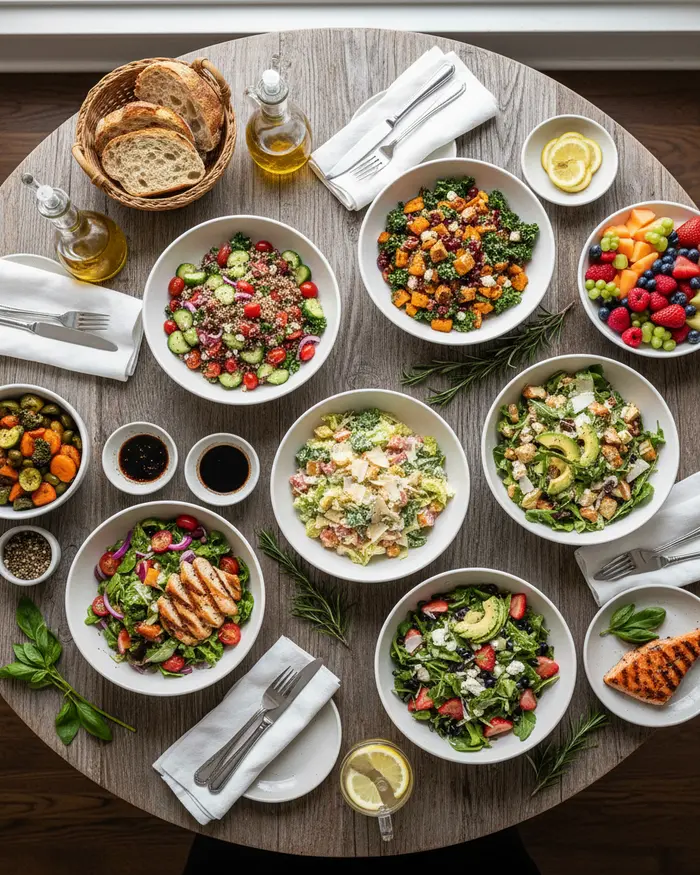
For quick weeknight dinners, focus on simple green salads or cucumber-based options that come together in minutes. When meal prepping, lean toward grain and pasta salads that improve over time. For entertaining, composed salads or fruit-based options create impressive presentations. Match the category to your situation for best results.
Start Your Salad Journey Today
You now have a complete roadmap for creating salads that actually excite you. From understanding basic techniques to exploring specific categories, you’re equipped to move beyond boring bowls of lettuce forever. The guides linked throughout this post dive deeper into specific styles with detailed recipes and techniques.
I’d love to hear which category calls to you first. Are you ready to master pasta salads for your next potluck? Curious about perfecting cucumber salads for summer? Excited to explore savory combinations that satisfy like real meals? Save this guide so you can reference it whenever inspiration strikes or when you need ideas for using fresh seasonal produce.
Pin your favorite sections to come back to later, and share this with anyone in your life who needs proof that salads can be absolutely delicious. The world of salad recipes is vast and endlessly creative—there’s always something new to discover. Which salad category will you explore first?
Frequently Asked Questions
What are the best greens to use as a salad base?
Popular salad greens include romaine lettuce for its crisp texture, spinach for nutritional value, arugula for a peppery flavor, mixed spring greens for variety, and kale for heartiness. Choose fresh, vibrant leaves without wilting or brown spots. Store greens in the refrigerator crisper drawer and wash just before using.
How do I make a basic vinaigrette dressing?
A classic vinaigrette uses a 3:1 ratio of oil to acid. Combine three parts olive oil with one part vinegar or lemon juice. Add Dijon mustard, minced garlic, salt, and pepper. Whisk vigorously or shake in a jar until emulsified. Adjust seasoning to taste and use immediately or refrigerate for up to one week.
How long can I store prepared salad in the refrigerator?
Undressed salad greens stay fresh for 3-5 days when stored properly in an airtight container with paper towels to absorb moisture. Once dressed, salad should be eaten immediately as it wilts quickly. Store dressing separately and add just before serving. Salads with proteins like chicken last 2-3 days maximum.
What ingredients add protein to salads?
Boost salad protein with grilled chicken breast, hard-boiled eggs, chickpeas, black beans, tuna, salmon, tofu, quinoa, nuts, or seeds. Cheese like feta or goat cheese adds protein and flavor. These ingredients transform a side salad into a complete meal providing sustained energy and satisfaction.
How do I prevent my salad from getting soggy?
Keep salad crisp by storing dressing separately until serving time. Dry greens thoroughly after washing using a salad spinner. Place hearty ingredients at the bottom and delicate greens on top. Add wet ingredients like tomatoes just before eating. Use thick dressings sparingly and toss gently to coat evenly without overdressing.