Cookies
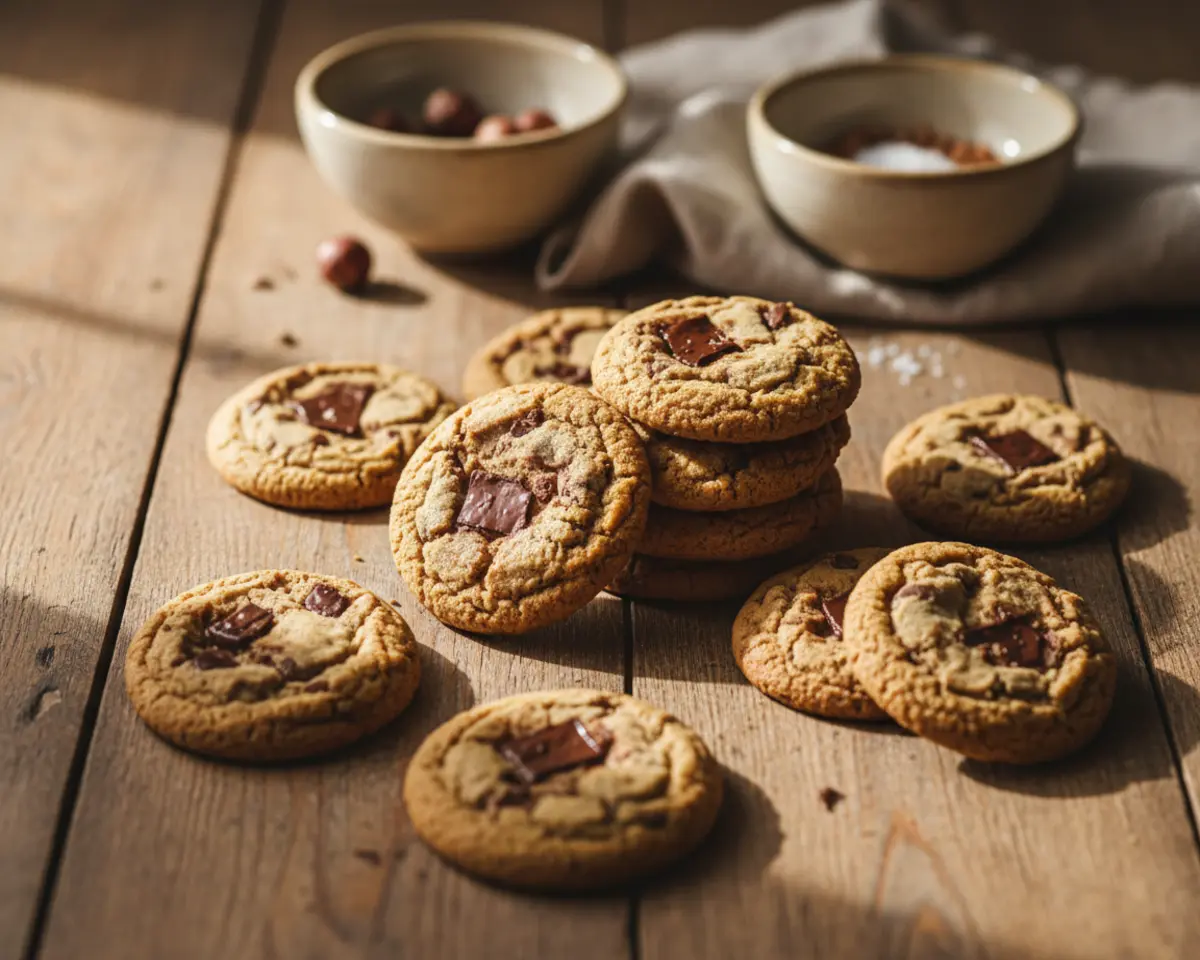
The smell of cookies baking might be the single most powerful memory trigger in existence. Last Tuesday, I pulled a tray of warm chocolate chip cookies from the
Your complete resource for mastering every style of homemade cookies, from classic favorites to creative specialty treats that’ll make your kitchen the neighborhood favorite.
Table of Contents
The smell of cookies baking might be the single most powerful memory trigger in existence. Last Tuesday, I pulled a tray of warm chocolate chip cookies from the oven, and suddenly I was eight years old again, perched on my grandmother’s kitchen counter, sneaking warm cookies while she pretended not to notice.
That’s the magic of cookies—they’re not just desserts, they’re time machines wrapped in butter and sugar. I’ve been baking cookies for over fifteen years, and I’ve learned that the difference between good cookies and absolutely incredible cookies comes down to understanding what makes each style unique.
Whether you’re craving something classic or ready to experiment with creative flavor combinations, mastering cookie recipes opens up endless possibilities for treats that bring pure joy to everyone who tastes them.
This guide brings together everything I’ve learned about baking cookies that consistently turn out perfect. We’ll explore different cookie styles, techniques that guarantee success, and help you discover which recipes match your cravings and skill level.
The Quick Guide
- Cookie variety matters: Different techniques create distinct textures from crispy edges to chewy centers to cake-like softness
- Temperature is everything: Room temperature butter, proper oven heat, and chilling dough at the right times determine success
- Quality ingredients transform results: Real butter, pure vanilla, and good chocolate make homemade cookies infinitely better than store-bought
- Technique beats complicated recipes: Understanding basics like creaming butter and sugar properly matters more than fancy ingredients
- Fresh cookies beat everything: Nothing compares to cookies pulled warm from your own oven
What Makes Cookies Special
Cookies represent the most accessible entry point into baking. Unlike cakes that require precise measurements and delicate techniques, or bread that demands patience and kneading skills, cookies forgive small mistakes and reward you with delicious results even when you’re just starting out.
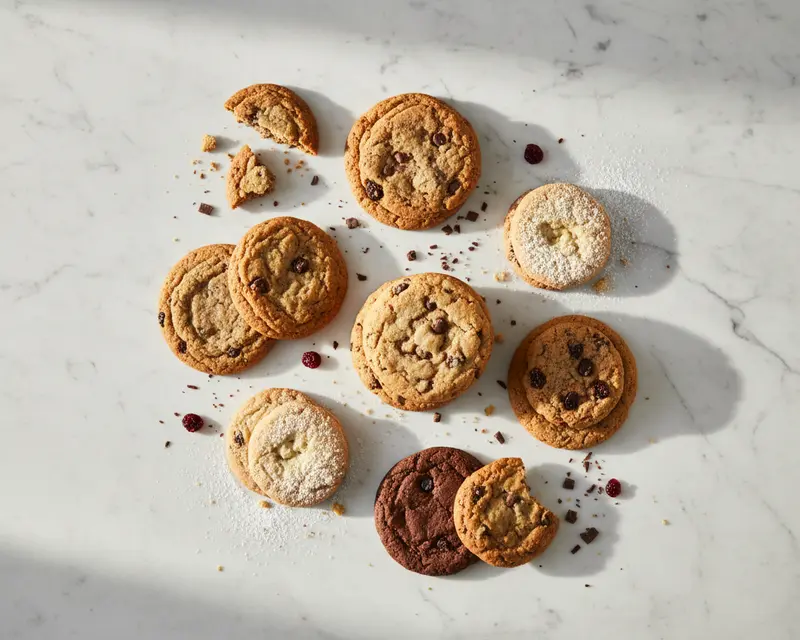
The beauty of cookie recipes lies in their incredible versatility. You can whip up a simple batch of easy cookie recipes in twenty minutes when unexpected guests arrive, or spend a leisurely afternoon creating elaborate specialty cookies that showcase your skills. Some cookies travel beautifully for care packages and bake sales, while others demand immediate consumption straight from the oven.
What truly sets homemade cookies apart is the ability to control every element. You decide how much chocolate goes into each bite, whether you prefer crispy edges or soft centers, and which flavor combinations make your taste buds sing. Once you understand the fundamentals, you can adapt recipes endlessly to match your preferences.
Cookies also create connections. They’re the treats you bring to new neighbors, bake for school functions, package as gifts, and share during celebrations. Every culture has beloved cookie traditions, and learning to make various styles lets you explore flavors from around the world right in your kitchen.
Classic Specialty Cookies
These timeless favorites represent the foundation every cookie baker should master. Classic specialty cookies include beloved recipes like snickerdoodles, peanut butter cookies, oatmeal raisin, and sugar cookies that have stood the test of time for good reason.
What makes these classics so enduring is their perfect balance of familiar flavors and reliable textures. They’re the cookies your grandmother made, the ones you remember from childhood bakeries, and the recipes that immediately feel like home when you smell them baking. These recipes teach fundamental techniques that apply across all cookie baking.
Classic cookies work beautifully for any occasion. They’re sophisticated enough for adult gatherings yet simple enough that kids always request them. Most classic specialty cookies also freeze exceptionally well, letting you keep a stash ready for unexpected cookie emergencies.
If you’re new to baking cookies, starting with these classics builds confidence and teaches you how ingredients interact. Once you’ve mastered a perfect snickerdoodle or sugar cookie, you’ll understand the principles that make all cookies successful.
Brownie Cookies
When you can’t decide between fudgy brownies and chewy cookies, these hybrid treats deliver the best of both worlds. Brownie cookies feature intensely chocolate flavor with crackly tops and gooey centers that satisfy the deepest chocolate cravings.
The magic of brownie cookies comes from their unique texture—crispy, crackled exteriors give way to centers so fudgy they’re almost molten. This dramatic contrast happens through specific techniques like using melted chocolate instead of just cocoa powder, and understanding exactly when to pull them from the oven for that perfect underbaked center.
These cookies make chocolate lovers swoon and work beautifully for impressive dessert presentations. Their dramatic crackled appearance looks bakery-professional even when you’re a beginner. Plus, brownie cookies stay deliciously soft for days, unlike traditional brownies that can dry out quickly.
Brownie cookies also adapt wonderfully to mix-ins. Fold in chocolate chips for extra decadence, add espresso powder for sophisticated depth, or swirl in peanut butter for flavor complexity that’ll have everyone begging for your recipe.
S Mores Marshmallow Cookies
Capturing campfire nostalgia in cookie form, these innovative treats bring together graham cracker flavor, melty chocolate, and toasted marshmallow. S’mores marshmallow cookies transform the beloved campfire classic into a bakeable treat you can enjoy year-round.
What makes these cookies special is how they replicate that campfire experience without needing flames or skewers. Graham cracker pieces or crumbs in the dough provide that essential base flavor, chocolate chunks melt into pockets of gooey goodness, and marshmallows toast right on top during the final minutes of baking.
These cookies generate genuine excitement when you serve them. They’re visually stunning with their toasted marshmallow tops, they smell incredible, and that first bite delivers complex flavors and textures that transport you straight to summer evenings around a fire pit.
S’mores cookies work beautifully for themed parties, summer gatherings, or anytime you want something more creative than standard chocolate chip. Kids especially love them, and they photograph beautifully if you’re sharing your baking adventures on social media.
Cinnamon Cookies
The warm, cozy spice that defines comfort baking shines in these aromatic treats perfect for fall and winter. Cinnamon cookies range from simple snickerdoodles to spiced varieties loaded with warming flavors that make your whole house smell amazing.
Cinnamon transforms basic cookie dough into something special. The spice adds warmth without overwhelming sweetness, creates incredible aroma while baking, and pairs beautifully with other flavors like brown sugar, maple, apple, or chocolate. Cinnamon cookies feel indulgent yet somehow wholesome at the same time.
These cookies shine during cooler months when you crave cozy flavors, but they’re delicious year-round. They pair perfectly with coffee or tea, making them ideal for afternoon treats or morning indulgences. The relatively simple ingredient lists mean you can whip them up without special shopping trips.
Cinnamon cookies also travel exceptionally well and maintain their texture for several days. This makes them perfect for gift boxes, bake sales, or packing in lunches. The familiar spice appeals to almost everyone, so they’re safe choices when baking for groups with varied preferences.
Expert Category Guide
Essential Techniques
Successful cookies start with proper ingredient temperatures. Room temperature butter creams smoothly with sugar, creating the air pockets that give cookies their texture. Cold butter won’t incorporate properly, while melted butter creates dense, flat results. Leave butter on your counter for about an hour before baking.
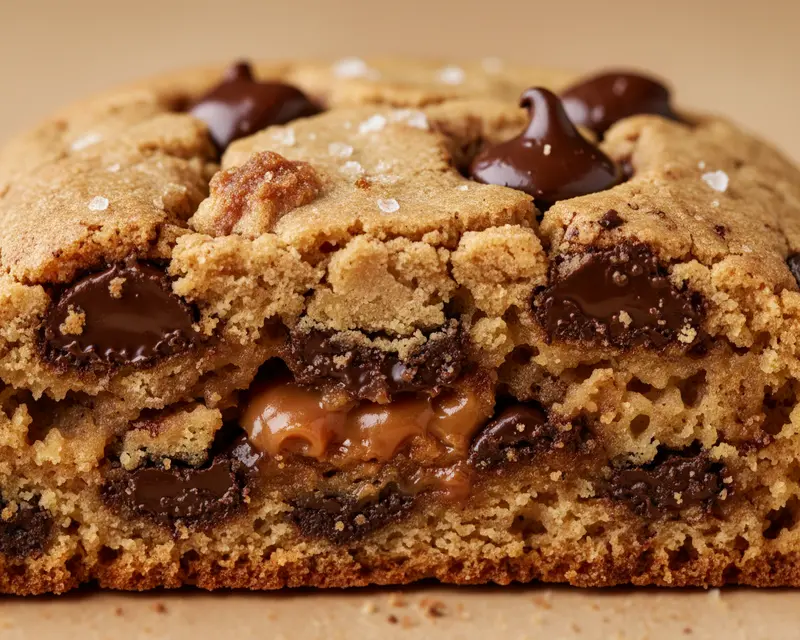
Measuring flour correctly prevents dry, crumbly cookies. Spoon flour into your measuring cup and level it off rather than scooping directly from the bag, which compacts flour and adds too much. Or better yet, weigh your flour using a kitchen scale for consistent results every time.
Chilling cookie dough serves multiple purposes. It prevents excessive spreading, allows flavors to develop and meld, and makes dough easier to handle. Most cookie recipes benefit from at least thirty minutes of refrigeration, though some require several hours or overnight chilling for best results.
Oven temperature accuracy matters more than most home bakers realize. Invest in an oven thermometer to verify your oven’s actual temperature matches the dial setting. Even twenty-five degrees difference causes cookies to overbake, underbake, spread too much, or stay too thick.
Recognizing proper doneness prevents overbaking. Cookies continue cooking on hot baking sheets after leaving the oven, so pull them when centers still look slightly underdone. Edges should be set while centers appear soft. This creates perfect texture once cookies cool completely.
Ingredient Spotlight
Butter quality dramatically impacts final flavor. Real butter beats margarine every time for homemade cookies with rich taste and proper texture. European-style butter with higher fat content creates even more tender, flavorful results if you want to take cookies to the next level.
Brown sugar versus white sugar affects both flavor and texture. Brown sugar contains molasses that adds moisture and creates chewier cookies, while white sugar produces crisper results. Many recipes use both for balanced texture and complex flavor.
Pure vanilla extract costs more than imitation but transforms cookie flavor. Real vanilla contains hundreds of flavor compounds that create depth and complexity. Use pure vanilla in cookies where it stars, like sugar cookies or shortbread. Save imitation for heavily spiced recipes where vanilla plays a supporting role.
Chocolate quality matters when it’s a primary flavor. Choose chocolate you’d happily eat plain, whether that’s chocolate chips, chunks chopped from bars, or high-quality cocoa powder for chocolate cookies. The chocolate flavor comes through clearly in finished cookies, so quality ingredients create superior results.
Fresh baking soda and baking powder ensure proper rise. These leaveners lose potency over time. Test baking soda by mixing a bit with vinegar—it should fizz vigorously. Test baking powder by stirring some into hot water. Replace them every six months for consistent baking results.
Seasonal Considerations
Summer baking requires adjustments for heat and humidity. Chill dough longer before baking to prevent excessive spreading. Store ingredients in cool places since butter and chocolate soften quickly. Consider baking during cooler morning or evening hours to keep your kitchen comfortable.
Fall welcomes warming spices like cinnamon, nutmeg, and ginger. This season is perfect for cinnamon cookies, spiced varieties, and treats featuring autumn flavors like apple, pumpkin, or maple. The cooler weather makes extended oven use more pleasant too.
Winter holiday baking often involves decorated sugar cookies, gingerbread, and festive flavors like peppermint or eggnog. Make-ahead cookie dough becomes especially valuable during busy holiday seasons. Freeze shaped cookies before baking or bake and freeze finished cookies to spread out the work.
Spring celebrates lighter flavors and fresh ingredients. Lemon cookies, berry-studded treats, and floral notes like lavender work beautifully. This is also ideal timing for bake sales and outdoor gatherings where cookies travel easily and please crowds.
Skill Level Guide
Beginners should start with simple drop cookies that require no special shaping. Classic chocolate chip cookies, oatmeal cookies, or basic peanut butter cookies teach fundamental techniques without overwhelming complexity. Focus on mastering proper mixing methods and recognizing correct doneness.
Intermediate bakers can tackle cookies requiring chilling, rolling, or specific shaping techniques. Try your hand at classic specialty cookies like snickerdoodles that need cinnamon-sugar coating, or slice-and-bake cookies that require even rolling and precise cutting. These recipes build skills while remaining forgiving.
Advanced cookie recipes involve multiple components, precise techniques, or challenging flavor combinations. Brownie cookies require understanding exactly when to underbake for fudgy centers. Decorated cookies demand patience and artistic skill. S’mores cookies combine several elements that must come together perfectly.
Regardless of skill level, read recipes completely before starting. Gather all ingredients and tools. This preparation prevents surprises and helps you understand the process before committing. Even experienced bakers benefit from this organized approach.
Storage and Make-Ahead Tips
Most baked cookies stay fresh for three to five days at room temperature when stored properly. Use airtight containers and separate layers with parchment paper to prevent sticking. Add a slice of bread to the container to maintain soft, chewy texture—the cookies absorb moisture from the bread.
Freezing baked cookies extends their life to three months. Cool cookies completely, then freeze in single layers on baking sheets. Once frozen solid, transfer to freezer bags or containers. Thaw at room temperature for about twenty minutes before serving.
Freezing cookie dough offers incredible convenience. Scoop dough into portions, freeze on baking sheets until solid, then transfer to freezer bags. Bake directly from frozen, adding just one or two extra minutes to the baking time. This lets you enjoy fresh-baked cookies anytime without mixing a full batch.
Some cookie doughs actually improve with refrigeration. Letting dough rest for twenty-four to seventy-two hours allows flour to hydrate fully and flavors to develop complexity. This technique works especially well for chocolate chip cookies and brownie cookies.
Delicate cookies like those with marshmallow toppings or soft frosting require careful storage. Keep them in single layers separated by parchment, and store at room temperature away from humidity. These special cookies are best enjoyed within two days of baking for optimal texture.
Choosing the Right Cookie Style
Choose classic specialty cookies when you want reliable crowd-pleasers that appeal to traditional tastes. These work perfectly for bake sales, potlucks, or anytime you’re serving people with varied preferences. They’re also your best choice when introducing kids to baking since recipes are straightforward and results are predictable.
Pick brownie cookies when serious chocolate cravings strike and regular cookies won’t satisfy. These are perfect for chocolate lovers, dessert tables that need something impressive, or anytime you want to wow people with dramatic appearance and intense flavor. They also make exceptional gifts for chocoholics.
Select s’mores marshmallow cookies for fun, interactive treats that generate excitement. These shine at casual gatherings, summer parties, kids’ events, or whenever you want something creative and photogenic. They’re conversation starters that make people smile before they even take a bite.
Go with cinnamon cookies when you crave warming comfort and cozy flavors. These are ideal for fall and winter baking, morning treats with coffee, or anytime you want your house filled with incredible spice aromas. They’re also perfect when you need something simple but special.
Consider your available time too. Simple drop cookies like many classic varieties take minimal effort, while specialty cookies with toppings or multiple components require more attention. Easy cookie recipes work best for busy weeknights, while elaborate versions suit leisurely weekend baking sessions.
Think about dietary needs and preferences in your household. Most cookie recipes adapt well to substitutions, but some styles are naturally more flexible than others. Classic varieties often accommodate ingredient swaps more easily than specialized recipes with specific texture requirements.
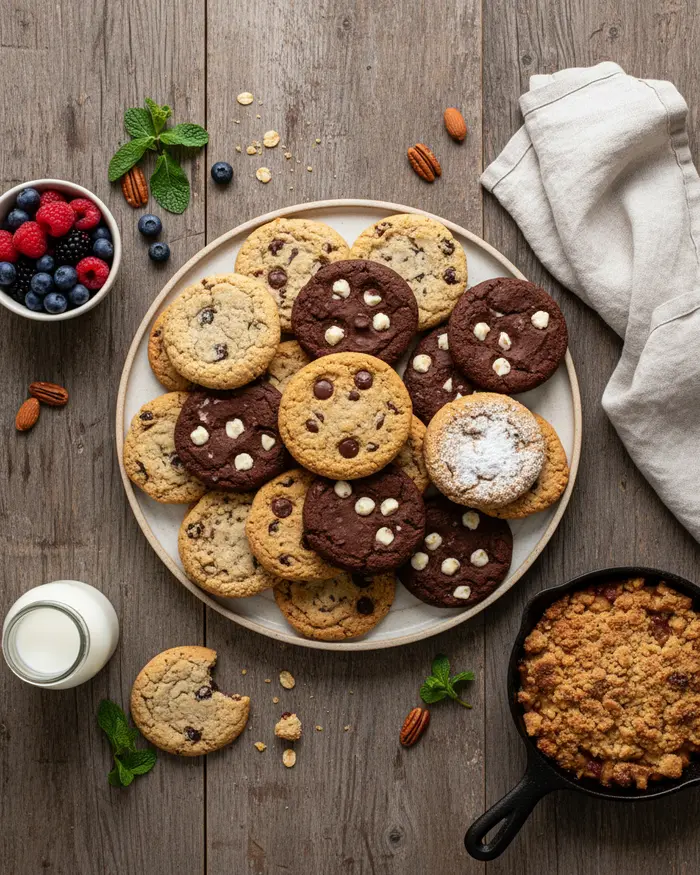
Start Your Cookie Baking Journey
The wonderful thing about cookies is that every batch teaches you something new. Maybe you’ll discover that slightly underbaking creates your ideal chewy texture, or that a pinch of sea salt makes chocolate cookies taste even more chocolatey. These small discoveries transform good cookies into your signature treats that people request by name.
Start with whichever style calls to you most strongly. There’s no wrong entry point into cookie baking. Craving chocolate? Begin with brownie cookies. Want something classic and comforting? Try cinnamon cookies or classic specialty varieties. Feeling adventurous? Jump straight into s’mores marshmallow cookies. Your enthusiasm matters more than following some prescribed order.
Save this guide for easy reference as you explore different cookie recipes. Pin your favorite sections to come back to when you need technique reminders or inspiration for your next batch. The best part about mastering homemade cookies is that you’ll always have the perfect treat ready whenever life calls for something sweet.
Which cookie style are you most excited to bake first? Grab your mixing bowl and let’s fill your kitchen with the irresistible smell of fresh cookies. Your perfect batch is waiting to happen, and I promise the joy of pulling warm cookies from your oven never gets old—even after hundreds of batches.
Frequently Asked Questions
What are cookies?
Cookies are small text files stored on your device by websites you visit. They contain data about your browsing activity and preferences. Cookies help websites remember your login information, shopping cart items, and settings. They can be session-based, expiring when you close your browser, or persistent, remaining on your device for a set period.
Are cookies safe?
Cookies themselves are generally safe as they are simple text files that cannot execute code or carry viruses. However, they can pose privacy concerns since they track your online behavior. Third-party cookies from advertisers can follow you across multiple sites. Using browser privacy settings and clearing cookies regularly helps maintain security.
How do I delete cookies?
You can delete cookies through your browser settings. In most browsers, go to Settings or Preferences, find Privacy or History section, and select Clear Browsing Data or Cookies. You can choose to delete all cookies or specific ones. Most browsers also allow automatic deletion when you close the browser or set expiration periods.
What are first-party and third-party cookies?
First-party cookies are created by the website you are directly visiting and typically store preferences and login data. Third-party cookies are set by external domains, usually for advertising and tracking purposes. They follow your activity across different websites. Many browsers now block third-party cookies by default for privacy protection.
Can I browse without accepting cookies?
Yes, you can browse without cookies, but website functionality may be limited. Many sites require cookies for login, shopping carts, and personalized features. You can configure your browser to block all cookies, accept only first-party cookies, or prompt you before accepting. Some websites may not work properly or deny access if cookies are disabled.