Cakes Recipes
I still remember the first cake I ever baked from scratch. I was eight years old, standing on a wobbly step stool in my grandmother’s kitchen, watching her crea
Discover everything you need to know about baking perfect cakes at home. From classic layer cakes to trendy cupcakes, this comprehensive guide covers techniques, flavors, and expert tips for every skill level.
Table of Contents
I still remember the first cake I ever baked from scratch. I was eight years old, standing on a wobbly step stool in my grandmother’s kitchen, watching her cream butter and sugar with a wooden spoon. The kitchen smelled like vanilla and possibility, and when we pulled that slightly lopsided chocolate cake from the oven, I was hooked for life.
That’s the magic of cakes—they transform simple ingredients into celebration, comfort, and pure joy.
Whether you’re a complete beginner nervously measuring flour for the first time or an experienced baker looking to expand your repertoire, this guide will walk you through everything you need to know about baking cakes. We’ll explore different styles, techniques, and flavor profiles that make cake baking one of the most rewarding kitchen adventures you can embark on.
Over the years, I’ve baked hundreds of cakes in my own kitchen. I’ve had spectacular successes and humbling failures, and I’ve learned something valuable from each one. Now I’m sharing all those hard-won lessons with you, so your cake journey can be a little smoother and a lot more delicious than mine was starting out.
The Quick Guide
If you’re short on time, here’s what you need to know about baking cakes:
- Room temperature ingredients are essential for proper mixing and texture
- Measuring accurately makes the difference between success and disappointment
- Most cakes bake between 325°F and 350°F for even, gentle cooking
- The toothpick test is your best friend for checking doneness
- Cooling completely before frosting prevents melting and sliding
Cakes are more forgiving than you think. With basic techniques and quality ingredients, you can create bakery-worthy results in your own kitchen. The key is understanding why each step matters, not just following instructions blindly.
Category Overview
Cakes represent one of the most versatile and beloved categories in baking. From towering layer cakes that anchor birthday celebrations to simple snack cakes perfect for afternoon coffee, this category encompasses an incredible range of textures, flavors, and occasions.
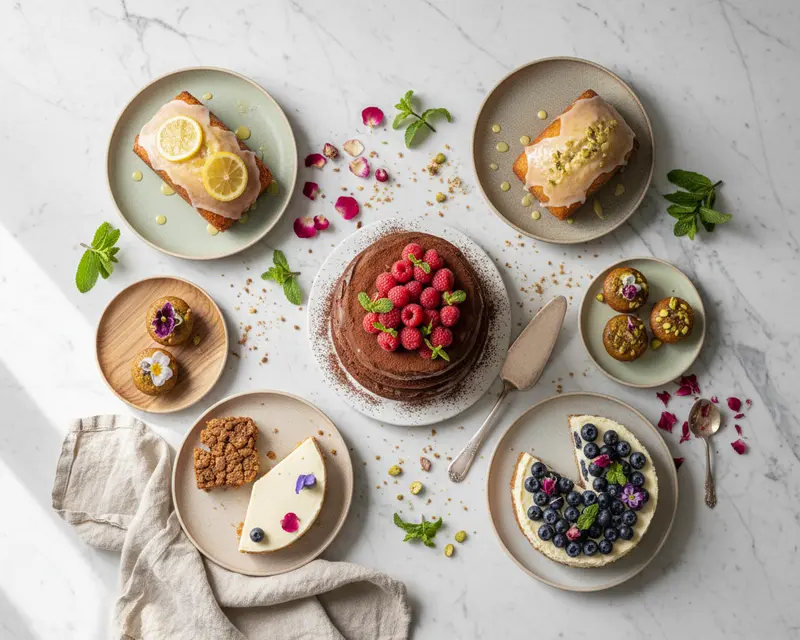
What makes cakes special is their ability to adapt to any moment. Need something elegant for a wedding? A multi-tiered masterpiece fits the bill. Want comfort food on a rainy Tuesday? A slice of homemade cake with your tea is perfect. Cakes scale up for crowds and scale down for quiet moments.
The beauty of mastering cake recipes is that once you understand the basic ratios and techniques, you can endlessly customize flavors, frostings, and decorations. Every cake you bake teaches you something new about how ingredients interact, how heat transforms batter, and how patience pays off in the kitchen.
Whether you’re drawn to classic vanilla layer cakes, fruit-studded bundt cakes, or trendy flavor combinations, this category offers something for every taste and skill level. The recipes range from beginner-friendly one-bowl wonders to more advanced techniques that challenge your abilities.
Cakes Cupcakes
Cupcakes bring all the joy of full-sized cakes in perfectly portioned individual servings. Explore our complete collection of cupcake recipes that range from classic vanilla and chocolate to creative seasonal flavors and decorated designs perfect for parties and celebrations.
These miniature cakes bake faster than their larger counterparts, making them ideal when you’re short on time but still want homemade goodness. The smaller format also means easier portion control and more opportunities to experiment with different flavors and frostings in a single batch.
Cupcakes work beautifully for everything from kids’ birthday parties to elegant wedding showers. You can keep them simple with a swirl of buttercream or transform them into elaborate creations with fondant decorations, filling injections, and creative toppers that showcase your personality.
The beauty of cupcakes lies in their versatility and convenience. No need to slice and serve, no worrying about uneven portions. Each person gets their own perfect little cake, complete with just the right ratio of cake to frosting.
Pineapple Cakes
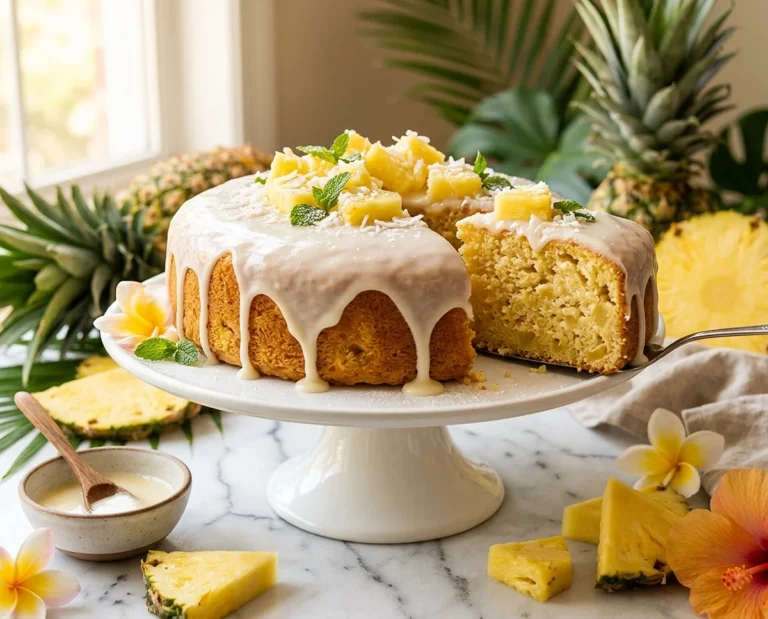
Pineapple adds natural sweetness and incredible moisture to cakes, creating tender crumbs that stay fresh for days. Discover our pineapple cake recipes featuring tropical flavors, from classic pineapple upside-down cake to modern variations with coconut, cream cheese frosting, and surprising flavor combinations.
The acidity in pineapple does something magical to cake batter, tenderizing the gluten and creating an exceptionally soft texture. Whether you use fresh, canned, or dried pineapple, each form brings its own advantages and unique characteristics to your finished cake.
These cakes transport you to somewhere warm and sunny with every bite. They’re perfect for summer gatherings, potlucks, and any time you want to brighten someone’s day with tropical flavors. The natural fruit keeps these cakes moist without feeling heavy or dense.
Pineapple cakes often improve on the second day as the flavors meld and the fruit releases more moisture into the crumb. They’re also fantastic make-ahead options for busy weeks when you want homemade dessert without last-minute stress.
Carrot Cake Bakes
Carrot cake offers the perfect balance of sweetness and substance with vegetables sneaking nutrition into dessert. Check out our carrot cake collection featuring classic recipes with cream cheese frosting, healthier variations, and creative spins that incorporate different spices, nuts, and mix-ins.
The grated carrots create incredible moisture and a tender texture that stays fresh longer than many other cakes. Warm spices like cinnamon, nutmeg, and ginger complement the subtle sweetness of carrots while making your kitchen smell absolutely amazing as the cake bakes.
Traditional carrot cake includes walnuts or pecans for crunch and cream cheese frosting for tangy richness, but you can customize every element to suit your preferences. Add crushed pineapple for extra moisture, coconut for tropical flair, or raisins for chewy sweetness.
These cakes feel special enough for celebrations yet wholesome enough for everyday enjoyment. They’re particularly popular for spring gatherings and Easter celebrations, though honestly, carrot cake season is year-round in my kitchen.
Expert Category Guide
Mastering cakes requires understanding key techniques, ingredient functions, and how small changes affect your final results. This section breaks down the essential knowledge that separates okay cakes from exceptional ones.
Essential Techniques
The creaming method forms the foundation of most butter cakes. Beat room-temperature butter and sugar together until light and fluffy, usually three to five minutes. This incorporates air that helps your cake rise and creates a tender crumb.
Proper measuring is absolutely critical for cakes. Unlike more forgiving recipes, cakes rely on precise ratios. Use the spoon-and-level method for flour: spoon it into your measuring cup, then level off with a straight edge. Never scoop directly from the bag, which packs in too much flour.
Learning to test for doneness prevents both underbaked and overbaked cakes. Insert a toothpick into the center, it should come out with just a few moist crumbs, not wet batter. The cake should also spring back lightly when touched and pull away slightly from the pan edges.
Cooling cakes properly prevents sogginess and structural issues. Let cakes cool in pans for ten to fifteen minutes, then turn out onto wire racks to cool completely. Frosting a warm cake leads to melted frosting and potential cake collapse.
Ingredient Spotlight
Flour provides structure in cakes. All-purpose flour works for most recipes, but cake flour creates more tender results due to its lower protein content. For the most tender cakes, look for cake flour or make your own by replacing two tablespoons of all-purpose flour per cup with cornstarch.
Sugar does more than sweeten. It tenderizes by interfering with gluten development, adds moisture, and helps create a golden crust. Different sugars produce different results: granulated for structure, brown sugar for moisture and caramel notes, and powdered sugar for smooth frostings.
Eggs contribute structure, leavening, moisture, and richness. Room temperature eggs incorporate more easily and create better emulsions. If you forgot to remove eggs from the fridge, place them in a bowl of warm water for five minutes before using.
Fat makes cakes tender and adds flavor. Butter provides unmatched flavor but oil creates moister cakes that stay fresh longer. Many recipes use both to balance flavor and moisture. Always use unsalted butter in baking so you control the salt level.
Seasonal Considerations
Summer calls for lighter cakes with fresh fruit, citrus flavors, and minimal frosting that won’t melt at outdoor gatherings. Think lemon pound cake, berry-studded coffee cakes, and simple glazes instead of heavy buttercream.
Fall and winter welcome spice cakes, chocolate indulgences, and warming flavors like ginger, cinnamon, and nutmeg. These seasons are perfect for dense bundt cakes, layered celebration cakes with rich frostings, and anything involving caramel or brown butter.
Spring brings opportunities for floral flavors like lavender and rosewater, fresh herb infusions, and pastel-colored creations. Carrot cake naturally fits this season, along with lighter fruit cakes featuring strawberries, rhubarb, and early stone fruits.
Humidity affects baking significantly. On very humid days, you might need slightly less liquid or a bit more flour. Your cakes may also take longer to bake and cool. Store cakes in airtight containers to prevent them from absorbing excess moisture from the air.
Skill Level Guide
Beginners should start with simple one-bowl cakes, basic cupcakes, and recipes that don’t require special techniques. Sheet cakes are more forgiving than layer cakes since you don’t need to worry about leveling, stacking, or complex frosting applications.
Intermediate bakers can tackle layer cakes, learn to make buttercream and other frostings from scratch, and experiment with flavor combinations. This is when you’ll master the creaming method, practice crumb-coating, and develop your decorating skills.
Advanced techniques include working with fondant, creating multi-tier cakes with proper doweling and support, making Swiss or Italian meringue buttercream, and executing complex decorating techniques like piped flowers or intricate designs.
Every baker progresses at their own pace. Don’t rush to advanced techniques before mastering basics. A perfectly executed simple cake impresses more than an ambitious project that didn’t quite work. Build your confidence gradually with each successful bake.
Storage and Make-Ahead Tips
Most unfrosted cakes store well at room temperature for two to three days when wrapped tightly in plastic wrap. For longer storage, freeze unfrosted cake layers for up to three months. Wrap each layer individually in plastic wrap, then aluminum foil.
Frosted cakes need different storage depending on the frosting type. Buttercream-frosted cakes can sit at room temperature for a day or two, but cream cheese frosting requires refrigeration. Remove refrigerated cakes thirty minutes before serving for best texture and flavor.
Many cake batters and frostings can be made ahead. Store unbaked batter refrigerated for up to two days, though it may need a gentle stir before baking. Most frostings keep refrigerated for a week or frozen for three months.
Freezing finished slices gives you instant dessert whenever you need it. Wrap individual slices tightly and freeze for up to three months. Thaw at room temperature for an hour or microwave for quick enjoyment. This works beautifully for portion control too.
Comparison and Selection Guide
Choose cupcakes when you need individual portions, want to serve a variety of flavors, or need something that transports easily. They’re perfect for parties, bake sales, and casual gatherings where guests might eat standing up or moving around.
Pick pineapple cakes when you want tropical flavors, need something that stays moist for several days, or want a dessert that feels special without being too heavy. These work beautifully for summer potlucks, casual gatherings, and any time you want bright, sunny flavors.
Go with carrot cake when you want something that feels a bit healthier, need a cake that pleases both kids and adults, or want the classic combination of spice cake and cream cheese frosting. Carrot cake travels well and actually improves over a day or two.
Consider your occasion carefully. Birthday parties often call for classic layer cakes or cupcakes, while casual coffee gatherings might be better suited to simple snack cakes or bundt cakes that don’t require plates and forks.
Think about dietary needs too. Many cake recipes can be adapted for dietary restrictions, but some styles adapt more easily than others. Simple one-bowl cakes often convert to gluten-free versions more successfully than delicate layer cakes.
Time constraints matter significantly. If you’re short on time, cupcakes bake faster than full-sized cakes, and simple glazes take less time than elaborate frostings. Plan accordingly so you’re not stressed and rushed during the baking process.
Skill level should guide your choice as well. Don’t attempt a complex layer cake for the first time when you’re baking for an important event. Save ambitious projects for practice runs, and choose recipes within your comfort zone for occasions that matter.
Tips for Success With Cakes
Always start with room temperature ingredients unless the recipe specifically says otherwise. Cold eggs and butter don’t incorporate properly, leading to dense cakes with poor texture. Set ingredients out thirty minutes to an hour before you start baking.
Invest in an oven thermometer because many ovens run hot or cold. A difference of even twenty-five degrees significantly affects how cakes bake. Position your oven rack in the center for even heat circulation around your cake pans.
Prepare your pans properly to prevent sticking disasters. Grease thoroughly with butter or shortening, dust with flour, and tap out excess. For extra insurance with sticky cakes, line pan bottoms with parchment paper circles.
Don’t overmix once you add flour. Mix just until ingredients are combined with no visible streaks of flour. Overmixing develops too much gluten, resulting in tough, chewy cakes instead of tender ones.
Resist opening the oven door during the first half of baking time. Sudden temperature drops can cause cakes to fall or develop dense centers. If you must check, do so quickly and gently close the door.
Practice makes perfect with homemade cakes. Each time you bake, you’ll learn something new about your oven, your mixing technique, and how ingredients behave. Keep notes about what worked and what you’d change for next time.
Don’t be discouraged by occasional failures. Every baker has experienced fallen cakes, stuck layers, and frosting disasters. These moments teach you more than successes do. Laugh them off, learn from them, and keep baking.
Common Mistakes to Avoid
Using cold ingredients straight from the refrigerator ranks as the most common cake mistake. Cold butter won’t cream properly, cold eggs can cause batter to curdle, and cold milk can seize up melted chocolate. Always bring ingredients to room temperature first.
Opening the oven door repeatedly lets out heat and causes temperature fluctuations that affect how cakes rise and bake. Trust your timer and only check cakes when they’re nearly done according to the recipe timing.
Undermixing or overmixing both cause problems but in different ways. Undermixed batter has streaks of flour and won’t rise properly. Overmixed batter develops too much gluten and creates tough texture. Mix just until combined.
Incorrect pan size throws off baking times and can cause overflow or overly thin cakes. If you must substitute pan sizes, adjust baking time accordingly. Smaller, deeper pans need longer baking, while larger, shallower pans bake faster.
Skipping the cooling step before frosting leads to melted, sliding frosting and potential cake collapse. I know waiting is hard when you’re excited to finish, but patience here saves your beautiful creation.
Not testing for doneness properly results in gummy centers or dried-out edges. Use the toothpick test, but also look for visual cues like edges pulling away from the pan and a cake that springs back when gently touched.
Forgetting to level cake layers before stacking creates wobbly, leaning cakes. Use a serrated knife or cake leveler to trim domed tops for flat, stable layers that stack beautifully and look professional.
Building Your Cake Baking Skills
Start with basic recipes that build fundamental skills before attempting complex projects. Sheet cakes, simple cupcakes, and one-bowl cakes teach you about proper mixing, correct oven temperature, and how to test for doneness without the pressure of elaborate decorating.
Learn one new technique at a time rather than overwhelming yourself. Maybe master the creaming method one week, then work on smooth frosting application the next. Breaking skills into manageable pieces makes progress feel achievable and less intimidating.
Invest gradually in quality tools as your interest and skills grow. You don’t need every gadget to start, but good basics like sturdy mixing bowls, accurate measuring cups, and proper cake pans make significant differences in your results.
Join online baking communities where you can ask questions, share successes, and learn from others’ experiences. Seeing how other home bakers troubleshoot problems and celebrate victories makes your own journey more enjoyable and less isolating.
Keep a baking journal noting what worked, what didn’t, and any adjustments you made. Include photos of your finished cakes so you can track your improvement over time. Looking back at early attempts shows you how far you’ve come.
Practice the same recipe multiple times before moving to variations. Repetition builds muscle memory and helps you understand how the batter should look, feel, and behave at each stage. Consistency comes through practice.
Don’t compare your beginning to someone else’s middle or end. Social media shows highlight reels, not the failed attempts that came before those perfect posts. Focus on your own progress and celebrate your improvements.
Start Your Cake Baking Journey Today
You now have everything you need to dive into the wonderful world of cake baking. Whether you start with fun cupcakes, tropical pineapple cakes, or classic carrot cake, each recipe you try will build your confidence and skills in the kitchen.
Remember that every expert baker started exactly where you are now, with a little uncertainty and a lot of enthusiasm. The difference between where you are and where you want to be is simply practice, patience, and a willingness to learn from both successes and setbacks.
Save this guide so you can reference it whenever you’re planning your next baking project. Pin your favorite cake recipes to Pinterest to create your own collection of tried-and-true favorites. Share your cake creations with friends and family who will appreciate the love baked into every slice.
Which type of cake will you bake first? Are you drawn to the portability of cupcakes, the tropical brightness of pineapple cakes, or the comforting spices of carrot cake? Whatever you choose, approach it with confidence knowing that you’re building skills that will bring joy to your kitchen for years to come.
Frequently Asked Questions
How do I prevent my cake from sticking to the pan?
To prevent sticking, grease your cake pan thoroughly with butter or oil, then dust it with flour, tapping out excess. Alternatively, use parchment paper cut to fit the bottom of the pan. Allow the cake to cool for 10-15 minutes before removing from the pan for best results.
What is the difference between baking powder and baking soda in cakes?
Baking soda is pure sodium bicarbonate requiring an acid to activate. Baking powder contains both an acid and a base, activating with moisture and heat. Use baking soda with acidic ingredients like buttermilk or yogurt. Baking powder works in recipes without acidic components.
How long can I store a frosted cake?
A frosted cake can be stored at room temperature for 2-3 days if covered properly. Refrigerate cakes with perishable fillings or frostings like cream cheese or whipped cream for up to 5 days. Unfrosted cake layers can be frozen for up to 3 months when wrapped tightly.
Why did my cake sink in the middle?
Cakes sink due to several reasons: opening the oven door too early, expired leavening agents, too much sugar or liquid, underbaking, or incorrect oven temperature. Ensure your oven is properly preheated and avoid opening the door during the first 25 minutes of baking.
Can I substitute oil for butter in cake recipes?
Yes, you can substitute oil for butter using a 3:4 ratio. For every cup of butter, use 3/4 cup of oil. Oil produces moister cakes with a tender crumb, while butter adds richer flavor. Consider the recipe type as some cakes rely on butter for structure and taste.