Creamy Lemon Bars & Brownies
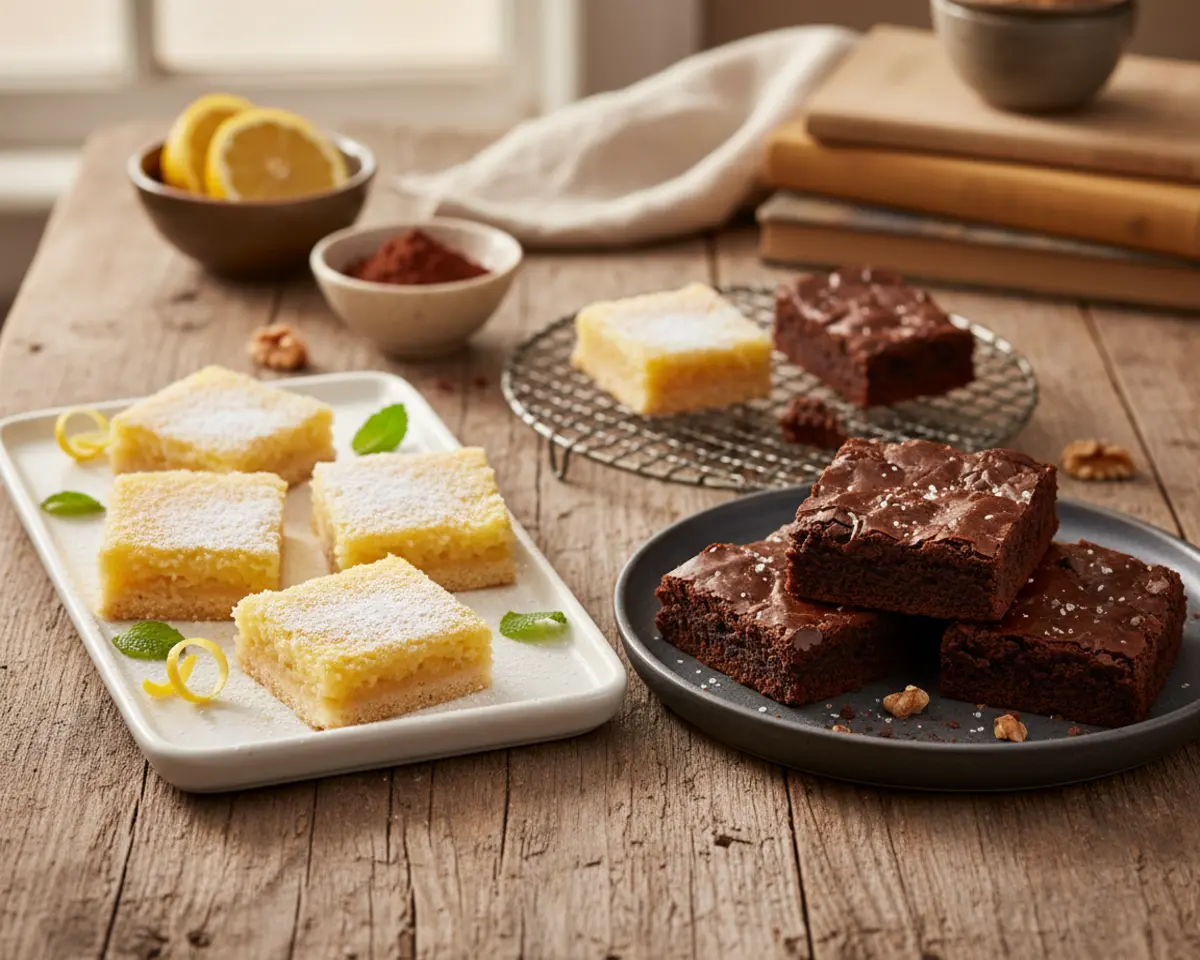
Looking for the perfect balance between tangy lemon bars and rich, fudgy brownies? This collection of Lemon Bars & Brownies brings together the best of both worlds, featuring bright citrus flavors and that irresistible brownie texture we all crave.
I’ll never forget the first time I tasted a lemon brownie at my neighbor’s summer barbecue. The kitchen smelled like sunshine and butter, and when I bit into that first square, the zingy lemon curd swirled through dense, cake-like crumb. It was love at first bite, and I’ve been experimenting with lemon bars recipe variations ever since.
Whether you’re team classic lemon bars with their buttery shortbread crust or you’re curious about easy lemon bars with a brownie twist, this guide covers everything you need to master homemade lemon bars and their creative cousins.
Table of Contents
Quick Overview: What Makes These Treats Special
Lemon bars traditionally feature a shortbread base topped with tangy custard, while lemon brownies combine that citrus brightness with a denser, more cake-like texture. Both deliver intense lemon flavor, but brownies offer a chewier bite that’s closer to their chocolate cousins.
The beauty of these recipes lies in their versatility. You can adjust the sweetness, play with the texture from fudgy to cakey, and even add mix-ins like white chocolate chips or poppy seeds. They’re perfect for spring gatherings, summer picnics, or anytime you need a citrus pick-me-up.
Lemon Brownies Recipe
These lemon brownies strike that perfect balance between dense and tender, with a bright citrus punch that’ll make your taste buds sing. Unlike traditional bars, they’ve got that characteristic brownie chew with a buttery crumb that melts on your tongue. Try this delicious recipe for a foolproof version that comes together in one bowl.

Expert Tips for Perfect Lemon Bars & Brownies
The secret to amazing homemade lemon bars starts with fresh lemon juice and zest. Bottled juice just doesn’t deliver the same aromatic oils and bright flavor. When you zest your lemons, make sure to only get the yellow part—that white pith underneath is bitter and’ll throw off your whole batch.
For the base, whether you’re making traditional bars or brownies, don’t skip the parchment paper sling. It makes lifting them out of the pan a breeze and prevents that heartbreaking moment when your perfect batch sticks to the corners. I learned this the hard way after ruining three batches in a row.
Temperature matters more than you’d think. Serious Eats explains the science behind custard-based desserts, noting that pulling your bars from the oven when they’re still slightly jiggly in the center prevents that grainy, overcooked texture.
Here’s a game-changer: let your bars cool completely before cutting. I know it’s torture to wait, but warm lemon bars will squish and create messy edges. Pop them in the fridge for an hour after they’ve cooled to room temp, and you’ll get those picture-perfect squares every single time.
For extra insurance against sticking, dust your knife with powdered sugar between cuts. The sugar acts like a non-stick coating and bonus—it makes your bars look professionally finished. Clean your knife after each cut for the cleanest edges.
Sweet vs Tart: Finding Your Perfect Balance
The eternal debate in easy lemon bars territory is how much pucker power you want. Classic recipes typically use a 1:1 ratio of lemon juice to sugar in the filling, which gives you that iconic sweet-tart balance. But if you’re like me and prefer things on the tangier side, bump up the lemon juice by 2-3 tablespoons.
Lemon brownies tend to be sweeter than traditional bars since they incorporate more sugar into the batter itself. King Arthur Baking suggests that the density of brownies can handle more acidic ingredients without falling apart, so don’t be afraid to go bold with your lemon.
If you’re serving a crowd with mixed preferences, make your base recipe slightly sweeter and offer extra lemon zest or a tart lemon glaze on the side. That way, everyone can customize their own square to their taste. I do this at potlucks and it’s always a hit.
Texture Tricks: From Fudgy to Cakey
Want fudgier lemon brownies? The trick is in the fat ratio. More butter and fewer eggs create that dense, moist texture. For a batch that’s closer to traditional brownies, use 3/4 cup butter to 2 eggs. You’ll get that signature chewy edge with a gooey center.
On the flip side, if you prefer cake-like lemon bars, increase the eggs and decrease the butter slightly. Four eggs to 1/2 cup butter gives you a lighter, fluffier crumb that’s almost like a lemon sponge cake. It’s all about that egg-to-fat ratio.
The baking time makes a huge difference too. Pull your brownies 5 minutes early if you want them fudgy, or let them go an extra 3-4 minutes for a firmer set. Just remember that they’ll continue cooking in the hot pan even after you remove them from the oven.
Creative Variations to Try
Once you’ve mastered the basic lemon bars recipe, the world of variations opens up. Swirl in some raspberry puree before baking for a gorgeous marbled effect and complementary berry flavor. The pink and yellow combo is stunning for spring celebrations.
Add a tablespoon of poppy seeds to your batter for that classic lemon-poppy combination. The tiny seeds add a subtle crunch and make your bars look extra fancy with minimal effort. Plus, they’ve got this nutty flavor that plays beautifully with lemon.
For a tropical twist, replace half the lemon juice with lime juice and fold in shredded coconut. Toast the coconut first for deeper flavor. These coconut-lime brownies taste like vacation in a pan and they’re killer with a cup of iced tea on a hot afternoon.
White chocolate lovers, this one’s for you: fold 3/4 cup white chocolate chips into your brownie batter. The creamy sweetness balances the tart lemon and creates little pockets of melty goodness. Just make sure you use quality chips—the cheap stuff can get grainy.
Storage Secrets for Maximum Freshness
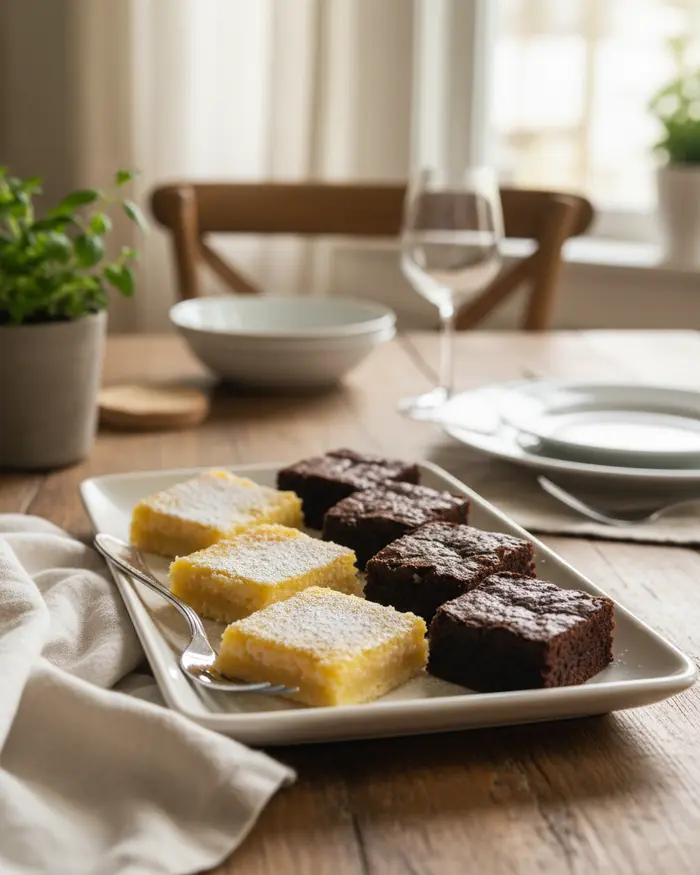
Homemade lemon bars stay fresh for about 3-4 days when stored properly. Keep them in an airtight container in the fridge—that custard topping needs to stay cool. Layer them between sheets of parchment paper if you’re stacking to prevent them from sticking together.
Here’s something most people don’t know: lemon brownies actually taste better the next day. The flavors meld together and the texture becomes even more perfect as they rest. I always make mine a day ahead if I’m bringing them somewhere special.
Can you freeze them? Absolutely! Wrap individual squares tightly in plastic wrap, then store in a freezer bag for up to 3 months. Thaw in the fridge overnight before serving. The texture holds up remarkably well, though the powdered sugar topping might need a refresh.
Common Mistakes and How to Avoid Them
The biggest mistake I see with easy lemon bars is overbaking the crust. That bottom layer should be just barely golden, not deep brown. A pale golden crust stays tender and buttery instead of turning hard and crumbly. Set a timer and check it 2 minutes early.
Another common issue is weeping—when liquid separates from the custard and pools on top. This happens when you overbake or cool too quickly. Let your bars cool gradually at room temperature before refrigerating, and they’ll set up beautifully without weeping.
Don’t forget to whisk your eggs and sugar together really well before adding the lemon juice. You want the mixture to be pale and slightly thickened. This creates a stable emulsion that bakes into silky custard instead of scrambling. Take your time here—it matters.
Using cold butter straight from the fridge in your crust? That’s a rookie move. Room temperature butter creates a better, more cohesive dough that presses evenly into your pan. Cold butter leaves you with lumpy patches that bake unevenly and nobody wants that.
Serving Suggestions That Wow
The classic powdered sugar dusting is traditional for a reason—it’s gorgeous and adds just a touch more sweetness. But try this: use a stencil to create patterns with the sugar. Stripes, polka dots, or even lettering for special occasions. It takes 30 seconds and looks so impressive.
Serve your lemon brownies with a dollop of whipped cream and fresh berries for an elegant dessert that feels fancy but requires zero extra effort. The cream’s richness balances the tart lemon perfectly, and those bright berries make everything look Instagram-worthy.
For a grown-up twist, make a limoncello glaze by mixing powdered sugar with a tablespoon of limoncello liqueur. Drizzle it over cooled bars in a zigzag pattern. The subtle boozy kick takes these treats from bake sale to dinner party territory instantly.
Try cutting your bars into different shapes for variety. Triangles look elegant, rectangles are classic, and tiny bite-sized squares are perfect for parties where people want to sample multiple desserts. Different shapes, same delicious flavor.
Why These Recipes Work Together
The beauty of this lemon bars recipe collection is how they complement each other for different occasions. Traditional bars are perfect when you need that classic taste everyone recognizes, while lemon brownies offer a fun twist that gets people talking.
Both treat families use similar ingredients, so you’re not buying a bunch of specialty items. Lemons, butter, eggs, sugar, flour—that’s basically your whole shopping list. Once you’ve got these staples, you can whip up either version whenever the craving hits.
They’re also incredibly forgiving recipes. Even if your bars crack a little or your brownies aren’t perfectly uniform, they still taste amazing. That’s what I love about homemade lemon bars—they’re rustic and imperfect and absolutely delicious just the way they are.
Start Baking Your Way Through This Collection
Ready to fill your kitchen with that incredible lemony aroma? Start with the lemon brownies recipe if you want something a little different from the traditional bar. The brownie texture makes them perfect for afternoon snacking or packing in lunchboxes.
I’d love to hear which version becomes your favorite! Drop a comment below and let me know if you prefer the classic bar approach or the brownie twist. And if you come up with any creative variations, definitely share those too—I’m always looking for new ideas to try.
Don’t forget to share your baking adventures on social media and tag your creations. There’s something special about connecting with other bakers who appreciate the simple joy of a perfectly tangy, sweet lemon treat. Happy baking, friends!
Frequently Asked Questions
What is the difference between lemon bars and brownies?
Lemon bars are tangy dessert bars with a shortbread crust and a citrus custard topping, while brownies are rich chocolate-based bars with a dense, fudgy or cake-like texture. Lemon bars are light and refreshing, whereas brownies are indulgent and chocolatey.
How should I store lemon bars and brownies?
Both lemon bars and brownies should be stored in airtight containers. Lemon bars must be refrigerated due to their custard filling and will keep for 3-4 days. Brownies can be kept at room temperature for 3-4 days or refrigerated for up to a week. Both can be frozen for up to 3 months.
Can I make lemon bars and brownies ahead of time?
Yes, both desserts are excellent make-ahead options. Lemon bars can be made 1-2 days in advance and stored in the refrigerator. Brownies can be baked 2-3 days ahead and stored at room temperature or refrigerated. Both actually taste better after the flavors have had time to develop.
Why are my lemon bars runny or my brownies too dry?
Runny lemon bars usually result from underbaking or incorrect proportions of eggs and lemon juice. Ensure the filling is set before removing from the oven. Dry brownies are typically caused by overbaking or too much flour. Check brownies a few minutes before the recommended baking time and use a toothpick test.
Can I substitute ingredients in lemon bars and brownie recipes?
For lemon bars, you can use lime juice instead of lemon for a different citrus flavor. In brownies, you can substitute butter with coconut oil or use dark chocolate instead of cocoa powder. However, structural ingredients like eggs, flour, and sugar ratios should remain consistent for best results.