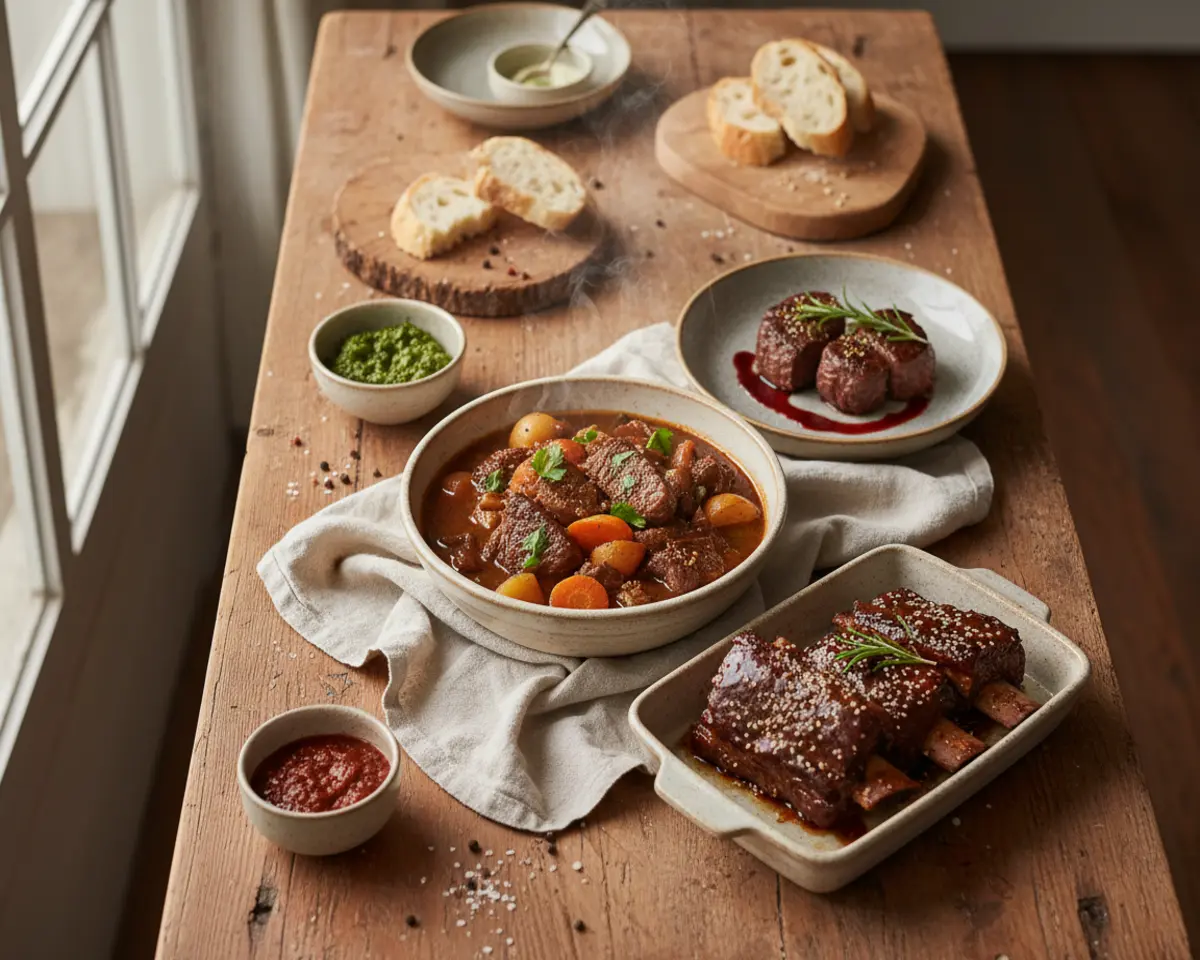
Perfect Beef Recipes
Your comprehensive resource for mastering beef recipes from weeknight ground beef meals to restaurant-worthy steaks and special occasion roasts.
Your comprehensive resource for mastering beef recipes from weeknight ground beef meals to restaurant-worthy steaks and special occasion roasts.
Table of Contents
The smell of beef sizzling in a hot pan takes me straight back to Sunday dinners at my grandmother’s house. She had this magical way of transforming a simple cut of beef into something extraordinary, whether it was her famous pot roast that fell apart at the touch of a fork or those perfectly seared steaks that made every birthday feel special.
Those kitchen memories taught me that cooking beef isn’t about fancy techniques or expensive cuts. It’s about understanding what you’re working with and knowing how to bring out its best qualities.
After fifteen years of cooking beef recipes for my family and testing hundreds of methods in my own kitchen, I’ve learned that beef is one of the most forgiving and versatile proteins you can master. From quick ground beef dinners that save busy weeknights to impressive roasts that anchor holiday tables, beef recipes offer something for every skill level and occasion.
This guide brings together everything I’ve discovered about selecting, preparing, and cooking beef with confidence.
Whether you’re a complete beginner wondering how to brown ground beef properly or an experienced cook ready to master the perfect steak, you’ll find the guidance and inspiration you need right here. Let’s explore the wonderful world of beef recipes together and discover your new family favorites.
The Quick Guide
Here’s what you need to know about cooking beef recipes successfully:
- Ground beef is your weeknight hero – budget-friendly, cooks in minutes, and works in countless dishes from tacos to casseroles
- Steaks deliver restaurant-quality meals at home with just a hot pan and proper timing
- Slow-cooked cuts like chuck roast transform tough meat into tender, flavor-packed dinners with minimal effort
- Temperature matters more than time – invest in a meat thermometer for consistent results
- Resting meat after cooking redistributes juices and improves every single beef recipe you make
Understanding Beef Recipes
Beef recipes span an incredible range from everyday comfort food to celebration-worthy centerpieces. What makes beef special is its deep, savory flavor that satisfies in a way few other proteins can match. The rich taste of properly cooked beef pairs beautifully with everything from simple salt and pepper to complex spice blends and aromatic herbs.
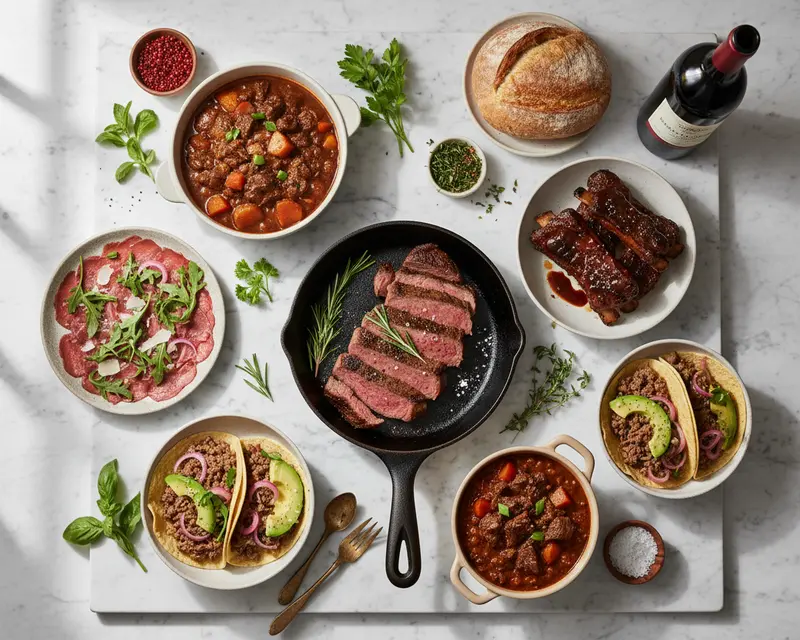
The versatility of beef recipes comes from the variety of cuts available. Ground beef gives you quick-cooking convenience for tacos, burgers, meatballs, and casseroles. Steaks offer that special-occasion appeal with relatively quick cooking times. Roasts and tougher cuts reward patience with incredibly tender, flavorful results.
Each category of beef recipes serves different needs in your cooking life.
You’ll reach for beef recipes when you want something hearty and satisfying. Cold winter nights call for slow-cooked beef stews and pot roasts. Summer weekends are perfect for grilled steaks and burgers. Busy weeknights need those reliable ground beef recipes that come together in thirty minutes or less.
Understanding which beef recipes fit which situations helps you build a practical cooking repertoire.
What sets beef apart is how it responds to different cooking methods. High heat creates beautiful caramelization on steaks and roasts. Low, slow cooking breaks down tough connective tissue into melt-in-your-mouth tenderness. Ground beef recipes offer the fastest path from package to plate. Learning these basic principles unlocks hundreds of possible beef recipes.
Beef Dinners
Everything you need to create satisfying beef-based meals that bring your family to the table happily. Explore our complete collection of beef dinners featuring recipes from quick weeknight solutions to impressive company-worthy main courses that showcase beef at its absolute best.
Beef dinners range from comforting casseroles and hearty stews to elegant roasts and flavorful stir-fries. These recipes focus on complete meal solutions where beef plays the starring role, paired with complementary sides and vegetables. You’ll find options for every cooking method including stovetop, oven, slow cooker, and pressure cooker preparations.
These beef dinner recipes work perfectly when you need reliable main dishes that satisfy appetites and use ingredients you probably already have. They’re ideal for meal planning because many options reheat beautifully or can be prepped ahead. Whether feeding picky kids or entertaining guests, beef dinners deliver the comfort and satisfaction everyone craves.
Corned Beef Recipes
Discover the unique flavor and versatility of this brined beef specialty beyond traditional holiday meals. Check out these creative corned beef recipes that transform this flavorful cut into everything from classic Reubens to innovative hash variations and comforting casseroles.
Corned beef brings a distinctive salty, spiced flavor that sets it apart from other beef recipes. The brining process tenderizes the meat and infuses it with aromatics like peppercorns, bay leaves, and coriander. While many people only think of corned beef for St. Patrick’s Day, it’s actually perfect year-round for sandwiches, breakfast hashes, and creative leftover transformations.
Choose corned beef recipes when you want bold, savory flavors without much hands-on cooking time. The meat does most of its work simmering gently, making it perfect for busy days when you want a impressive dinner without constant attention. Corned beef also stretches beautifully into multiple meals, making it economical for feeding families.
Steak Recipes
Master the art of cooking perfect steaks with techniques that guarantee restaurant-quality results at home. Dive into our expert steak recipes guide covering everything from selecting the right cuts to achieving your ideal doneness with confidence every single time.
Steak recipes represent the pinnacle of beef cooking for many home cooks. These recipes focus on premium cuts like ribeye, New York strip, filet mignon, and sirloin, teaching you to maximize their natural tenderness and flavor. You’ll learn proper seasoning, when to use marinades, and how different cooking methods affect your final results.
Perfect for special occasions, date nights, or when you simply want to treat yourself to something extraordinary. Steak recipes typically come together quickly but deliver maximum impact. They’re excellent for building cooking confidence because the techniques transfer to other proteins, and nothing impresses dinner guests quite like a perfectly cooked steak.
Expert Category Guide
Understanding how to work with beef successfully starts with mastering a few essential techniques that apply across all beef recipes. These skills will transform your cooking and help you achieve consistent, delicious results every time you prepare beef.
Essential Techniques
Proper browning creates the foundation of flavor in beef recipes. Whether you’re searing a steak or browning ground beef, you need a hot pan and dry meat. Pat beef dry with paper towels before it hits the pan. Don’t crowd your cooking surface or the meat will steam instead of brown, losing that crucial caramelization that develops deep, savory flavor.
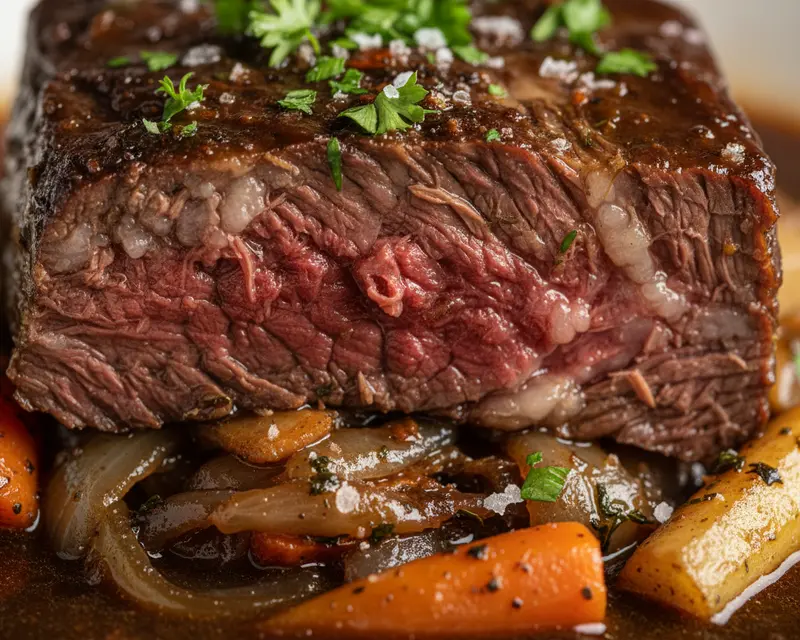
Temperature control separates okay beef recipes from outstanding ones. Bring steaks and roasts to room temperature before cooking for even results. Use a reliable meat thermometer rather than guessing. For ground beef recipes, medium-high heat browns effectively without burning. For steaks, blazing hot pans or grills create that perfect crust while keeping interiors juicy.
Resting meat after cooking is the most overlooked step in beef recipes. When you pull beef from heat, juices rush to the center. Cutting immediately sends those juices onto your cutting board instead of staying in the meat. Rest steaks for five to ten minutes, larger roasts for fifteen to twenty. This simple patience makes every beef recipe dramatically better.
Slicing against the grain ensures tenderness in any beef recipe. Look closely at cooked beef and you’ll see lines running through it. Those are muscle fibers. Cutting perpendicular to those lines shortens the fibers, making each bite more tender. This matters especially with tougher cuts but improves even premium steaks.
Ingredient Spotlight
Ground beef appears in more recipes than any other beef form, and understanding fat content changes everything. Eighty-five percent lean works beautifully for most ground beef recipes, offering flavor without excessive grease. Ninety percent lean suits recipes where you’re adding fats like cheese or cream. Eighty percent lean makes the juiciest burgers but may need draining in some beef recipes.
Chuck roast delivers incredible value and flavor for slow-cooked beef recipes. This shoulder cut contains enough connective tissue and marbling to become impossibly tender with long, gentle cooking. It’s the secret behind memorable pot roasts, shredded beef, and hearty stews. Chuck transforms from tough to tender magic when you give it time.
Ribeye steaks bring generous marbling that bastes the meat from within as it cooks. That internal fat creates the rich, buttery texture ribeye fans crave. These steaks forgive slight overcooking better than leaner cuts, making them excellent for building confidence with steak recipes. The combination of tenderness and flavor makes ribeye a consistent favorite.
Sirloin strikes a balance between economy and quality across many beef recipes. It costs less than premium steaks but delivers good flavor when not overcooked. Sirloin works wonderfully in fajitas, stir-fries, and anywhere you’re slicing beef thin. It’s also a smart choice for feeding crowds without breaking your budget.
Seasonal Considerations
Summer calls for grilled beef recipes that take advantage of outdoor cooking weather. Fire up the grill for steaks, burgers, and kebabs. The high, direct heat creates delicious char and keeps kitchens cool. Summer beef recipes often pair with fresh vegetables and lighter sides, keeping meals from feeling too heavy despite warm temperatures.
Fall and winter embrace slow-cooked beef recipes that fill homes with comforting aromas. As temperatures drop, reach for pot roasts, beef stews, and braised dishes. These beef recipes transform affordable cuts into satisfying comfort food perfect for cozy family dinners. The long cooking times welcome you home with incredible smells.
Holiday seasons spotlight special beef recipes like prime rib roasts and elegant beef tenderloin. These centerpiece beef recipes create memorable celebrations and often feed larger gatherings. Plan ahead for these beef recipes since premium cuts may need advance ordering. The investment pays off in impressed guests and holiday magic.
Year-round versatility keeps beef recipes in rotation regardless of season. Ground beef recipes work any month, fitting endless cuisines and cooking styles. Sheet pan beef dinners suit busy school nights. Quick-cooking steak recipes deliver satisfaction when you need dinner fast. This reliability makes beef recipes kitchen staples.
Skill Level Guide
Beginners should start with ground beef recipes that build confidence through simplicity and forgiveness. Browning ground beef teaches heat control and proper seasoning without the pressure of expensive cuts. Dishes like tacos, spaghetti sauce, and beef casseroles let you practice fundamental skills while creating family-friendly meals. These beef recipes succeed even with small mistakes.
Intermediate cooks can tackle beef recipes involving whole muscle cuts and more precise techniques. Try pan-seared steaks where you’ll learn to judge doneness and create pan sauces. Experiment with braised beef recipes that teach patience and layering flavors. Roasts introduce meat thermometers and carving skills. These beef recipes expand your capabilities significantly.
Advanced beef recipes challenge you with premium cuts and restaurant techniques. Master reverse-searing thick steaks for edge-to-edge perfection. Create complex beef recipes with multiple components and sophisticated flavor building. Experiment with dry-aging or sous vide cooking.
These beef recipes showcase your developed skills and deepen your understanding of how beef responds to different approaches.
Regardless of level, every cook should understand that beef recipes improve through practice and observation. Pay attention to how your beef looks, smells, and feels at different stages. Notice which techniques work best in your kitchen with your equipment. The most valuable education in beef recipes comes from actively engaging with the cooking process.
Storage and Make-Ahead Tips
Raw beef keeps safely refrigerated for three to five days after purchase. Store it in the coldest part of your refrigerator, usually the back of the bottom shelf. Keep beef in its original packaging or rewrap tightly to prevent air exposure. If you won’t use beef within that window, freeze it immediately rather than waiting until the last day.
Freezing extends beef storage to several months when done properly. Wrap beef tightly in plastic wrap, then add a layer of aluminum foil or place in freezer bags with air pressed out. Label packages with contents and date. Ground beef freezes successfully for three to four months. Steaks and roasts maintain quality for six to twelve months.
Frozen beef requires thorough thawing in the refrigerator before cooking.
Cooked beef recipes store beautifully for meal prep and leftovers. Most beef dishes keep refrigerated for three to four days in airtight containers. Cool beef recipes completely before refrigerating to prevent bacterial growth. Many beef recipes like stews and braised dishes taste even better the next day as flavors meld together.
Reheating beef recipes requires gentle warmth to prevent toughness and dryness. Use low oven temperatures around three hundred degrees for roasts and steaks, covering with foil to trap moisture. Microwave ground beef recipes at fifty percent power, stirring occasionally. Add small amounts of broth or water to beef recipes that seem dry.
Proper reheating keeps leftovers nearly as good as fresh-cooked meals.
Comparison and Selection Guide
Choosing between different beef recipes depends on your specific needs for any given meal. Understanding when to select each category helps you plan effectively and achieve the results you want.
Choose beef dinners when you need complete meal solutions that feed families or groups. These recipes work perfectly for weekly meal planning because they often include vegetables and starches alongside the beef, creating balanced plates. Beef dinners shine when you want comfort food or need to satisfy hearty appetites without multiple dishes. They’re your go-to for reliable, crowd-pleasing meals.
Choose corned beef recipes when you want distinctive flavor without hands-on cooking time. The long, gentle simmering requires patience but minimal attention, making corned beef perfect for busy days when you’re home but need to multitask. These recipes also excel at stretching into multiple meals.
If you love bold, savory flavors and appreciate leftovers that transform into new dishes, corned beef recipes deliver excellent value.
Choose steak recipes when you want to create something special quickly. Steaks cook in minutes, making them ideal for last-minute impressive dinners or when you’re craving restaurant-quality beef at home. These recipes suit smaller households well since you can cook exactly the portions needed.
Pick steak recipes for celebrations, date nights, or simply when you want to treat yourself without spending hours in the kitchen.
Consider your available time when selecting beef recipes. Ground beef recipes typically finish fastest, often in thirty minutes or less. Steak recipes need only minutes of active cooking but benefit from time to come to room temperature first. Slow-cooked beef dinners and corned beef recipes require hours but most of that time is unattended.
Match the recipe category to your schedule for best results.
Budget considerations help guide beef recipe selection too. Ground beef recipes offer the most economical option, stretching affordable meat into multiple servings. Chuck roasts and similar cuts used in slow-cooked beef dinners provide excellent value when you have time. Steak recipes cost more per serving but create special-occasion magic.
Corned beef falls somewhere in the middle, especially considering how leftovers extend the initial purchase.
Think about skill level honestly when choosing beef recipes. Comfortable with basic cooking? Ground beef recipes and simple beef dinners work wonderfully. Ready to develop technique? Steak recipes teach precision and timing. Want low-stress entertaining? Corned beef recipes and slow-cooked beef dinners mostly take care of themselves.
Challenging yourself grows skills while staying within your comfort zone ensures success.
Dietary needs and preferences influence beef recipe selection. Those watching fat intake might prefer lean ground beef recipes or sirloin-based dishes. Low-carb diets embrace steak recipes and beef dinners built around vegetables. Corned beef recipes tend to be higher in sodium due to the brining process. Most beef recipes adapt well to various dietary approaches with simple modifications.
The occasion matters significantly in choosing beef recipes. Casual weeknight dinners call for straightforward ground beef recipes or quick beef dinners. Weekend family meals might feature slow-cooked pot roasts or braised dishes. Entertaining guests shines with impressive steak recipes or elegant beef dinners. Holiday gatherings traditionally embrace special beef recipes like prime rib.
Match your recipe category to the formality and importance of the meal.
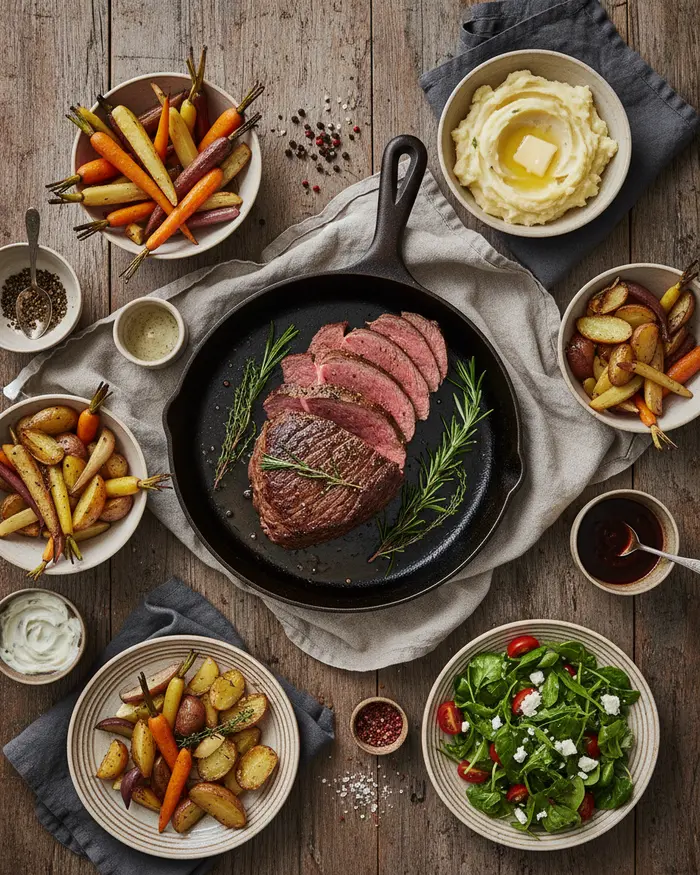
You’ve just gained a comprehensive foundation in beef recipes that covers everything from weeknight ground beef meals to special-occasion steaks. This guide connects you with three complete recipe collections, each packed with tested techniques and foolproof instructions.
Whether you’re feeding hungry kids on Tuesday night or planning a celebration dinner, you now know exactly which category of beef recipes will deliver success.
Start with the category that matches your immediate needs. Craving comfort food tonight? Dive into beef dinners for hearty, satisfying meals. Planning weekend cooking? Explore corned beef recipes for flavorful, hands-off options. Ready to impress? Master steak recipes for restaurant-quality results.
Each collection builds your confidence and expands your cooking repertoire with approachable, delicious beef recipes.
Save this guide for easy reference when meal planning or trying something new with beef. Pin your favorite sections to create your personal beef recipes roadmap. Most importantly, get into the kitchen and start cooking. The best way to master beef recipes is through practice, and your family will love every delicious experiment along the way.
Which category of beef recipes will you explore first? Will you perfect your weeknight ground beef game, dive into the unique flavors of corned beef, or master the art of cooking steaks? Drop a comment and share what you’re most excited to try!
Frequently Asked Questions
What is the best cut of beef for slow cooking?
Chuck roast is ideal for slow cooking due to its marbling and connective tissue. These break down during long cooking times, creating tender, flavorful meat. Other excellent choices include brisket, short ribs, and round roast. These tougher cuts become incredibly tender when braised or slow-cooked for several hours.
How do I make beef tender when cooking?
To tenderize beef, use marinades with acidic ingredients like vinegar or citrus juice. Cook tougher cuts low and slow, or use a meat mallet to break down fibers. Let meat rest after cooking to retain juices. Slicing against the grain also makes beef more tender. Avoid overcooking lean cuts as they become tough.
What temperature should beef be cooked to?
Beef doneness varies by preference. Rare is 125 degrees Fahrenheit, medium-rare is 135, medium is 145, medium-well is 150, and well-done is 160. Ground beef should reach 160 degrees for safety. Use a meat thermometer for accuracy. Remember that beef continues cooking after removal from heat, so remove it 5 degrees before target.
How long should I marinate beef?
Marinate beef for 2 to 24 hours depending on the cut and marinade strength. Thin cuts like flank steak need 2-4 hours, while thicker cuts benefit from overnight marinating. Avoid marinating longer than 24 hours as acids can make meat mushy. Always marinate in the refrigerator, never at room temperature.
What are the healthiest beef cooking methods?
Grilling, broiling, and roasting are healthy cooking methods that require minimal added fat. These techniques allow excess fat to drip away from the meat. Stir-frying with lean cuts uses little oil while maintaining flavor. Braising with vegetables adds nutrients. Choose lean cuts and trim visible fat before cooking.