Soup Recipes
There’s something magical about the sound of soup simmering on the stove on a chilly evening. I still remember my grandmother’s kitchen on winter Sundays, where
Discover the heartwarming world of soup recipes with this comprehensive guide to creating delicious homemade soups for every occasion, skill level, and season.
Table of Contents
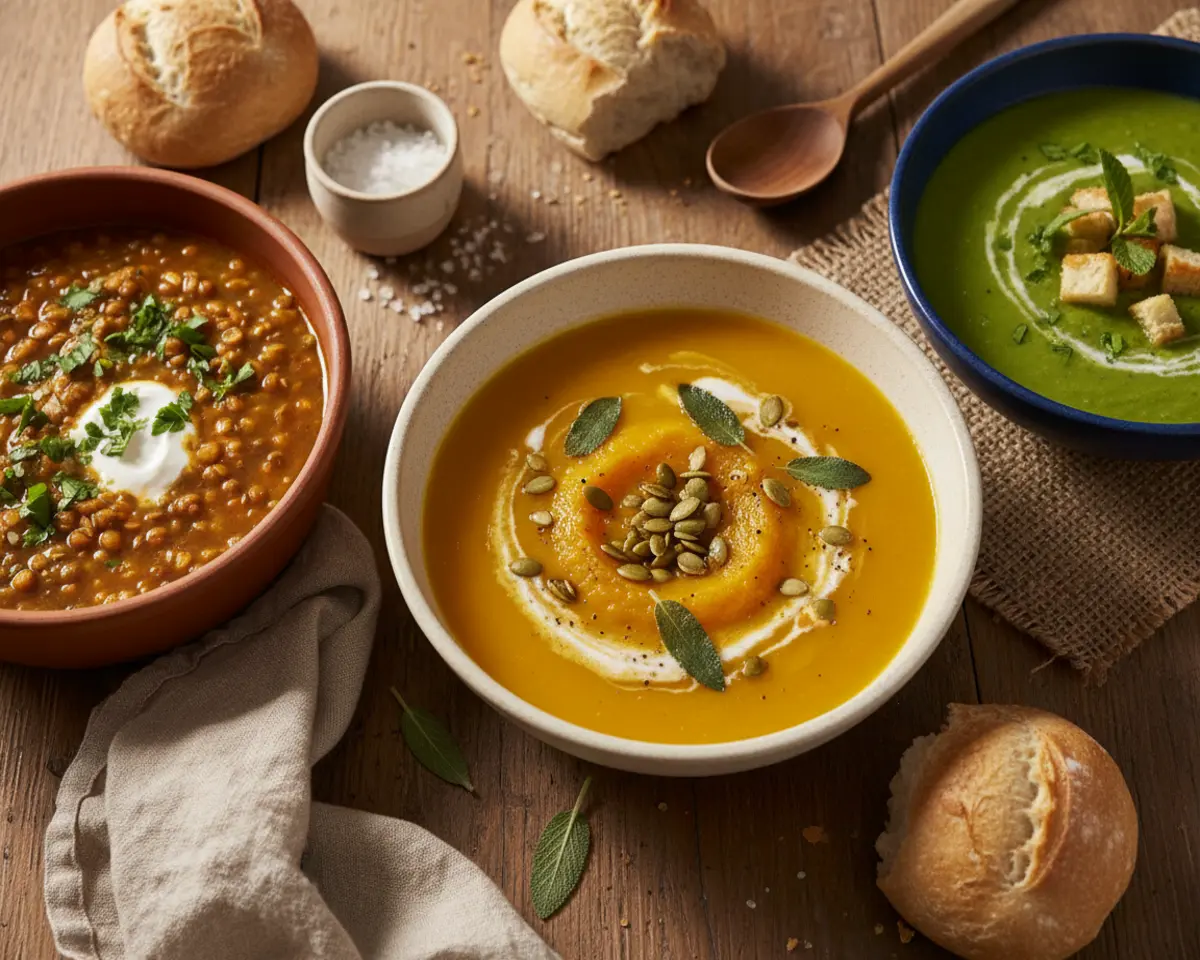
There’s something magical about the sound of soup simmering on the stove on a chilly evening. I still remember my grandmother’s kitchen on winter Sundays, where three different pots bubbled away, filling the house with layers of comfort and warmth. She’d say soup was the heart of a home, and after years of creating my own soup recipes, I couldn’t agree more.
Whether you’re craving something quick for a weeknight dinner or planning to master complex flavor profiles, recipes offer endless possibilities. From creamy potato soups that hug you from the inside to spicy chicken chilis that wake up your taste buds, there’s a soup for every mood, season, and skill level.
This guide brings together everything you need to navigate the wonderful world of homemade soup recipes. I’ve spent countless hours testing techniques, perfecting timing, and discovering what makes each type of soup truly special. Let’s explore this together.
The Quick Guide
Before we dive deep into the world of soup recipes, here are the essentials you need to know:
- Soup recipes fall into three main categories: broth-based (like chicken soups), cream-based (like potato soups), and hearty stews (like chili)
- Most homemade soup recipes take 30-60 minutes from start to finish, with easy soup recipes ready in under 30 minutes
- The foundation of great recipes starts with proper layering of flavors through aromatics, quality stock, and fresh ingredients
- Quick recipes often use pre-cooked proteins and canned ingredients, while traditional versions build flavor through longer simmering
- Almost all soup recipes freeze beautifully, making them perfect for meal prep and busy weeknights
Understanding Soup Recipes
Soup recipes represent one of the most versatile categories in home cooking. They span cultures, seasons, and cooking styles, offering something for everyone from beginner cooks to seasoned chefs.
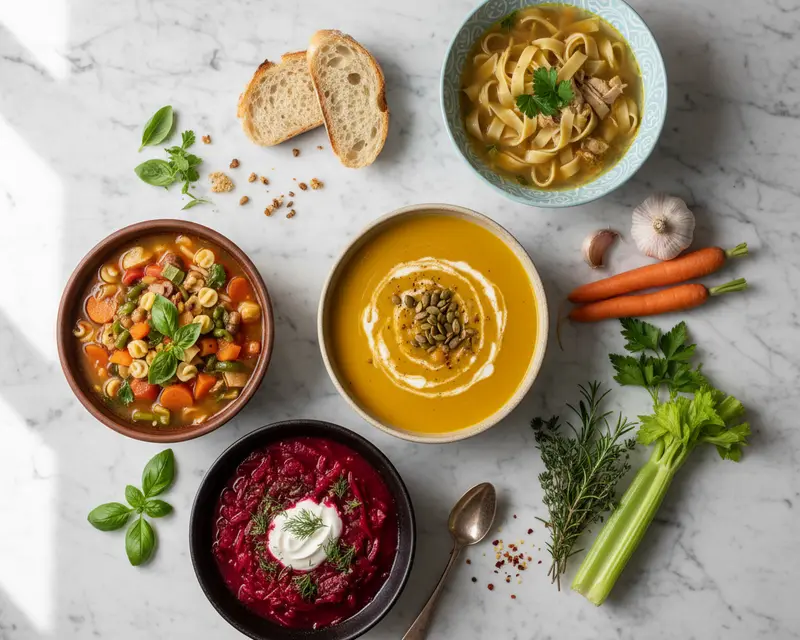
What makes soup recipes so special is their forgiving nature. Unlike baking, where precision matters, soups welcome experimentation and adjustment. You can adapt most homemade recipes based on what’s in your pantry, dietary preferences, or seasonal availability.
The beauty of soup recipes lies in their adaptability to your schedule. Easy recipes come together quickly for weeknight dinners, while weekend projects allow you to develop deep, complex flavors through slow simmering. Both approaches create satisfying meals.
Soup recipes also shine nutritionally. They’re perfect vehicles for vegetables, lean proteins, and legumes. The cooking liquid captures nutrients that might otherwise be lost, and the warmth aids digestion while providing comfort that goes beyond simple nutrition.
Chicken Soups Chili
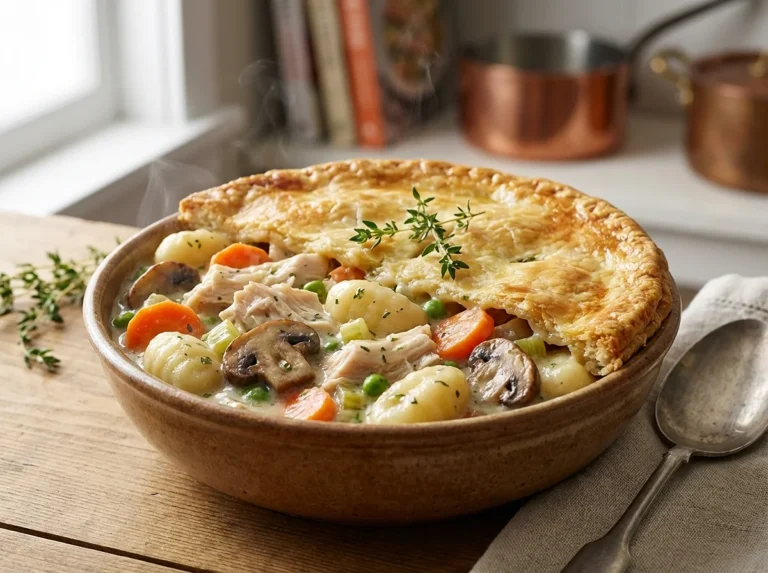
When you want hearty, protein-packed comfort in a bowl, chicken soups and chili recipes deliver bold flavors and satisfying textures. These recipes range from gentle chicken noodle soups perfect for cold days to spicy chicken chilis that bring serious heat and substance to your table.
This category shines when you need crowd-pleasing dishes that work for casual family dinners or game-day gatherings. The chicken base provides lean protein while absorbing the flavors you layer in, from aromatic vegetables to warming spices.
Perfect for home cooks who want flexibility, these homemade recipes adapt easily to different spice levels and ingredient preferences. You can make them as mild or fiery as your family enjoys, and they’re ideal for using rotisserie chicken when you need quick soup recipes.
Easy Soup Recipes
For busy weeknights when you want homemade comfort without hours of work, easy soup recipes are your best friends. These streamlined versions deliver maximum flavor with minimal fuss, often ready in 30 minutes or less from start to finish.
These recipes excel at using pantry staples and simple techniques that don’t sacrifice taste for speed. They’re perfect for beginner cooks building confidence or experienced home cooks who need dinner on the table fast after a long day.
The genius of easy recipes lies in smart shortcuts like canned beans, pre-chopped vegetables, and quality store-bought stocks. These time-savers let you create delicious homemade soup recipes that taste like they simmered all day, even when they didn’t.
Potato Soups
Rich, creamy, and endlessly comforting, potato soup recipes represent the ultimate in cozy, satisfying meals. These homemade recipes transform humble potatoes into velvety bowls of pure comfort, whether you prefer them chunky and rustic or silky smooth.
These recipes shine during fall and winter months, though they’re welcome year-round. The starchy potatoes create natural creaminess, which means you can make lighter versions without sacrificing that luxurious texture people crave in comfort soups.
Ideal for home cooks who appreciate classic flavors with room for creativity, potato soups welcome toppings and mix-ins. From bacon and cheese to herbs and sour cream, these soup recipes become blank canvases for your favorite flavor combinations.
Expert Category Guide
Creating exceptional recipes requires understanding fundamental techniques that apply across all varieties. These core skills transform simple ingredients into memorable meals.

Essential Techniques
The foundation of great homemade recipes starts with proper sautéing of aromatics. Cooking onions, garlic, carrots, and celery in fat until softened releases their flavors and creates the flavor base that makes soup recipes truly satisfying.
Layering flavors throughout the cooking process separates good soups from exceptional ones. Adding herbs and spices at different stages builds complexity. Fresh herbs go in near the end, while dried spices benefit from toasting in the initial sauté.
Achieving the right consistency requires balancing liquid and solids. For easy soup recipes, remember you can always add more liquid but removing excess takes time. Start with less stock than you think you need, then adjust as the recipes simmer.
Seasoning properly makes the difference between bland and brilliant. Taste your soup recipes multiple times during cooking, adjusting salt and acid. A squeeze of lemon juice or splash of vinegar at the end brightens flavors remarkably.
Ingredient Spotlight
Quality stock forms the backbone of exceptional recipes. Homemade stock provides unmatched depth, but good store-bought versions work perfectly for quick soup recipes. Look for low-sodium options so you control the final seasoning.
Aromatics including onions, carrots, and celery create the flavor foundation. These vegetables appear in countless recipes because they provide sweetness, earthiness, and complexity that support other ingredients without overwhelming them.
Fresh herbs transform soup recipes from ordinary to memorable. Parsley, thyme, and bay leaves work in most homemade recipes, while cilantro, basil, and dill shine in specific ethnic variations. Add hardy herbs early, delicate ones at the end.
Acid brightens and balances soup recipes beautifully. Tomatoes, wine, citrus juice, or vinegar added near the end of cooking wake up flavors and add dimension. This simple trick elevates easy soup recipes significantly.
Seasonal Considerations
Winter calls for hearty, warming soup recipes featuring root vegetables, dried beans, and rich broths. These homemade soup recipes provide comfort during cold months, and their longer cooking times warm your kitchen while developing deep flavors.
Spring recipes celebrate tender vegetables and fresh herbs. Lighter broths showcase asparagus, peas, and spring onions. These quick recipes require less simmering time since the delicate vegetables cook rapidly and taste best when just tender.
Summer soups can be served chilled or feature peak-season produce. Tomato-based soup recipes shine now, as do versions highlighting zucchini, corn, and fresh basil. These easy soup recipes often require minimal cooking to preserve bright, fresh flavors.
Fall brings soup season into full swing. Squash, pumpkin, and sweet potato recipes capture autumn’s essence, while the return of cooler weather makes simmering homemade soup recipes appealing again after summer’s heat.
Skill Level Guide
Beginner cooks should start with easy recipes featuring simple ingredient lists and straightforward techniques. Basic vegetable soups, simple chicken soups, and broth-based versions build confidence while teaching fundamental skills that apply to more complex soup recipes.
Intermediate home cooks can tackle soup recipes requiring more steps like making roux, pureeing hot liquids, or balancing complex spice blends. These homemade recipes teach timing, layering flavors, and achieving ideal consistency through reduction or thickening.
Advanced recipes involve techniques like clarifying stocks, creating emulsified bases, or developing flavors through multiple cooking methods. These sophisticated recipes reward patience with restaurant-quality results and deep satisfaction from mastering complex processes.
Progression happens naturally as you make more recipes. Each pot teaches you about flavor development, timing, and ingredient interaction. Don’t rush the learning process, these skills build organically through practice and experimentation.
Storage and Make-Ahead Tips
Most soup recipes store beautifully, making them ideal for meal prep. Cool soups completely before refrigerating, dividing large batches into smaller containers for faster cooling. Properly stored homemade recipes last four days refrigerated.
Freezing extends the life of soup recipes for up to three months. Leave headspace in containers since liquids expand when frozen. Avoid freezing cream-based soups or those with pasta, as these ingredients don’t thaw well. Add these components when reheating instead.
For quick soup recipes that you’ll eat within days, undercook vegetables slightly. They’ll soften during reheating and maintain better texture. This trick works especially well with potato soups and other vegetable-forward recipes.
Flavors often improve overnight as ingredients meld. Many homemade soup recipes actually taste better the second day. Plan ahead by making soup recipes the day before you need them for even more developed flavors.
Comparison and Selection Guide
Choosing between different recipes depends on your specific needs, available time, and desired outcome. Understanding what each category offers helps you select the perfect soup for any situation.
Choose chicken soups and chili when you need hearty, protein-rich meals that satisfy hungry appetites. These soup recipes work wonderfully for casual gatherings, game days, or when you’re feeding a crowd. They’re substantial enough to serve as complete meals with just bread or crackers alongside.
Select easy recipes when time is tight but you still want homemade comfort. These quick soup recipes deliver satisfying results in 30 minutes or less, making them perfect for weeknight dinners. They’re ideal for beginner cooks or busy families needing reliable, fast homemade soup recipes.
Pick potato soups when you crave creamy comfort and have slightly more time. These homemade soup recipes require about 45 minutes but deliver rich, satisfying results. They’re perfect for cozy weekend meals, lunch with friends, or anytime you want that classic, velvety soup texture.
Consider dietary needs when selecting recipes. Broth-based chicken soups work for low-carb diets, while potato soups can be made dairy-free using plant milk. Easy recipes often adapt most readily to dietary restrictions since their simpler ingredient lists make substitutions straightforward.
Think about skill level honestly. If you’re building confidence, start with easy soup recipes before tackling more complex versions. Each successful pot builds skills that transfer to more advanced homemade recipes, creating a natural progression in your cooking journey.
Seasonal ingredients influence soup recipe selection significantly. Cold weather calls for heartier versions like chicken chili, while milder days suit lighter easy soup recipes. Shopping seasonally not only improves flavor but also reduces costs for your homemade soup recipes.
Equipment matters too. All these soup recipes work in standard pots, but immersion blenders make creamy potato soups easier. Slow cookers adapt well to chicken soups and chili, while pressure cookers speed up traditionally slow-simmered soup recipes dramatically.
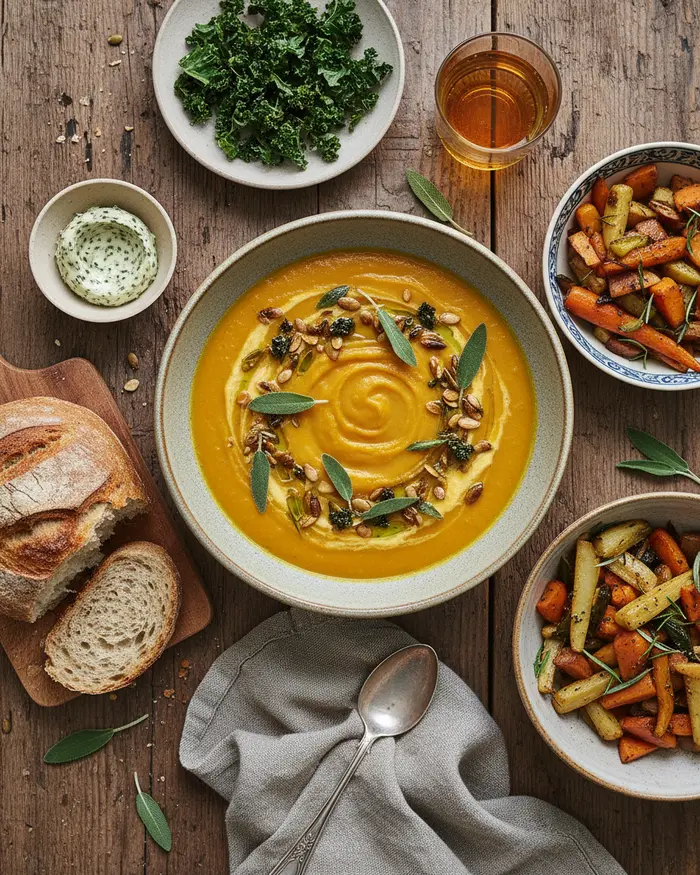
Start Your Soup Journey Today
The world of offers endless opportunities for delicious, comforting meals that bring warmth to your table and joy to your kitchen. Whether you explore hearty chicken soups and chili, dive into easy recipes for busy nights, or master the art of creamy potato soups, each pot teaches you something new.
These homemade recipes adapt to your life, your schedule, and your preferences. They welcome experimentation while forgiving mistakes, making them perfect companions on your cooking journey. The beauty of soup recipes lies in their flexibility and the confidence they build with each successful batch.
Save this guide for reference as you explore different recipes throughout the seasons. Pin your favorite categories to try later, and don’t hesitate to experiment with flavors and ingredients. The best homemade recipes often come from trying something new.
Which soup recipes will you make first? Whether you start with quick soup recipes for tonight’s dinner or plan a weekend project perfecting chicken chili, your kitchen is about to smell absolutely amazing. Share your soup adventures and let me know which category becomes your favorite comfort food this season.
Frequently Asked Questions
How long can homemade soup be stored in the refrigerator?
Homemade soup can be safely stored in the refrigerator for 3-4 days when kept in an airtight container. Allow the soup to cool completely before refrigerating. For longer storage, freeze soup for up to 3 months. Label containers with the date and reheat thoroughly before serving.
What is the best way to thicken soup that is too watery?
There are several methods to thicken soup: add a cornstarch slurry, mix in mashed potatoes or cooked rice, puree some vegetables from the soup and stir back in, use a roux of butter and flour, or simmer uncovered to reduce liquid. Each method adds different texture and flavor.
Can I substitute fresh herbs with dried herbs in soup recipes?
Yes, you can substitute dried herbs for fresh in soup recipes. The general rule is to use one-third the amount of dried herbs as fresh since dried herbs are more concentrated. Add dried herbs early in cooking to allow flavors to develop, while fresh herbs work best when added near the end.
What are the essential ingredients for making a flavorful soup base?
A flavorful soup base starts with aromatics like onions, garlic, carrots, and celery. Use quality stock or broth as your liquid foundation. Add herbs and spices for depth, include acid like lemon juice or vinegar for brightness, and season with salt and pepper throughout cooking for balanced flavor.
Should vegetables be sauteed before adding to soup?
Sauteing vegetables before adding liquid enhances soup flavor significantly. This process, called sweating, caramelizes natural sugars and develops deeper taste. Cook aromatics like onions, garlic, and celery in oil or butter for 5-7 minutes until softened before adding broth and other ingredients.