Simple Nectarine Cakes
Whether you’re hunting for the perfect nectarine cake recipe to wow weekend guests or just craving something fruity and sweet on a lazy afternoon, nectarine cakes deliver that irresistible combination of juicy stone fruit and tender crumb that makes summer baking so magical.
I still remember the first time I bit into a warm slice of nectarine cake at my neighbor’s garden party. The fruit had caramelized just enough around the edges, creating these jammy pockets of sweetness that mingled with the buttery cake. I practically begged for the recipe on the spot, and honestly, I’ve been hooked on baking with nectarines ever since.
There’s something about nectarines that feels both fancy and approachable. They’re like peaches’ sophisticated cousin, no fuzz to deal with, gorgeous color, and they hold their shape beautifully when baked. Plus, they’re usually cheaper at the farmers market, which means more cake for everyone.
Table of Contents
Quick Overview: Everything Nectarine Cake
If you’re enjoying these Nectarine Cakes ideas, you’ll find plenty more inspiration in our complete Perfect Nectarine Recipes. It’s a curated roundup of our favorite approaches across the category.
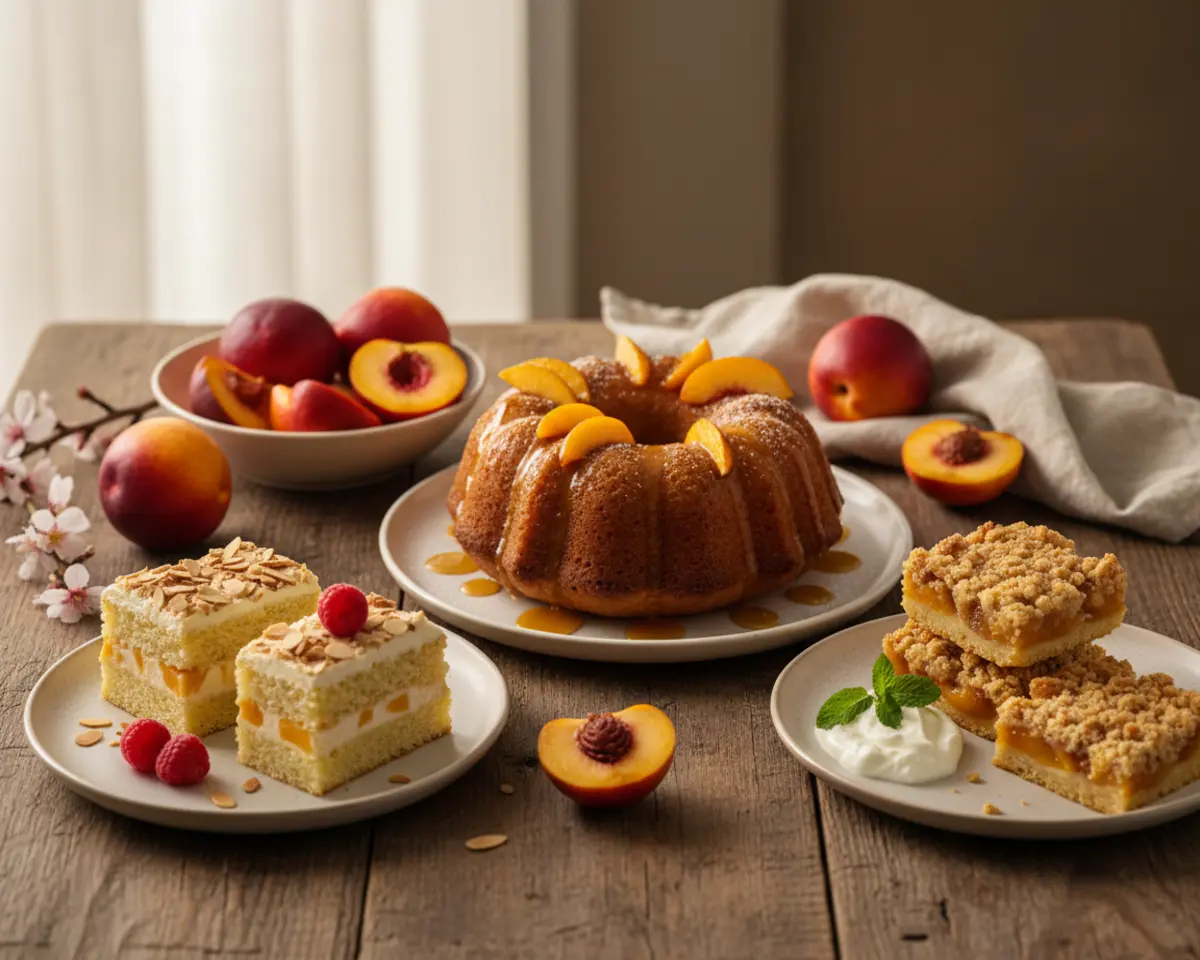
This pillar post is your go-to guide for mastering homemade nectarine cake. We’ll walk through a stunning French-style version that looks like it came from a Parisian bakery, share expert tips on choosing the ripest fruit, and explore variations that work for any skill level or dietary need.
Whether you’re a confident baker or just getting started, you’ll find plenty of inspiration here. Let’s dive into these delicious recipes and turn those gorgeous nectarines into something truly special.
French Nectarine Cake
If you’ve ever dreamed of recreating that elegant dessert you had at a charming café, this is your moment. The French approach to fruit cakes is all about simplicity and showcasing the star ingredient.
This French nectarine cake features a tender, custardy base that lets the nectarine slices shine on top, caramelizing just enough to create a gorgeous golden finish. It’s impressive without being fussy, and honestly, it tastes even better the next day when all those flavors have had time to mingle.

Choosing the Perfect Nectarines for Baking
Here’s a secret that changed my nectarine baking game forever: you don’t want super ripe, soft fruit for cakes. I learned this the hard way after my first attempt turned into a mushy disaster. Instead, look for nectarines that give just slightly when you press them, firm enough to hold their shape but ripe enough to smell sweet.
The color should be vibrant with minimal green, and if you can, smell the stem end. A good nectarine will have that unmistakable peachy-sweet aroma. According to Serious Eats’ guide on stone fruit, nectarines continue to soften after picking but won’t get sweeter, so choose wisely at the store.
If your nectarines are a bit too firm, leave them on the counter for a day or two in a paper bag. They’ll soften up just right. And here’s a pro tip: slightly firmer fruit actually slices more beautifully for those picture-perfect arrangements on top of your cake.
Tips for Baking the Perfect Easy Nectarine Cake
The beauty of an easy nectarine cake is that it’s forgiving and flexible. Room temperature ingredients are your best friend here. Cold butter and eggs won’t mix properly, and you’ll end up with a dense cake instead of that light, tender crumb we’re after.
Don’t skip the step of tossing your nectarine slices with a tiny bit of flour or cornstarch. This helps absorb excess juice and prevents your cake from getting soggy. I also like to arrange the slices in a slightly overlapping pattern, which looks gorgeous and ensures every bite has fruit.
Baking temperature matters more than you’d think. Most nectarine cakes do best at 350°F, which gives the fruit time to caramelize without burning the edges.
King Arthur Baking explains that stone fruits release moisture as they bake, so a moderate temperature helps everything cook evenly without creating a watery mess.
Test for doneness with a toothpick in the center of the cake, not near the fruit. The nectarines will always be moist, so you want to check the actual cake batter. A few moist crumbs are perfect, totally wet batter means it needs more time.
Variations and Flavor Twists
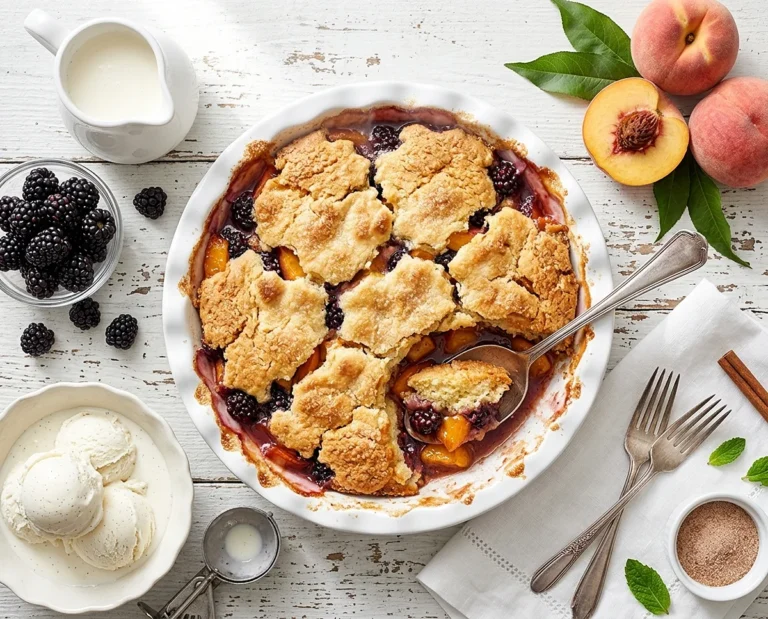
Once you’ve mastered a basic homemade nectarine cake, the world of variations opens up beautifully. I love adding a handful of fresh blueberries or raspberries alongside the nectarines for extra color and a nice tart contrast. The berries burst during baking and create these gorgeous jewel-toned pockets.
Spices work wonderfully too. A pinch of cardamom or a half teaspoon of vanilla paste elevates the whole experience. Fresh ginger, finely grated, adds a subtle warmth that plays beautifully with the fruit’s sweetness. And if you’re feeling adventurous, try swapping some of the all-purpose flour for almond flour, it adds a lovely nutty richness.
For a gluten-free version, use your favorite 1:1 baking flour blend. I’ve had great success with Bob’s Red Mill, and honestly, most people can’t tell the difference. You can also make these dairy-free by using coconut oil instead of butter and almond milk in place of regular milk.
Want to make it extra special? Brush the top with warm apricot jam right when it comes out of the oven. It creates a beautiful glossy finish and adds another layer of fruity flavor. Sometimes I’ll serve it with a dollop of mascarpone or lightly sweetened whipped cream, but honestly, it’s perfect all on its own.
Storage and Make-Ahead Tips
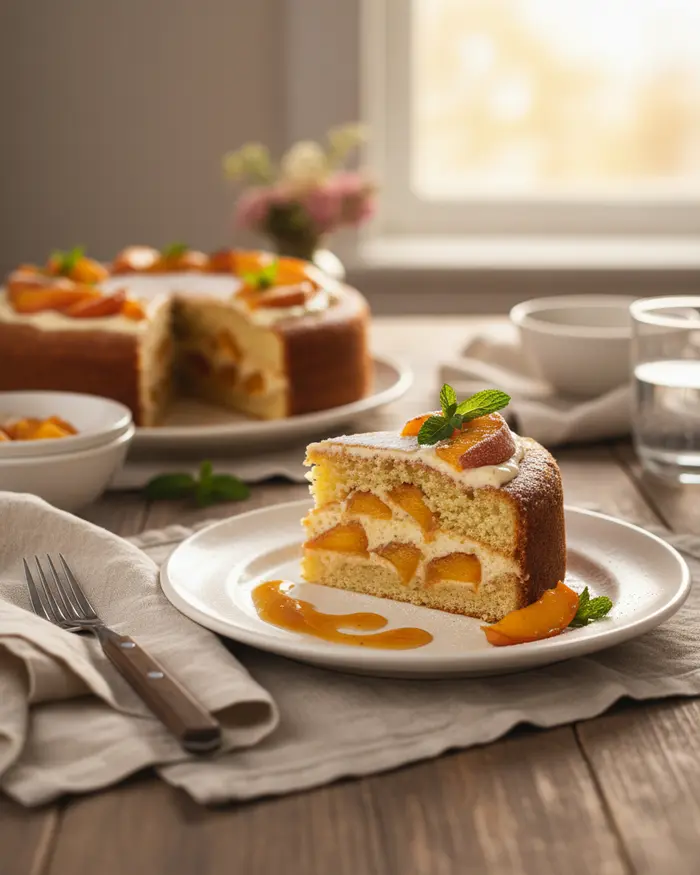
One of the best things about nectarine cakes is how well they keep. Store your cake covered at room temperature for up to two days, or refrigerate it for up to four days. I actually prefer it chilled, the texture becomes denser and almost cheesecake-like, which is amazing with morning coffee.
You can absolutely freeze slices too. Wrap them individually in plastic wrap, then place in a freezer bag for up to three months. Thaw overnight in the fridge, and they taste almost as good as fresh. This makes nectarine cake perfect for meal prep or getting ahead for gatherings.
If you’re baking for a party, make your cake the day before. The flavors deepen overnight, and you’ll have one less thing to stress about on the day of your event. Just add a dusting of powdered sugar right before serving, and everyone will think you spent all morning baking.
Common Mistakes and How to Avoid Them
Let’s talk about what can go wrong so you can sidestep these pitfalls entirely. The biggest mistake I see is using too much fruit. I know it’s tempting to pile on those beautiful nectarine slices, but too many will make your cake soggy and heavy. Stick to about two medium nectarines for a standard 9-inch cake.
Overmixing the batter is another common issue. Once you add the flour, mix just until you don’t see any dry streaks. Overmixing develops too much gluten, which makes your cake tough instead of tender. Trust me, a few lumps are totally fine.
Not greasing your pan properly is a heartbreaker. Even with nonstick pans, I always butter and flour the bottom and sides, or use parchment paper on the bottom. There’s nothing worse than a beautiful cake stuck in the pan, trust me, I’ve been there and it’s not pretty.
Serving Suggestions and Pairings
Nectarine cake is incredibly versatile when it comes to serving. For breakfast or brunch, serve it warm with a pat of butter and strong coffee. The slight sweetness makes it perfect for starting the day without feeling too dessert-like.
As a dessert, it shines with vanilla ice cream or a dollop of crème fraîche. The cold, creamy element against the warm cake is absolutely divine. I’ve also served it with a drizzle of honey and some toasted almonds, which adds nice texture and another layer of flavor.
For afternoon tea, cut smaller squares and serve alongside other finger foods. It pairs beautifully with Earl Grey or chamomile tea. And if you’re feeling fancy, a small glass of dessert wine or sparkling prosecco makes it feel extra special without any additional effort.
Why Nectarines Work So Well in Cakes
Beyond just tasting amazing, nectarines have the perfect texture and moisture content for baking. They’re less watery than peaches, which means your cake won’t get soggy. The smooth skin means no peeling required, saving you precious time and keeping all those gorgeous colors intact.
Their natural sugars caramelize beautifully in the oven, creating those irresistible jammy bits around the edges. And because they’re slightly firmer than peaches, nectarine slices hold their shape during baking, giving you that picture-perfect presentation every single time.
The flavor is complex too, sweet but with a subtle tang that keeps things interesting. It plays well with so many other ingredients, from warming spices to nuts to other fruits. You really can’t go wrong with nectarines in your baking rotation.
Start Baking Your Perfect Nectarine Cake Today
Now that you’ve got all the tips, tricks, and recipes at your fingertips, it’s time to get baking. Whether you’re making that elegant French version or experimenting with your own variations, nectarine cakes are guaranteed to become a summer staple in your kitchen.
Don’t forget to explore the full recipe linked above, and feel free to drop a comment sharing how your nectarine cake turned out. Did you add any fun twists? How did your family react? I love hearing about your baking adventures, and your feedback helps other bakers too.
Happy baking, and here’s to many delicious slices of homemade nectarine cake in your future!
Frequently Asked Questions
What is a nectarine cake?
A nectarine cake is a dessert that features fresh nectarines as the main fruit ingredient. It can be made in various styles including upside-down cakes, coffee cakes, pound cakes, or layered cakes. The nectarines can be sliced and arranged on top, mixed into the batter, or used as a filling between layers.
Can I substitute peaches for nectarines in a nectarine cake recipe?
Yes, peaches can be substituted for nectarines in most cake recipes. Since nectarines and peaches are very similar fruits, with nectarines being a smooth-skinned variety, they can be used interchangeably. The main difference is that you may want to peel peaches if you prefer, while nectarine skin is typically left on.
How do I prevent nectarines from sinking to the bottom of my cake?
To prevent nectarines from sinking, toss the fruit pieces lightly in flour before adding them to the batter. You can also use a thicker batter, avoid over-mixing, and arrange some nectarine slices on top rather than folding all of them into the batter. Using slightly firmer, less ripe nectarines can also help.
How should I store nectarine cake?
Nectarine cake should be stored in an airtight container at room temperature for up to 2 days or in the refrigerator for up to 5 days. Because of the fresh fruit content, refrigeration is recommended for longer storage. Bring the cake to room temperature before serving for the best flavor and texture. The cake can also be frozen for up to 3 months.
What spices pair well with nectarines in cake recipes?
Nectarines pair beautifully with warm spices like cinnamon, nutmeg, ginger, and cardamom. Vanilla extract and almond extract also complement nectarine flavor wonderfully. For a more complex flavor profile, you can add a touch of lemon zest or use brown sugar instead of white sugar to enhance the natural sweetness of the fruit.