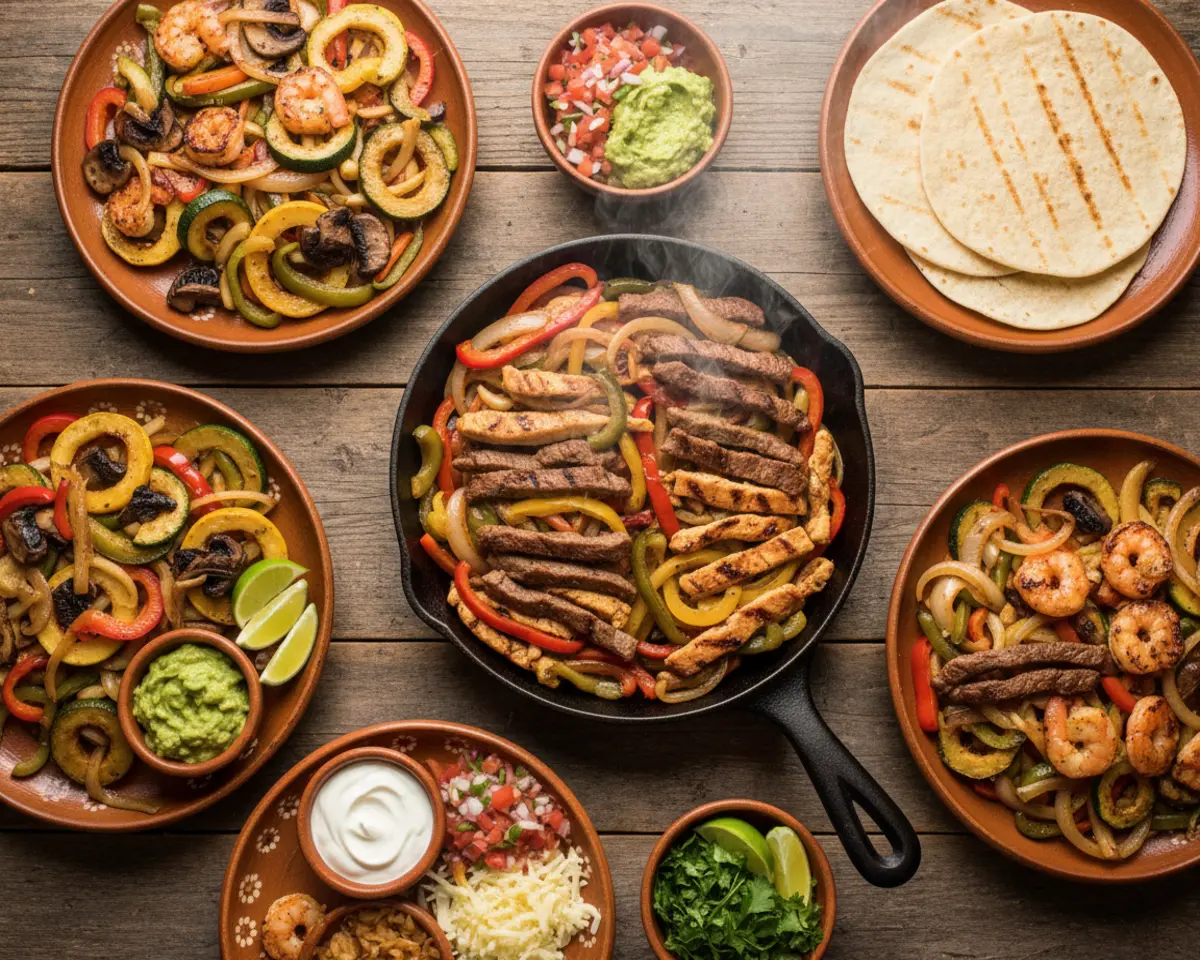
Irresistible Fajitas
Looking for the best fajitas that bring sizzle and flavor to your dinner table without spending hours in the kitchen? These fajita recipes deliver that perfect charred sweetness and smoky spice we all crave, whether you’re whipping up a quick weeknight meal or hosting taco Tuesday with friends.
I’ll never forget the first time I made fajitas at home. The smell of peppers and onions hitting that hot skillet transported me straight back to my favorite Tex-Mex spot. My kitchen smelled like a fiesta for hours, and honestly? I wasn’t mad about it.
The beauty of easy fajitas is that they’re endlessly customizable and surprisingly simple. You don’t need fancy equipment or a culinary degree. Just fresh ingredients, high heat, and maybe a margarita within arm’s reach.
Whether you’re team chicken, steak, shrimp, or veggies, there’s a fajita recipe here that’ll become your new go-to. Let’s dive into these crowd-pleasers that make dinner feel like a celebration.
Table of Contents
Quick Overview
Love Fajitas? Our complete Total Mexican-Inspired Recipes brings together even more creative possibilities and expert tips you won’t want to miss.
This guide covers everything you need to master fajitas at home. We’re talking about sheet pan chicken fajitas that let your oven do the work, plus variations that swap ingredients based on what’s in your fridge.
You’ll find tips for getting that restaurant-quality char, the best marinades for maximum flavor, and clever shortcuts that save time without sacrificing taste. These recipes work for busy weeknights, meal prep, or feeding a hungry crowd.
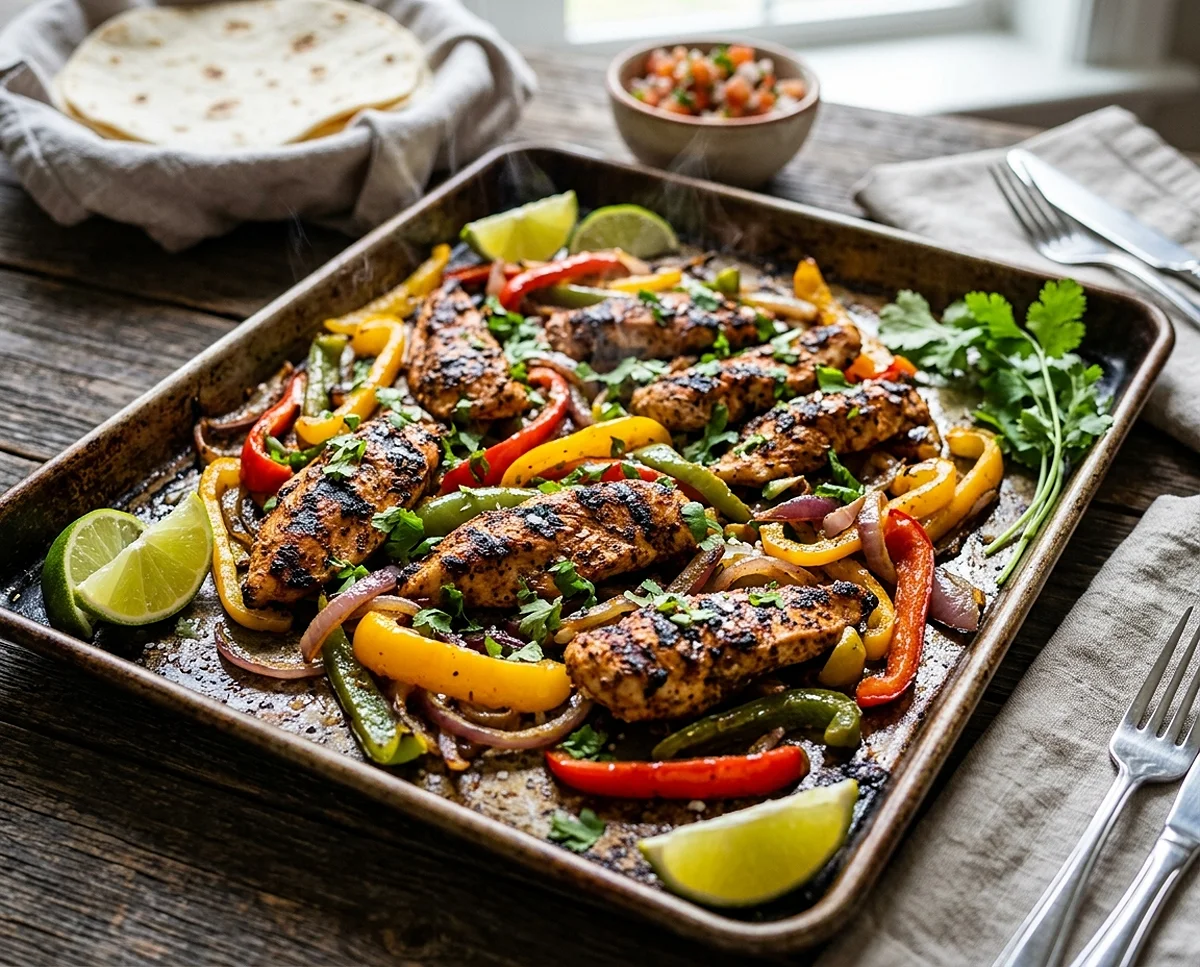
Sheet Pan Chicken Fajitas
This is hands-down the easiest way to make chicken fajitas without standing over a hot stove flipping ingredients every two minutes. Everything roasts together on one pan, and the high heat gives you those crispy edges everyone fights over.
The secret is spreading everything out so it roasts instead of steams. Try this foolproof recipe and you’ll see why sheet pan dinners are a weeknight lifesaver.
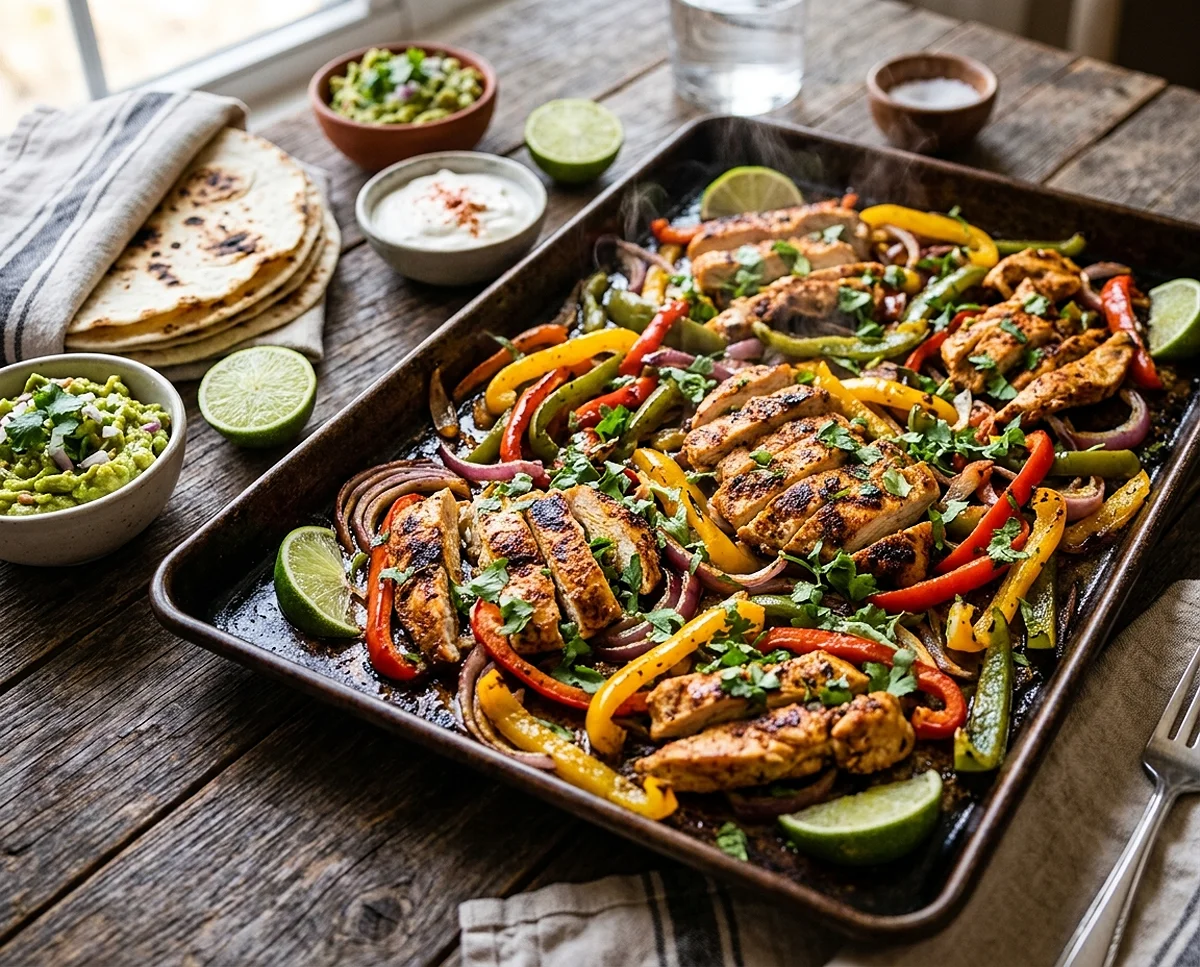
Sheet Pan Fajitas
This version gives you flexibility to use whatever protein you’ve got on hand, whether that’s steak, shrimp, or portobello mushrooms. The technique stays the same, but you can switch up the star of the show based on your mood or what’s on sale.
I love making a double batch and using the leftovers for fajita bowls, quesadillas, or tucked into scrambled eggs the next morning. Check out this versatile recipe that adapts to whatever you’re craving.
Getting That Perfect Char
The magic of great fajitas lives in those caramelized edges. You want peppers and onions with dark, blistered spots that pack concentrated sweetness. The key is high heat and resisting the urge to stir too often.
When roasting, spread your ingredients in a single layer with space between pieces. Crowding the pan creates steam instead of that coveted char. Serious Eats explains the science behind why proper spacing matters for getting vegetables to brown instead of steam.
If you’re cooking on the stovetop, let your skillet get screaming hot before adding anything. Cast iron works beautifully here. Add your protein first, let it sear undisturbed for a couple minutes, then flip once.
The same goes for veggies. Toss them in, spread them out, then leave them alone. That patience pays off in flavor that tastes like it came from a restaurant grill.
Marinating for Maximum Flavor
A good marinade transforms plain chicken or steak into something spectacular. The basic formula includes acid (lime juice), fat (oil), and seasonings (cumin, chili powder, garlic). These work together to tenderize the meat and pack in flavor.
You don’t need to marinate overnight, though. Even 15-30 minutes makes a noticeable difference. If you’re really short on time, coat your protein in the spice blend dry and skip the marinade altogether.
For chicken, I like adding a splash of soy sauce for extra umami depth. It sounds weird in a Mexican-inspired dish, but trust me on this. The savory boost elevates everything without tasting out of place.
Steak benefits from a bit of Worcestershire sauce in the marinade. And if you’re doing shrimp, keep the marinating time under 30 minutes or the acid will start cooking the shrimp and turn the texture mushy.
Pepper and Onion Perfection
The classic combo uses bell peppers (a mix of colors looks gorgeous) and white or yellow onions sliced into strips. Cut them about the same thickness so everything cooks evenly.
I usually go with quarter-inch strips. Any thinner and they turn to mush. Any thicker and they stay too crunchy. You’re aiming for that sweet spot where they’re tender with a little bite left.
Red onions work too if that’s what you have. They’re slightly sweeter and milder. Sometimes I throw in poblano peppers for a deeper, earthier flavor that complements the bells beautifully.
Don’t skip the onions even if you think you don’t like them. They caramelize into sweet, jammy ribbons that add so much to the overall dish. Even my onion-skeptic friends come around when they taste how different cooked onions are from raw.
Spice Blend Essentials
The base of any great fajita seasoning includes chili powder, cumin, garlic powder, and paprika. From there, you can customize based on your heat tolerance and flavor preferences.
I always add a pinch of smoked paprika for depth. It gives everything a subtle smokiness that makes people think you grilled your fajitas even when you didn’t. A little oregano doesn’t hurt either.
For heat, cayenne pepper is your friend. Start with a quarter teaspoon if you’re sensitive to spice. You can always add hot sauce at the table, but you can’t take heat away once it’s cooked in.
Don’t forget salt. It seems obvious, but underseasoned fajitas taste flat no matter how good your spice blend is. I use about a teaspoon per pound of meat, plus extra for the vegetables.
Protein Swaps and Variations
While chicken fajitas reign supreme in my house, steak runs a close second. Flank steak or skirt steak work beautifully because they’re flavorful and cook quickly. Slice them thin against the grain after cooking.
Shrimp fajitas come together insanely fast, making them perfect for those nights when you forgot to plan dinner until 5 p.m. They only need about 3-4 minutes of cooking time total.
For a vegetarian version, portobello mushrooms or extra-firm tofu make excellent substitutes. Slice portobellos thick and treat them like steak. Press and cube the tofu, then toss it in cornstarch before cooking for crispy edges.
You can even mix proteins. Half chicken, half shrimp is a restaurant-style move that feels fancy but requires zero extra effort. Just add the shrimp toward the end since it cooks faster than chicken.
Serving Suggestions
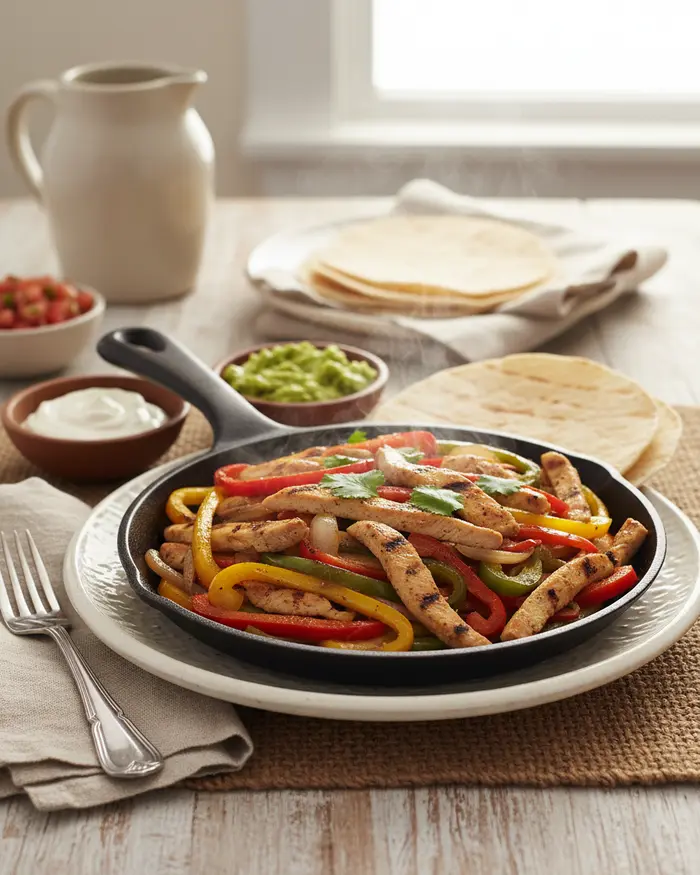
The classic setup includes warm tortillas, but don’t stop there. Set out bowls of sour cream, guacamole, shredded cheese, salsa, and fresh cilantro. Let everyone build their perfect fajita.
I like warming my tortillas directly over a gas flame for about 10 seconds per side. They get these gorgeous char marks and taste incredible. No gas stove? Wrap them in foil and warm them in the oven for five minutes.
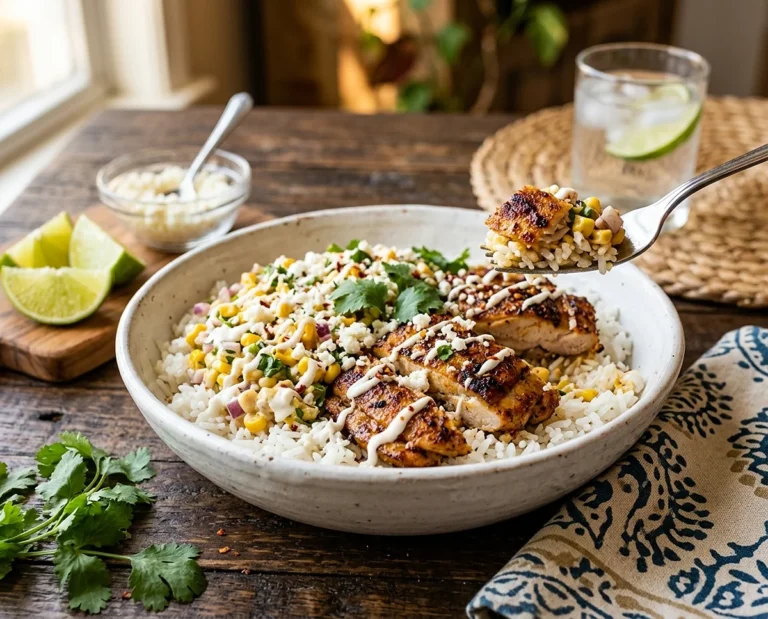
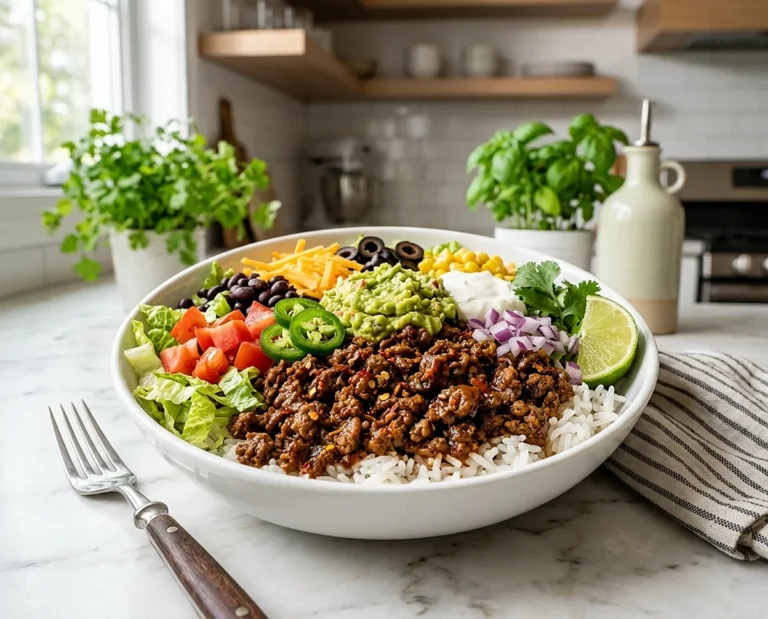
Fajita bowls are my go-to for meal prep. Skip the tortilla and serve everything over cilantro-lime rice or cauliflower rice. Add black beans, corn, and all your favorite toppings for a complete meal.
Leftover fajita filling makes outstanding quesadillas, nachos, or breakfast burritos. Sometimes I intentionally make extra just so I have an excuse to eat fajita leftovers three different ways throughout the week.
Common Mistakes to Avoid
The biggest mistake is overcrowding your pan. When ingredients touch too much, they steam instead of getting that beautiful caramelization. Use two pans if you need to or cook in batches.
Another issue is not preheating your pan hot enough. If you add chicken to a lukewarm skillet, it’ll release moisture and basically boil itself. Wait until the pan is properly hot.
Overcooking chicken is easy to do, and nobody wants dry, rubbery fajitas. Food Network recommends pulling chicken off the heat at 165°F internal temperature for juicy, perfectly cooked meat.
Finally, don’t skip the resting time after cooking your protein. Let it sit for five minutes before slicing. This lets the juices redistribute so they don’t all run out when you cut into it.
Make-Ahead Tips
Fajitas are surprisingly meal-prep friendly. You can marinate your protein up to 24 hours ahead. Just keep it covered in the fridge and bring it to room temperature for 15 minutes before cooking.
Slice your peppers and onions the night before too. Store them in an airtight container or zip-top bag in the crisper drawer. They’ll be ready to dump straight onto your sheet pan when you get home from work.
You can mix up your spice blend in bulk and keep it in a jar for months. I make quadruple batches so I always have fajita seasoning ready to go. It’s also great on roasted vegetables or mixed into ground beef for tacos.
Cooked fajitas keep well in the fridge for 3-4 days. Reheat them in a skillet over medium-high heat to crisp everything back up. The microwave works in a pinch, but you’ll lose some of that textural contrast.
Kid-Friendly Adjustments
If you’re feeding picky eaters, dial back the spice and let them customize their own fajitas. Kids love the DIY aspect of building their own dinner, and it gives them control over what goes in.
You can separate out a portion before adding spicy seasonings. Season that batch with just cumin, garlic powder, and a tiny bit of chili powder for mild flavor that won’t scare off sensitive palates.
Cutting the peppers and chicken into smaller pieces helps too. Big strips can be intimidating for little kids. Bite-sized pieces are less overwhelming and easier to eat in a tortilla.
Cheese is your secret weapon. Even veggie-resistant kids will often eat peppers and onions when they’re smothered in melted cheese. I’m not above bribery when it gets vegetables into my nephew.
Cooking for a Crowd
Sheet pan fajitas scale beautifully for parties. Use multiple sheet pans and rotate them through the oven. You can keep cooked batches warm in a low oven while you finish the rest.
Set up a fajita bar with all the fixings and let guests serve themselves. It’s casual, interactive, and takes pressure off you to plate individual servings. Plus, everyone gets exactly what they want.
Double or triple the recipe easily. The ratios stay the same whether you’re cooking for four or fourteen. Just make sure you’re not overcrowding those pans, or you’ll end up with steamed vegetables.
Pair fajitas with simple sides like Spanish rice, refried beans, or a big salad. Keep the sides easy so you can focus your energy on getting those fajitas perfectly charred and delicious.
Why Sheet Pan Fajitas Win
The sheet pan method changed my fajita game completely. Instead of hovering over a skillet and cooking everything in batches, you dump it all on a pan and walk away for 20 minutes.
Cleanup is ridiculously easy too. One pan, one cutting board, one knife. On crazy weeknights when I barely have energy to think about dinner, that simplicity makes all the difference.
The oven’s consistent heat means everything cooks evenly. No more burnt peppers while your chicken stays pale, or overdone meat while your onions are still crunchy. It all comes out perfectly at the same time.
You also don’t have to stand there dealing with splattering oil and smoke. The oven contains all that mess. Your kitchen stays cleaner, and you’re free to make rice or set the table while dinner cooks itself.
Start Making Amazing Fajitas Tonight
These fajita recipes prove that restaurant-quality flavor is totally achievable on a Tuesday night. You don’t need special equipment or advanced cooking skills, just good ingredients and a hot oven.
Pick whichever recipe calls to you, grab some tortillas and toppings, and get cooking. Your kitchen’s about to smell incredible, and dinner’s going to disappear faster than you can say “more guac, please.”
Have a favorite fajita variation or a secret ingredient that makes yours extra special? Drop a comment below and share your tips. We’re always looking for new ways to make taco night even better.
Frequently Asked Questions
What are fajitas?
Fajitas are a Tex-Mex dish consisting of grilled meat, typically beef or chicken, served on a warm flour or corn tortilla. The meat is usually marinated and cooked with sliced bell peppers and onions. Fajitas are commonly served with toppings like sour cream, guacamole, salsa, and cheese, allowing diners to assemble their own tacos.
What type of meat is traditionally used in fajitas?
Traditional fajitas are made with skirt steak, which is a thin, flavorful cut of beef from the plate section of the cow. However, modern fajitas commonly use chicken breast, shrimp, or other proteins. The meat is typically marinated in lime juice, garlic, and spices before being grilled to enhance its flavor and tenderness.
What is the difference between fajitas and tacos?
The main difference is in preparation and presentation. Fajitas are served with grilled strips of meat and vegetables that arrive sizzling on a hot skillet, and diners assemble their own tortillas at the table. Tacos are pre-assembled with various fillings and toppings. Fajitas also specifically feature grilled peppers and onions, while tacos can have a wide variety of ingredients and preparations.
How do you properly pronounce fajitas?
Fajitas is pronounced fah-HEE-tahs. The word comes from Spanish, where faja means belt or strip, referring to the cut of meat originally used. The j in Spanish makes an h sound in English, and the emphasis is placed on the second syllable.
What are the best toppings and sides to serve with fajitas?
Popular toppings include sour cream, guacamole, pico de gallo, shredded cheese, lettuce, and salsa. Common side dishes are Mexican rice, refried beans, black beans, or charro beans. Many people also enjoy adding fresh cilantro, lime wedges, and sliced jalapenos. Flour or corn tortillas are essential for wrapping the fajita filling.