Mexican-Inspired Recipes
The smell of cumin and lime hitting a hot skillet takes me back to my grandmother’s kitchen every single time. She never measured anything, just tossed ingredie
Discover authentic Mexican-Inspired Recipes that transform your kitchen into a vibrant taquería. This complete guide connects you to bold flavors, quick weeknight meals, and homemade Mexican food that rivals your favorite restaurant.
Table of Contents
The smell of cumin and lime hitting a hot skillet takes me back to my grandmother’s kitchen every single time. She never measured anything, just tossed ingredients together with the confidence of someone who’d made these dishes a thousand times before.
That’s the beautiful thing about Mexican-inspired cooking—it welcomes you in with open arms, whether you’re following a recipe to the letter or improvising with what’s in your fridge.
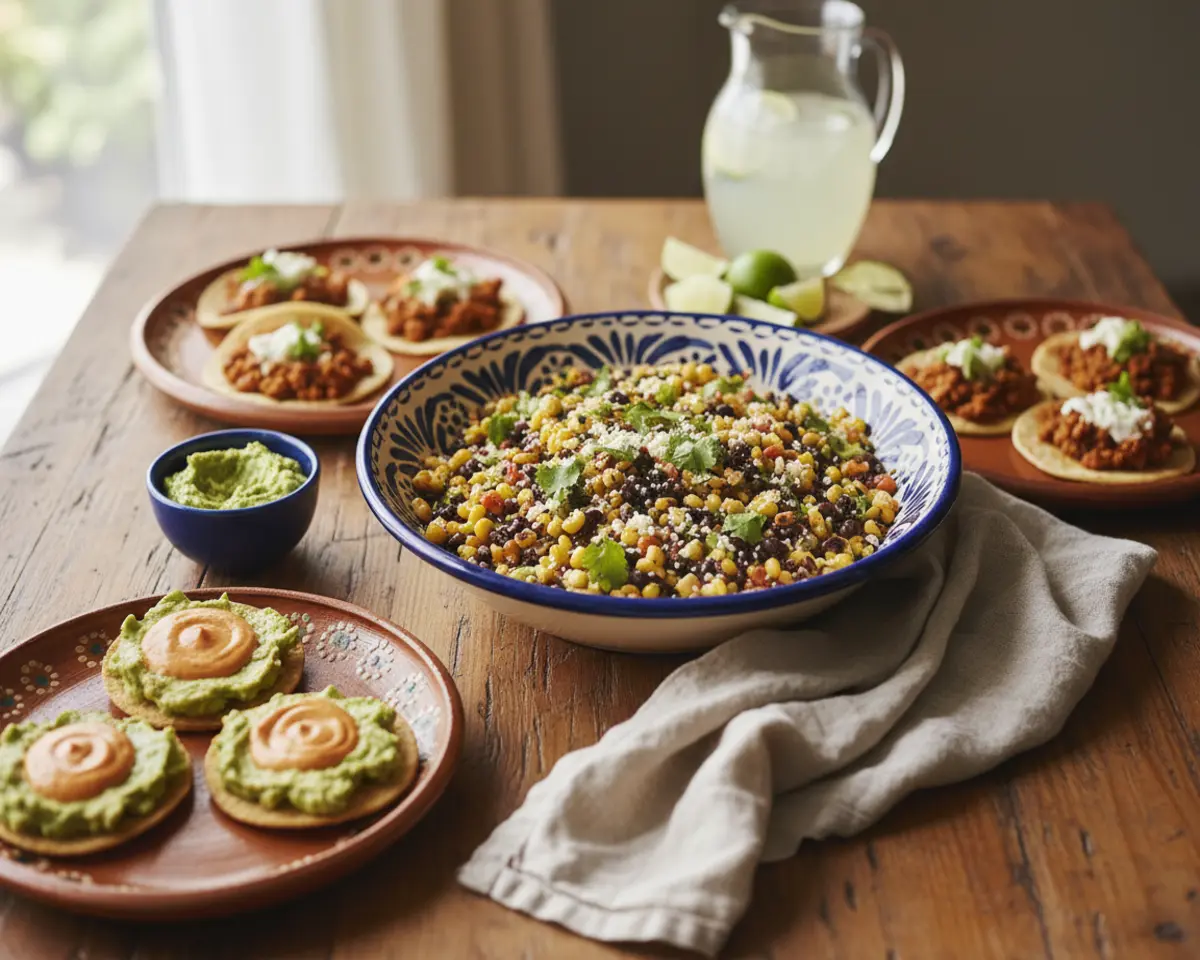
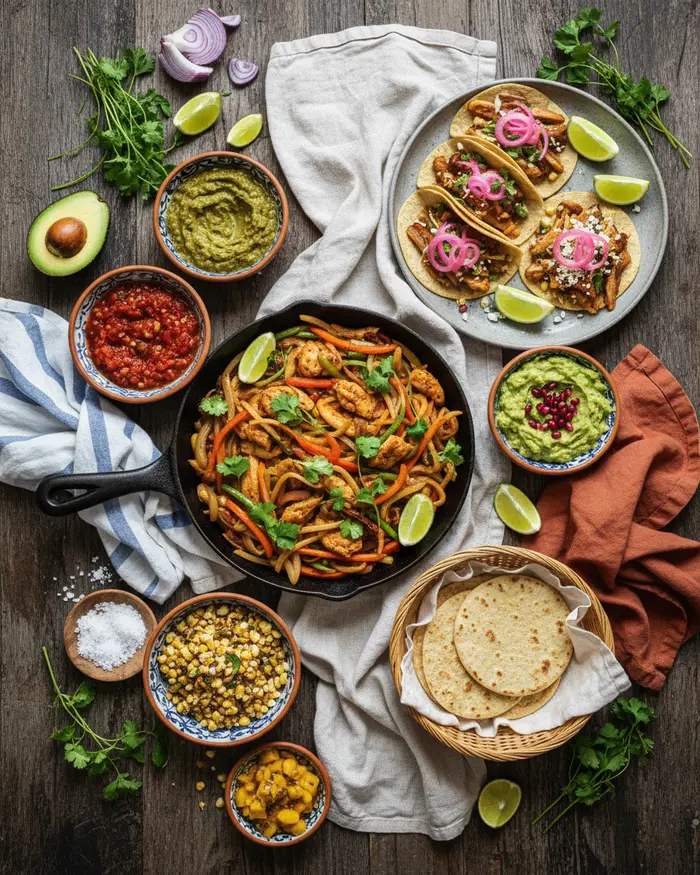
Mexican-inspired recipes have become my go-to for busy weeknights and special gatherings alike. There’s something magical about food that brings people together around a table loaded with colorful toppings, warm tortillas, and that perfect squeeze of fresh lime. The flavors are bold but not intimidating, the techniques are accessible, and honestly? Most dishes come together faster than ordering takeout.
I’ve spent years exploring the spectrum of Mexican cuisine, from quick street food favorites to slow-simmered traditional dishes. What I’ve learned is that you don’t need specialty equipment or hard-to-find ingredients to create authentic flavors at home. You just need good techniques, fresh ingredients, and a willingness to taste as you go.
Let me walk you through everything you need to know about this incredible category of cooking.
The Quick Guide
Here’s what makes Mexican-inspired recipes so special and accessible for home cooks of all levels:
- Flavor-forward simplicity: Most dishes rely on a core group of ingredients like chili peppers, lime, cilantro, cumin, and garlic that layer together beautifully
- Flexible cooking methods: You can grill, pan-fry, bake, or slow-cook most recipes depending on your time and equipment
- Built-in customization: The topping bar approach means everyone gets exactly what they want, making these recipes perfect for picky eaters and dietary restrictions
- Quick weeknight potential: Many authentic Mexican recipes were designed as fast street food, so they naturally fit busy schedules
- Ingredient accessibility: While specialty items enhance authenticity, you can create delicious homemade Mexican food with supermarket staples
What Defines Mexican-Inspired Cooking
Mexican-inspired recipes celebrate the perfect balance of fresh, bright flavors with rich, earthy spices. At their heart, these dishes showcase simple proteins and vegetables transformed by smoking, charring, or slow-cooking techniques that coax out incredible depth. The magic happens when acidic elements like lime juice meet smoky dried chilies, fresh herbs, and warming spices.
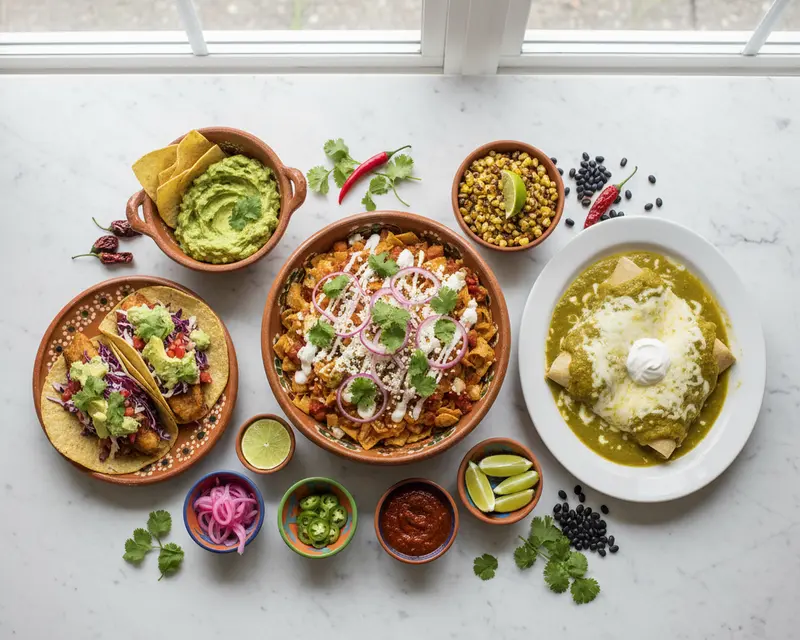
You’ll want these recipes when you’re craving something more exciting than plain grilled chicken but don’t have hours to spend in the kitchen. They’re perfect for casual gatherings because guests can build their own plates, and they’re equally at home on a Tuesday night when you need dinner fast.
The beauty of this category is its scalability—the same marinade that feeds two can easily stretch to feed eight.
What sets these recipes apart is their emphasis on texture contrast and temperature variation. You’ll find creamy elements balanced with crunchy ones, warm proteins paired with cool, fresh toppings, and rich flavors cut by bright acidity. This isn’t one-note cooking—every bite should offer something different while still feeling cohesive.
Tacos
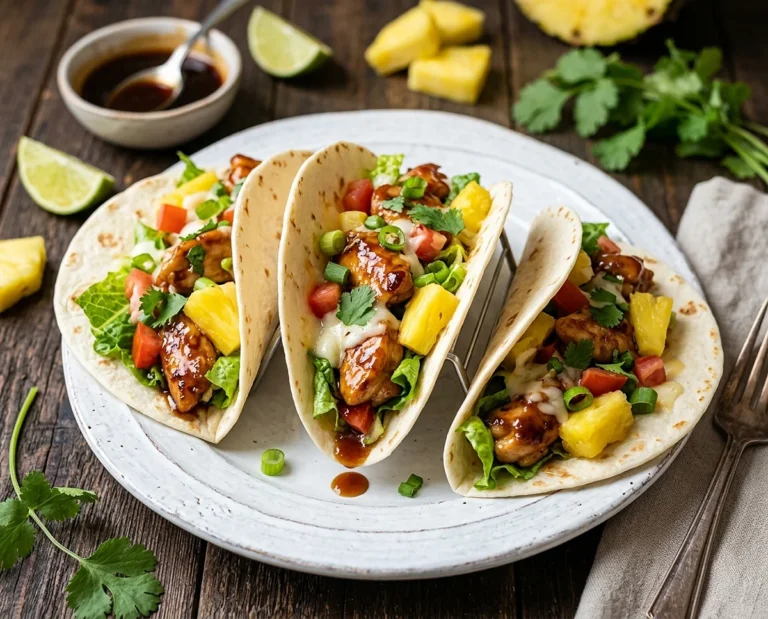
Tacos represent the most versatile cornerstone of Mexican-inspired cooking, offering endless combinations from simple weeknight beef tacos to elaborate fish variations with homemade slaw. Explore our complete taco collection for everything from authentic street-style recipes to creative fusion approaches that work for any skill level.
These handheld wonders work equally well for quick solo dinners and crowd-pleasing parties. The key is building layers of complementary flavors—seasoned proteins, fresh vegetables, creamy elements, and that essential hit of acid from lime. Tacos forgive experimentation better than almost any other dish, so they’re perfect when you’re learning to trust your palate.
Street Corn Meals Salads
Street corn transforms simple grilled corn into a flavor-packed side dish or full meal that captures the essence of Mexican street food culture. Discover our street corn meal and salad recipes that show you how to achieve that perfect char and creamy, spicy coating that makes this dish irresistible.
This category shines during summer months when fresh corn is at its peak, but frozen corn makes these recipes surprisingly viable year-round. The contrast of sweet corn, smoky char, tangy lime, and salty cheese creates an addictive combination that works as a side dish or becomes the star of grain bowls and salads.
Quesadillas
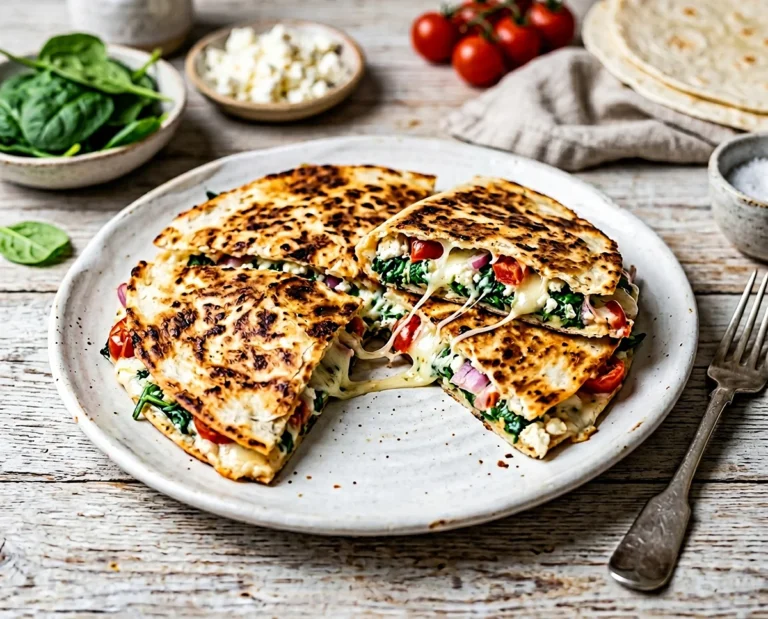
Quesadillas offer the ultimate comfort food experience with melted cheese binding together whatever fillings your heart desires between crispy, golden tortillas. Check out our quesadilla guide for techniques that guarantee even melting, perfect crispness, and creative filling combinations beyond basic cheese.
These are your go-to when you need something satisfying in under fifteen minutes. Quesadillas work brilliantly for using up leftover proteins and vegetables, and they’re naturally kid-friendly while still sophisticated enough for adult palates when you add roasted peppers, caramelized onions, or quality cheeses.
Fajitas
Fajitas bring restaurant-quality sizzle to your home kitchen with marinated, seared proteins and caramelized peppers and onions that fill your house with mouthwatering aromas. Master our fajita recipes to achieve that characteristic char and learn the marinating techniques that guarantee tender, flavorful results every time.
The interactive nature of fajitas makes them perfect for casual entertaining—everyone builds their own plate from the sizzling platter. They’re also excellent for meal prep since the marinated proteins hold beautifully in the fridge and cook quickly when you’re ready to eat.
Expert Category Guide
Understanding the fundamental techniques and ingredients that define Mexican-inspired recipes will transform you from recipe-follower to confident cook who can improvise based on what’s available. Let’s break down what you really need to know.
Essential Techniques
Toasting your dried spices before grinding or adding them to dishes awakens their essential oils and deepens their flavor exponentially. Just thirty seconds in a dry skillet makes the difference between flat and dimensional seasoning. This applies to cumin seeds, coriander, dried chilies, and even pre-ground spices that need reviving.
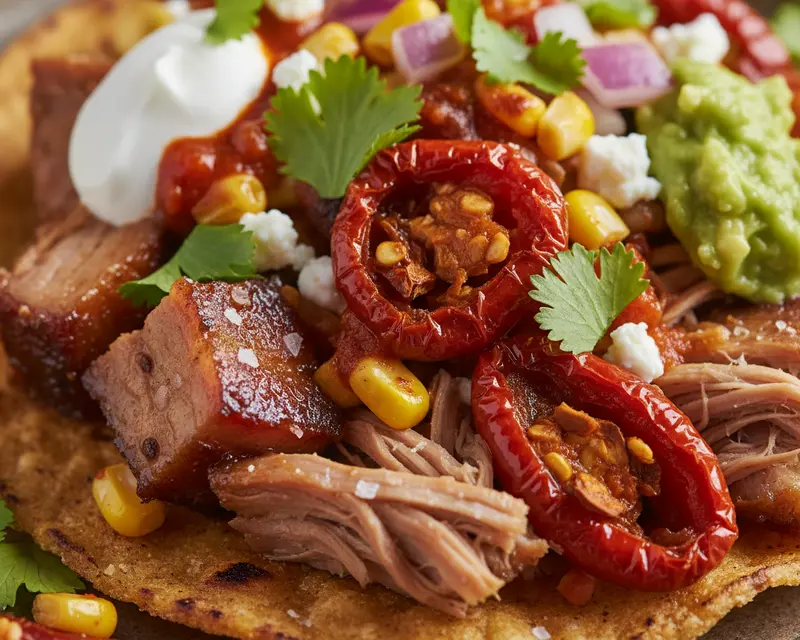
Charring adds the smoky depth that defines authentic Mexican flavors. Whether you’re working with fresh chilies, tomatillos, tomatoes, onions, or corn, allowing them to blacken in spots under the broiler or over an open flame creates complexity no amount of bottled sauce can replicate. Don’t be afraid of those black bits—they’re flavor gold.
Proper tortilla warming transforms the eating experience completely. Never serve cold tortillas straight from the package. Steam them wrapped in a damp towel in the microwave for thirty seconds, or char them directly over a gas flame for texture and flavor. A warm, pliable tortilla holds together and tastes infinitely better than a cold, stiff one.
Acid balancing is your secret weapon for making Mexican-inspired recipes taste restaurant-quality. That squeeze of fresh lime at the end brightens everything and cuts through rich, fatty elements. When a dish tastes good but not great, acid is usually the missing piece. Keep lime wedges on hand and taste before serving.
Ingredient Spotlight
Fresh cilantro divides people fiercely, but for those who love it, there’s no substitute for that bright, citrusy punch. Buy it in large bunches, trim the stems, and store it upright in a glass of water in the fridge covered loosely with a plastic bag. It’ll last a week or more this way, ready whenever you need fresh herbal notes.
Dried chilies offer spectrum of heat and flavor that bottled hot sauce can’t match. Ancho chilies bring mild, sweet warmth with fruity notes. Chipotles provide smoky heat. Guajillos offer bright, tangy moderate spice. Keep a variety on hand and toast them before using—they’re shelf-stable and inexpensive, so there’s no reason not to explore.
Good quality Mexican cheese makes a noticeable difference. Cotija adds salty, crumbly texture similar to feta. Queso fresco offers mild creaminess. Oaxaca cheese melts beautifully for quesadillas. While Monterey Jack or cheddar work in a pinch, seeking out authentic options elevates your homemade Mexican food substantially.
Corn tortillas versus flour tortillas each have their place. Corn tortillas are traditional for tacos and more authentic, with better corn flavor and sturdier structure when properly warmed. Flour tortillas are softer, more pliable, and better for larger burritos or quesadillas where you want that tender chew.
Seasonal Considerations
Summer is peak season for Mexican-inspired recipes when fresh corn, tomatoes, peppers, and limes are abundant and affordable. This is when street corn recipes truly shine, and when grilling adds another layer of authentic smoky flavor to everything from fajitas to whole vegetables. Take advantage of farmers market produce during these months.
Fall and winter call for heartier approaches with slow-cooked proteins, dried chilies, and warming spices. This is when you’ll appreciate recipes that can simmer all day, filling your home with incredible aromas. Roasted poblanos, winter squash, and citrus still provide brightness even when fresh tomatoes aren’t at their best.
Spring brings fresh herbs back into play along with early peppers and the first good tomatoes. This transitional season works beautifully for lighter fajitas, fresh salsas, and recipes that celebrate vegetables as much as proteins. Adjust your Mexican-inspired recipes to highlight whatever looks best at the market.
Skill Level Guide
Beginners should start with quesadillas and simple ground beef tacos. These recipes forgive timing issues and don’t require specialized techniques. Focus on learning proper seasoning, how to warm tortillas correctly, and building balanced flavor through toppings. Once these fundamentals feel comfortable, you’re ready to expand.
Intermediate cooks can tackle marinated fajitas, homemade salsas, and more complex taco fillings like carnitas or fish. At this level, you’re developing your ability to layer flavors, work with fresh chilies, and manage multiple components coming together at once. The topping bar approach helps since everything doesn’t need perfect timing.
Advanced home cooks might explore making tortillas from scratch, working with whole dried chilies for moles, or attempting traditional techniques like slow-braising meats for authentic street-style tacos. You’re comfortable adjusting seasonings by taste, know when to add acid or heat, and can improvise based on what’s available.
Storage and Make-Ahead Tips
Most protein marinades improve with time, so prep your fajita strips or taco meat the night before for even better flavor penetration. Raw marinated proteins keep safely refrigerated for up to two days. This advance prep means weeknight Mexican-inspired recipes come together in the time it takes to warm tortillas and chop toppings.
Cooked proteins hold well for meal prep throughout the week. Seasoned ground beef, shredded chicken, or fajita vegetables stay fresh refrigerated for four days and reheat beautifully. Store them in airtight containers and refresh with a squeeze of lime and fresh cilantro when reheating to bring back that just-cooked brightness.
Prepare toppings in advance and store them separately to maintain their individual textures. Shredded cheese, diced onions, chopped cilantro, and sliced jalapeños all keep well when properly stored. Guacamole and fresh salsas are best made day-of, but you can prep the components ahead and assemble right before serving.
Freeze completed dishes like assembled quesadillas or seasoned taco meat for quick future meals. Wrap quesadillas individually in foil and stack them in freezer bags. Freeze taco meat flat in freezer bags for quick thawing. Most cooked Mexican-inspired components freeze beautifully for up to three months without losing quality.
Comparison and Selection Guide
Choose tacos when you want maximum flexibility and the ability to please everyone at the table. They’re your best bet for using up random ingredients, accommodating dietary restrictions, and keeping prep simple while still delivering big flavor. Tacos work equally well for quick solo dinners and parties because they’re naturally interactive.
Choose street corn meals when you want a lighter option that still feels indulgent and special. These recipes shine during summer cookouts and work beautifully as sides or vegetarian mains. They’re perfect when you’re craving those signature Mexican flavors but want something beyond the standard taco or burrito format.
Choose quesadillas when speed is your priority or you’re feeding kids who prefer familiar comfort food. They’re the fastest route to melted-cheese satisfaction and work brilliantly for using leftovers creatively. Quesadillas are also your go-to when you want something handheld and portable that doesn’t require a full topping spread.
Choose fajitas when you want to create an experience, not just a meal. The sizzling presentation, the build-your-own aspect, and the combination of proteins with caramelized vegetables make fajitas feel special even on a weeknight. They’re ideal when you’re entertaining casually or want something that feels restaurant-quality at home.
For dietary considerations, tacos and fajitas adapt most easily to various needs—swap corn tortillas for gluten-free options, use plant-based proteins, or go keto with lettuce wraps. Quesadillas are naturally vegetarian-friendly when you skip the meat, and street corn can be made vegan by substituting the dairy elements with plant-based alternatives.
Time-wise, quesadillas win for weeknight speed at under fifteen minutes start to finish. Tacos and fajitas take twenty to thirty minutes with some advance marinating improving results. Street corn requires the most active cooking time if you’re charring fresh corn, but the actual hands-on work stays minimal throughout.
Skill level matters less than you might think across these categories. All four types of Mexican-inspired recipes welcome beginners while offering enough complexity to keep experienced cooks engaged. Start with whichever sounds most appealing, and you’ll naturally develop the techniques that transfer to the others.
Your Mexican-Inspired Cooking Journey Starts Here
The beautiful thing about exploring Mexican-inspired recipes is that every dish teaches you something new about balancing flavors, working with fresh ingredients, and creating meals that bring people together. Whether you’re drawn to quick weeknight tacos, sizzling fajitas, crispy quesadillas, or smoky street corn, each category offers its own rewards and lessons.
Start with whichever recipe calls to you most strongly. Pay attention to how lime juice brightens heavy flavors, how charring adds depth, and how fresh toppings transform simple proteins into something special. These fundamental lessons will serve you across all Mexican-inspired cooking, building your confidence with every meal.
Save this guide for those moments when you’re planning your weekly menu or looking for something new to try. Pin your favorite category to your recipe boards so you can find them easily when inspiration strikes. Most importantly, don’t be afraid to experiment—Mexican cuisine celebrates bold flavors and personal expression, so trust your instincts as you cook.
Which category are you most excited to explore first? Will you start with classic tacos, dive into sizzling fajitas, master the perfect quesadilla, or bring street corn magic to your table? Grab your lime wedges and let’s get cooking together.
Frequently Asked Questions
What are the essential spices for Mexican cooking?
The foundation of Mexican cuisine includes cumin, chili powder, paprika, oregano, and cayenne pepper. Fresh cilantro, garlic, and lime are also crucial. These spices create the authentic flavors found in tacos, enchiladas, and salsas. Many cooks also keep chipotle powder and cinnamon on hand for deeper complexity.
Can I make Mexican recipes vegetarian or vegan?
Absolutely. Mexican cuisine offers many plant-based options. Replace meat with black beans, pinto beans, or seasoned vegetables. Use vegetable broth instead of chicken stock. Cashew cream or nutritional yeast can substitute for cheese and sour cream. Dishes like bean burritos, veggie fajitas, and mushroom tacos are naturally adaptable.
What is the difference between Tex-Mex and authentic Mexican food?
Tex-Mex features heavy cheese use, ground beef, and flour tortillas, originating from Texas-Mexico border cuisine. Authentic Mexican food emphasizes fresh ingredients, corn tortillas, and regional variations with complex sauces like mole. Tex-Mex includes dishes like nachos and chili con carne, while traditional Mexican offers pozole and tamales.
How do I make homemade corn tortillas from scratch?
Mix masa harina with warm water and a pinch of salt until you form a soft dough. Let it rest for 30 minutes. Roll into balls and press flat using a tortilla press or rolling pin between plastic sheets. Cook on a hot griddle for 30 seconds per side until lightly charred. Store in a towel to keep them soft and warm.
What are the best side dishes for Mexican meals?
Traditional sides include Mexican rice, refried beans, elote, guacamole, and pico de gallo. Cilantro lime rice, black bean salad, and street corn salad are popular options. Chips with fresh salsa or queso dip work well for appetizers. Grilled vegetables and Mexican coleslaw also complement tacos and enchiladas perfectly.