Comforting Burger Recipes
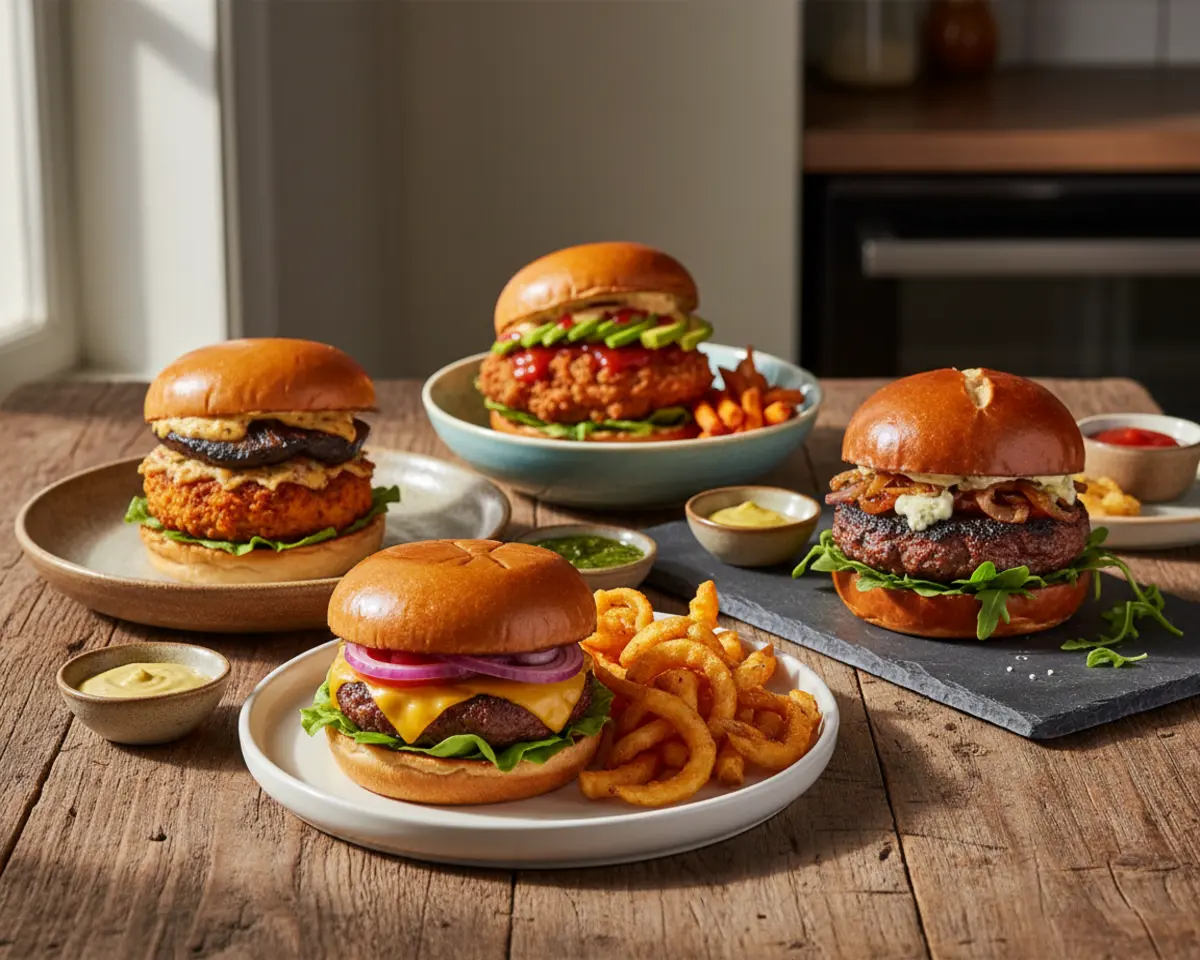
Looking for the best burger recipes to satisfy your cravings? Whether you’re after easy burger recipes for weeknight dinners or homemade burgers that’ll wow at your next cookout, this collection of beef burger recipes has everything you need to create mouthwatering patties that’ll have everyone asking for seconds.
I’ll never forget the summer my dad taught me to make burgers on our old charcoal grill. The sizzle of the meat hitting the grates, the smoky aroma drifting through the backyard, and that first juicy bite with cheese melting down the sides—pure magic.
That’s what a great burger should be: simple, satisfying, and packed with flavor. Today, I’m sharing my favorite burger recipes that range from classic beef patties to creative twists that’ll shake up your dinner routine.
Table of Contents
Quick Overview
There’s so much more to explore in our Complete Sandwiches & Wraps. From essential techniques to seasonal twists, it’s your go-to resource for all things Burger Recipes.
This burger collection covers everything from crispy-edged smash burgers to lighter turkey options and even deconstructed burger bowls. Each recipe brings something special to the table, whether you’re grilling outdoors or cooking on the stovetop.
You’ll find traditional beef burger recipes alongside creative variations that prove burgers can be way more than just fast food.
Smash Burgers (Copycat)
These thin, crispy-edged patties deliver maximum flavor with their caramelized crust and juicy centers. The secret is pressing the meat flat against a screaming-hot surface, creating those crispy brown bits that make smash burgers so addictive.
Perfect for a quick weeknight dinner, these smash burgers come together in under 15 minutes and taste just like your favorite burger joint.

Greek Turkey Burgers
When you want something lighter but still packed with flavor, these Mediterranean-inspired patties hit the spot. Mixed with feta, spinach, and herbs, they’re juicy and delicious without the heaviness of traditional beef burgers.
Top them with tzatziki and fresh veggies for a burger that feels like a mini vacation to the Greek islands. Give this fresh twist a try for your next healthy dinner night.

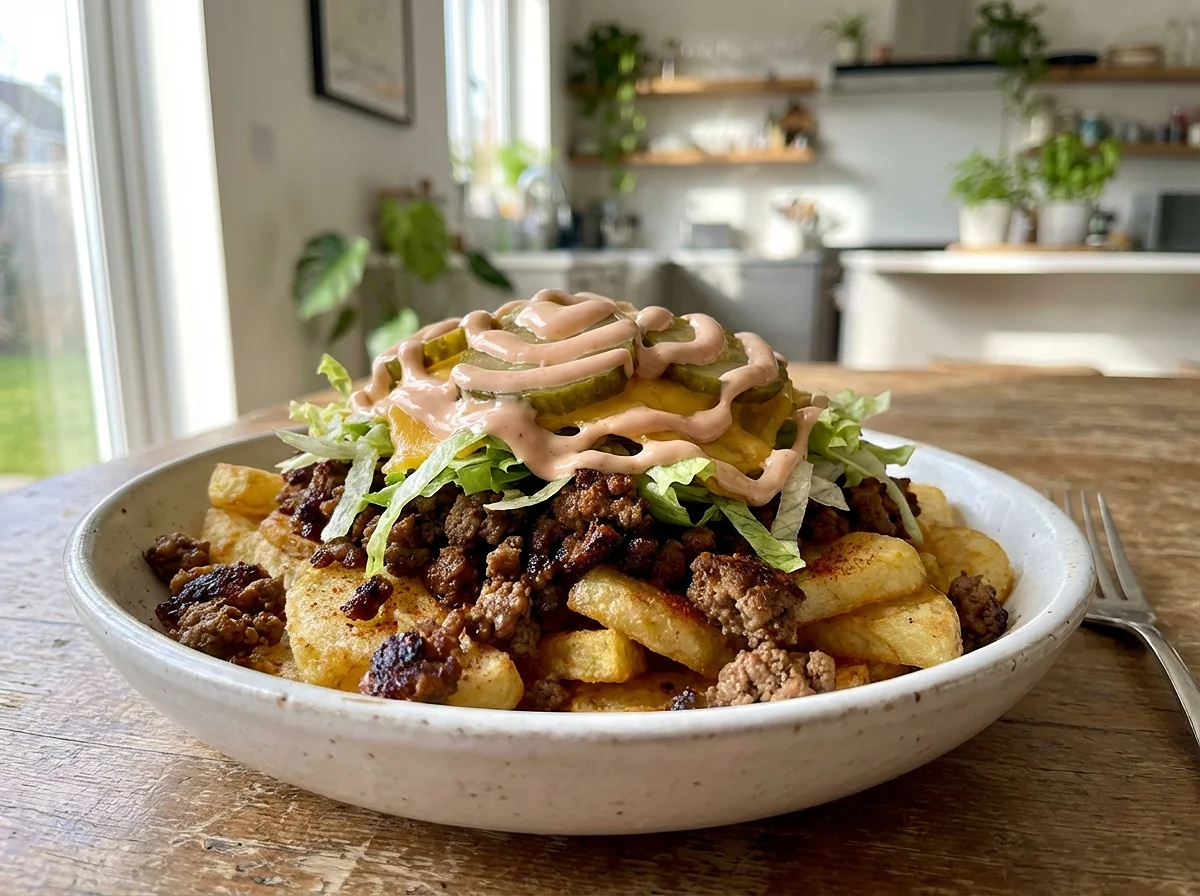
Burger Bowls
All the best parts of a burger without the bun—these bowls are perfect when you’re craving burger flavor but want to skip the carbs. Seasoned beef sits on a bed of crisp lettuce with all your favorite toppings like cheese, pickles, and special sauce.
They’re also way less messy to eat, which is a bonus when you’re meal prepping for the week. Try this deconstructed version that keeps all the flavor but makes weekday lunches a breeze.
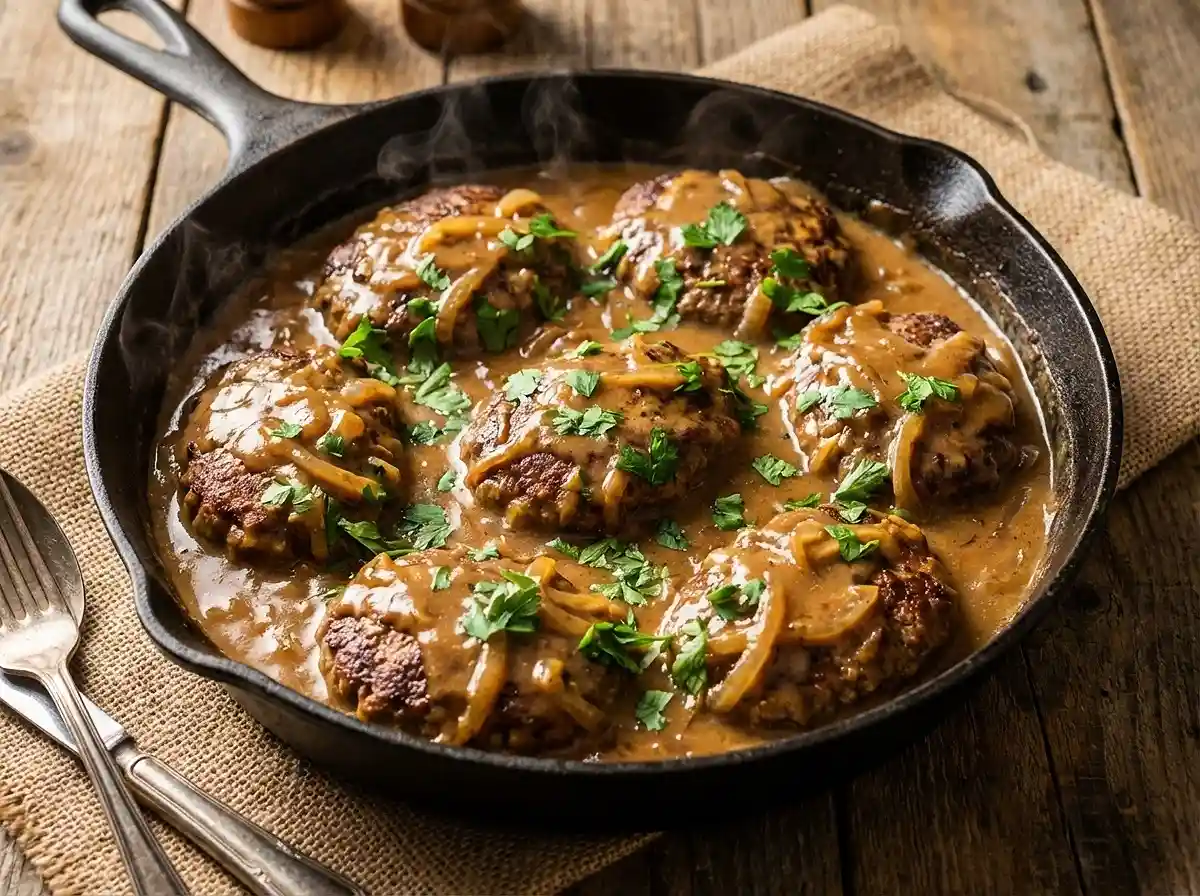
Amish Hamburger Steak Bake Recipe
This comforting casserole takes ground beef to cozy new heights with tender patties baked in a creamy mushroom sauce. It’s the kind of hearty, stick-to-your-ribs dinner that warms you from the inside out on chilly evenings.
Serve it over mashed potatoes or egg noodles for the ultimate comfort food experience. This baked version proves that homemade burgers can go way beyond the grill.
Expert Tips for Perfect Burgers Every Time
The secret to a juicy burger starts with the right meat blend. Look for ground beef with 80/20 lean-to-fat ratio—enough fat to keep things moist without being greasy.
Don’t overwork your meat when forming patties. Mix gently and handle the meat as little as possible to avoid tough, dense burgers. Serious Eats explains how protein bonds affect burger texture and why gentle handling matters so much.
Create a small dimple in the center of each patty before cooking. Burgers tend to puff up in the middle as they cook, and this little indent helps them stay flat and cook evenly.
Salt your burgers right before they hit the heat, not earlier. Salting too far in advance can draw out moisture and change the texture. Season generously on both sides just before cooking for the best crust and flavor.
Let your burgers rest for a couple minutes after cooking. This gives the juices time to redistribute throughout the meat, preventing that sad puddle of juice on your plate when you cut in.
Cooking Method Variations
While grilling is the classic burger method, don’t sleep on cast iron cooking. A screaming-hot cast iron skillet creates an incredible crust that’s hard to beat, especially for smash burgers.
For indoor cooking, Cook’s Illustrated breaks down the science of searing and why high heat is crucial for developing that flavorful brown crust through the Maillard reaction.
Sheet pan burgers are a game-changer when cooking for a crowd. Form your patties, arrange them on a lined baking sheet, and broil on high for 3-4 minutes per side. You can cook a dozen burgers at once without standing over a hot grill.
Air fryers also make surprisingly good burgers. They cook evenly, require no added oil, and cleanup is a breeze. Just don’t overcrowd the basket or they won’t get that nice exterior.
Topping Ideas to Mix Things Up
Classic cheese options like cheddar, American, or Swiss are always winners, but don’t be afraid to experiment. Blue cheese adds tangy punch, while pepper jack brings heat.
Caramelized onions take patience but they’re worth every minute. Cook sliced onions low and slow until they’re sweet and jammy—they add incredible depth to any burger.
Fresh toppings make all the difference. Crisp lettuce, ripe tomatoes, crunchy pickles, and sliced red onion provide texture and brightness that balance the rich meat.
Special sauces elevate homemade burgers to restaurant quality. Mix mayo with ketchup, pickle relish, and a splash of vinegar for a classic burger sauce. Or blend mayo with sriracha and lime juice for a spicy kick.
Choosing Your Bun
The bun matters more than you think. A wimpy bun falls apart under a juicy burger, while an overly thick one overwhelms the meat. Look for soft buns that are sturdy enough to hold everything together.
Toasting your buns is non-negotiable. Brush them with butter and toast cut-side down until golden. This creates a barrier that prevents sogginess and adds texture.
Brioche buns are slightly sweet and super soft, making them perfect for classic beef burgers. Pretzel buns offer a chewy texture with a hint of salt that pairs beautifully with cheese.
For burger bowls or low-carb options, lettuce wraps or portobello mushroom caps make excellent vessels that keep the focus on the meat and toppings.
Make-Ahead and Storage Tips
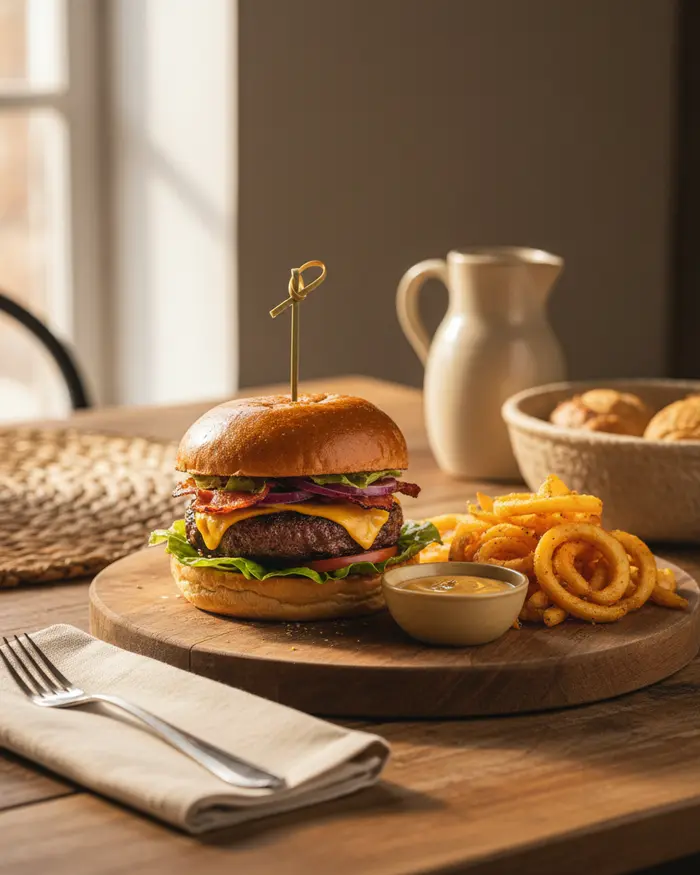
Form your patties ahead of time and stack them between parchment paper squares. They’ll keep in the fridge for up to 24 hours or freeze for up to three months.
When freezing, wrap each patty individually in plastic wrap before placing them in a freezer bag. This prevents them from sticking together and lets you grab just what you need.
Thaw frozen patties in the fridge overnight rather than on the counter. Slow thawing maintains better texture and food safety.
Cooked burgers can be refrigerated for 3-4 days. Reheat gently in a covered pan with a splash of water to keep them from drying out, or wrap in foil and warm in a 300°F oven.
Side Dish Pairings
Classic fries are always a crowd-pleaser, but sweet potato fries add a nice twist with their natural sweetness. Toss them with a little cornstarch before baking for extra crispiness.
Coleslaw provides a cool, crunchy contrast to hot burgers. A vinegar-based slaw cuts through the richness better than creamy versions.
Grilled vegetables like zucchini, bell peppers, and corn on the cob make perfect summer sides that complement without competing with your burger.
Potato salad, pasta salad, or baked beans round out a classic burger meal and work great for cookouts since they can be made ahead.
Seasoning Beyond Salt and Pepper
While salt and pepper are essential, other seasonings can take your easy burger recipes to new heights. Garlic powder adds savory depth without overpowering the beef flavor.
Worcestershire sauce mixed into the meat adds umami richness. Just a tablespoon or two per pound does the trick without making burgers soggy.
Smoked paprika brings subtle smokiness that’s especially good when you’re cooking indoors and missing that grilled flavor.
For spicy burgers, mix in cayenne pepper, red pepper flakes, or diced jalapeños. Start small—you can always add more heat but can’t take it away.
Common Burger Mistakes to Avoid
Pressing down on burgers while they cook is tempting but squeezes out all those precious juices. Let them cook undisturbed for better results.
Flipping too often messes with crust development. Flip once, maybe twice max. Each time you flip, you interrupt the browning process.
Overcooking is the fastest way to dry, tough burgers. Use a meat thermometer and pull beef burgers at 160°F for medium, 155°F for medium-rare.
Making patties too thick means the outside burns before the inside cooks through. Keep them about ¾ inch thick for even cooking.
Start Flipping Burgers Tonight
Whether you’re craving crispy smash burgers, lighter turkey options, or comforting baked casseroles, these beef burger recipes prove that homemade burgers beat takeout every single time.
Each recipe brings something different to your dinner table, so pick one that speaks to your current craving and fire up that skillet or grill.
Got a favorite burger topping combo or cooking tip? Drop it in the comments below—I’m always looking for new ways to make burger night even better. And if you try any of these recipes, snap a pic and share it with your fellow burger lovers!
Frequently Asked Questions
What is the best meat-to-fat ratio for juicy hamburgers?
The ideal meat-to-fat ratio for juicy burgers is 80/20, meaning 80 percent lean meat and 20 percent fat. This ratio provides enough fat to keep the burger moist and flavorful during cooking without being overly greasy. Leaner ratios like 90/10 tend to produce drier burgers, while higher fat content can cause excessive shrinkage and flare-ups on the grill.
How do I prevent my burger patties from shrinking while cooking?
To prevent burger shrinkage, make a small indentation or dimple in the center of each patty before cooking. This counteracts the natural tendency of burgers to puff up and shrink inward as they cook. Additionally, avoid overworking the meat when forming patties, do not press down on burgers while cooking, and make sure your patties are cold before they hit the heat.
What internal temperature should burgers reach for safe consumption?
Ground beef burgers should reach an internal temperature of 160 degrees Fahrenheit to be considered safe for consumption according to USDA guidelines. This temperature ensures that harmful bacteria are eliminated. Use a meat thermometer inserted into the thickest part of the patty to check. For turkey or chicken burgers, the safe internal temperature is 165 degrees Fahrenheit.
Should I add breadcrumbs or eggs to my burger mixture?
Traditional hamburgers do not require breadcrumbs or eggs, as these are typically used in meatloaf or meatballs. For classic burgers, using only ground beef with minimal seasoning allows the meat flavor to shine and creates a better texture. However, breadcrumbs and eggs can be added if you want to stretch the meat further or prefer a softer, more uniform texture similar to a meat patty rather than a steakhouse-style burger.
How long should I let burger patties rest after cooking?
Burger patties should rest for about 3 to 5 minutes after cooking. This resting period allows the juices to redistribute throughout the patty rather than running out when you bite into it. During this time, you can toast your buns, prepare toppings, or melt cheese on the burgers. The internal temperature will also continue to rise slightly during the rest.