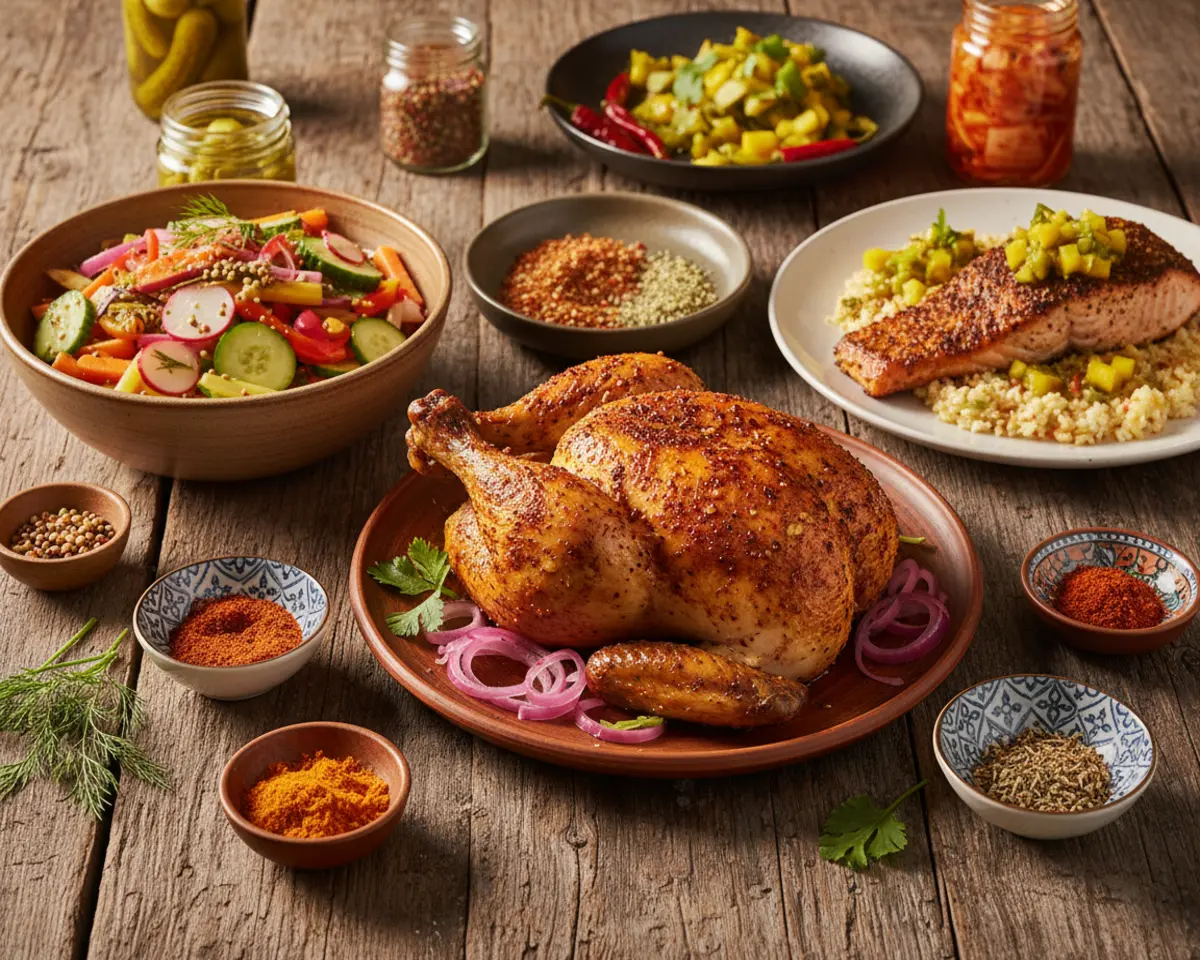
Seasoning Blends & Pickling
Discover the magic of Seasoning Blends & Pickling with this guide to creating rich, flavorful homemade spice mixes that transform everyday meals. Whether you’re whipping up DIY spice blends for quick dinners or mastering the art of pickling, these homemade seasoning blends deliver restaurant-quality flavor right from your pantry.
I’ll never forget the first time I cracked open a jar of store-bought “Italian seasoning” and was hit with that dusty, vaguely herbal smell. Something felt off. Then I made my own blend with fresh dried herbs, and wow—the difference was like night and day.
That little revelation sent me down a rabbit hole of homemade spice mix recipes, pickling experiments, and flavor layering that completely changed how I cook. Now my pantry’s stocked with jars of custom blends, and every meal feels a little more “me.”
If you’ve been relying on pre-made packets or shelling out big bucks for artisan spice blends, you’re in for a treat. Let’s dive into the world of seasoning blends and pickling—where a little DIY goes a long way.
Table of Contents
Quick Overview
This pillar post is your all-access pass to mastering homemade seasoning blends and pickling spices. We’ll walk through essential DIY spice blends, share recipes that showcase how to use them, and explore expert tips for balancing flavors and preserving freshness.
You’ll learn how to create signature spice mixes, unlock the science behind great seasoning, and elevate everything from weeknight dinners to show-stopping mains. Ready to ditch the store-bought stuff?
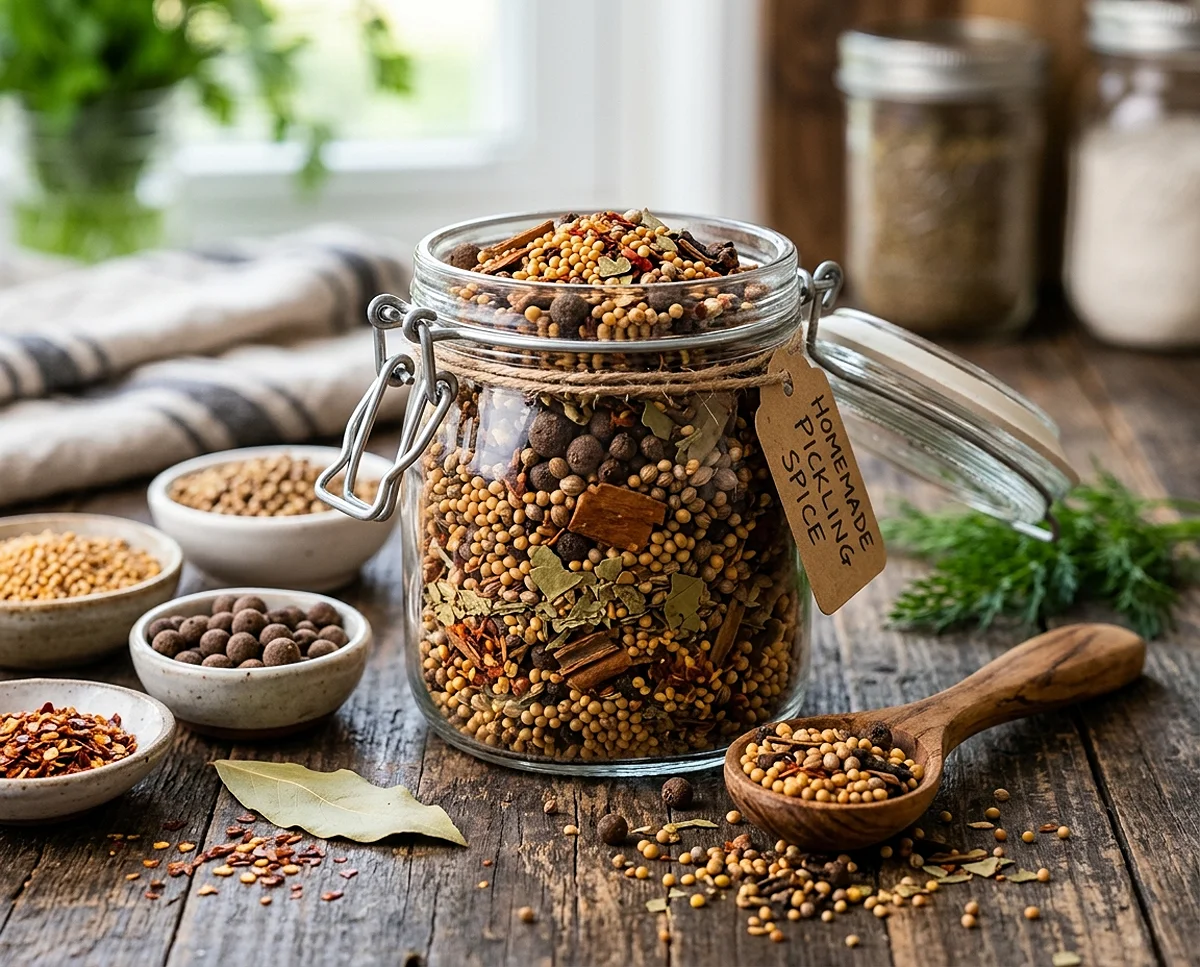
Homemade Pickling Spice
Nothing beats the warm, aromatic blend of coriander, mustard seed, and allspice when you’re pickling cucumbers, onions, or even eggs. Try this homemade pickling spice to bring that old-school deli flavor straight to your kitchen.
It’s dead simple to mix up a batch, and you’ll have total control over the heat level and spice balance. Plus, your house will smell amazing while you’re at it.
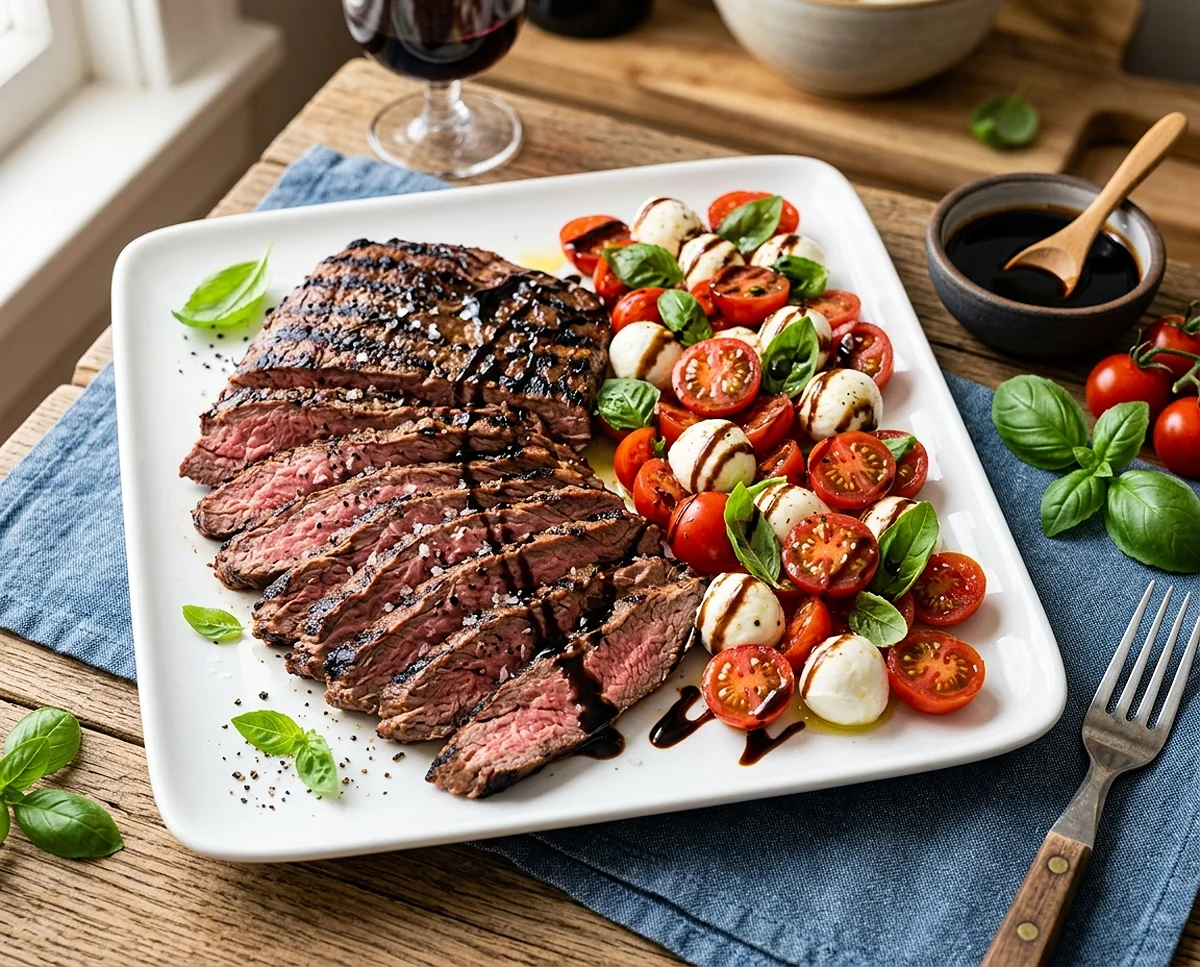
Grilled Flank Steak Caprese with Balsamic Dressing
Sometimes a stellar steak rub is all you need to take a simple cut to the next level. This grilled flank steak Caprese leans on a savory blend of garlic, herbs, and cracked pepper to build a flavorful crust.
Top it with fresh mozzarella, juicy tomatoes, and a drizzle of balsamic, and you’ve got a dish that’s equal parts rustic and refined. Perfect for summer grilling or a cozy indoor dinner.
White Chicken Enchiladas with Creamy White Sauce
A well-balanced taco or enchilada seasoning can make or break your Tex-Mex night. These white chicken enchiladas use a custom cumin-garlic-chili blend that blooms beautifully in the creamy white sauce.
It’s the kind of dish that makes everyone ask for seconds—and the recipe. Layering those DIY spice blends into the filling and the sauce gives you depth you just can’t buy in a packet.

ranch seasoning recipe
Ranch is the ultimate crowd-pleaser, and making it from scratch is shockingly easy. This ranch seasoning recipe combines dried herbs, garlic powder, and a touch of buttermilk powder for that signature tangy kick.
Use it in dips, dressings, or as a dry rub for roasted veggies and chicken. Once you taste homemade ranch, there’s no going back to the bottled stuff.

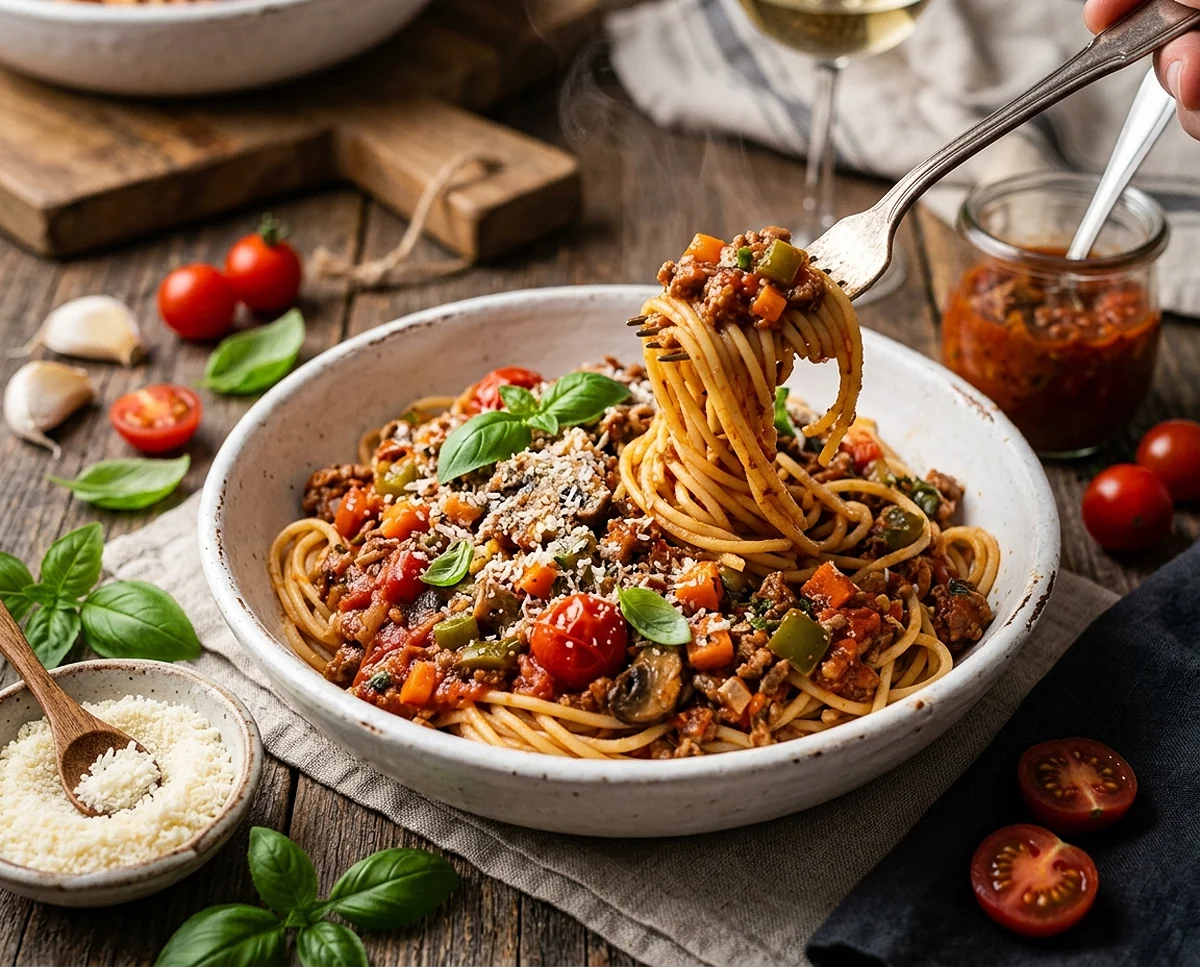
Quick and Dirty Spaghetti and Meat Sauce
Sometimes you need dinner on the table fast, and a killer Italian seasoning blend is your secret weapon. This quick spaghetti and meat sauce relies on a homemade mix of basil, oregano, and fennel to deliver big flavor in minimal time.
It’s the kind of weeknight win that feels way fancier than the effort required. Bonus: the leftovers taste even better the next day.
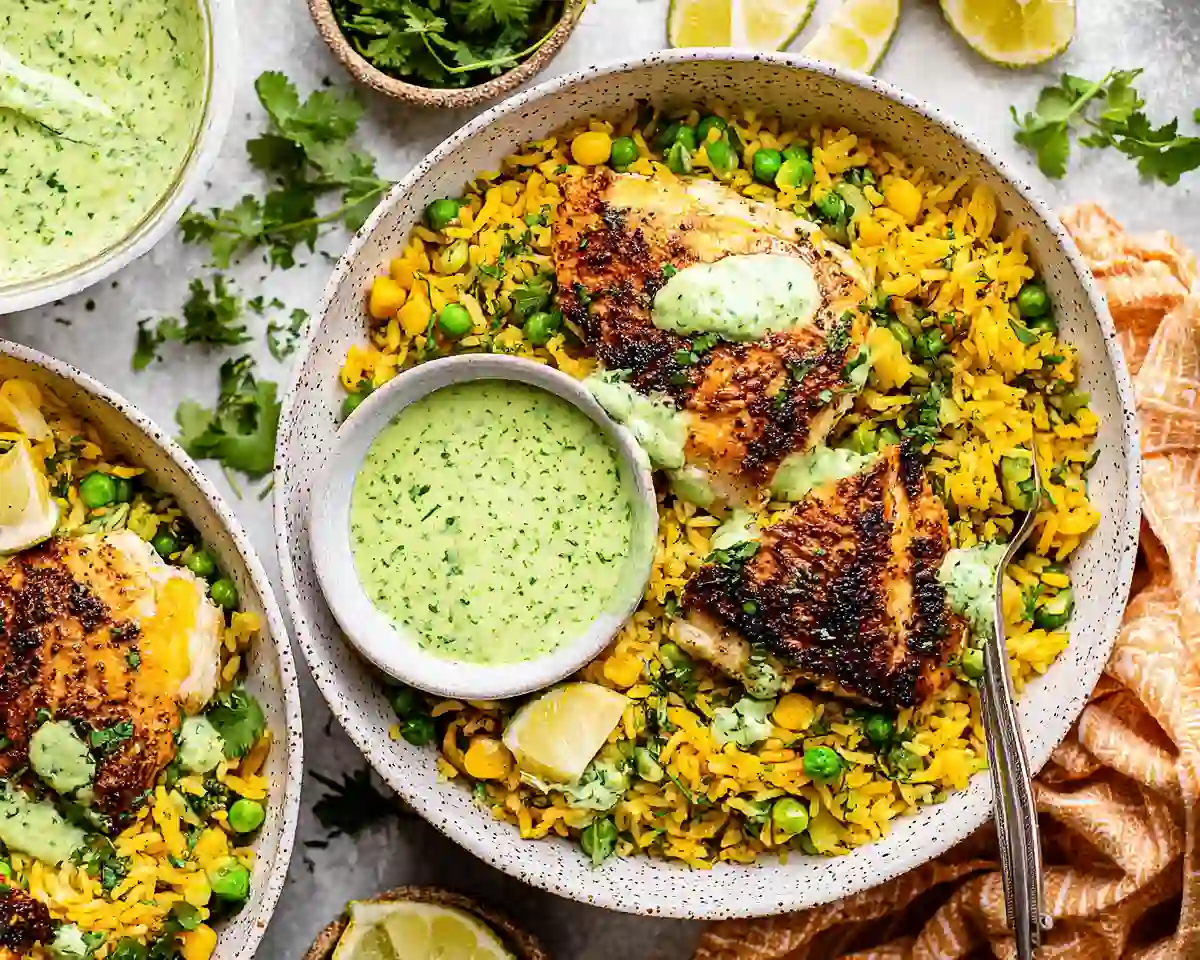
Peruvian Chicken and Rice with Green Sauce
Peruvian flavors are bold, bright, and totally addictive—and the spice blend is the star. This Peruvian chicken and rice gets its magic from a cumin-paprika-garlic marinade that caramelizes beautifully on the grill or in the oven.
Pair it with that tangy green sauce, and you’ve got a dish that’ll transport you straight to a Lima street market. It’s a flavor bomb in the best way.
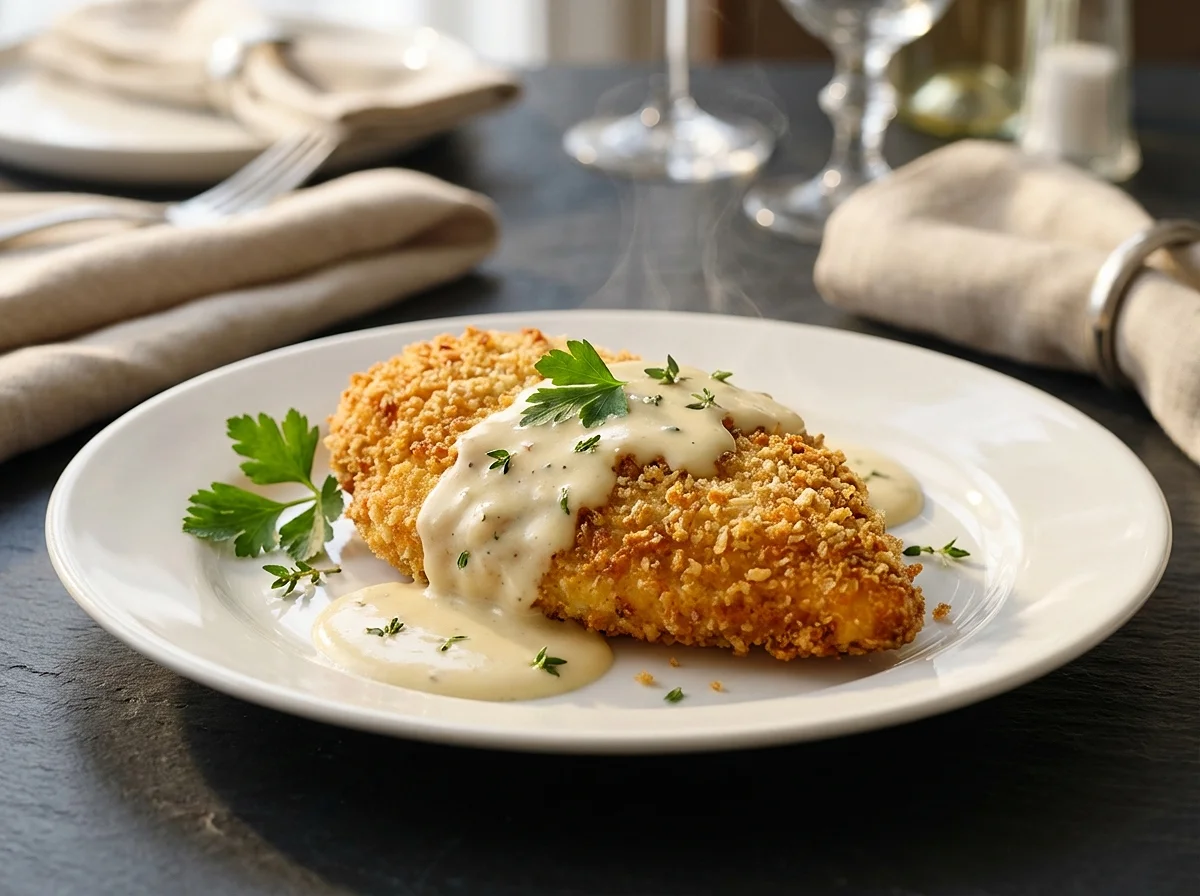
Parmesan Crusted Chicken with Creamy Garlic Sauce
A savory Parmesan-herb blend transforms plain chicken breasts into crispy, golden perfection. This Parmesan crusted chicken uses a mix of Italian herbs, garlic powder, and freshly grated cheese for that irresistible crust.
Drizzle on the creamy garlic sauce, and you’ve got a restaurant-quality meal that’s shockingly simple. It’s comfort food at its finest.
Japanese Katsu Bowls with Tonkatsu Sauce
Japanese panko breading gets an extra flavor boost from a custom spice blend of ginger, garlic, and white pepper. These katsu bowls are crispy, savory, and totally crave-worthy.
The homemade tonkatsu sauce ties it all together with tangy, umami-rich goodness. It’s the kind of bowl that makes you want to lick the plate clean.

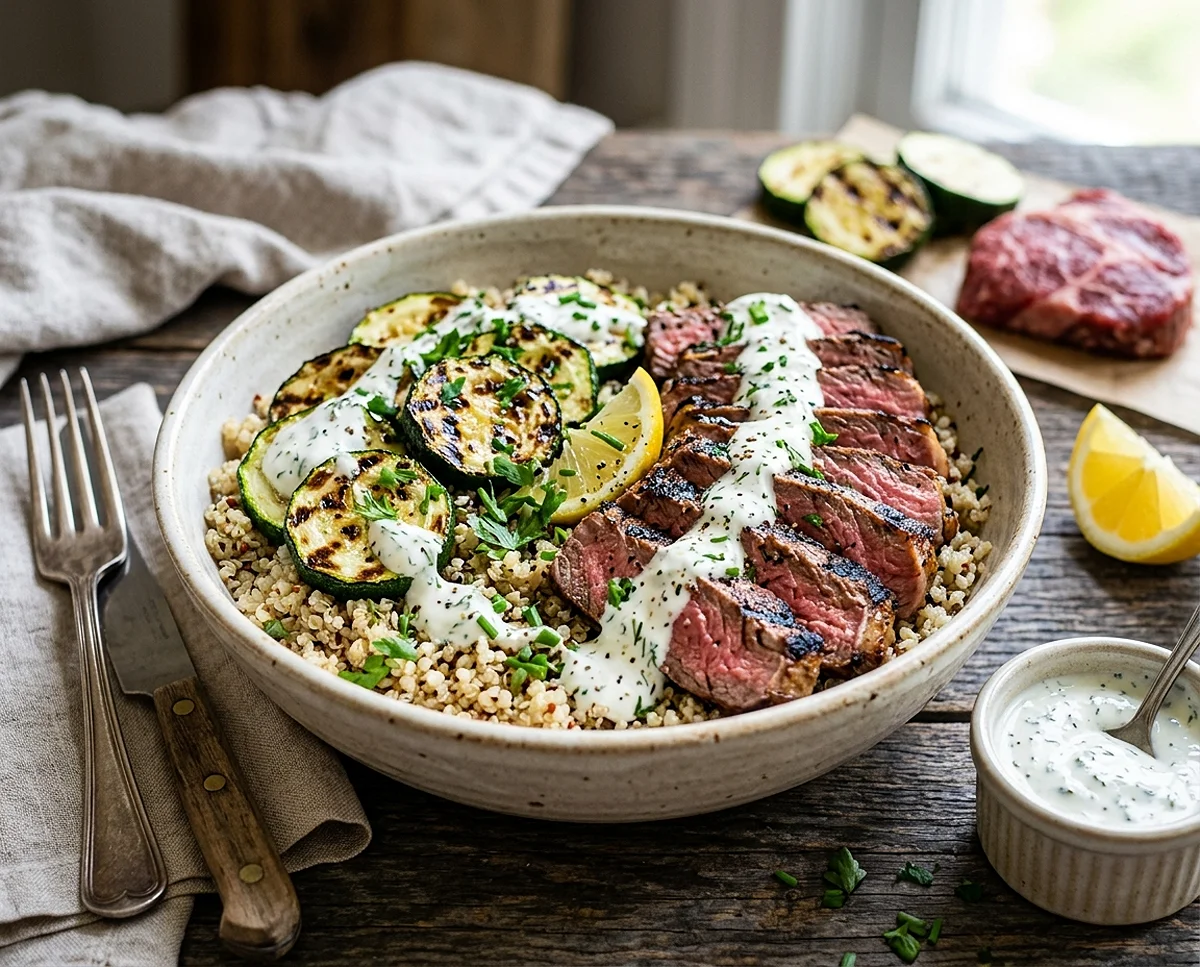
Grilled Steak & Zucchini Bowl with Creamy Sauce
A smoky, herbaceous rub is key to taking grilled steak and veggies from good to unforgettable. This steak and zucchini bowl uses a DIY blend of smoked paprika, thyme, and black pepper to create a charred, flavorful crust.
Top it with a creamy, garlicky sauce, and you’ve got a meal that’s both healthy and indulgent. It’s summer grilling at its best.
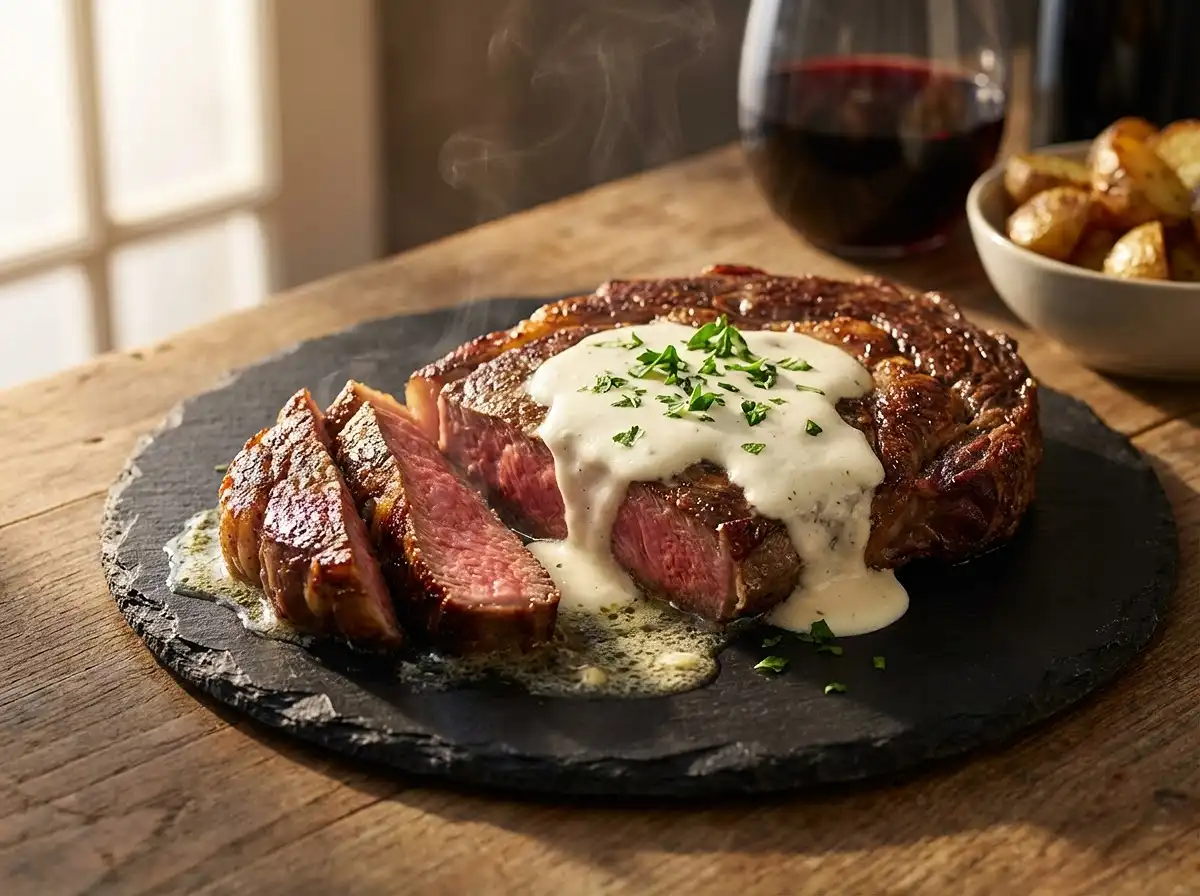
Garlic Butter Steak with Parmesan Cream Sauce
When you want to impress, a simple garlic-herb butter and a killer seasoning blend are all you need. This garlic butter steak gets a flavor boost from a homemade spice mix that complements the rich Parmesan cream sauce perfectly.
It’s the kind of dish that makes you feel like a fancy chef, even if you’re cooking in sweatpants. Pure decadence on a plate.
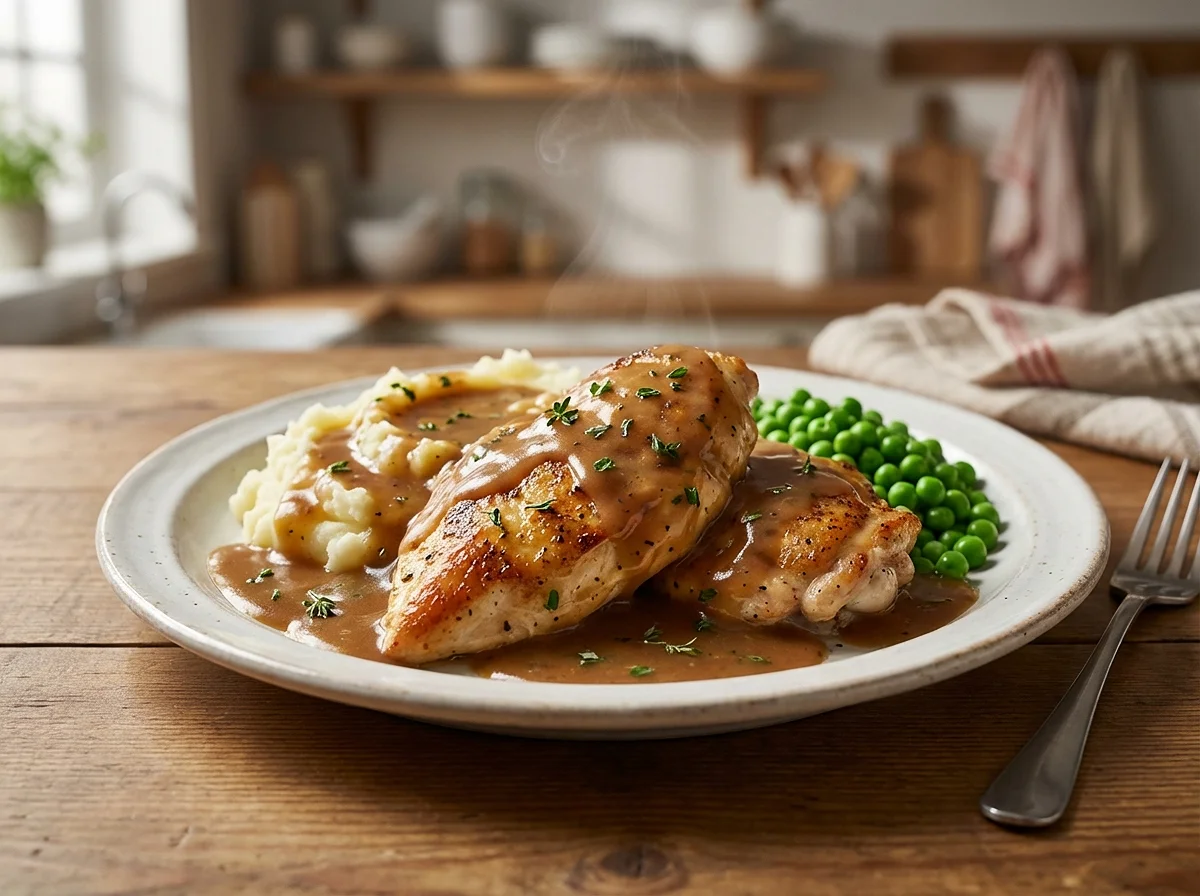
Chicken and Gravy Stovetop
Old-school comfort food relies on a balanced poultry seasoning blend to make that gravy sing. This stovetop chicken and gravy uses a homemade mix of sage, thyme, and onion powder to build layers of savory goodness.
Serve it over mashed potatoes or biscuits, and you’ve got the ultimate cozy dinner. It’s nostalgia in a skillet.
Cajun Steak Tips in Cheesy Rigatoni Parmesan Sauce
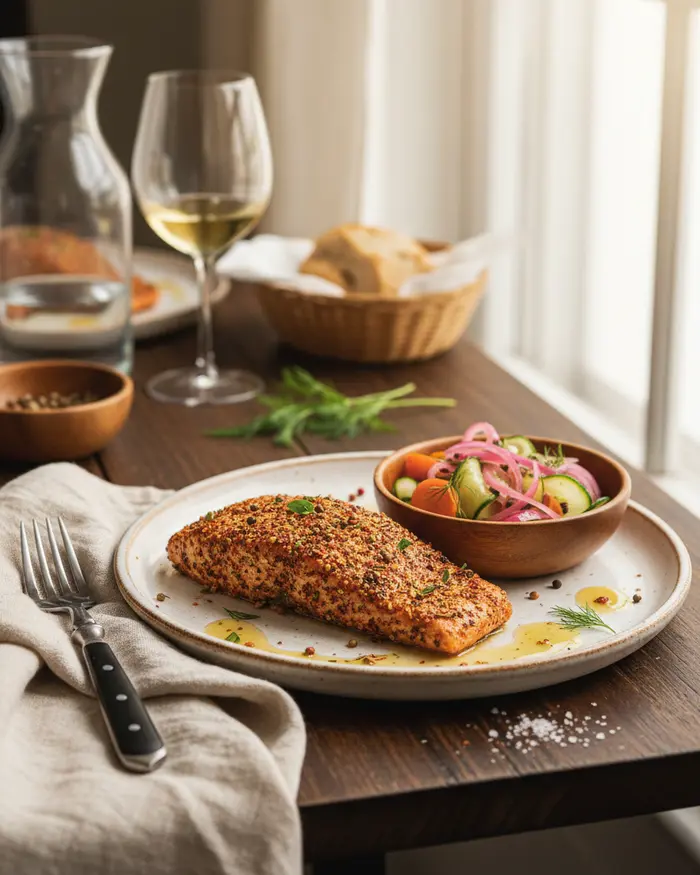
Cajun seasoning brings the heat and the flavor, and this dish is proof. These Cajun steak tips are coated in a bold, spicy blend that caramelizes beautifully and plays off the creamy, cheesy rigatoni.
It’s a one-pan wonder that’s perfect for spice lovers. Just be ready to double the recipe—it disappears fast.

Expert Tips for Mastering Homemade Spice Blends
The secret to great homemade seasoning blends is understanding how flavors work together. Start by toasting whole spices in a dry pan—this step releases essential oils and deepens the flavor. Store your DIY spice blends in airtight glass jars away from light and heat. Label them with the date—most blends stay fresh for about six months. After that, they start to lose their punch.
Don’t be afraid to experiment with ratios. Start with a base recipe, then tweak it to your taste. Love more heat? Add extra cayenne. Prefer earthy flavors? Up the cumin or coriander. And here’s a pro tip: always add a pinch of sugar or brown sugar to savory blends. It helps balance bitterness and enhances caramelization when you’re grilling or roasting.
The Science Behind Perfect Pickling
Pickling is all about acid, salt, and aromatics working together to preserve and flavor your veggies. Vinegar lowers the pH, creating an environment where harmful bacteria can’t survive. Cook’s Illustrated dives into the chemistry, explaining how different vinegars (white, apple cider, rice) affect flavor and preservation. White vinegar gives a sharp, clean tang, while apple cider adds a mellow sweetness.
Your pickling spice blend is what makes the magic happen. Mustard seeds add pungency, coriander brings citrusy warmth, and allspice offers a hint of sweetness and spice. For quick pickles, you don’t need to can or process—just pour hot brine over your veggies, let them cool, and refrigerate. They’ll be ready to eat in a few hours and keep for weeks.
Want crunchier pickles? Add a grape leaf or a pinch of calcium chloride (pickle crisp) to the jar. The tannins help maintain that signature snap.
Variations and Flavor Twists
Once you’ve mastered the basics, it’s time to get creative. Try adding smoked paprika to your ranch seasoning for a BBQ twist, or mix in dried lime zest to your Cajun blend for a citrusy kick.
For pickling spice, swap in star anise or cardamom for an exotic, aromatic profile. You can even make a sweeter version with cinnamon and cloves for pickling fruit. Don’t overlook fresh herbs, either. Blend dried herbs with a little fresh rosemary or thyme right before using for a burst of brightness. It’s a game-changer for roasted meats and veggies.
And if you’re feeling adventurous, try fermenting your pickles instead of using vinegar. It takes longer, but the probiotic-rich, tangy result is worth the wait.
Start Your Spice Blend Journey Today
Now that you’ve got the lowdown on seasoning blends and pickling, it’s time to get in the kitchen and start experimenting. Make a batch of your favorite blend, try a new recipe, and see how much more vibrant your meals become.
Have a favorite spice combo or a pickling trick you swear by? Drop a comment below—I’d love to hear what’s working in your kitchen. And if you make any of these recipes, snap a pic and tag me. Let’s celebrate good food together!
Frequently Asked Questions
What is the difference between seasoning blends and single spices?
Seasoning blends are combinations of multiple herbs, spices, and sometimes salt or sugar mixed together to create a specific flavor profile, while single spices contain only one ingredient. Blends offer convenience and balanced flavor without measuring multiple ingredients separately.
How long do homemade seasoning blends stay fresh?
Homemade seasoning blends typically stay fresh for 6 months to 1 year when stored in airtight containers in a cool, dark, and dry place. Ground spices lose potency faster than whole spices, so it is best to make smaller batches and check for aroma before use.
What is the basic ratio for making pickle brine?
A standard pickle brine ratio is 1 part vinegar to 1 part water with 1 tablespoon of salt per cup of liquid. This can be adjusted based on preference, with some recipes using more vinegar for tangier pickles or adding sugar for sweet pickles.
Can I reuse pickling brine for multiple batches?
It is not recommended to reuse pickling brine for canning purposes as it becomes diluted and less acidic, which can compromise food safety. However, you can reuse brine once for quick refrigerator pickles with fresh vegetables that will be consumed within a few weeks.
What are the essential spices for pickling?
Essential pickling spices include mustard seeds, black peppercorns, coriander seeds, dill seeds, bay leaves, and red pepper flakes. Other common additions are cloves, allspice berries, garlic, and fresh dill. These spices can be used whole or ground depending on the desired intensity and appearance.