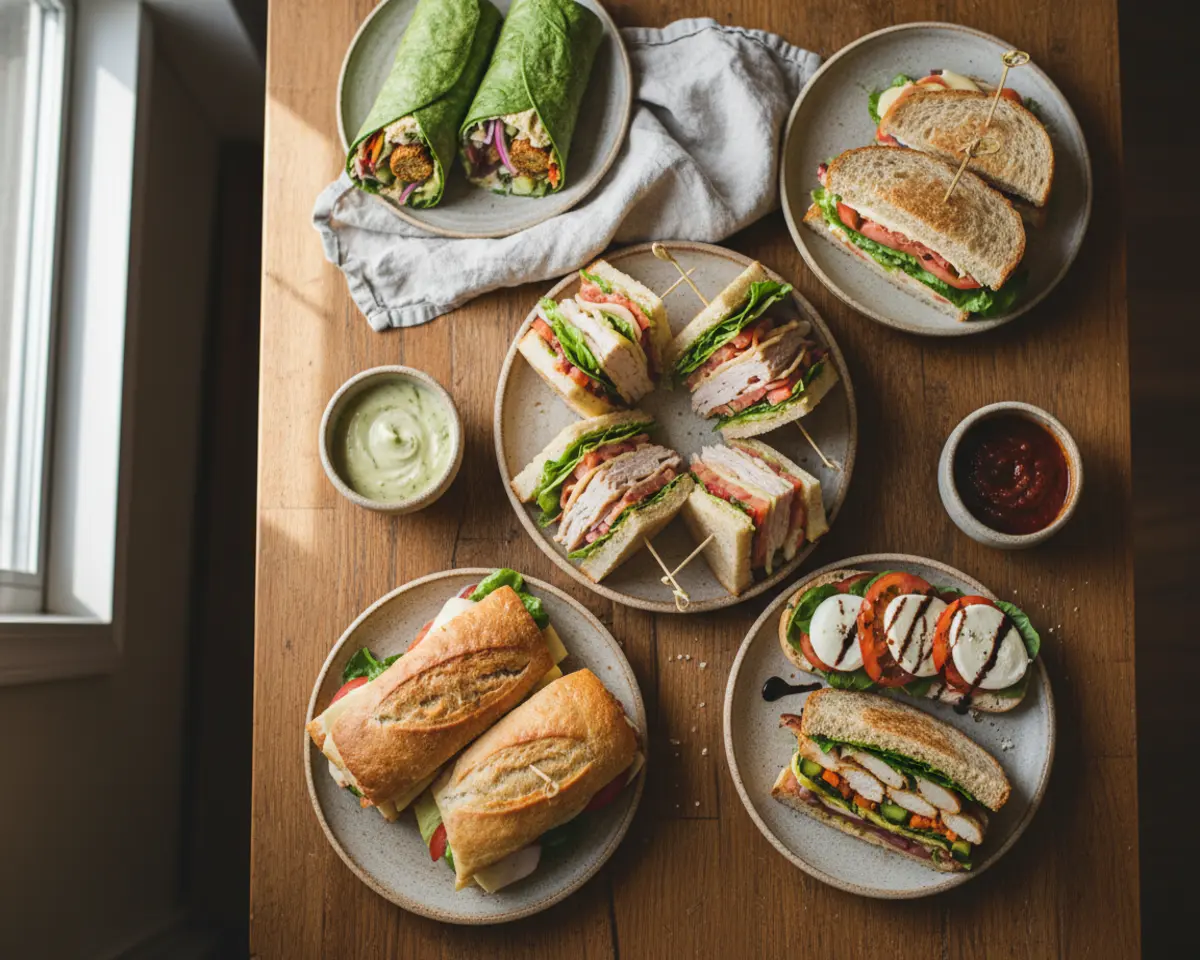
Sandwiches & Wraps
I still remember the first time I realized sandwiches could be more than boring school lunch fare. I was standing in my grandmother’s kitchen, watching her laye
Your complete resource for mastering every type of sandwich and wrap, from simple weekday lunches to impressive party platters that bring everyone together.
Table of Contents
I still remember the first time I realized sandwiches could be more than boring school lunch fare. I was standing in my grandmother’s kitchen, watching her layer crispy bacon, sun-ripened tomatoes, and creamy avocado between slices of toasted sourdough. The way she spread mayo right to the edges, the satisfying crunch when she cut it diagonally, the little sprinkle of black pepper on top.
That single sandwich changed everything I thought I knew about handheld meals.
Twenty years and countless sandwiches later, I’ve learned that the space between two slices of bread or wrapped in a tortilla holds infinite possibilities. Whether you’re packing school lunches, feeding hungry teenagers after soccer practice, or hosting a casual dinner party, mastering sandwiches and wraps means you’re never more than ten minutes away from something delicious.
I’ve spent years perfecting everything from classic club sandwiches to creative wrap combinations that make my family actually excited about leftovers. This comprehensive guide brings together all my favorite sandwich recipes, wrap ideas, and the techniques that transform simple ingredients into memorable meals.
Let me walk you through everything you need to become a sandwich and wrap expert in your own kitchen.
The Quick Guide
Before we dive into specific recipes and techniques, here’s what you need to know about mastering sandwiches and wraps in your kitchen:
- Bread matters immensely: Match your bread texture and flavor to your filling intensity for balanced bites every time
- Layer strategically: Place wet ingredients in the center with protective barriers to prevent soggy bread disasters
- Temperature creates interest: Contrast warm and cool elements for more exciting eating experiences
- Wraps need proper rolling: Fold sides first, then roll tightly forward while tucking to prevent unraveling
- Make-ahead is possible: Most sandwiches and wraps hold beautifully for 4-6 hours when wrapped properly and refrigerated
What Makes Sandwiches & Wraps Special
Sandwiches and wraps represent the ultimate flexible meal category. They work for breakfast, lunch, dinner, snacks, picnics, and parties. They’re endlessly customizable, accommodating virtually any dietary preference or ingredient combination you can imagine. The beauty lies in their simplicity and the way they transform ordinary ingredients into portable, satisfying meals.
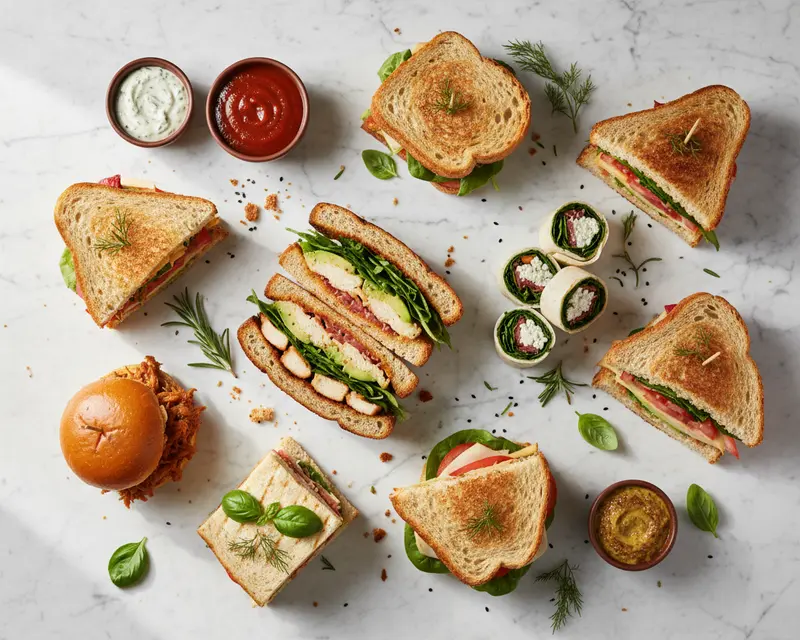
What truly sets exceptional sandwiches and wraps apart is the attention to detail in construction. The best versions balance textures, with crunchy elements against creamy spreads, and soft bread or wraps that hold everything together without overwhelming the fillings.
Temperature contrasts make each bite more interesting, whether that’s warm grilled chicken in a cool crisp wrap or melted cheese against fresh vegetables.
These handheld meals shine during busy weekdays when you need something quick, during casual gatherings when you want food that encourages conversation rather than formal dining, and for meal prep when you’re planning ahead. They’re approachable enough for beginner cooks but sophisticated enough to impress when you apply proper techniques and quality ingredients.
Chicken Caesar Wraps
These wraps combine the classic flavors of Caesar salad with tender chicken in a portable format that’s become a lunchtime favorite. Our complete chicken Caesar wraps collection shows you how to achieve that perfect balance of crisp romaine, creamy dressing, and savory parmesan that makes every bite satisfying without the mess of a traditional salad.
Perfect for anyone who loves the Caesar flavor profile but needs something more substantial and portable. These wraps work brilliantly for work lunches, picnic baskets, or light dinners when you want something fresh but filling. The key is keeping the lettuce crisp and the chicken moist while ensuring your wrap stays together until that first bite.
Sliders
Sliders pack all the satisfaction of a full-sized burger or sandwich into adorable, poppable portions that make parties and gatherings instantly more fun. Explore our complete sliders guide for techniques on everything from classic beef sliders to creative pulled pork and vegetarian versions that disappear from platters in minutes.
These mini sandwiches are ideal for entertaining because guests can try multiple varieties without committing to a full-sized sandwich. They’re also perfect for kids who get overwhelmed by large portions, and for meal prep when you want individually portioned options that reheat beautifully.
The small format means faster cooking times and the ability to create impressive variety without extra effort.
Burger Recipes
Burgers represent the pinnacle of sandwich craft, where the quality of each component and the technique in cooking creates something far greater than the sum of its parts. Our comprehensive burger recipes guide covers everything from achieving the perfect sear on beef patties to creative turkey, salmon, and veggie burger variations that satisfy every craving.
Choose burger recipes when you want that classic American comfort food experience, whether you’re firing up the grill on summer weekends or cooking indoors on a cast iron skillet during winter months. Burgers work for casual family dinners, backyard cookouts, and game day gatherings. The techniques here apply to any ground meat or plant-based patty, making this knowledge infinitely versatile.
Sandwich Recipes
This category covers the entire world of classic sandwiches, from simple two-ingredient combinations to elaborate multi-layer constructions that require architectural precision. Dive into our full sandwich recipes collection for everything from perfect grilled cheese to Italian subs, club sandwiches, and creative combinations that transform ordinary lunch into something special.
These recipes are essential for anyone who prepares weekday lunches, packs school meals, or wants reliable options for quick dinners when cooking feels overwhelming. Traditional sandwich recipes provide the foundation techniques that apply across countless variations, teaching you how to build layers properly, prevent sogginess, and create balanced flavor in every bite.
Wraps Handhelds
Wraps and handheld options expand beyond traditional sandwiches into global flavors and alternative vessels that hold fillings with different textures and styles. Check out our complete wraps and handhelds guide for techniques on rolling tight wraps, creating Mediterranean-inspired pitas, assembling tacos, and mastering other international handheld formats.
Perfect for anyone seeking variety beyond bread-based sandwiches, these recipes accommodate gluten-free diets more easily and often feel lighter while still providing satisfying meals. Wraps work beautifully for cold lunches that travel well, and many handheld options bring exciting international flavors to your regular meal rotation without requiring extensive cooking skills.
Expert Category Guide
Mastering sandwiches and wraps requires understanding the fundamental techniques that separate mediocre handheld meals from truly exceptional ones. These methods apply whether you’re making a simple turkey sandwich or an elaborate pressed panini with multiple components.
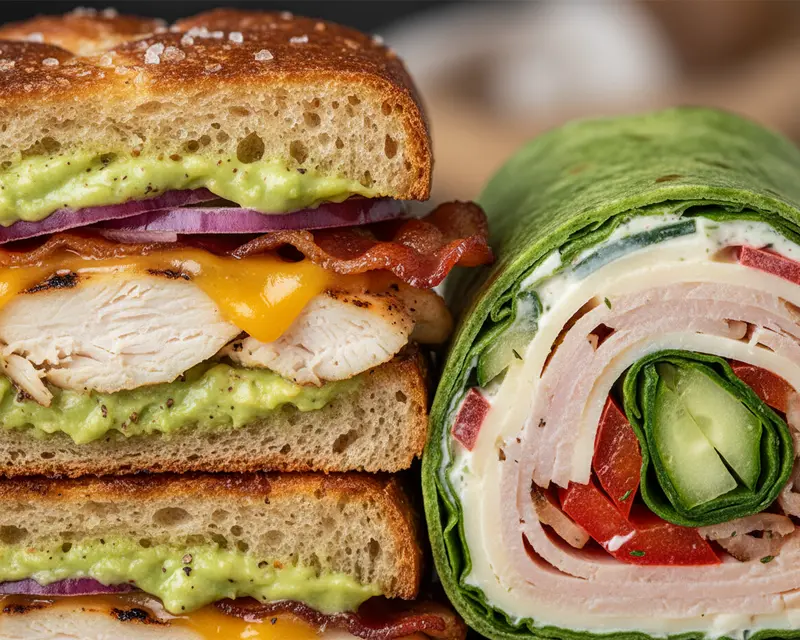
Essential Techniques
The foundation of great sandwiches and wraps starts with proper bread or wrap selection. Match sturdy breads like ciabatta or sourdough with heavy, wet fillings to prevent structural collapse. Use softer breads like brioche or potato rolls with delicate fillings that don’t need extra support.
For wraps, ensure tortillas are room temperature and pliable before filling to prevent cracking during rolling.
Layering strategy matters more than most people realize. Place your wettest ingredients in the center of sandwiches and wraps, creating barriers with cheese, lettuce, or other ingredients that prevent moisture from migrating to the bread. Spread condiments like mayo or mustard on both sides of bread to create a moisture barrier that keeps everything fresh longer.
Temperature management elevates ordinary sandwiches into memorable meals. Consider warming certain components while keeping others cool, like grilled chicken with crisp cold lettuce in Caesar wraps. Toast bread when you want texture contrast, or keep it soft when your fillings provide enough textural variety.
Room temperature cheese melts faster and more evenly than cold cheese straight from the refrigerator.
For wraps specifically, master the fold-and-roll technique. Place fillings in a horizontal line slightly below center, fold the bottom edge up over fillings, fold both sides inward, then roll forward tightly while tucking to create a secure cylinder. Wrapping tightly in parchment paper or foil helps maintain shape during transport and storage.
Ingredient Spotlight
Quality bread defines sandwich success more than any other component. Fresh bakery bread with good crust and crumb structure holds fillings better and tastes infinitely superior to mass-produced options. Store bread properly in paper bags at room temperature for same-day use, or freeze for longer storage, avoiding refrigeration which accelerates staleness.
Condiments provide moisture and flavor that bind all components together. Beyond basic mayo and mustard, consider aioli, pesto, hummus, or flavored cream cheese spreads that add personality. Make your own when possible, as homemade versions contain no stabilizers and taste noticeably fresher than jarred alternatives.
Vegetables add crucial crunch and freshness that prevent sandwiches from feeling heavy. Lettuce varieties like romaine, butter lettuce, or arugula provide different textures and flavors. Tomatoes should be sliced consistently and salted lightly to draw out sweetness. Pickles, onions, and peppers introduce acidity that cuts through rich proteins and cheeses.
Proteins anchor most sandwiches and wraps, whether deli meats, roasted chicken, grilled steak, or plant-based alternatives. Slice meats thinly and layer multiple slices rather than using thick chunks, which create uneven bites and structural issues. Season proteins properly before assembly, as under-seasoned meat cannot be fixed by condiments alone.
Cheese selection impacts both flavor and texture. Melting cheeses like cheddar, Swiss, or provolone work for hot sandwiches. Aged hard cheeses like parmesan add salty intensity without overwhelming. Fresh cheeses like mozzarella or goat cheese provide creamy contrast. Match cheese intensity to your other ingredients for balanced flavors throughout.
Seasonal Considerations
Summer sandwiches and wraps shine with fresh tomatoes, crisp lettuce, and ingredients that don’t require heating. Cold wraps, pressed sandwiches, and options featuring seasonal vegetables work perfectly for hot weather when you want minimal cooking. Picnic-friendly versions that hold well without refrigeration become essential during outdoor gatherings and beach trips.
Fall brings heartier sandwich options featuring roasted vegetables, turkey, and warming spices that complement cooler weather. Hot pressed sandwiches, melts, and options featuring autumn produce like apples, squash, or Brussels sprouts feel appropriate. Soup and sandwich combinations become appealing as temperatures drop and comfort food cravings increase.
Winter calls for hot sandwiches and wraps that provide warmth and comfort. Grilled cheese, panini, and melted options dominate this season. Slow-cooked meats like pulled pork or pot roast make exceptional filling choices. French dips, Reubens, and other hot sandwich classics satisfy cold-weather appetites that demand substantial, warming meals.
Spring welcomes lighter sandwiches and wraps featuring fresh herbs, tender greens, and the first seasonal vegetables. Chicken salad sandwiches, vegetable wraps, and options highlighting peas, asparagus, or radishes celebrate renewed growing seasons. This transitional period works well for both cold and warm sandwich varieties as weather fluctuates.
Skill Level Guide
Beginners should start with simple cold sandwiches that require no cooking beyond assembly. Classic combinations like turkey and cheese, peanut butter and jelly, or basic veggie sandwiches teach fundamental layering and ingredient balance without technical cooking skills. Focus on proper spreading techniques and learning which ingredients work together before advancing to complex preparations.
Intermediate cooks can tackle hot sandwiches that require cooking components separately before assembly. Grilled cheese, basic burgers, and simple wraps with cooked proteins build confidence with temperature management and timing. Practice achieving proper doneness on proteins, melting cheese evenly, and coordinating multiple components so everything finishes simultaneously.
Advanced techniques include pressed sandwiches, elaborate multi-component burgers, and wraps with multiple cooked elements that require precise timing. Master skills like achieving restaurant-quality sears on burger patties, creating perfectly crispy panini with ideal grill marks, and developing your own signature sauce and spread recipes that elevate any sandwich.
Expert-level sandwich and wrap creation involves developing original recipes, understanding flavor theory that guides ingredient pairing, and executing restaurant-quality presentations. Create complex flavor profiles balancing sweet, salty, acidic, and umami elements. Master advanced techniques like making your own bread, smoking meats for sandwiches, or fermenting vegetables for unique toppings.
Storage & Make-Ahead Tips
Most sandwiches and wraps hold well for four to six hours when wrapped tightly in plastic wrap or parchment paper and refrigerated. Separate wet ingredients like tomatoes or pickles, adding them just before eating to prevent sogginess. Pack condiments separately in small containers when possible, allowing final assembly at serving time.
For sandwiches and wraps prepared the night before, toast bread lightly even if serving cold, as toasting creates a moisture barrier that maintains texture longer. Layer strategically with cheese or lettuce against bread to protect from wet ingredients. Store wrapped sandwiches in airtight containers to prevent refrigerator odors from affecting flavors.
Freezing works surprisingly well for certain sandwiches, particularly those without fresh vegetables or condiments. Assemble sandwiches with cooked proteins and cheese, wrap tightly in plastic wrap then aluminum foil, and freeze for up to one month. Thaw overnight in refrigerator and add fresh vegetables and condiments before serving.
Meal prep strategies for sandwiches and wraps include preparing all components separately and storing in individual containers. Cook and slice proteins, wash and dry vegetables, portion condiments, and keep everything organized so assembling fresh sandwiches takes just minutes. This approach maintains optimal texture while providing convenient ready-to-assemble options throughout the week.
Hot sandwiches generally don’t store well assembled, but components can be prepped ahead. Prepare and refrigerate cooked proteins, shredded cheese, and sliced vegetables. When ready to serve, assemble and heat sandwiches fresh for best texture and flavor. Reheating pre-assembled hot sandwiches often results in soggy bread and uneven heating.
Comparison & Selection Guide
Choosing between different sandwich and wrap categories depends on your specific needs, skill level, and occasion. Understanding which option suits your situation helps ensure success and satisfaction every time you prepare handheld meals.
Choose chicken Caesar wraps when you want something lighter and fresher that still provides protein and satisfaction. These work beautifully for lunch, particularly during warmer months when heavy hot sandwiches feel too substantial. They’re ideal for meal prep since components store separately and assembly takes mere minutes.
Perfect for anyone watching portions while still wanting flavorful, complete meals.
Select sliders when entertaining groups or when you want variety without committing to single flavors. The miniature format allows guests to sample multiple varieties, making them perfect for parties, game day gatherings, or casual entertaining. Choose sliders when cooking for mixed groups with different preferences, as you can offer several flavor profiles simultaneously.
They’re also excellent for kids who prefer smaller portions.
Opt for burger recipes when you crave that classic American comfort food experience and want to master foundational grilling or pan-searing skills. Burgers work for casual family dinners, weekend cookouts, and any time you want something substantial and satisfying.
Choose this category when you have access to quality ground meat or want to experiment with veggie burger alternatives that require proper binding and seasoning techniques.
Pick traditional sandwich recipes when you need reliable, straightforward options for weekday lunches, quick dinners, or classic comfort food. This category provides the most versatility since it covers everything from cold deli sandwiches to elaborate hot pressed creations.
Choose sandwiches when you want familiar flavors, need make-ahead lunch options, or want recipes that accommodate whatever ingredients you have available.
Go with wraps and handhelds when you want to explore international flavors, need gluten-free alternatives, or prefer meals that feel lighter than bread-based sandwiches. This category introduces techniques beyond traditional sandwich construction, including proper wrap rolling, pita stuffing, and taco assembly.
Select this option when seeking variety in your meal rotation or when dietary restrictions make traditional bread sandwiches less appealing.
Consider preparation time when choosing between categories. Cold sandwiches and simple wraps require minimal time and no cooking skills. Hot sandwiches and burgers need more active cooking but still come together relatively quickly. Sliders require batch cooking but allow you to prepare multiple varieties efficiently. Match your choice to available time and energy levels.
Think about portability and storage needs. Wraps generally travel better than traditional sandwiches since their structure contains fillings more securely. Sliders work wonderfully for potlucks and parties where individual portions make serving easier. Cold sandwiches hold longer without refrigeration than hot varieties, making them ideal for picnics and packed lunches.
Factor in skill level honestly. If you’re building confidence in the kitchen, start with basic cold sandwiches before progressing to burgers that require proper cooking technique. Wraps need practice to roll tightly without tearing. Sliders involve timing multiple components simultaneously. Match your selection to current skills while challenging yourself to grow gradually.
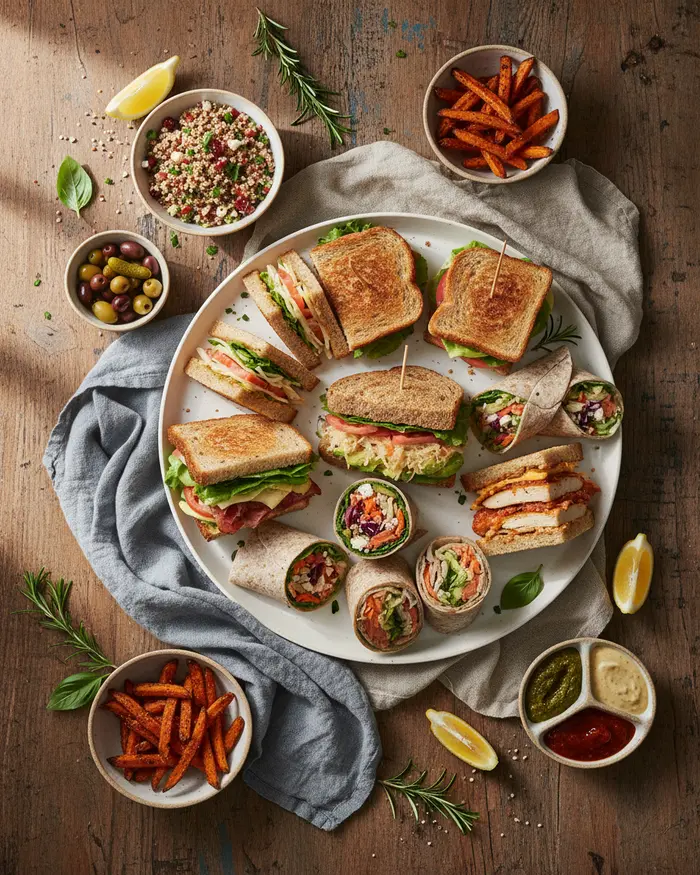
Start Your Sandwich & Wrap Journey
Now you have a complete roadmap for mastering every type of sandwich and wrap, from simple weekday lunches to impressive entertaining options that bring people together. Each category offers unique techniques and flavors, but all share that satisfying handheld convenience that makes these meals endlessly appealing.
Start with whichever category excites you most, whether that’s perfecting classic burgers, exploring creative wrap combinations, or mastering the art of the ideal deli sandwich. Save this guide as your reference for techniques, seasonal inspiration, and choosing the right sandwich format for any occasion.
The beauty of sandwiches and wraps lies in their flexibility and how they adapt to your preferences, ingredients, and skill level.
Which sandwich or wrap category will you explore first? Will you start with simple wraps for easy meal prep, dive into burger mastery for weekend grilling, or perfect classic sandwiches for reliable everyday meals? Pin this complete guide for future reference, and let me know in the comments which handheld creation you’re most excited to make.
Your perfect sandwich or wrap is waiting between these recipes.
Frequently Asked Questions
What is the difference between a sandwich and a wrap?
A sandwich uses two slices of bread or a split roll to hold fillings, while a wrap uses a single flatbread like a tortilla, lavash, or pita that is rolled around the ingredients. Wraps are typically more portable and contain the fillings better, whereas sandwiches offer more structural variety and bread texture options.
How long can I store a prepared sandwich or wrap in the refrigerator?
Most sandwiches and wraps stay fresh for 1-2 days when properly wrapped and refrigerated at 40 degrees Fahrenheit or below. Those with mayonnaise-based ingredients or fresh vegetables should be consumed within 24 hours. Avoid freezing sandwiches with lettuce, tomatoes, or mayo as they become soggy when thawed.
What are the healthiest bread options for sandwiches?
Whole grain and whole wheat breads are the healthiest choices, offering more fiber, vitamins, and minerals than white bread. Other nutritious options include sprouted grain bread, rye, sourdough, and whole grain wraps. Look for breads with at least 3 grams of fiber per serving and minimal added sugars.
How do I prevent my sandwich or wrap from getting soggy?
Layer ingredients strategically by placing moisture barriers like cheese or lettuce between wet ingredients and bread. Apply condiments sparingly and consider packing them separately. Toast bread before assembly, pat dry watery vegetables, and avoid adding tomatoes until just before eating. Wrap tightly in parchment paper.
What are some popular international sandwich and wrap varieties?
Popular varieties include the Vietnamese banh mi, Mexican burrito, Greek gyro, Middle Eastern shawarma, Cuban sandwich, Italian panini, French croque monsieur, Japanese katsu sando, Turkish doner kebab, and Indian kati roll. Each features unique bread types, proteins, and regional seasonings reflecting local culinary traditions.