Essential Sauces & Condiments
I still remember the moment I realized store-bought wasn’t cutting it anymore. I was standing in my kitchen, staring at a beautifully grilled chicken breast tha
Discover how to master homemade sauces and condiments that transform everyday meals into extraordinary culinary experiences with easy-to-follow recipes and expert techniques.
Table of Contents
I still remember the moment I realized store-bought wasn’t cutting it anymore. I was standing in my kitchen, staring at a beautifully grilled chicken breast that somehow tasted… flat. That’s when it hit me: the magic wasn’t missing from my cooking technique. It was missing from my sauces and condiments.
Everything changed when I started making my own, and suddenly every meal felt like it had that restaurant-quality finish I’d been chasing.
The truth is, sauces and condiments are the unsung heroes of the kitchen. They’re the difference between “that was good” and “oh my gosh, what IS that?” They turn simple proteins into memorable dinners, transform boring vegetables into crave-worthy sides, and give your cooking that signature touch that makes people ask for seconds.
I’ve spent years perfecting homemade sauces and condiments in my own kitchen, learning which shortcuts actually work and which techniques are worth the extra effort. Whether you’re drizzling, dipping, or dolloping, the right sauce recipes can completely change your cooking game.
The Quick Guide
Here’s what you need to know about mastering sauces and condiments:
- Homemade sauces taste fresher and more vibrant than store-bought versions, with ingredients you can pronounce and customize to your preferences
- Most sauce recipes require just 5-10 minutes of active prep time, making them surprisingly quick additions to weeknight cooking
- Understanding basic sauce families (emulsions, reductions, vinaigrettes) unlocks endless flavor variations
- Proper storage extends shelf life significantly—many homemade condiments last 2-4 weeks refrigerated or can be preserved through pickling
- Quality ingredients matter exponentially in simple preparations where every flavor shines through
What Makes Sauces & Condiments Essential
Sauces and condiments are your secret weapon for building complex flavor profiles without complex cooking techniques. They add moisture, richness, acidity, heat, and sweetness to finished dishes, creating balance and depth that single ingredients simply can’t achieve alone.
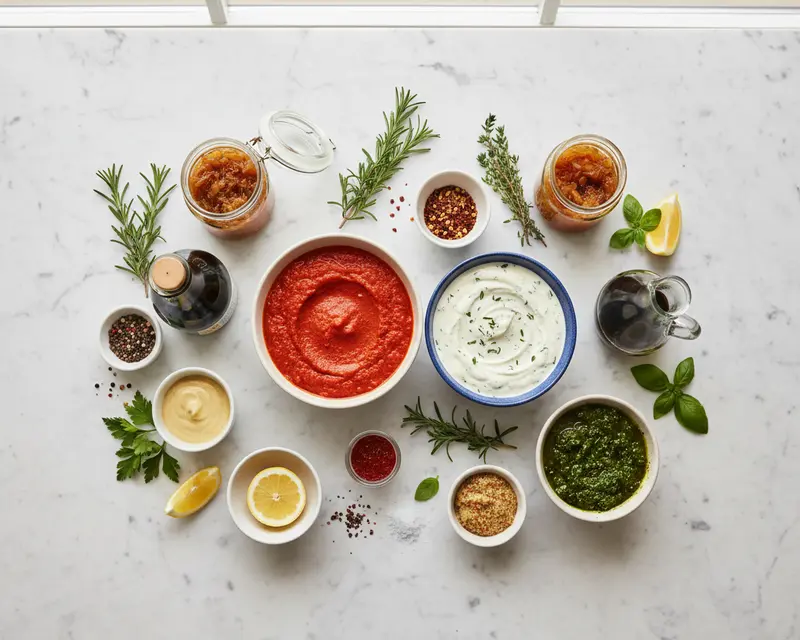
What sets homemade versions apart is freshness and control. You decide the salt level, adjust the heat, swap ingredients for dietary needs, and avoid preservatives and additives. Plus, making your own lets you experiment with flavor combinations that simply don’t exist in stores.
These recipes shine year-round but become especially valuable during meal prep sessions, holiday entertaining, and grilling season. They’re perfect for home cooks who want restaurant-quality results, anyone managing dietary restrictions, and food enthusiasts who love customizing every element of their meals.
Seasoning Blends Pickling
If you’re ready to preserve fresh flavors and create pantry staples that last for months, explore our complete guide to seasoning blends and pickling. This category covers everything from custom spice mixes to properly preserved vegetables.
Seasoning blends give you instant flavor without measuring multiple spices each time you cook, while pickling techniques let you capture seasonal produce at its peak and enjoy tangy, crunchy condiments long after harvest season ends. These skills are perfect for batch cooking enthusiasts and anyone who wants to reduce food waste.
Dressings Sauces Gravies
For silky emulsions, rich pan sauces, and restaurant-worthy gravies, dive into our comprehensive dressings, sauces, and gravies collection. This pillar focuses on the liquid flavor-builders that pull entire meals together.
From classic vinaigrettes that make salads irresistible to velvety pan sauces that elevate simple proteins, these recipes teach fundamental techniques that apply across countless dishes. They’re ideal for weeknight cooks who want quick flavor solutions and special occasion chefs looking to impress guests.
Expert Category Guide
Essential Techniques
Mastering sauces and condiments starts with understanding a few core techniques that repeat across hundreds of recipes. Emulsification creates stable mixtures of oil and water-based ingredients, like mayonnaise and vinaigrettes. The key is adding oil slowly while whisking vigorously or using an immersion blender.
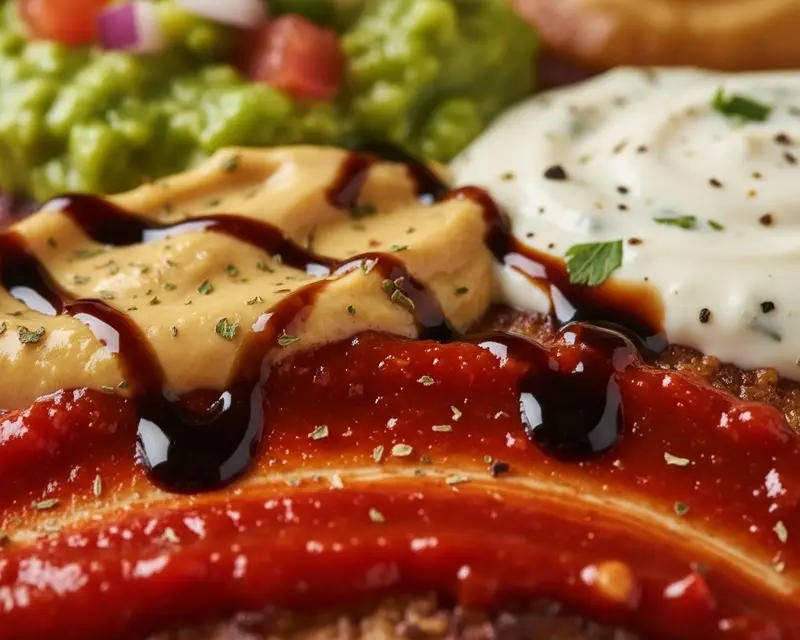
Reduction concentrates flavors by simmering liquids until they thicken and intensify. This technique works beautifully for pan sauces, where you deglaze with wine or stock and let it bubble down to syrupy perfection. For homemade condiments, proper emulsification prevents separation.
Tempering prevents curdling when adding eggs or dairy to hot liquids. Slowly add small amounts of the hot liquid to the cold ingredient while whisking constantly, gradually raising its temperature before combining everything together.
Balancing flavors means adjusting salt, acid, fat, and sometimes sugar until everything tastes harmonious. If a sauce tastes flat, it usually needs acid. If it’s too sharp, add fat or a pinch of sugar. Tasting as you go is non-negotiable for successful sauces and condiments.
Ingredient Spotlight
Quality base ingredients make or break homemade sauces. Good olive oil, real butter, and fresh citrus juice create foundations that cheap substitutes simply can’t match. For vinaigrettes and dressings, spring for extra virgin olive oil with fruity, peppery notes.
Acids provide brightness and balance richness. Stock your pantry with red wine vinegar, apple cider vinegar, rice vinegar, and fresh lemons. Each brings a different character—red wine vinegar has bold, sharp notes while rice vinegar offers subtle sweetness.
Aromatics like garlic, shallots, ginger, and fresh herbs transform simple sauces into complex flavor experiences. Mince them finely so they distribute evenly, and remember that raw garlic tastes much sharper than roasted or sautéed versions.
Thickeners give sauces body and coating power. Cornstarch creates glossy, clear sauces perfect for Asian-inspired recipes. Flour-based roux produces opaque, rich gravies and cream sauces. Reduction thickens without adding starch for pure, concentrated flavor.
Seasonal Considerations
Spring calls for bright, herbaceous sauces and condiments featuring fresh dill, parsley, chives, and tarragon. This is prime time for quick pickles using early season vegetables like radishes, asparagus, and spring onions. Lighter vinaigrettes with lemon and herbs complement seasonal produce perfectly.
Summer demands vibrant, bold flavors that stand up to grilled meats and outdoor eating. Think tomato-based sauces, fruit chutneys, and spicy condiments with fresh chilies. Pickling reaches its peak with abundant cucumbers, peppers, and summer squash flooding farmers markets.
Fall brings rich, warming sauces and condiments perfect for cooler weather cooking. Pan gravies, mushroom-based sauces, and apple-forward condiments complement heartier proteins and root vegetables. This is the season for depth and complexity in your sauce recipes.
Winter focuses on preserved condiments and robust, long-simmered sauces that add comfort to cold-weather meals. Cranberry sauces, thick gravies, and bold seasoning blends shine during holiday cooking and cozy family dinners.
Skill Level Guide
Beginners should start with simple vinaigrettes and no-cook condiments that require just whisking or blending. Basic vinaigrettes teach oil-to-acid ratios, while mustards and compound butters introduce flavor layering without technical challenges. These homemade sauces build confidence quickly.
Intermediate cooks can tackle emulsified sauces like mayonnaise and hollandaise, which require more attention but deliver impressive results. Pan sauces that deglaze and reduce teach flavor development, while basic pickling introduces preservation techniques with minimal equipment.
Advanced sauce makers experiment with mother sauces—the French foundations that spawn countless variations. Béchamel, velouté, espagnole, hollandaise, and tomato sauce serve as launching points for hundreds of derivative sauces and condiments once you master the base techniques.
Expert-level projects include fermented hot sauces, complex spice blends requiring toasting and grinding, and classical French sauces with multiple components and precise timing. These homemade condiments demand patience and practice but offer unparalleled depth and uniqueness.
Storage & Make-Ahead Tips
Most vinaigrettes and oil-based sauces keep for one to two weeks refrigerated in airtight containers. The oil may solidify when cold, so let them sit at room temperature for 15 minutes and shake vigorously before using. If separation occurs, re-emulsify with a quick blend.
Cream-based sauces have shorter shelf lives—typically three to five days maximum. Store them in the coldest part of your refrigerator and reheat gently over low heat, whisking constantly. Never boil reheated cream sauces as they’ll break and curdle.
Pickled condiments last several months when properly sterilized and sealed. Always use clean utensils when serving to prevent contamination. The brine acts as a preservative, but once opened, consume within four to six weeks for best quality and crunch.
Dry seasoning blends stay fresh for six months stored in airtight containers away from heat and light. Whole spices last longer than ground, so consider toasting and grinding in small batches for maximum potency in your homemade condiments.
Freeze-friendly options include pesto, tomato sauces, and many cooked condiments. Portion them into ice cube trays for easy single-serving access. Most frozen sauces maintain quality for three months. Thaw overnight in the refrigerator before reheating.
Comparison & Selection Guide
Choose seasoning blends and pickling if you want to stock your pantry with long-lasting flavor enhancers and preserved vegetables. This path suits meal preppers, gardeners with abundant produce, and anyone who loves having ready-made flavor bombs on hand.
Opt for dressings, sauces, and gravies if you’re looking for fresh, liquid condiments that finish dishes with immediate impact. These work beautifully for weeknight cooking when you want quick flavor without extensive prep work.
For time-constrained cooks, dressings and sauces offer faster gratification—many come together in under 10 minutes. Seasoning blends and pickles require more upfront time but provide weeks or months of convenience afterward.
If you’re managing dietary restrictions, homemade versions of both categories give you complete control. Adjust sodium in seasoning blends, modify sugar levels in pickles, use alternative oils in dressings, and create gravies with non-dairy options as needed.
Beginners should start with simple vinaigrettes and basic spice blends before progressing to pickles and complex sauces. Intermediate cooks can handle most sauce recipes and standard pickling, while advanced home cooks will enjoy experimenting with fermented condiments and classical sauce techniques.
Budget-conscious cooks benefit enormously from homemade condiments—they cost a fraction of premium store-bought versions. A batch of homemade ranch dressing costs about one dollar versus six dollars for comparable quality, and custom seasoning blends eliminate expensive pre-mixed options.
For special occasions and entertaining, rich gravies and elegant sauces create restaurant-quality presentations. For everyday cooking and meal prep, pickled vegetables and versatile dressings add consistent flavor without fuss. Most home cooks benefit from mastering both categories.
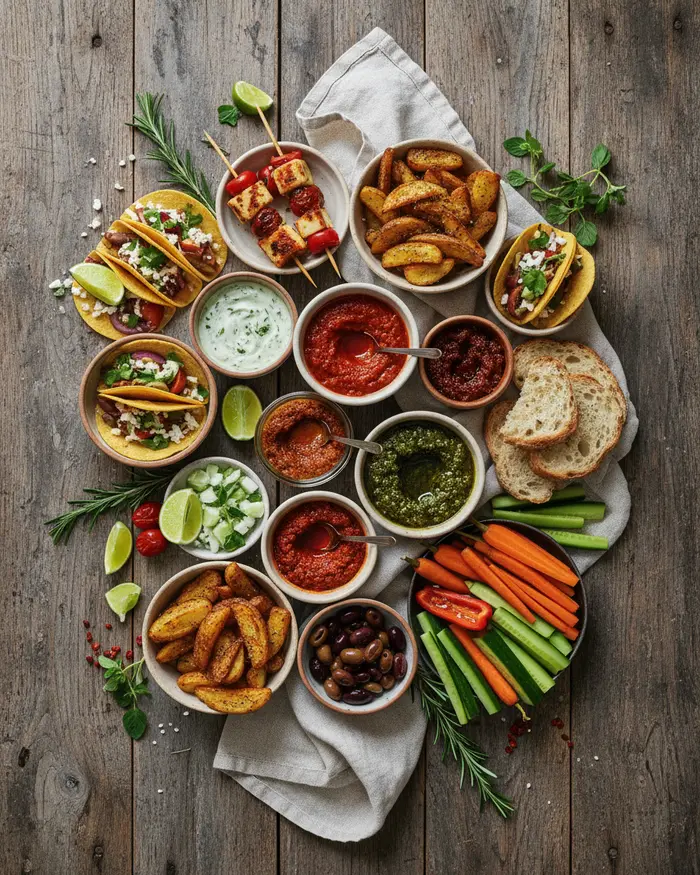
Start Building Your Sauce & Condiment Arsenal
You now have the roadmap to transform every meal with homemade sauces and condiments that bring professional flavor to your home kitchen. The beauty of this category is how quickly you’ll see results—your first batch of vinaigrette or quick pickles will immediately show you the difference fresh, customized flavors make.
Start with one pillar category that excites you most. If you love salads and quick weeknight meals, dive into dressings and sauces first. If you’re drawn to preservation and long-term pantry building, begin with seasoning blends and pickling. Both paths lead to more delicious, personalized cooking.
Save this guide for reference as you explore different sauce recipes and condiment styles. Pin your favorite techniques to your cooking board so you can find them when inspiration strikes. And don’t forget—every master sauce maker started exactly where you are now, with curiosity and a willingness to experiment.
Which category of sauces and condiments will you tackle first? Drop a comment and let me know what flavor profiles excite you most. I’d love to hear about your homemade condiment adventures and what recipes you’re most eager to try!
Frequently Asked Questions
What is the difference between a sauce and a condiment?
A sauce is typically cooked and served warm as part of a dish during preparation, while a condiment is usually added at the table after cooking. Sauces often form the base of a recipe, whereas condiments enhance or complement finished dishes. However, the terms overlap, as ketchup and mayonnaise are condiments that can also be used as sauce ingredients.
How long do opened condiments last in the refrigerator?
Most opened condiments last 6-12 months refrigerated. Ketchup and mustard typically last 6 months, mayonnaise 2-3 months, soy sauce up to 2 years, and hot sauce 6 months to 3 years. Always check for signs of spoilage like mold, off odors, or separation. Vinegar-based condiments generally last longer than cream-based ones due to their acidity.
What are the five mother sauces in French cuisine?
The five mother sauces are bechamel, veloute, espagnole, hollandaise, and tomato sauce. Bechamel is milk-based, veloute uses light stock, espagnole is brown stock-based, hollandaise is an emulsion of egg yolk and butter, and tomato sauce uses tomatoes as the base. These foundational sauces serve as starting points for hundreds of derivative sauces.
Can I substitute one condiment for another in recipes?
Many condiments can be substituted based on flavor profiles. Worcestershire sauce can replace soy sauce for umami, Greek yogurt can substitute mayonnaise for creaminess, and sriracha can replace hot sauce for heat. However, consider flavor intensity and texture differences. Start with smaller amounts when substituting and adjust to taste.
What makes hot sauce hot and how is heat measured?
Hot sauce gets its heat from capsaicin, a compound found in chili peppers. Heat levels are measured using the Scoville scale, which ranges from 0 for bell peppers to over 2 million for the hottest peppers. The scale measures capsaicin concentration. Factors affecting heat include pepper variety, growing conditions, and sauce dilution with other ingredients.