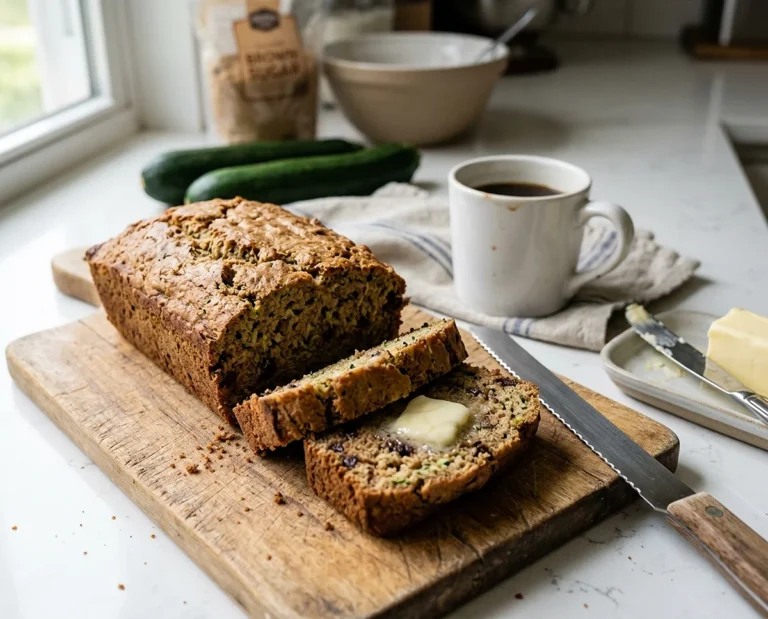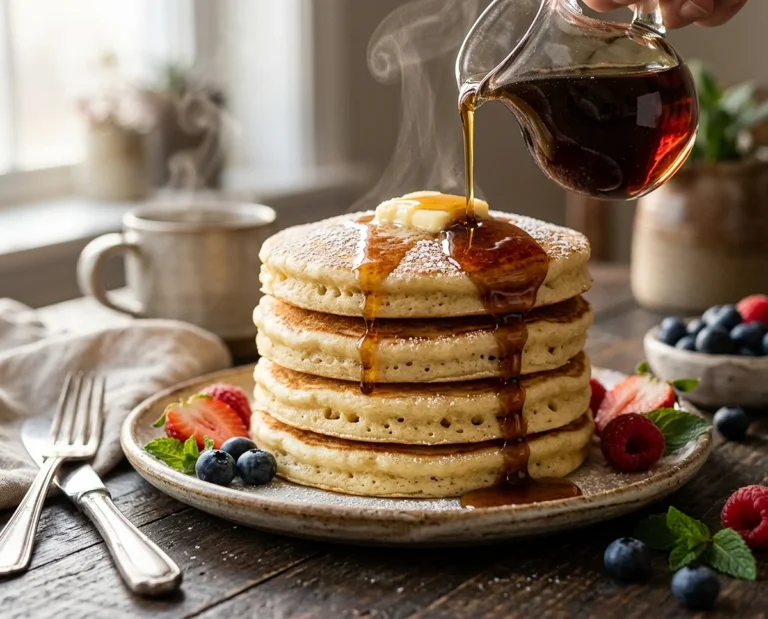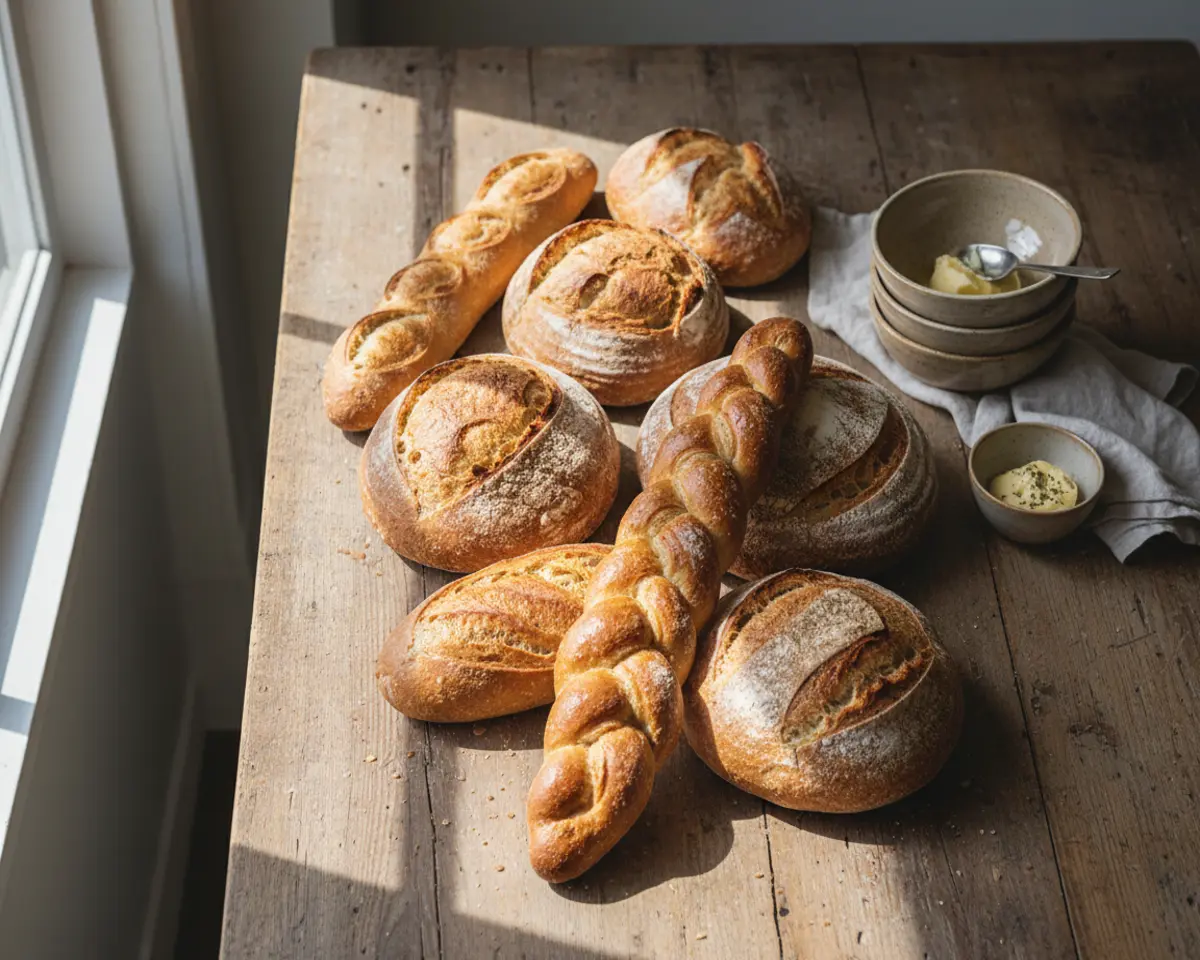
Easy Breads & Rolls
Discover the best Easy Breads & Rolls recipes, from soft dinner rolls to homemade artisan loaves. Bake warm, golden bread with simple ingredients and easy-to-follow recipes perfect for beginners and experienced bakers alike.
Discover everything you need to know about making homemade bread, from simple no-knead loaves to buttery croissants and tangy sourdough. Your complete category guide to baking fresh, delicious bread at home.
Table of Contents
There’s something almost magical about the first time you pull a golden loaf from your oven. I still remember standing in my tiny apartment kitchen, inhaling that incredible aroma of fresh-baked bread, thinking I’d somehow unlocked a secret superpower.
The warm, yeasty smell filled every corner of the space, and when I tore into that first slice, steam rising and butter melting into every crumb, I knew I was hooked. That was twelve years ago, and I’ve been baking bread in some form nearly every week since.
Here’s what surprised me most: bread baking isn’t the intimidating, all-day affair I’d imagined. Sure, you can dive deep into complex techniques if that’s your thing, but some of the most satisfying loaves require nothing more than a bowl, a spoon, and a little patience.
Whether you’re craving something quick for tonight’s dinner or ready to tackle a weekend baking project, there’s a bread recipe that fits your life perfectly.
I’ve spent years testing bread recipes in real home kitchens, not professional bakeries with fancy equipment. Every technique I share works on regular countertops, with standard ovens, and fits into actual busy schedules. From the simplest dinner rolls to show-stopping laminated pastries, I’ll walk you through this entire world of homemade bread recipes, one delicious category at a time.
The Quick Guide
Need the essential facts about baking easy breads and rolls at home? Here’s what matters most:
- Time Investment: Ranges from 30-minute quick breads to overnight fermented doughs, with hands-on work usually under 20 minutes
- Essential Equipment: Most bread recipes need just mixing bowls, measuring tools, and a standard oven, nothing fancy required
- Skill Progression: Start with no-knead breads and simple rolls, advance to shaped loaves, then tackle laminated doughs and sourdough
- Flavor Development: Longer fermentation times create deeper flavors and better texture, but quick recipes deliver satisfaction fast
- Cost Savings: Homemade bread costs roughly one-third the price of artisan bakery loaves while tasting just as incredible
What Makes Bread Baking Special
Bread represents one of humanity’s oldest culinary traditions, yet it remains endlessly adaptable to modern life. What defines truly great homemade bread isn’t complexity but understanding a few key principles. Flour, water, yeast, and salt transform through time and temperature into something far greater than their humble parts.
The beauty of bread baking lies in its spectrum of possibilities. You might need dinner rolls ready in an hour for tonight’s meal, or you might want to nurture a sourdough starter that develops character over weeks. Both approaches create genuine, delicious bread. Both deserve a place in your kitchen.
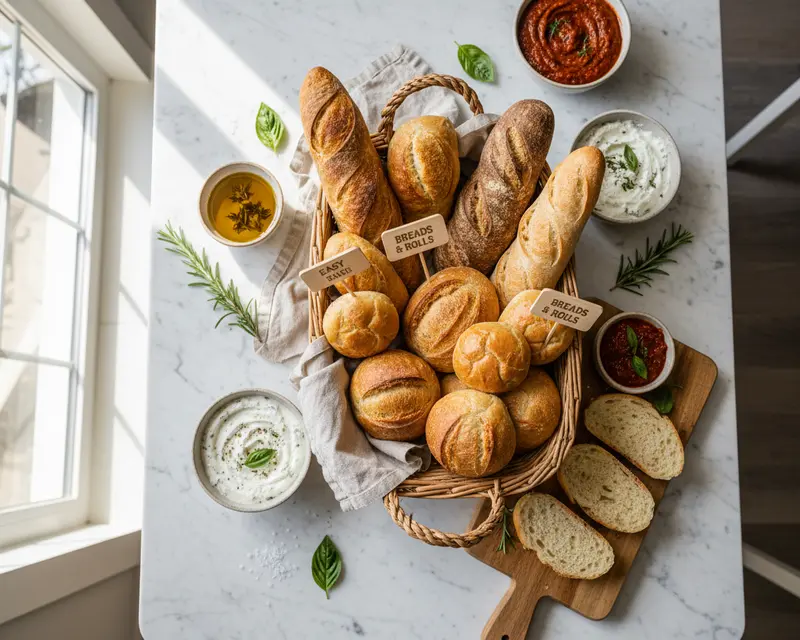
What makes these recipes special is their accessibility. I’ve eliminated the guesswork and mystery that intimidates so many home bakers. Every recipe includes clear visual cues, timing guidelines that actually work, and troubleshooting tips for common issues. You’ll learn to trust your instincts, reading dough texture and recognizing proper fermentation by feel and sight.
The satisfaction of serving bread you’ve made yourself never gets old. There’s pride in that moment when someone tears into a warm roll and their eyes light up. Whether you’re baking for weeknight dinners, special brunches, or simply because you love the process, this guide will become your roadmap to bread baking confidence.
Breads Rolls
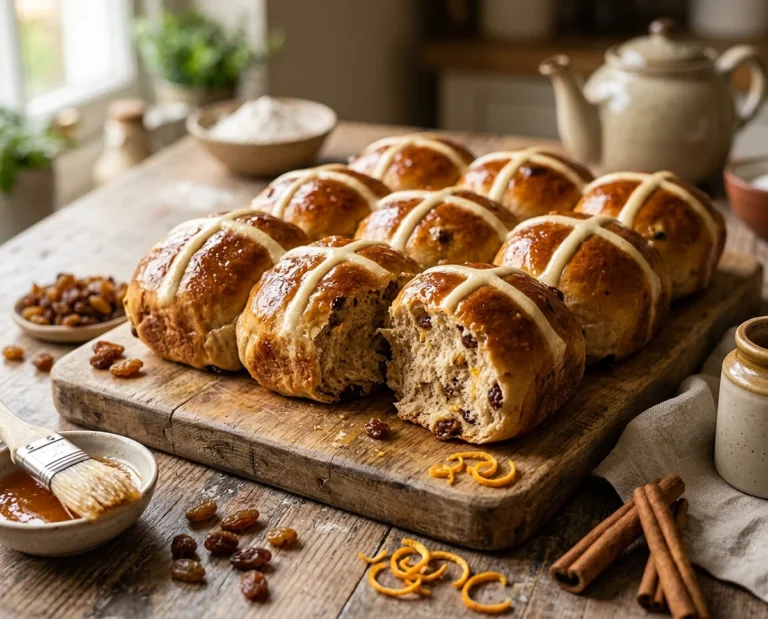
The foundation of any bread baker’s repertoire starts here, with classic breads and rolls that work for every occasion. This category covers everything from fluffy dinner rolls to rustic artisan loaves, perfect for beginners finding their footing and experienced bakers seeking reliable everyday recipes.
These recipes prioritize simplicity without sacrificing flavor or texture. You’ll find no-knead methods that let time do the heavy lifting, quick yeasted doughs that come together in under two hours, and shaped rolls that look impressive but require minimal skill. The versatility here is unmatched since these breads pair beautifully with any meal.
Choose this category when you need dependable results fast or want to build fundamental bread-making skills. The techniques you’ll master here translate directly to more advanced baking projects later. Most recipes use standard all-purpose flour and active dry yeast you probably already have in your pantry.
Croissant Recipes
When you’re ready for a weekend baking adventure, buttery, flaky croissants bring European bakery magic to your home kitchen. This category focuses on laminated doughs, where layers of butter create those signature crispy, shattering exteriors and tender, honeycomb interiors that define true croissants.
These recipes require more time and technique than basic breads, but the process is far more approachable than most people imagine. With clear instructions and proper timing, you’ll learn to create those beautiful layers through a series of folds and rests. The hands-on work remains surprisingly minimal, mostly waiting for dough to chill between steps.
Perfect for ambitious home bakers who love the satisfaction of mastering challenging techniques, croissants reward patience with bakery-quality results. The category includes both classic butter croissants and creative variations filled with chocolate, almond paste, or savory ingredients. Once you’ve made croissants successfully, you’ll feel capable of tackling any baking project.
Sourdough Bakes
For bakers seeking depth, complexity, and that signature tangy flavor, sourdough baking offers an entirely different approach using natural fermentation. This category moves beyond commercial yeast, relying instead on wild yeast cultures you’ll cultivate and maintain in your own sourdough starter.
Sourdough demands more planning and patience than other bread categories, with fermentation times stretching from eight hours to several days. However, the actual hands-on work remains minimal, just brief moments of mixing, folding, and shaping spread across long resting periods. The results deliver unmatched flavor depth, improved digestibility, and incredible keeping quality.
This category suits bakers who enjoy the rhythm of working with living dough, those with dietary sensitivities who benefit from longer fermentation, and anyone craving bread with genuine artisan character. You’ll learn starter maintenance, fermentation timing, and shaping techniques that produce those gorgeous ears and open crumb structures that define excellent sourdough.
Expert Category Guide
Understanding the fundamentals that unite all bread baking will dramatically improve your results across every recipe. These core principles apply whether you’re making quick rolls or elaborate sourdough loaves, forming the foundation of consistent baking success.
Essential Techniques
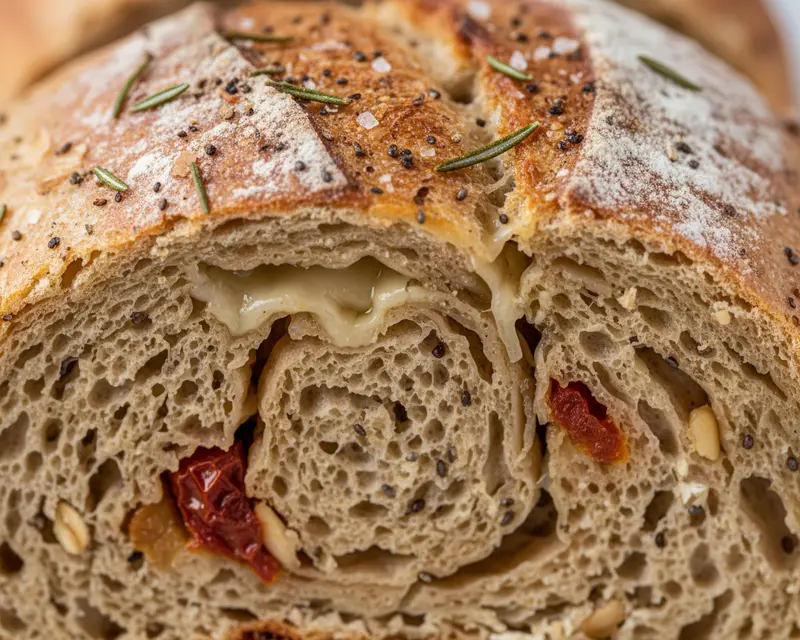
The stretch-and-fold method builds gluten structure without traditional kneading, perfect for wetter doughs and no-knead recipes. Simply grab one edge of the dough, stretch it upward, then fold it over itself. Rotate the bowl and repeat from all four sides. This gentle technique develops strength while keeping dough easy to handle.
Proper shaping creates surface tension that helps bread hold its form during baking. For round loaves, use your hands to pull dough toward you across the counter in circular motions. For rolls, cup your hand over each piece and move in small circles, feeling the dough tighten beneath your palm.
Scoring bread just before baking controls how steam escapes and where the loaf expands. Use a sharp blade or lame held at a slight angle, making confident, swift cuts about one-quarter inch deep. This isn’t just decorative, it’s functional, directing oven spring for better rise and texture.
Steam in the first minutes of baking keeps the crust soft initially, allowing maximum expansion before the exterior sets. Create steam by placing a pan of hot water in the oven bottom, spraying loaves with water, or baking in a covered Dutch oven that traps moisture naturally.
Ingredient Spotlight
Flour choice dramatically impacts bread texture and flavor. Bread flour contains more protein than all-purpose, creating stronger gluten networks for chewier texture and better rise. All-purpose works perfectly for softer breads and rolls. Whole grain flours add nutrition and flavor but absorb more water, requiring recipe adjustments.
Yeast comes in several forms, but active dry and instant yeast work interchangeably in most recipes. Active dry needs dissolving in warm water first, while instant can mix directly into flour. Both create reliable rise when fresh, stored properly in cool, dry conditions.
Water temperature matters more than most realize. Too hot kills yeast, too cold slows fermentation dramatically. Aim for lukewarm, around 100 to 110 degrees Fahrenheit, which should feel barely warm against your wrist. Room temperature water works fine when you’re not in a hurry.
Salt controls fermentation speed while strengthening gluten and enhancing flavor. Don’t skip it or reduce the amount significantly, as bread without adequate salt tastes flat and ferments too quickly. Add salt after initial mixing if using very active sourdough starter to prevent inhibiting yeast activity early.
Seasonal Considerations
Summer heat accelerates fermentation, often cutting rise times by one-third or more. Watch dough carefully rather than relying strictly on recipe timing. Use cooler water and consider refrigerating dough partway through rising to slow things down and develop better flavor.
Winter cold does the opposite, extending fermentation and sometimes preventing proper rise altogether. Combat this by using slightly warmer water, placing dough in the warmest spot in your kitchen, or creating a makeshift proof box by turning your oven light on with the door closed.
Humidity affects flour’s moisture content and dough hydration. Dry winter air means flour absorbs more water, while humid summer days make dough stickier. Adjust water amounts by a tablespoon or two as needed, trusting texture over exact measurements.
Holiday baking often means enriched doughs with butter, eggs, and sugar. These ingredients slow yeast activity while creating tender, rich breads perfect for special occasions. Plan extra time for these doughs to rise properly, as the added fats inhibit gluten development initially.
Skill Level Guide
Beginners should start with simple yeasted rolls and no-knead breads that minimize technique while building confidence. Focus on understanding fermentation timing and recognizing when dough has risen properly. Master basic shaping and baking temperatures before advancing.
Intermediate bakers can tackle shaped loaves, braided breads, and enriched doughs that require more handling. At this stage, develop your feel for dough texture and learn to adjust hydration by touch. Experiment with different flours and longer fermentation for flavor development.
Advanced projects include laminated doughs like croissants and naturally leavened sourdough breads. These demand precise timing, temperature control, and practiced technique. Success requires understanding fermentation deeply and developing intuition for how dough should look, feel, and smell at each stage.
The path from beginner to expert isn’t linear. You might master sourdough before attempting croissants, or vice versa. Progress comes from regular practice, careful observation, and learning from both successes and failures. Every loaf teaches something valuable.
Storage and Make-Ahead Tips
Fresh bread stays best at room temperature, wrapped in a clean kitchen towel or paper bag for the first day. Plastic bags trap moisture, creating soggy crusts, so avoid them unless you’re intentionally softening crusty bread. Most breads peak within 24 hours but remain good for two to three days properly stored.
Freezing preserves bread beautifully for up to three months. Slice loaves before freezing so you can thaw individual portions. Wrap tightly in plastic, then aluminum foil, pressing out air. Thaw at room temperature or toast frozen slices directly for quick breakfasts.
Dough itself freezes wonderfully at several stages. Shape rolls or loaves, freeze on a baking sheet until solid, then transfer to freezer bags. Thaw overnight in the refrigerator, bring to room temperature, then bake as directed. This makes fresh bread accessible even on busy weeknights.
Refrigerating dough slows fermentation dramatically, which actually improves flavor through extended development. Many recipes benefit from an overnight cold rise. This technique also provides flexibility, letting you mix dough one day and bake the next when your schedule allows.
Comparison and Selection Guide
Choose classic breads and rolls when you need reliable recipes that work for everyday meals and want to build foundational skills. This category delivers the fastest results with the least specialized knowledge required. Perfect for busy weeknights, potlucks, or anyone new to bread baking who wants guaranteed success.
Select croissant recipes when you’re ready for a rewarding weekend project and crave that incomparable buttery, flaky texture. These recipes demand more time commitment spread across two days but offer relatively little active work. Ideal for ambitious bakers who love mastering techniques and impressing others with bakery-quality results.
Opt for sourdough bakes when flavor depth and artisan character matter most, and you enjoy working with living cultures. This path requires the longest time investment and most patience but rewards you with bread that develops complex flavors impossible to achieve with commercial yeast. Best for bakers who appreciate slow food philosophies and want bread with genuine personality.
For dietary considerations, sourdough offers improved digestibility through long fermentation that breaks down gluten and phytic acid. Quick breads and rolls accommodate modifications most easily since shorter rise times forgive ingredient substitutions. Enriched doughs like croissants rely heavily on butter and eggs, making them harder to adapt for vegan or dairy-free diets.
Time-constrained bakers should focus on quick yeasted breads and no-knead methods that compress active work into brief sessions. If you can spare only thirty minutes of hands-on time but have several hours for rising, no-knead breads fit perfectly. Weekend bakers with flexible schedules can explore croissants and long-fermented sourdough without stress.
Equipment matters less than you might think. All categories work with basic kitchen tools, though a kitchen scale improves consistency across the board. Dutch ovens benefit artisan loaves dramatically, while stand mixers make enriched doughs easier but remain entirely optional. Start with what you have and upgrade gradually based on what you enjoy baking most.
Start Your Bread Baking Journey Today
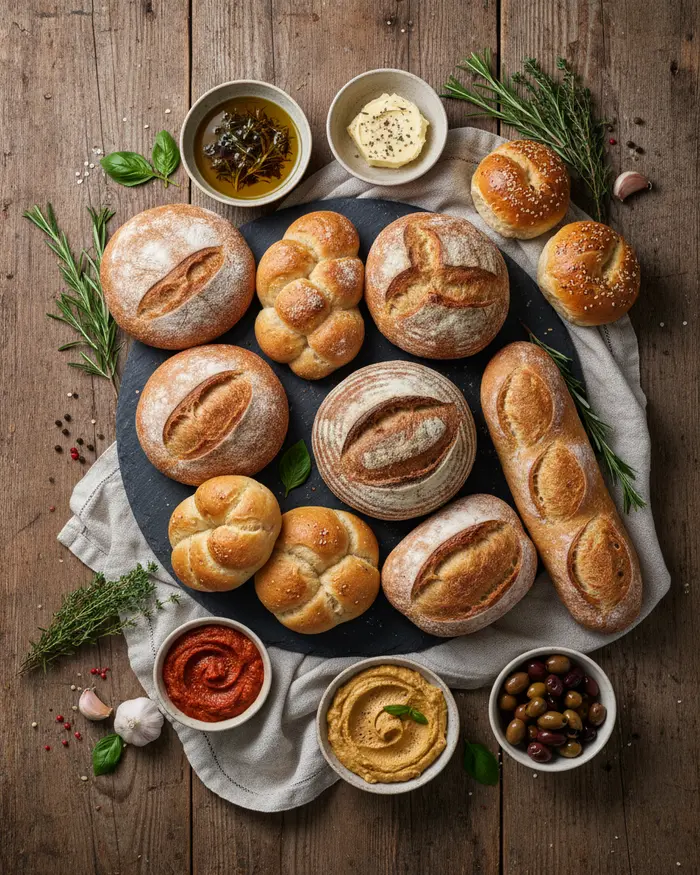
The world of homemade bread recipes offers something for every baker, every schedule, and every craving. Whether you dive into quick dinner rolls tonight, plan a croissant weekend soon, or begin nurturing your first sourdough starter, you’re about to discover why bread baking becomes such a beloved ritual for so many people.
Don’t wait for the perfect moment or worry about having every tool. Pick one category that excites you most and try a single recipe this week. The satisfaction of pulling that first loaf from your oven, filling your kitchen with that incredible aroma, and tasting bread you’ve made yourself will hook you immediately.
Save this guide and return to it as you explore different bread styles and techniques. Pin your favorites to reference later, and share your baking wins with others who might be inspired to start their own bread journey. The community of home bakers is incredibly welcoming and supportive.
Which category of easy breads and rolls will you try first? Will you start with comforting classics, challenge yourself with laminated doughs, or embrace the artisan path of sourdough? Drop a comment and let me know what draws you most to bread baking.
Frequently Asked Questions
What makes a bread recipe easy for beginners?
Easy bread recipes typically require minimal kneading, fewer ingredients, and shorter rising times. No-knead breads and quick breads are ideal starting points as they eliminate complex techniques. Many beginner recipes use instant yeast for faster results and require only basic pantry staples like flour, water, salt, and yeast.
How long does it take to make homemade rolls?
Most basic roll recipes take 2-3 hours from start to finish, including rising time. This consists of 15 minutes for mixing and kneading, 1 hour for the first rise, 15 minutes for shaping, 30-45 minutes for the second rise, and 15-20 minutes for baking. Quick roll recipes can be completed in under 90 minutes.
Can I make bread without a stand mixer?
Absolutely. Many traditional breads and rolls are made entirely by hand. You can mix ingredients in a bowl and knead on a floured surface for 8-10 minutes. No-knead bread methods require only stirring. A stand mixer saves time and effort, but it is not necessary for successful homemade bread and rolls.
What is the difference between active dry yeast and instant yeast?
Active dry yeast must be dissolved in warm water before use, while instant yeast can be mixed directly with dry ingredients. Instant yeast works faster and is more convenient for quick recipes. Both produce similar results, though instant yeast may require slightly less rising time and is more forgiving with temperature variations.
How do I store homemade bread and rolls to keep them fresh?
Store bread and rolls at room temperature in an airtight container or sealed plastic bag for 2-3 days. For longer storage, freeze them in freezer bags for up to 3 months. Avoid refrigerating bread as it speeds up staling. To refresh day-old rolls, warm them in a 300-degree oven for 5-7 minutes.