Simple Croissant Recipes
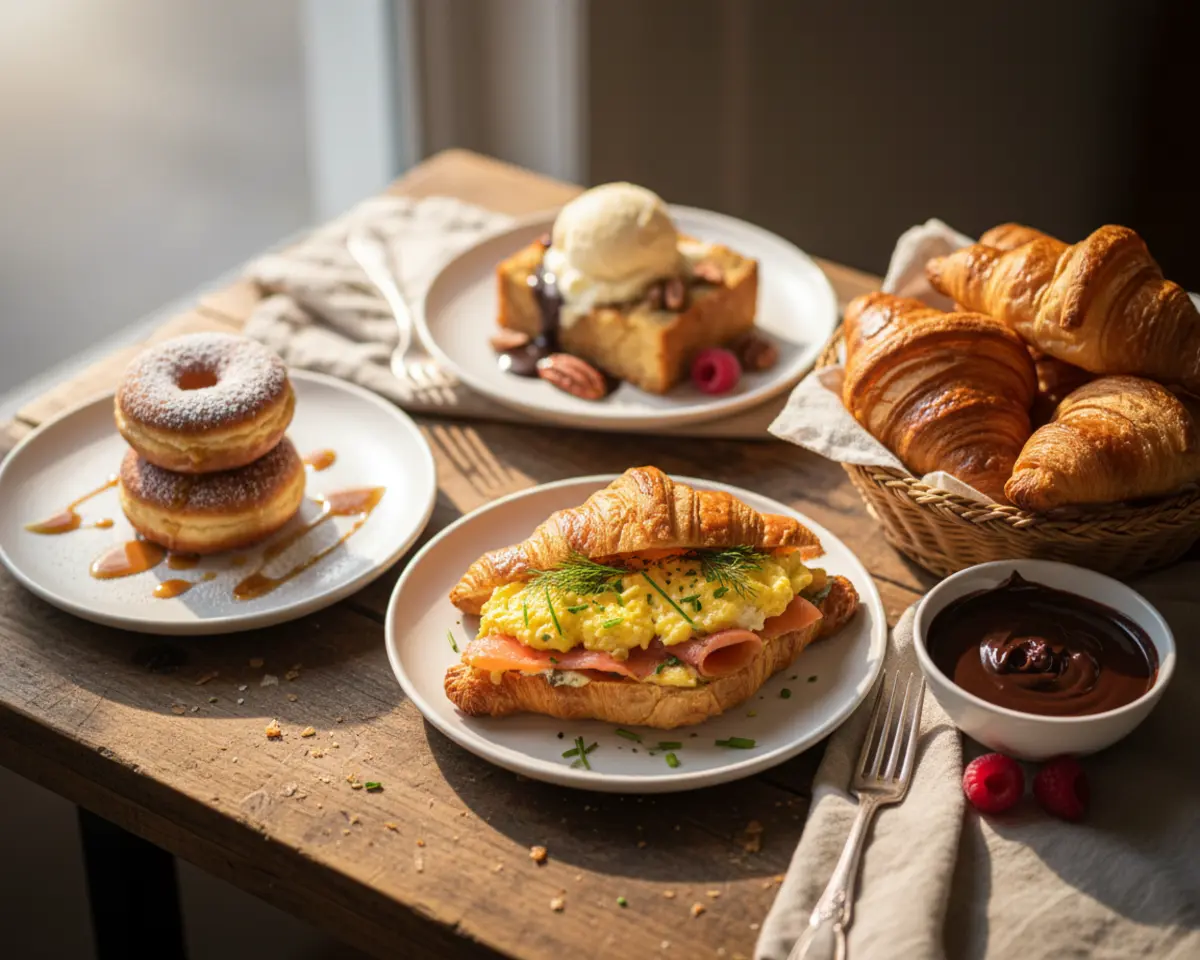
Looking for the best croissant recipes to fill your kitchen with that irresistible buttery aroma? Whether you’re craving flaky homemade croissants or want to try fun twists on the classic French pastry, you’re in the right place for easy-to-follow guides that’ll make you feel like a pro baker.
I’ll never forget the first time I pulled a tray of golden croissants from my oven. The kitchen smelled like a Parisian café, and when I bit into that first flaky layer, I actually teared up a little. Was it the butter? The accomplishment? Probably both.
Here’s the thing about croissants: they’ve got this reputation for being impossibly difficult. But once you understand the rhythm of folding and resting the dough, it becomes almost meditative. Plus, the payoff is so worth it.
This collection brings together everything from traditional buttery croissants to creative spins that’ll surprise your taste buds. Some take a bit of patience, others come together surprisingly quick. All of them deliver that satisfying crunch followed by pillowy soft layers.
Table of Contents
Quick Overview
Love Croissant Recipes? Our complete Ultimate Easy Breads & Rolls brings together even more creative possibilities and expert tips you won’t want to miss.
This pillar post covers four amazing croissant recipes that range from authentic French technique to inventive modern takes. You’ll learn how to master classic laminated dough, transform day-old croissants into decadent beignets, stuff pastries with melted chocolate, and create savory breakfast croissants loaded with ham and cheese.
Each recipe includes detailed instructions and helpful tips to guide you through the process. Whether you’re a beginner baker or looking to expand your pastry skills, there’s something here for every skill level and craving.
Make Authentic Croissants at Home
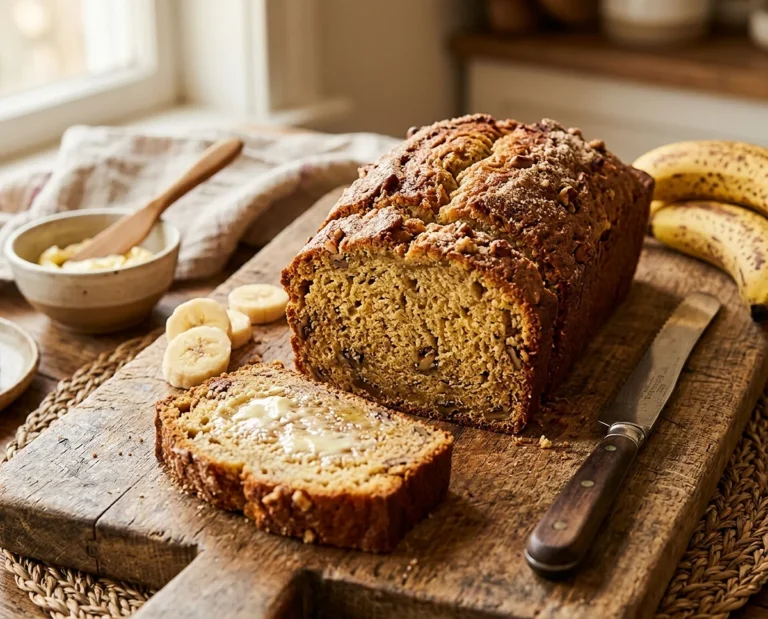
This is the real deal, folks. Learning to make authentic croissants from scratch is like earning your baking black belt. The process involves laminating dough with layers of cold butter, creating those signature honeycomb pockets that shatter when you bite down.
Follow this comprehensive guide and you’ll master the art of turning simple ingredients into bakery-worthy pastries.
Yes, it takes time and a bit of patience, but the technique is more straightforward than you’d think. The key is keeping everything cold and giving the dough proper rest between folds. Once you nail this recipe, you’ll have bragging rights forever.

Fried Croissant Beignets
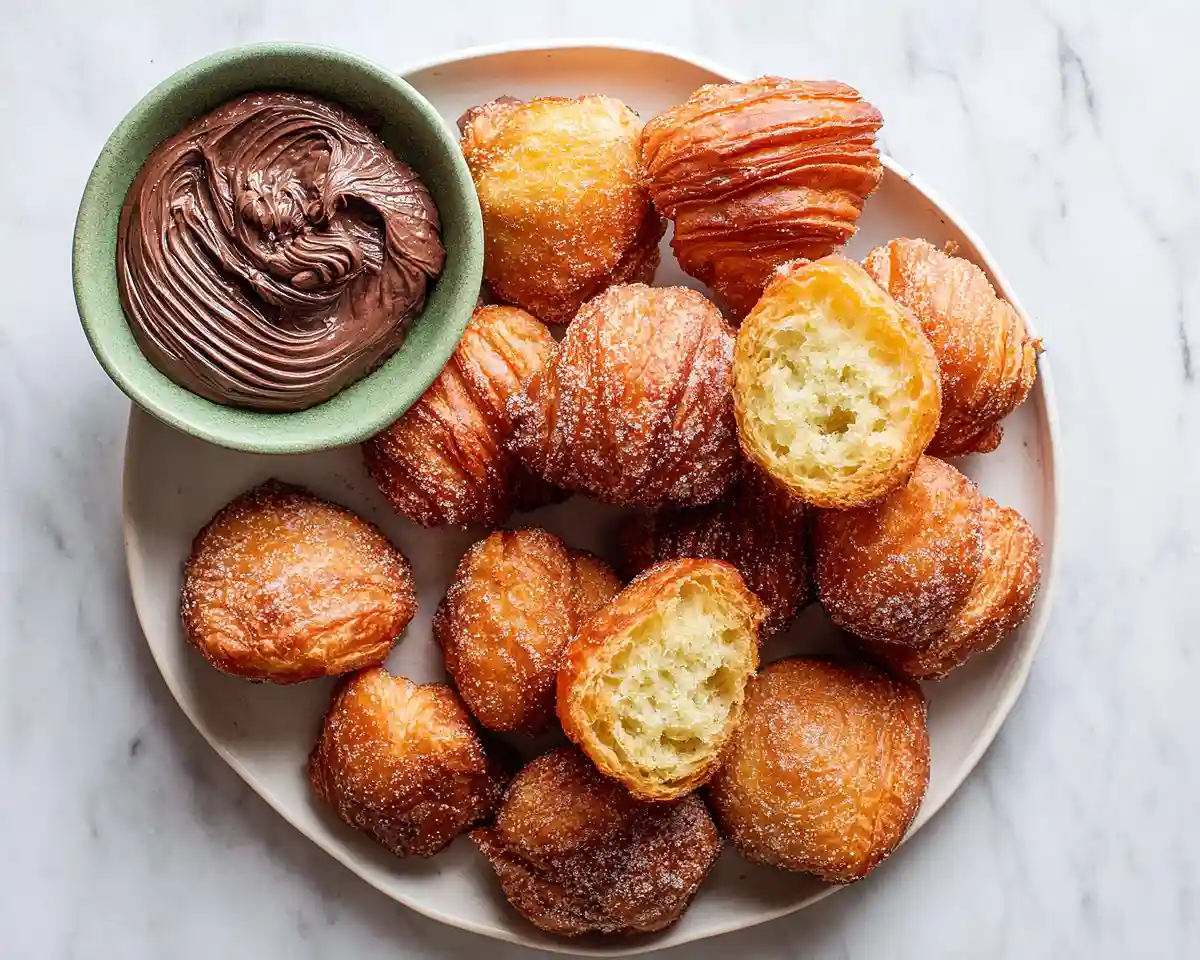
Got leftover croissants that are past their prime? Don’t even think about tossing them. This genius recipe transforms day-old croissants into puffy, golden beignets dusted with powdered sugar. Try this creative twist and you’ll wonder why you ever threw out stale pastries.
The croissant’s existing layers create an incredibly light texture when fried, almost like a croissant-doughnut hybrid. Serve them warm with coffee for breakfast or as a late-night treat. Trust me, they disappear fast.
Chocolate-Filled Croissant Rolls Recipe
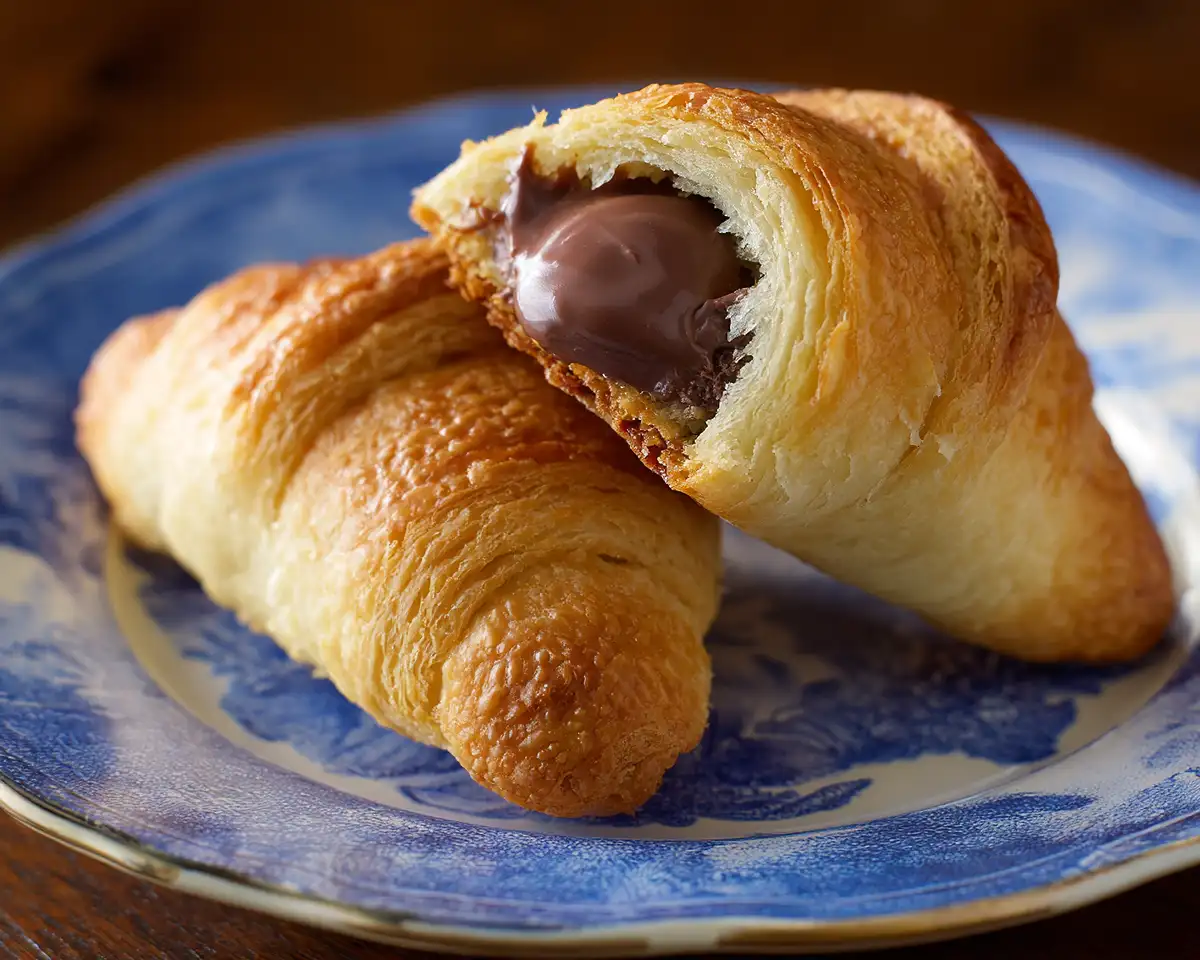
If pain au chocolat is your love language, this recipe will make your heart sing. These rolls wrap buttery croissant dough around dark chocolate batons that melt into gooey perfection as they bake. Make these chocolate-filled beauties and watch them become your new weekend ritual.
The chocolate-to-pastry ratio here is spot-on, giving you just enough richness without overwhelming the delicate croissant flavor. They’re perfect for impressing brunch guests or treating yourself on a lazy Sunday morning.
Baked Ham and Cheese Croissants Recipe
Sometimes you need a croissant that’s more meal than pastry. These baked beauties stuff flaky homemade croissants with savory ham and melted cheese for a satisfying breakfast or lunch option. Discover this savory favorite that proves croissants aren’t just for sweet toppings.
The salty ham and gooey cheese contrast beautifully with the buttery pastry layers. You can prep these ahead and bake them fresh when hunger strikes. They’re also fantastic for feeding a crowd at brunch.

Expert Tips for Perfect Croissants Every Time

Temperature control is absolutely everything when making croissants. Your butter needs to stay cold but pliable during lamination, which is why most recipes call for multiple refrigeration periods.
Serious Eats explains the science behind why keeping butter at the right temperature prevents it from either breaking through the dough or melting into it.
Another game-changer? Using European-style butter with higher fat content creates richer, flakier layers. The extra butterfat means less water content, which results in crispier pastry that holds its structure better.
Don’t rush the proofing process either. Croissants need time to puff up properly before baking. Underproofed croissants won’t have those beautiful air pockets, while overproofed ones can collapse. Look for the dough to nearly double and feel slightly jiggly when you gently shake the pan.
If you’re working in a warm kitchen, consider doing your folds early in the morning or even popping the dough in the freezer for short bursts between turns. Some bakers swear by working on a chilled marble slab to keep everything cool.
Variations to Try
Once you’ve mastered the basic croissant recipe, the world opens up. Almond croissants are a classic variation where you split baked croissants, fill them with almond cream, and bake them again until golden. The twice-baked texture is incredible.
For a savory twist beyond ham and cheese, try filling croissants with spinach and feta, or caramelized onions with gruyère. The buttery pastry pairs beautifully with bold, savory flavors that cut through the richness.
Sweet variations are endless too. Stuff them with Nutella, fresh berries and cream cheese, or cinnamon sugar. You can even brush the tops with different glazes or sprinkle with seeds and spices before baking.
Mini croissants are adorable for parties and easier to manage for beginners since smaller pieces are more forgiving during the lamination process. Plus, they bake faster and everyone loves a cute, bite-sized pastry.
Start Your Croissant Journey Today
Ready to fill your kitchen with that amazing buttery aroma? Pick a recipe from this collection and dive in. Start with the authentic version if you want to master the technique, or jump straight to one of the creative variations if you’re feeling adventurous.
Don’t be intimidated by the process. Yes, croissants take time, but most of that is hands-off waiting. The actual work comes in manageable chunks, and the results are so rewarding. There’s nothing quite like serving homemade croissants to people you love and watching their faces light up.
Have questions or want to share your croissant success stories? Drop a comment below! I love hearing about your baking adventures and any creative variations you’ve tried. And if these recipes inspire you, share them with fellow pastry lovers who need a little buttery magic in their lives.
Frequently Asked Questions
How long does it take to make croissants from scratch?
Making croissants from scratch typically takes 8-12 hours total, including resting and chilling time. The active working time is about 2-3 hours, but the dough needs to be refrigerated between folds, usually requiring overnight chilling. Most bakers spread the process over two days for best results.
What type of butter is best for making croissants?
European-style butter with at least 82% butterfat content is ideal for croissants. This high-fat butter has lower water content, making it more pliable and easier to work with during lamination. It also provides better flavor and creates more distinct, flaky layers in the finished pastry.
Why do my croissants not have enough layers?
Insufficient layers usually result from butter breaking through the dough, incorrect folding technique, or not enough folds. The dough and butter must be the same consistency when laminating. If the butter is too cold it will crack, and if too warm it will melt into the dough. Proper chilling between folds and performing at least 3 letter folds or book folds is essential.
Can I freeze croissant dough?
Yes, croissant dough freezes well at multiple stages. You can freeze it after laminating but before shaping, or freeze shaped unbaked croissants. Wrap tightly in plastic wrap and freeze for up to 2 months. Thaw laminated dough overnight in the refrigerator before shaping. Shaped croissants can be baked directly from frozen, adding a few extra minutes to the baking time.
What temperature should I bake croissants at?
Croissants should be baked at 375-400 degrees Fahrenheit or 190-200 degrees Celsius. Start at a higher temperature for the first 10 minutes to create steam and help them rise, then reduce slightly if needed to prevent over-browning. Total baking time is typically 15-20 minutes until they are deep golden brown.