Banana Bread
This complete guide to banana bread brings you everything you need to bake the moistest, most flavorful loaves right in your own kitchen. Whether you’re a beginner or seasoned baker, you’ll discover foolproof techniques, creative variations, and expert tips to make the best banana bread recipe every single time.
I’ll never forget the first time I opened my oven to that intoxicating smell of caramelized bananas and warm spices wafting through my apartment. My grandmother had just taught me her secret: those blackened bananas sitting on my counter weren’t trash, they were treasure. That afternoon changed everything I knew about baking.
Now, years later, I’ve baked hundreds of loaves and tested every trick in the book. The beauty of banana bread is its forgiving nature and endless adaptability. It’s the perfect gateway to baking, yet sophisticated enough to impress your toughest critics.
Today I’m sharing my absolute favorite banana bread recipe along with all the insider knowledge I’ve gathered. From achieving that perfect crumb to creative mix-ins that’ll make your loaves unforgettable, this guide covers it all.
Table of Contents
Quick Overview: Your Banana Bread Journey
Love Banana Bread? Our complete Total Banana Recipes brings together even more creative possibilities and expert tips you won’t want to miss.
This pillar post walks you through everything banana bread. You’ll find my go-to homemade banana bread recipe that delivers consistent results every time, plus expert tips on ingredient selection, mixing methods, and common troubleshooting.
We’ll explore the science behind what makes banana bread so incredibly moist, discuss variations from chocolate chip to walnut, and share storage secrets that keep your loaves fresh for days. Whether you’re using up overripe bananas or planning your weekly meal prep, you’re covered.
Homemade Banana Bread
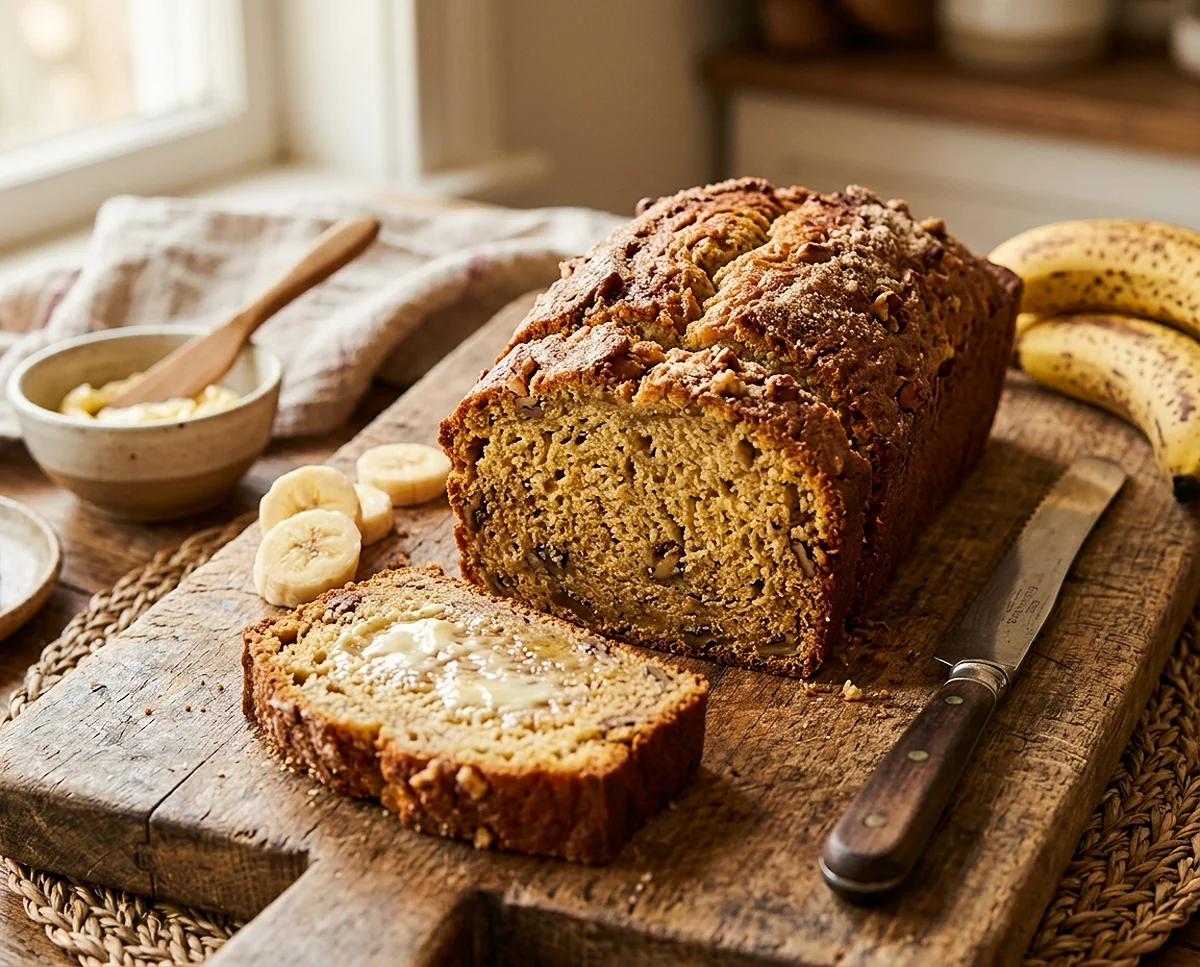
This is the banana bread recipe that started it all for me. It’s incredibly easy to make with just one bowl, requires no mixer, and delivers a perfectly moist crumb every single time. The secret lies in using really ripe bananas and not overmixing your batter.
What I love most is how forgiving this easy banana bread is for beginners. You can follow this foolproof recipe here and have a beautiful loaf ready in about an hour. The flavor is pure banana goodness with hints of vanilla and warming spices that make your whole house smell like heaven.
The Science Behind Perfect Banana Bread
Understanding what happens in your mixing bowl makes all the difference. When bananas ripen, their starches convert to sugars, which is why overripe bananas create sweeter, more flavorful bread. Those brown spots aren’t flaws, they’re flavor bombs waiting to happen.
The key to tender banana bread is gentle mixing. When you overmix, you develop too much gluten, resulting in tough, dense bread. Serious Eats explains that stirring just until the flour disappears creates the perfect texture.
Temperature matters more than you’d think. Room temperature ingredients blend more easily, creating a more uniform batter. Cold eggs or butter can cause your batter to seize up, leading to uneven texture throughout your loaf.
Essential Ingredients and Substitutions
Let’s talk bananas first. You want them so ripe that you’re almost embarrassed to have them on your counter. Black peels, soft flesh, and that sweet, almost fermented aroma signal they’re perfect. Three medium bananas usually equal about one and a half cups mashed.
All-purpose flour is your best friend here. It has just enough protein to provide structure without making your bread tough. If you’re using whole wheat flour, substitute only half to maintain tenderness while adding nutty flavor and fiber.
Fat adds moisture and richness. I prefer melted butter for its flavor, but neutral oil works beautifully if you want a dairy-free option. Coconut oil adds a subtle tropical note that plays wonderfully with banana.
Sugar does more than sweeten. It keeps your bread moist by attracting and holding water molecules. You can reduce it slightly if your bananas are super ripe, but don’t cut it by more than a quarter cup or you’ll affect texture.
Mixing Methods That Make a Difference
The muffin method is banana bread’s best friend. Mix your dry ingredients in one bowl, wet ingredients in another, then fold them together gently. This keeps gluten development minimal, resulting in tender crumb instead of tough, chewy texture.
I always mash my bananas with a fork until mostly smooth but still a bit chunky. Those little banana pieces create pockets of intense flavor throughout your loaf. A potato masher works great if you’re making a double batch.
When combining wet and dry, use a rubber spatula and fold in broad strokes. Stop the moment you don’t see dry flour anymore. A few lumps are totally fine and actually preferred over a perfectly smooth but overmixed batter.
If you’re adding mix-ins like chocolate chips or nuts, toss them with a tablespoon of flour first. This coating helps prevent them from sinking to the bottom during baking, distributing them evenly throughout your loaf.
Baking Tips for Consistent Results
Oven temperature is critical. Most banana bread bakes at 350°F, but every oven runs differently. Invest in an oven thermometer to know your true temperature, because even 25 degrees can mean the difference between perfectly moist and sadly dry.
The toothpick test is your friend, but with a caveat. Insert it into the center of your loaf, and look for moist crumbs, not wet batter. A completely clean toothpick often means you’ve overbaked and your bread will be dry.
Pan size matters more than you’d think. A 9×5-inch pan is standard and gives you those classic tall slices. If you use an 8×4-inch pan, your loaf will be taller and need about ten extra minutes in the oven.
If your top is browning too quickly, tent it loosely with aluminum foil about halfway through baking. This protects the surface while the center continues to cook through, preventing that dreaded burnt top with raw middle situation.
Creative Variations to Try
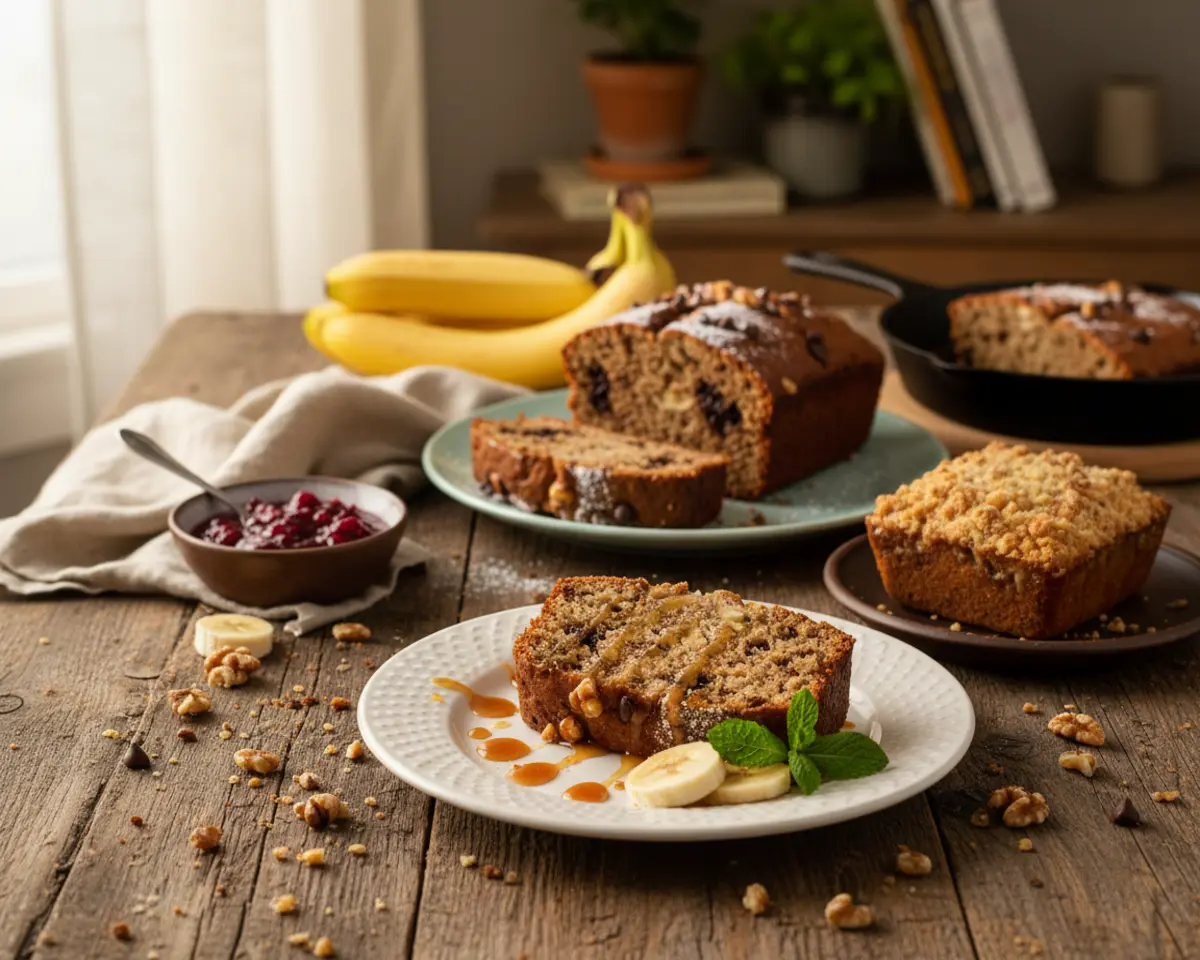
Chocolate chip banana bread is the classic upgrade. Fold in about a cup of semi-sweet or dark chocolate chips for pockets of melty goodness. I like to sprinkle a few extra on top before baking for that bakery-style appearance.
Nuts add wonderful texture and flavor. Walnuts are traditional, but pecans bring buttery richness and toasted almonds add elegant crunch. Toast them first for about five minutes to intensify their flavor before folding into your batter.
For tropical vibes, add shredded coconut and a handful of macadamia nuts. A teaspoon of rum extract takes it even further into vacation territory. This version tastes like you’re eating dessert on a beach somewhere warm.
Spice lovers should try adding an extra teaspoon of cinnamon, plus a quarter teaspoon each of nutmeg and cardamom. These warming spices make your kitchen smell incredible and add complex depth that elevates simple banana bread to something special.
Storage and Freshness Secrets
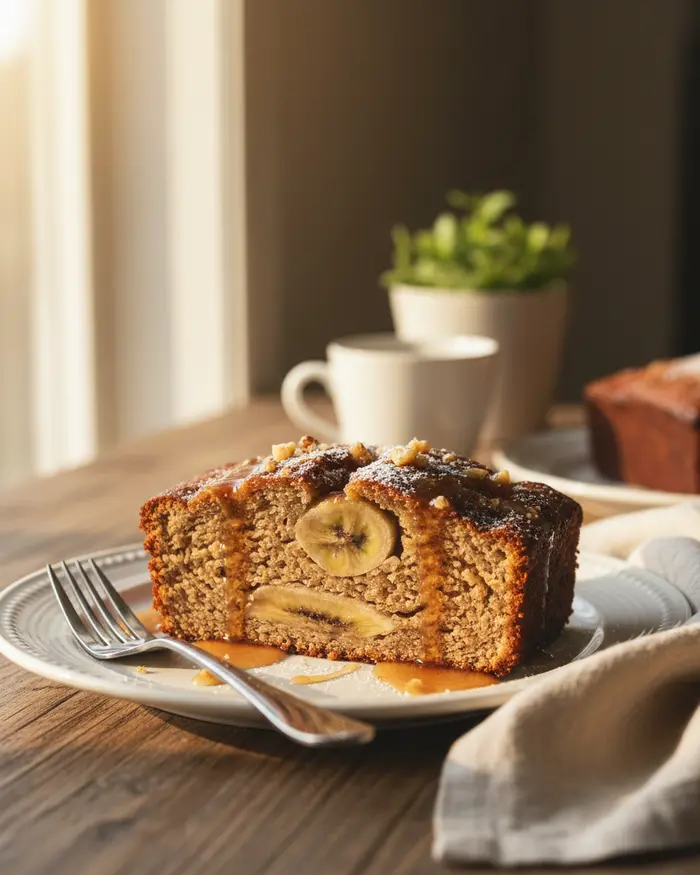
Let your banana bread cool completely before wrapping, or trapped steam will make it soggy. I know it’s tempting to slice into it warm, but patience here pays off with better texture and easier slicing.
Wrap cooled loaves tightly in plastic wrap, then again in aluminum foil. This double layer prevents it from drying out while keeping it from getting too moist. Stored this way at room temperature, it stays perfect for three to four days.
Freezing is your secret weapon for always having banana bread ready. Wrap individual slices in plastic wrap, then store them in a freezer bag. Pop a frozen slice in the toaster for a quick breakfast that tastes freshly baked.
Whole loaves freeze beautifully for up to three months. Thaw overnight on the counter while still wrapped, and the texture will be remarkably close to fresh. I actually think banana bread tastes even better the day after baking once the flavors have melded.
Troubleshooting Common Problems
Dense, heavy banana bread usually means overmixing or too much flour. Remember to spoon flour into your measuring cup and level it off rather than scooping directly from the bag, which packs it down and gives you way too much.
If your loaf sinks in the middle, you likely undermixed or opened the oven door too early. Resist peeking for at least the first forty minutes. That rush of cool air can cause the structure to collapse before it’s set.
Dry, crumbly texture means overbaking or not enough fat. Check your loaf about five minutes before the recipe suggests, and make sure you’re measuring your butter or oil accurately. Sometimes adding an extra tablespoon of fat makes all the difference.
A gummy, wet center despite a done toothpick test usually indicates your bananas were too wet or you added too many. Stick to the amount called for in your recipe, and if your bananas are extremely liquidy, drain off some excess moisture before mashing.
Making It Your Own
The beauty of this banana bread recipe is how adaptable it is to your preferences and dietary needs. Once you’ve mastered the basic version, you can experiment with confidence knowing the fundamentals are solid.
Healthier versions work surprisingly well. Replace half the all-purpose flour with whole wheat, swap some sugar for honey or maple syrup, and use Greek yogurt in place of some butter. These swaps add nutrition without sacrificing the moist, tender texture we’re after.
Vegan banana bread is totally doable. Use flax eggs (one tablespoon ground flaxseed mixed with three tablespoons water per egg), plant-based milk, and coconut oil. The results are remarkably similar to traditional versions, and no one will guess it’s dairy-free.
Mini loaves make wonderful gifts and bake faster than full-sized versions. Divide your batter among four mini pans and reduce baking time to about thirty minutes. They’re portion-controlled, adorable, and perfect for sharing with neighbors.
Your Banana Bread Adventure Starts Now
There’s something magical about transforming overripe bananas into something as comforting and delicious as homemade banana bread. It’s forgiving enough for your first baking adventure yet rewarding enough to keep you coming back for years.
Start with the basic recipe, then let your creativity run wild with variations. Each loaf teaches you something new about ingredients, techniques, and your own preferences. Before you know it, you’ll be the person everyone asks to bring banana bread to gatherings.
I’d love to hear how your banana bread turns out! Drop a comment below with your favorite mix-ins or any questions that come up while you’re baking. And if you discover a variation you absolutely love, share it so we can all try something new together.
Frequently Asked Questions
How ripe should bananas be for banana bread?
Bananas should be very ripe with heavily brown or black spotted peels for the best banana bread. Overripe bananas are sweeter, more flavorful, and mash easily, which creates a moist texture in the bread. The riper the banana, the better the flavor and natural sweetness it will add to your banana bread.
Why is my banana bread dense and heavy?
Dense banana bread is usually caused by overmixing the batter, using too much flour, or not using enough leavening agent. When you overmix, you develop too much gluten which makes the bread tough. Make sure to measure flour correctly by spooning it into the cup rather than scooping, and mix the batter just until the ingredients are combined.
Can I freeze banana bread?
Yes, banana bread freezes very well for up to 3 months. Allow the bread to cool completely, then wrap it tightly in plastic wrap followed by aluminum foil, or place it in a freezer-safe bag. You can freeze the whole loaf or individual slices. Thaw at room temperature or warm slices in the microwave for 20-30 seconds.
How do I know when banana bread is done baking?
Banana bread is done when a toothpick or cake tester inserted into the center comes out clean or with just a few moist crumbs. The top should be golden brown and spring back when lightly pressed. The internal temperature should reach about 200 degrees Fahrenheit. Depending on your oven and pan size, this typically takes 50-65 minutes at 350 degrees Fahrenheit.
How should I store banana bread and how long does it last?
Store banana bread at room temperature wrapped tightly in plastic wrap or aluminum foil, or in an airtight container. It will stay fresh for 2-3 days at room temperature. For longer storage, refrigerate it for up to a week, though this may dry it out slightly. Always ensure the bread has cooled completely before storing to prevent condensation and sogginess.