Nectarine Recipes
Discover the complete collection of nectarine recipes from cobblers to cakes. Your comprehensive guide to baking with this sweet, juicy stone fruit all season long.
Table of Contents
I’ll never forget the summer my grandmother brought home a bushel of nectarines from the farmers market, their peachy-gold skin still warm from the sun. She’d stand at the kitchen counter, juice dripping down to her elbows, slicing them into every dessert imaginable.
That’s when I learned that nectarines are more than just peaches without fuzz—they’re a baker’s dream with their firm texture and sweet-tart balance that holds up beautifully in the oven.
After two decades of baking professionally and running my own pastry kitchen, I’ve worked with hundreds of pounds of nectarines. I’ve learned which varieties caramelize best in cobblers, how to prevent watery fillings, and why nectarines sometimes outperform peaches in certain recipes. This guide brings together everything I know about turning fresh nectarines into unforgettable desserts.
Whether you’re staring at a bag of nectarines wondering what to make, or you’re planning your summer baking menu, this collection will help you make the most of stone fruit season. From rustic fruit desserts to elegant layer cakes, frozen treats to spreadable preserves, you’ll find tested techniques that work every single time.
The Quick Guide
Here’s what you need to know about baking with nectarines:
- Nectarines have firmer flesh than peaches, making them ideal for recipes where you want fruit to hold its shape during baking
- You can leave the skin on for rustic desserts or remove it easily by blanching for 30 seconds in boiling water
- Slightly underripe nectarines work better for baked goods, while perfectly ripe ones shine in no-bake desserts and ice creams
- The season typically runs from late May through September, with peak sweetness in July and August
- Most recipes convert easily between nectarines and peaches, though nectarines release slightly less moisture during baking
Why Nectarine Recipes Deserve a Place in Your Kitchen
Nectarines bring something special to your baking that other fruits can’t quite match. Their smooth skin means no peeling required for many recipes, saving you precious time when you’re craving something sweet. The flesh stays firm even when fully ripe, so your cobblers won’t turn to mush and your cake layers keep their beautiful shape.
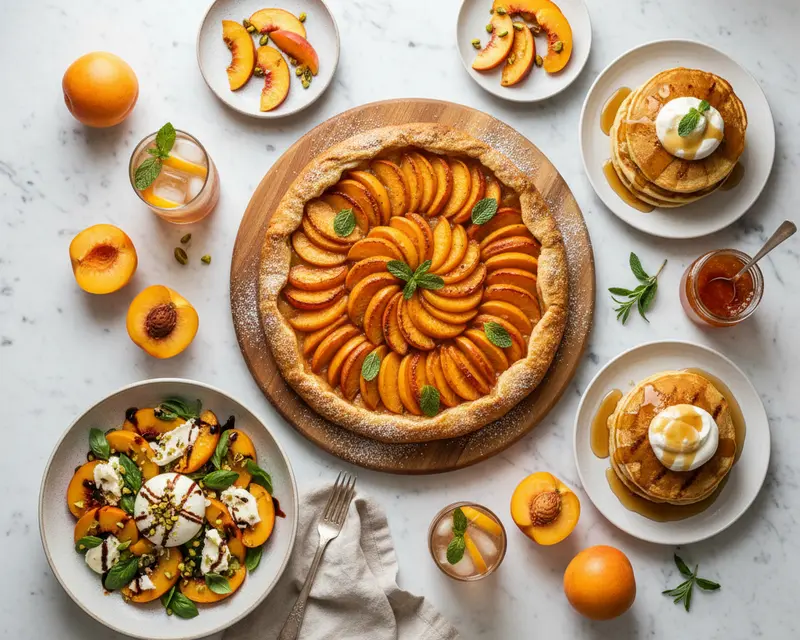
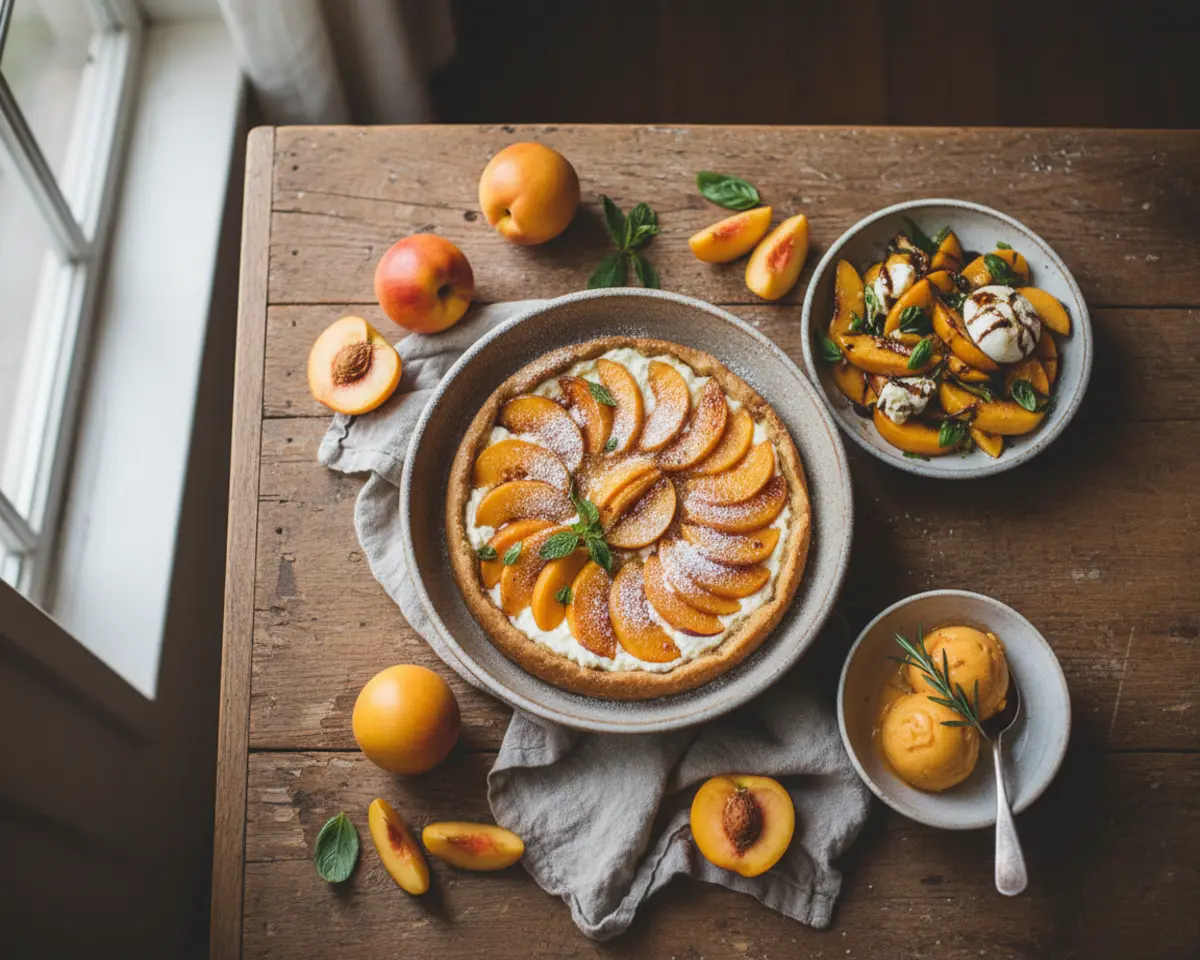
The flavor sits in that perfect sweet spot between a peach’s mellow sweetness and an apricot’s bright tang. This balance means nectarines pair beautifully with warm spices like cinnamon and ginger, but they’re equally stunning with vanilla, almond, or even herbs like basil and thyme.
They caramelize gorgeously under heat, developing deeper, almost honeyed notes that make simple desserts taste extraordinary.
What I love most is their versatility across the dessert spectrum. The same batch of nectarines from your farmers market can become a rustic weeknight cobbler, an impressive layer cake for a dinner party, homemade jam for your pantry, and creamy ice cream for hot afternoons. Few fruits work this beautifully across so many different preparation methods.
Stone fruit season is fleeting, usually just three or four months depending on your region. Having a comprehensive collection of easy nectarine recipes means you can make the absolute most of the season. You’ll know exactly what to bake whether you have thirty minutes or a whole afternoon, whether you’re feeding a crowd or just treating yourself.
Nectarine Cobblers Crisps
These are your go-to fresh nectarine recipes for rustic, comforting desserts that celebrate the fruit’s natural sweetness. Cobblers feature tender biscuit toppings that soak up the juices, while crisps offer buttery, crunchy streusel that contrasts beautifully with soft baked fruit.
Perfect for beginners and seasoned bakers alike, these recipes come together quickly and fill your kitchen with the most incredible aroma.
What makes nectarines particularly excellent for cobblers and crisps is their structural integrity. Unlike some fruits that turn to complete mush, nectarines soften just enough while maintaining distinct pieces. You get spoonfuls with actual fruit texture, not just jammy filling. The skin, when left on, adds subtle color and holds the slices together during baking.
These desserts shine at summer gatherings because they’re endlessly adaptable. Make them in a big pan for a crowd, individual ramekins for dinner parties, or a cast iron skillet for that rustic presentation everyone loves. They taste amazing warm from the oven with vanilla ice cream, at room temperature for breakfast the next morning, or even cold straight from the fridge.
Nectarine Cakes
When you want something more refined, turn to homemade nectarine recipes that showcase elegant presentation alongside incredible flavor. From simple single-layer cakes to impressive tortes, these recipes prove that nectarines can be just as sophisticated as any berry or citrus fruit.
The fruit’s firm texture means it won’t sink to the bottom of your batter or release excessive moisture that makes cakes soggy.
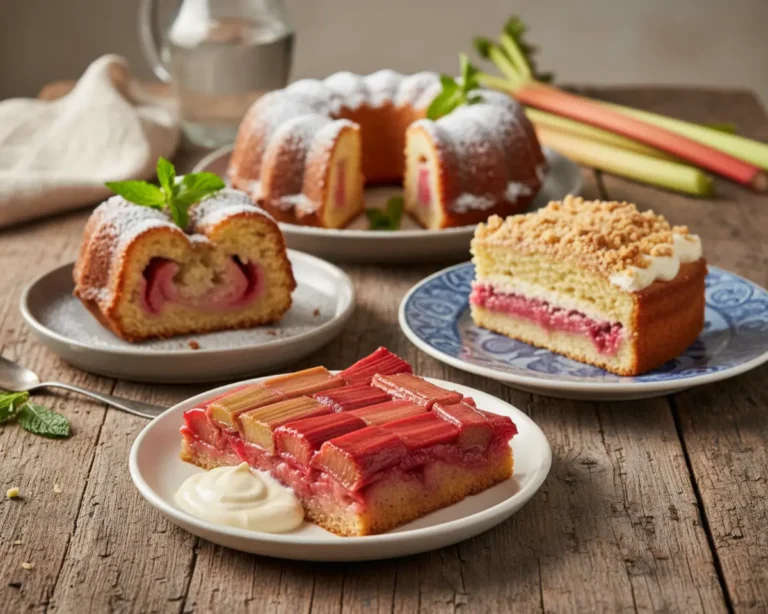
Nectarine cakes range from casual coffee cakes perfect for weekend brunch to celebration-worthy layer cakes with buttercream or cream cheese frosting. Upside-down cakes highlight the fruit’s beautiful color as it caramelizes against the pan, while swirled cakes create gorgeous marbled patterns throughout each slice.
The natural sweetness means you can often reduce added sugar without sacrificing flavor.
These recipes work beautifully for occasions when you want homemade charm without fussy techniques. Most come together with standard mixing methods, and the fruit does the decorating work for you. Arrange slices on top before baking, and you’ve got a stunning presentation that looks like you spent hours when you really didn’t.
Nectarine Spreads
Preserve the taste of summer in jars with easy nectarine recipes for jams, preserves, and fruit butters. These spreads concentrate all the best flavors of ripe nectarines into something you can enjoy long after the season ends. Spread them on morning toast, swirl them into yogurt, use them as cake fillings, or give them as thoughtful homemade gifts.
Making nectarine spreads is more approachable than many people think. You don’t need special canning equipment for small batches that you’ll store in the refrigerator, and even proper canning follows straightforward steps once you understand the basics. The reward is pantry shelves lined with jewel-toned jars that capture peak-season flavor.
The lower moisture content in nectarines compared to some other fruits means your spreads often set up beautifully without needing excessive sugar or pectin. You can make naturally thick fruit butters by slow-cooking until deeply concentrated, or bright, chunky preserves that maintain pieces of fruit. Each style has its place depending on how you plan to use it.
Nectarine Frozen Desserts
Cool down with fresh nectarine recipes transformed into ice creams, sorbets, and frozen treats. These desserts capture the essence of perfectly ripe fruit in frozen form, offering intense flavor and creamy or icy textures depending on your preference. They’re the ultimate way to beat summer heat while showcasing what makes nectarines so special.
Frozen desserts give you flexibility with fruit ripeness. Those nectarines that went from firm to soft seemingly overnight? They’re perfect for ice cream. Slightly underripe fruit works beautifully in granitas where you want bright, tart flavor. And peak-season nectarines make sorbets that taste like frozen sunshine in a bowl.
These recipes range from simple no-churn ice creams you make in your freezer to churned versions if you have an ice cream maker, plus frozen pops, granitas, and semifreddos. Many can be made dairy-free or vegan easily, and they’re naturally gluten-free. Keep a batch in your freezer and summer dinner parties suddenly have a impressive, make-ahead dessert option.
Expert Guide to Baking with Nectarines
Understanding how nectarines behave in different recipes helps you get consistent, delicious results every time. These techniques come from years of testing and professional experience with stone fruit.

Essential Techniques
The most important skill is selecting nectarines at the right ripeness for your recipe. For baked goods like cobblers and cakes, choose fruit that yields slightly to gentle pressure but still feels firm. Overly ripe nectarines turn mushy when baked and release too much liquid. For frozen desserts and spreads, fully ripe or even slightly overripe fruit provides maximum flavor and natural sweetness.
Cutting technique matters more than you might think. Slice nectarines along their natural segments following the contour of the pit. You’ll get cleaner pieces that hold together better. For recipes where appearance matters, cut slices of uniform thickness so they cook evenly. When you need diced fruit, slice first and then cut across.
Managing moisture prevents watery desserts. Toss nectarine slices with a tablespoon or two of flour or cornstarch before adding to cobblers and crisps. This absorbs juices as they release and creates that perfect thick, syrupy consistency. For cakes, pat sliced nectarines gently with paper towels to remove surface moisture before arranging on batter.
Temperature control affects texture dramatically. Bring nectarines to room temperature before folding into cake batters so they don’t create cold spots that prevent even rising. For frozen desserts, chill your mixture thoroughly before churning. The colder it starts, the smoother the final texture will be.
Ingredient Spotlight
Nectarines pair beautifully with warm spices that complement their natural sweetness without overwhelming it. Cinnamon is classic for good reason, but don’t overlook cardamom, ginger, or a tiny pinch of nutmeg. Even a crack of black pepper can enhance the fruit’s complexity in unexpected ways.
Start with small amounts since nectarines have delicate flavor compared to assertive fruits like blackberries.
Vanilla amplifies fruit flavor rather than competing with it. Whether you use extract, paste, or scraped beans, vanilla makes nectarines taste more like themselves. Almond extract creates a wonderful stone-fruit synergy, but use it sparingly since it’s intensely flavored. Just a quarter teaspoon can transform a simple recipe.
Acids brighten and balance sweetness. A squeeze of lemon juice keeps colors vibrant and prevents oxidation. It also enhances the natural tartness that makes nectarines interesting rather than one-dimensionally sweet. For spreads, proper acid levels are essential for safe canning and help achieve the right set.
Flour choice impacts texture in baked goods. All-purpose works universally well, but cake flour creates more tender crumb in delicate cakes. For cobblers and crisps, all-purpose provides structure that holds up to juicy fruit. Whole wheat flour adds nutty flavor that complements nectarines nicely if you substitute up to half the flour.
Seasonal Considerations
Early-season nectarines from May and June tend to be firmer with more pronounced tartness. These are your best choice for recipes where you want distinct fruit pieces that hold their shape. They’re ideal for cobblers, cakes, and any baked application. The firmer texture also makes them easier to slice cleanly for attractive presentation.
Mid-season fruit from July hits the sweet spot of balanced sugar and acid. These nectarines work beautifully across all recipe categories. They’re sweet enough for ice cream and frozen desserts but still have enough structure for baking. This is when you’ll find the most variety at markets, with different cultivars offering subtle flavor variations.
Late-season nectarines in August and September are often the sweetest and softest. While they’re incredible for eating fresh, they require gentle handling in baking. They’re perfect for spreads where you want concentrated sweetness, and they make luxuriously flavored ice creams. Just watch them closely in cobblers since they’ll soften faster than early-season fruit.
Local versus shipped fruit makes a real difference. Farmers market nectarines picked ripe have flavor intensity that supermarket fruit shipped across the country can’t match. If you have access to local sources, prioritize them even if it means waiting a bit longer for your region’s season. The difference in your finished recipes will be immediately obvious.
Skill Level Guide
Beginners should start with cobblers and crisps where technique is forgiving and the fruit does most of the flavor work. These recipes teach you how nectarines behave when baked without requiring precision. You’ll learn how much the fruit softens, how the juices thicken, and what properly done fruit desserts look and taste like. Success here builds confidence for more complex projects.
Intermediate bakers can tackle single-layer cakes and simple frozen desserts. These introduce new techniques like folding fruit into batter without overmixing, or understanding how sugar affects freezing point in ice creams. You’ll develop better instincts for moisture balance and learn how different mixing methods affect texture when fruit is involved.
Advanced projects include layer cakes with multiple components, proper water-bath canning for shelf-stable spreads, and custard-based ice creams that require tempering eggs. These recipes demand attention to detail and understanding of how ingredients interact. The payoff is restaurant-quality desserts and preserves that make impressive gifts or special occasion centerpieces.
Progression happens naturally as you work through different recipe types. Each category teaches transferable skills. Spread-making improves your understanding of how sugar and acid work together. Frozen desserts teach you about texture and flavor intensity. Cakes refine your mixing techniques. Together, they make you a more confident baker across all categories.
Storage and Make-Ahead Tips
Fresh nectarines ripen quickly at room temperature. Keep them in a single layer, not touching, away from direct sunlight. Once they reach your preferred ripeness, refrigerate them to slow further softening. They’ll keep for about five days cold. Bring them back to room temperature before baking for best results, or add a few minutes to baking time if using cold fruit.
Baked desserts like cobblers and crisps store well covered at room temperature for two days, or refrigerated for up to five days. The topping softens as it sits, so if you want to revive crispness, reheat portions in a hot oven for ten minutes. Cakes typically keep at room temperature for three days or refrigerated for a week. Most actually improve after a day as flavors meld.
Frozen desserts should be stored in airtight containers with plastic wrap pressed directly against the surface to prevent ice crystals. Homemade ice cream is best within two weeks for optimal texture, though it remains safe longer. Let it sit at room temperature for five minutes before scooping for easier serving and better flavor.
Spreads processed in a water bath for proper canning keep for a year in a cool, dark place. Refrigerator jams last about three weeks once opened. Always use clean utensils when serving to prevent introducing bacteria. Freeze extra portions of jam in small containers for up to six months if you made more than you can use fresh.
Choosing the Right Nectarine Recipe for Your Needs
Your available time often determines which recipe type makes the most sense. When you need dessert tonight, cobblers and crisps come together in under an hour including baking time. Most require just mixing topping ingredients and tossing fruit with sugar and thickener. They’re perfect for weeknight treats or last-minute gatherings.
For planned occasions, cakes give you more impressive presentation with manageable effort. Single-layer cakes work for casual get-togethers while layer cakes suit celebrations. Most can be baked a day ahead, with frosting added the day of serving. This makes them ideal when you want something special without day-of stress.
If you’re focused on preserving summer bounty, spreads are your answer. Dedicate one afternoon when fruit is abundant and affordable to make several batches. The work feels worthwhile when you’re enjoying homemade nectarine jam in February. Choose refrigerator versions if canning feels intimidating, or learn proper canning techniques to create shelf-stable jars.
Frozen desserts split into quick and involved categories. No-churn ice creams and simple sorbets come together easily with minimal equipment. Churned ice creams and semifreddos require more steps but deliver superior texture. Both can be made well in advance, making them excellent for entertaining since they’re completely finished before guests arrive.
Your skill comfort zone matters too. Feeling uncertain? Start with forgiving recipes like crisps that don’t require precise technique. Want to challenge yourself? Try a layer cake or custard-based ice cream. There’s no wrong starting point as long as you’re working with good fruit and following tested recipes.
Dietary needs guide choices naturally. Most cobbler and crisp toppings adapt easily to dairy-free versions using plant-based butter. Many cakes work with simple substitutions. Frozen desserts offer some of the best options for accommodating restrictions, with sorbets being naturally dairy-free and many ice cream bases adapting to coconut or oat milk.
Consider your audience when selecting recipes. Kids often prefer straightforward fruit desserts like cobblers where they can really taste the nectarines. Adults appreciate more complex flavors in cakes with complementary spices or frozen desserts with textural contrast. Spreads appeal to everyone but are especially appreciated by people who love homemade touches.
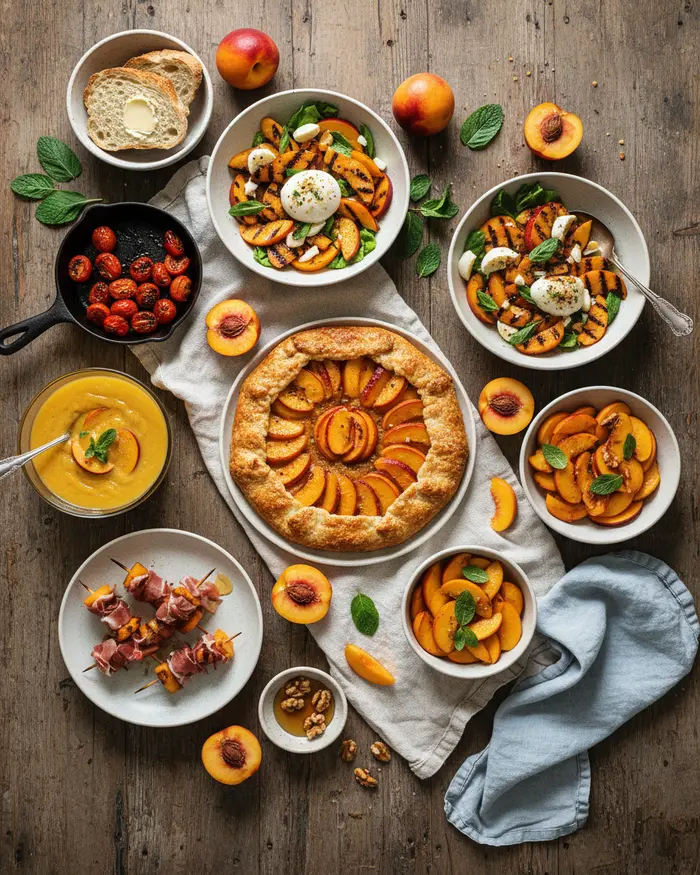
Start Baking with Nectarines Today
The best time to explore these nectarine recipes is right now, while stone fruit season is in full swing. Whether you start with a simple crisp, an elegant cake, homemade jam, or creamy ice cream, you’ll discover why nectarines deserve a starring role in your summer baking. Each category offers something unique, and together they give you endless ways to enjoy this incredible fruit.
Save this guide to your favorites so you have it ready whenever nectarines appear at your market. Pin your favorite recipe collections to reference throughout the season. And if you’re wondering where to start, try a cobbler or crisp first—they’re the most forgiving and deliver incredibly delicious results that’ll have everyone asking for seconds.
What nectarine recipe are you most excited to try? Drop a comment below and let me know if you’re team cobbler, team cake, team jam, or team ice cream. I love hearing which direction your baking takes you.
Frequently Asked Questions
What are the best ways to use fresh nectarines in recipes?
Fresh nectarines are versatile in both sweet and savory dishes. Use them in salads with arugula and goat cheese, bake them into cobblers and pies, grill them for desserts, blend into smoothies, or make preserves and jams. They also work well in salsas, paired with grilled meats, or simply sliced over yogurt and oatmeal for breakfast.
Do I need to peel nectarines before cooking with them?
Peeling nectarines is optional and depends on your recipe and preference. The skin is edible and contains nutrients and fiber. For smooth purees, jams, or baby food, peeling is recommended. For pies, cobblers, grilled dishes, and salads, the skin can remain on. If you prefer to peel them, blanch in boiling water for 30 seconds first.
Can I substitute nectarines for peaches in recipes?
Yes, nectarines and peaches are interchangeable in most recipes. They are very similar in flavor and texture, with nectarines having smooth skin and a slightly firmer texture. Use the same quantities when substituting. Both work equally well in baked goods, jams, sauces, and fresh preparations. The main difference is aesthetic and textural preference.
How do I choose ripe nectarines for cooking?
Select nectarines that yield slightly to gentle pressure and have a sweet fragrance at the stem end. Look for vibrant color with no green undertones and avoid bruises or soft spots. For immediate use, choose softer fruit. For recipes later in the week, select firmer nectarines and let them ripen at room temperature. Ripe nectarines provide the best flavor.
What desserts can I make with nectarines?
Nectarines shine in numerous desserts including cobblers, crisps, pies, tarts, and galettes. Make nectarine ice cream, sorbet, or popsicles for summer treats. Bake them into cakes, muffins, or upside-down cakes. Try poaching them in wine or syrup, grilling with honey, or creating a simple nectarine compote to serve over vanilla ice cream or pound cake.