Fruit Desserts
There’s something magical about the first bite of a warm fruit crisp, fresh from the oven, with vanilla ice cream melting into the bubbling fruit beneath. That
Discover the complete world of fruit desserts with this comprehensive guide featuring everything from classic pies to elegant tarts, plus expert tips for baking with seasonal fruit.
Table of Contents
There’s something magical about the first bite of a warm fruit crisp, fresh from the oven, with vanilla ice cream melting into the bubbling fruit beneath. That moment transports me back to my grandmother’s kitchen every August, when we’d spend entire afternoons turning baskets of farmers market fruit into desserts that made the whole house smell like summer.
She taught me that the best fruit desserts let the fruit shine, balancing sweetness with texture and never masking natural flavors.
After years of baking fruit desserts in every season, I’ve learned that this category offers something special: desserts that feel both indulgent and wholesome. Whether you’re working with summer berries, fall apples, winter citrus, or spring stone fruit, there’s a perfect preparation method waiting.
The beauty of fruit desserts lies in their versatility and how they adapt to whatever’s fresh and ripe.
This guide brings together everything I’ve discovered about baking with fruit, from choosing the ripest produce to mastering techniques that create perfectly balanced desserts. You’ll find detailed explorations of classic preparations, seasonal strategies, and links to comprehensive pillar posts that dive deep into specific fruit dessert categories.
The Quick Guide
Here’s what you need to know about creating exceptional fruit desserts:
- Seasonal fruit matters: Use what’s ripe and local for maximum flavor and natural sweetness in your fruit desserts
- Balance is key: The best fruit dessert recipes balance fruit sweetness with acidity, texture, and just enough added sugar
- Technique creates texture: Different preparations suit different fruits—pies for firm fruit, cobblers for juicy berries, tarts for delicate varieties
- Make-ahead friendly: Most fruit desserts taste even better the next day as flavors meld and textures settle
- Endless variations: From healthy fruit desserts with minimal sugar to indulgent classics, this category offers options for every occasion
Understanding Fruit Desserts
Fruit desserts encompass a beautiful range of baked and chilled treats that showcase fresh, frozen, or preserved fruit as the star ingredient. Unlike cakes or cookies where flour and butter dominate, fruit desserts put the produce front and center, supported by crusts, toppings, or creamy components that enhance rather than hide natural flavors.
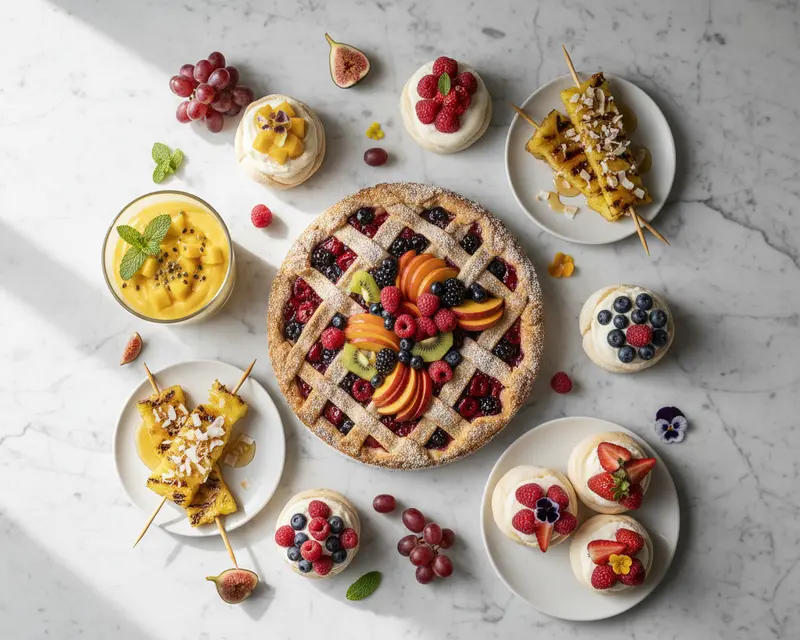
What makes fruit desserts special is their adaptability to seasons and occasions. Summer calls for easy fruit desserts featuring berries and stone fruit, while fall and winter shine with apples, pears, and citrus.
They work equally well as casual weeknight treats or elegant dinner party finales, and many qualify as healthy fruit desserts when you adjust sugar levels and choose whole grain toppings.
The category includes everything from rustic cobblers and crisps to refined tarts and elaborate pies. Some fruit desserts require pastry skills, while others come together in minutes with pantry staples. This versatility means there’s always a fruit dessert recipe that matches your skill level, available time, and the fruit waiting in your kitchen.
Fruit Pies Cobblers Crisps
These rustic, comforting fruit desserts represent the heart of American baking traditions. Explore the complete guide to fruit pies cobblers crisps for detailed techniques on creating bubbling, golden desserts that showcase seasonal fruit beneath buttery toppings and flaky crusts.
This category covers the spectrum from traditional double-crust pies that require pastry skills to forgiving cobblers with drop biscuit toppings and crisps with simple streusel layers. These fruit desserts work beautifully with nearly any fruit, from classic apple and cherry combinations to creative mixed berry blends.
They’re perfect for feeding crowds, potlucks, and family gatherings where you need a dessert that serves many.
The techniques you’ll master include preventing soggy bottom crusts, thickening fruit fillings properly, creating flaky pastry, and achieving that perfect balance between tender fruit and crisp topping. These fruit dessert recipes also excel at make-ahead preparation, often tasting even better after flavors meld overnight.
Key Lime Pies Tarts
Bright, tangy, and refreshing, this category brings sophisticated citrus flavor to your fruit desserts repertoire. Discover everything about key lime pies tarts including authentic Key lime techniques, graham cracker crust perfection, and elegant variations that elevate this tropical classic.
These fruit desserts offer a completely different experience from baked fruit preparations, featuring creamy, custardy fillings that balance intense citrus acidity with sweetness. The no-bake nature of classic Key lime pie makes it an ideal choice for hot weather when you want dessert without heating your kitchen.
The category extends beyond traditional Key lime to include Meyer lemon tarts, regular lime variations, and creative citrus combinations.
You’ll learn the secrets of silky smooth filling texture, preventing cracking, achieving proper set without overbaking, and creating crusts that stay crisp beneath creamy fillings. These healthy fruit desserts contain less sugar than many alternatives, letting the natural fruit flavor shine through bright and clean.
Apple Crisps Crumbles
When fall arrives and apple season peaks, this category becomes essential knowledge for any home baker. Master the art of apple crisps crumbles with comprehensive guidance on apple selection, spice combinations, topping variations, and techniques that create the perfect balance of tender apples and crunchy streusel.
These easy fruit desserts represent the simplest entry point into fruit dessert baking, requiring no pastry skills or complicated techniques. The category focuses on creating maximum flavor from minimal ingredients, with attention to apple variety selection, proper slicing techniques, and topping compositions that bake up golden and crisp while staying tender beneath.
Apple crisps and crumbles work beautifully as weeknight desserts since they come together quickly and bake while you eat dinner. They’re forgiving of variations, welcoming additions like cranberries, pears, or different spice blends. These fruit desserts also reheat exceptionally well, making them perfect for meal prep or enjoying throughout the week.
Expert Category Guide
Essential Techniques
Mastering fruit desserts begins with understanding how different fruits behave during baking. High-moisture fruits like berries release significant liquid and require more thickener, while firm fruits like apples need longer cooking times to soften properly. Learning to adjust recipes based on fruit ripeness and moisture content ensures success across all fruit dessert recipes.
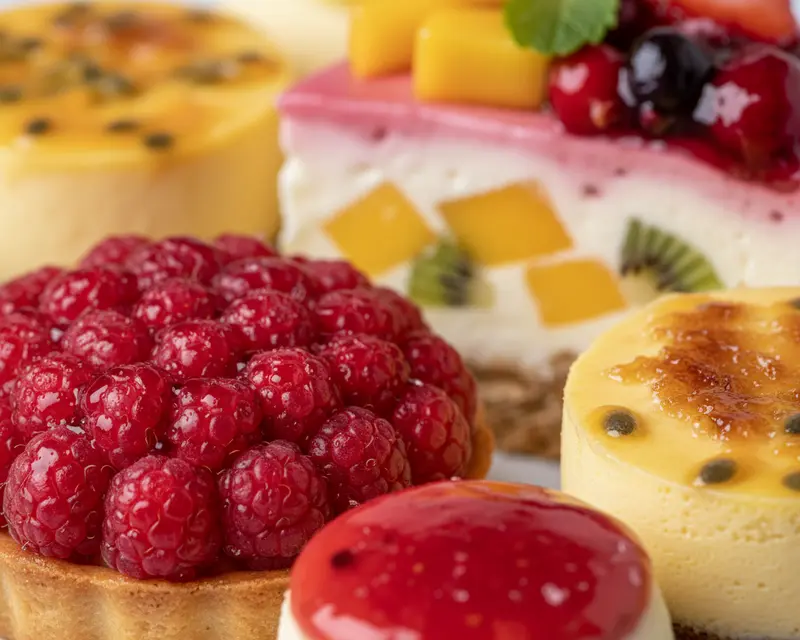
Proper thickening stands as perhaps the most critical technique in fruit desserts. Cornstarch, tapioca, and flour each work differently, with cornstarch creating clear, glossy fillings perfect for berry pies, while flour produces more opaque results that suit apple desserts. The amount varies dramatically based on fruit type, with juicy berries needing up to twice as much thickener as apples.
Temperature control prevents the most common fruit dessert failures. Baking at too high heat causes toppings to brown before fruit softens, while too low temperature produces pale, soggy results. Most fruit desserts bake best at 375°F, though starting pies at higher temperatures helps set bottom crusts before moisture penetrates.
Macerating fruit before assembly draws out excess moisture and intensifies flavor. Toss sliced fruit with sugar and let it sit for 15-30 minutes, then drain excess liquid before adding thickener. This technique works especially well for stone fruits and berries in easy fruit desserts, preventing soupy fillings and concentrating fruit flavor.
Ingredient Spotlight
The fruit itself determines success more than any other ingredient in fruit desserts. Choose fruit at proper ripeness—slightly underripe for pies and cobblers that bake a long time, perfectly ripe for tarts and crisps with shorter baking. Underripe fruit holds its shape better, while overripe fruit breaks down into mush and releases too much liquid.
Different apple varieties transform apple crisps and crumbles dramatically. Granny Smith apples hold their shape and provide tartness, Honeycrisp adds sweetness and maintains texture, while Braeburn balances sweet and tart. Mixing varieties creates more complex flavor than single-variety desserts. Avoid Red Delicious and McIntosh, which turn mushy when baked.
Sugar type impacts both flavor and texture in fruit dessert recipes. Granulated white sugar provides clean sweetness, brown sugar adds molasses notes and moisture, while turbinado sugar creates crunchy toppings. Many healthy fruit desserts reduce sugar by 25-50%, relying on naturally sweet ripe fruit and flavor-boosting spices like cinnamon and vanilla.
Thickeners behave differently and shouldn’t be substituted equally. Cornstarch thickens at lower temperatures and creates clear, glossy fillings but breaks down with prolonged baking or acidic fruit. Tapioca withstands longer baking and handles acid better, producing slightly cloudy results with pleasant texture. Flour creates opaque fillings and requires more quantity but never clumps.
Seasonal Considerations
Spring brings the year’s first fresh fruit desserts with strawberries, rhubarb, and early cherries. These fruits shine in simple preparations like cobblers and tarts where their delicate flavors aren’t overwhelmed. Strawberry-rhubarb combinations create classic balance between sweet and tart, while fresh cherry pies celebrate fleeting cherry season.
Summer explodes with fruit dessert possibilities as berries, peaches, nectarines, plums, and apricots reach peak season. This abundance calls for easy fruit desserts that come together quickly—cobblers, crisps, and simple tarts that let perfect fruit speak for itself. Mixed berry desserts combine complementary flavors, while single-fruit preparations showcase unique characteristics.
Fall transitions to apples, pears, and late stone fruits, with apple-based fruit desserts dominating autumn baking. The season’s cooler weather makes baking more comfortable, encouraging elaborate pies and long-simmered fruit preparations. Spices like cinnamon, nutmeg, and cardamom complement fall fruits perfectly, adding warmth to fruit desserts meant for cozy gatherings.
Winter shifts to citrus, cranberries, and stored apples and pears. Key lime pies and lemon tarts bring brightness to gray months, while cranberry additions provide tart contrast in apple and pear desserts. Frozen fruit from summer becomes valuable now, letting you create berry cobblers and peach crisps that recall warmer months.
Skill Level Guide
Beginner bakers should start with crisps and crumbles, the most forgiving fruit desserts that require no pastry skills. These easy fruit desserts involve simply slicing fruit, tossing with sugar and thickener, then topping with streusel. Mistakes rarely prove catastrophic, and the results always taste delicious even if appearance isn’t perfect.
Intermediate bakers ready to advance can tackle cobblers and single-crust pies. Cobblers introduce drop biscuit or cake toppings that require mixing technique but remain more forgiving than pastry. Single-crust pies like Key lime or fruit galettes teach pastry basics without the complexity of double-crust construction or lattice work.
Advanced bakers master double-crust pies, lattice tops, and decorative tarts. These fruit dessert recipes demand pastry skills including proper dough handling, rolling technique, crimping, and venting. Success requires understanding gluten development, fat incorporation, and temperature control. The results showcase technical skill alongside fruit flavor.
Expert-level fruit desserts incorporate advanced techniques like par-baking crusts, creating multiple components, and precise temperature work. Think French-style fruit tarts with pastry cream layers, elaborate pie decorations, or combination desserts that integrate multiple preparation methods. These fruit desserts become showpieces suitable for special occasions.
Storage and Make-Ahead Tips
Most baked fruit desserts store well at room temperature for 1-2 days when covered loosely with foil or a clean towel. This storage method maintains crisp toppings better than refrigeration, which tends to soften streusel and make crusts soggy. Many fruit dessert recipes actually improve after sitting overnight as flavors meld and fillings set completely.
Refrigeration extends storage to 4-5 days for fruit desserts, though you sacrifice some texture. Bring refrigerated desserts to room temperature before serving, or reheat in a 350°F oven for 10-15 minutes to restore crispness. Cover loosely with foil if tops brown too quickly during reheating. Custard-based fruit desserts like Key lime pie require refrigeration always.
Freezing works beautifully for most fruit desserts when properly wrapped. Freeze assembled but unbaked pies and crisps for up to 3 months, then bake directly from frozen, adding 15-20 minutes to baking time. Alternatively, freeze baked fruit desserts after cooling completely, wrap tightly, and reheat from frozen. Texture remains remarkably close to fresh-baked.
Fruit fillings can be prepared 1-2 days ahead and refrigerated, making assembly quick on baking day. This technique particularly helps with apple-based fruit desserts, as pre-cooking apples slightly reduces baking time and ensures tender fruit. Store prepared toppings separately, refrigerating pastry and keeping streusel at room temperature in airtight containers.
Comparison and Selection Guide
Choose fruit pies cobblers crisps when feeding crowds or bringing dessert to gatherings. These fruit desserts serve many people easily, transport well, and please diverse palates. They work best with firm fruits like apples, peaches, and berries that hold up to longer baking times. Pick these when you want rustic, comforting desserts that feel homey and traditional.
Select Key lime pies tarts for elegant occasions requiring refined presentation. These healthy fruit desserts offer brightness and sophistication, cutting through heavy meals with citrus acidity. They’re ideal for hot weather since most don’t require baking, keeping kitchens cool.
Choose this category when you want make-ahead convenience, as these fruit desserts must chill several hours before serving.
Opt for apple crisps crumbles when you need easy fruit desserts that come together quickly on busy weeknights. These require minimal skill and equipment, making them perfect for beginner bakers or anyone short on time. Select these fruit dessert recipes in fall when apples peak, or anytime you want comforting dessert without complicated techniques or fancy ingredients.
Consider fruit type when deciding between categories. Delicate berries work beautifully in cobblers and crisps but can become too soft in long-baking double-crust pies. Firm apples excel in any preparation but truly shine in crisps and pies. Citrus fruits obviously suit tarts and custard pies, while stone fruits adapt well to nearly any fruit dessert style.
Think about skill level and available time. If you’ve never made pie crust, start with crisps or cobblers rather than attempting elaborate pies that might frustrate you. When time allows for advance preparation, tarts and pies can be assembled ahead. For last-minute fruit desserts, crisps and cobblers go from counter to oven to table fastest.
Dietary considerations matter too. Healthy fruit desserts with reduced sugar work across all categories but succeed especially well in crisps where naturally sweet fruit dominates. Gluten-free versions adapt most easily to crisps with alternative flour toppings. Vegan fruit desserts substitute plant-based fats in any category, though some techniques require adjustment.
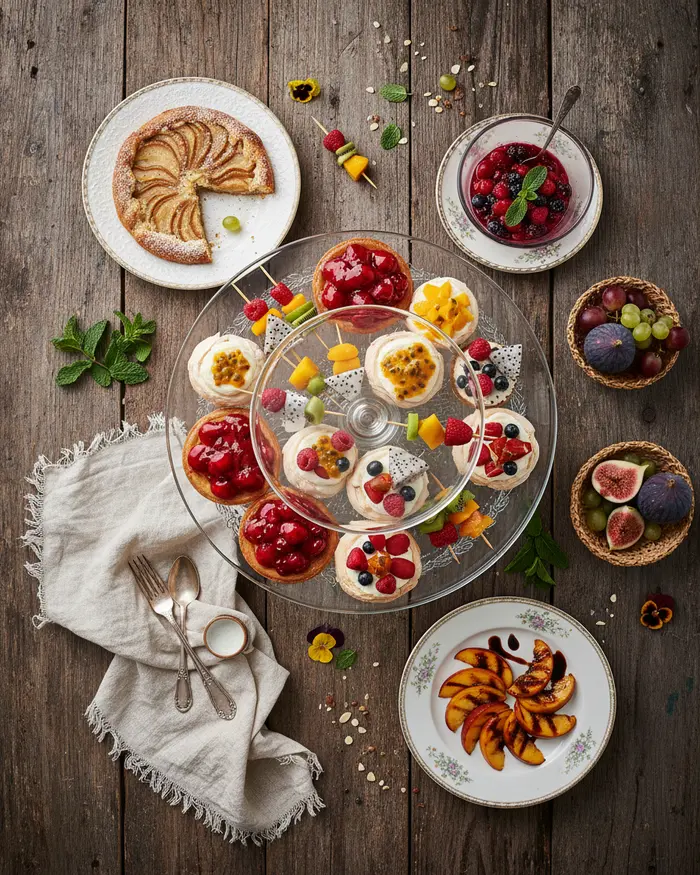
Your fruit desserts journey starts with choosing just one category to explore deeply. Whether you begin with comforting apple crisps crumbles, dive into classic fruit pies cobblers crisps, or master refreshing Key lime pies tarts, you’re building skills that transform seasonal fruit into memorable desserts.
Save this guide for reference whenever fruit overflows your farmers market bag or you need the perfect dessert for any occasion. Pin your favorite sections to Pinterest so you can find these fruit dessert recipes when inspiration strikes. Then tell me—which category calls to you first, and what fruit is waiting in your kitchen right now?
Frequently Asked Questions
What are the healthiest fruits to use in desserts?
Berries like strawberries, blueberries, and raspberries are excellent choices due to their high antioxidant content and lower sugar levels. Citrus fruits such as oranges and grapefruits provide vitamin C. Apples and pears offer fiber while maintaining natural sweetness. Stone fruits like peaches and plums are nutrient-rich options.
How can I prevent fruit from browning in desserts?
Toss cut fruits in lemon or lime juice immediately after slicing, as the citric acid prevents oxidation. You can also use a mixture of water and ascorbic acid. For apples and pears, submerge them in cold water with a tablespoon of salt. Prepare fruits close to serving time whenever possible to maintain freshness.
Can I substitute fresh fruit with frozen fruit in dessert recipes?
Yes, frozen fruit works well in most desserts, especially cooked preparations like pies, cobblers, and compotes. Thaw and drain excess liquid before using to avoid soggy results. Frozen fruit may release more moisture than fresh, so adjust cooking time accordingly. The nutritional value remains comparable to fresh fruit.
What is the best way to sweeten fruit desserts naturally?
Use honey, maple syrup, or agave nectar as natural sweeteners that complement fruit flavors. Dates and date paste provide sweetness and binding properties. Ripe bananas add natural sugar and creamy texture. Fruit concentrates or reducing fruit juices intensifies sweetness without refined sugar. Spices like cinnamon enhance perceived sweetness.
How do I store fruit desserts to keep them fresh?
Refrigerate fruit desserts in airtight containers within two hours of preparation. Most last 2-3 days when properly covered. Cream-based fruit desserts should be consumed within 24 hours. Fruit pies and tarts can sit at room temperature for one day if covered. Freeze suitable desserts for longer storage up to three months.