Seafood Recipes
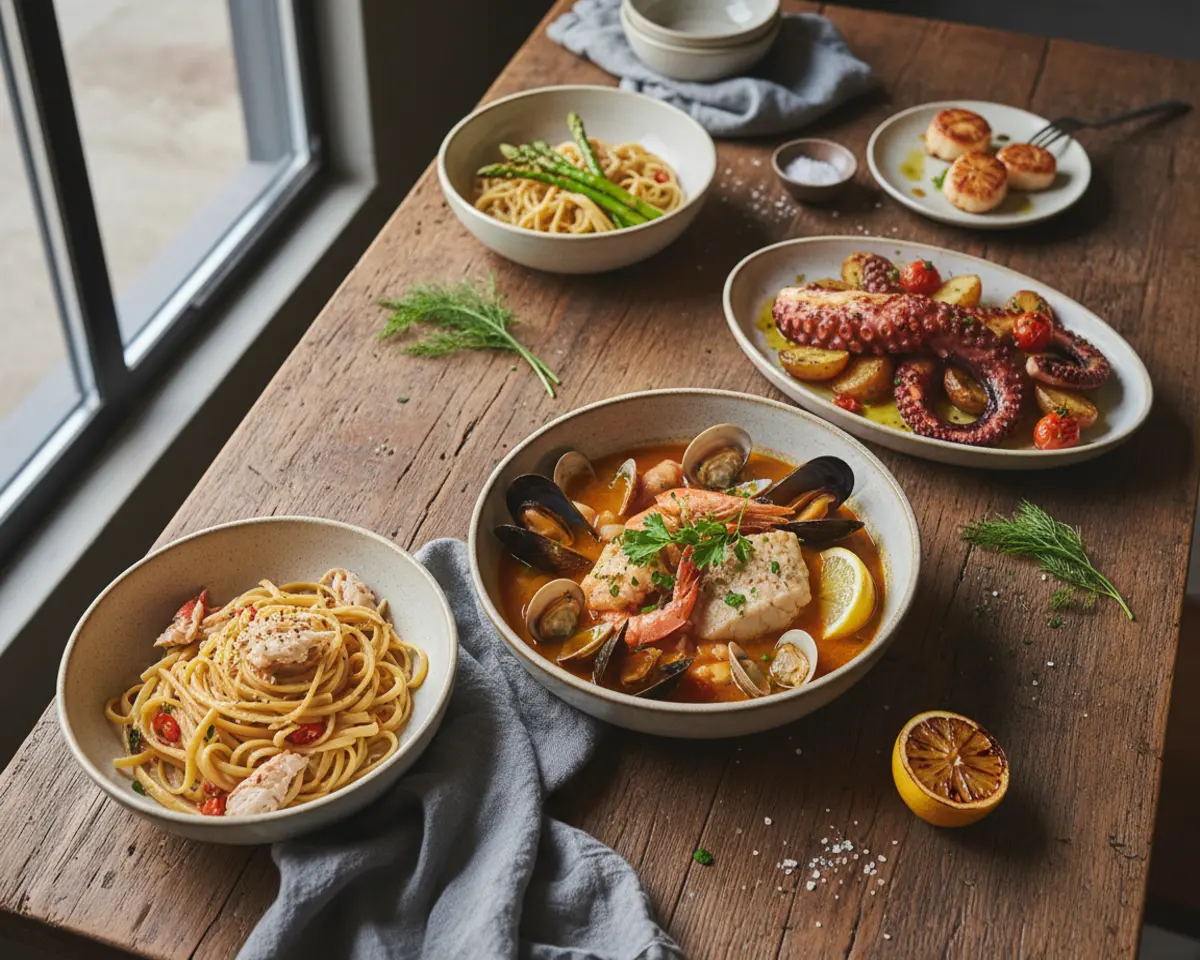
Dive into a delicious collection of Seafood Recipes featuring fresh flavors, simple cooking techniques, and restaurant-worthy dishes you can make at home. From buttery salmon to shrimp, crab, and coastal favorites, these easy seafood meals are perfect for busy weeknights and special occasions.
Discover everything you need to master seafood cooking at home with comprehensive guides to salmon, shrimp, and more—plus expert techniques that make every dish restaurant-worthy.
Table of Contents
I still remember the first time I successfully cooked a piece of salmon that didn’t turn out dry and chalky. The smell of butter and lemon filled my kitchen, and when I cut into that perfectly flaky fillet, I actually did a little victory dance. That moment transformed me from someone who was terrified of cooking fish into someone who craves it weekly.
If you’ve ever felt intimidated by preparing fish or shellfish at home, you’re not alone. For years, I stuck to chicken and beef because seafood seemed unpredictable and expensive to mess up. But here’s what changed everything: learning that seafood is actually one of the fastest, most forgiving proteins when you understand a few key principles.
This complete guide brings together everything I’ve learned about cooking seafood at home. Whether you’re looking for easy seafood recipes for busy weeknights or healthy seafood recipes to support your wellness goals, you’ll find clear guidance, reliable techniques, and links to comprehensive collections that make seafood cooking approachable and delicious.
The Quick Guide
Here’s what you need to know about cooking seafood at home:
- Seafood cooks fast—most fish fillets need just 8-12 minutes total, making it perfect for weeknight dinners
- Freshness matters more than fancy techniques; buy from reputable sources and cook within 1-2 days
- The “10-minute rule” works for most fish: cook 10 minutes per inch of thickness at 400°F
- Salmon and shrimp are the most beginner-friendly options with the most versatile flavor profiles
- Simple preparations often taste best—good seafood needs little more than salt, fat, acid, and heat
Why Seafood Deserves a Place in Your Weekly Rotation
Seafood offers something truly special in the kitchen. Unlike chicken or beef that can take 30-45 minutes to cook through, most fish recipes come together in 15 minutes or less. This makes them perfect for those nights when you’re exhausted but still want real food on the table.
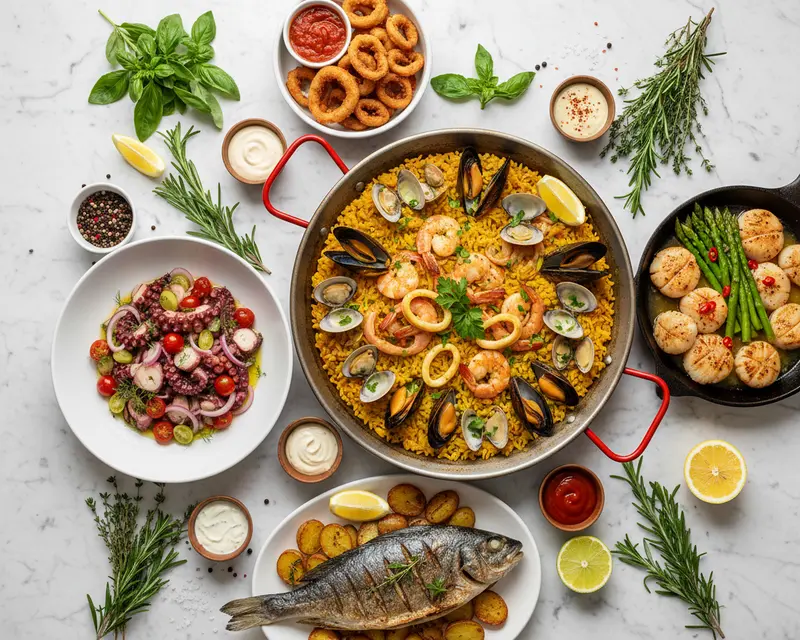
Beyond speed, seafood brings incredible nutritional benefits. Rich in omega-3 fatty acids, lean protein, and essential minerals like selenium and iodine, healthy seafood recipes support heart health, brain function, and overall wellness. Many varieties are naturally low in calories and saturated fat while being incredibly satisfying.
The flavor possibilities are endless. Seafood adapts beautifully to virtually every cuisine—think Asian-inspired glazes, Mediterranean herb combinations, Mexican spice blends, or classic American comfort food preparations. One week you’re making butter-poached salmon, the next you’re tossing shrimp with pasta and garlic.
Salmon Recipes
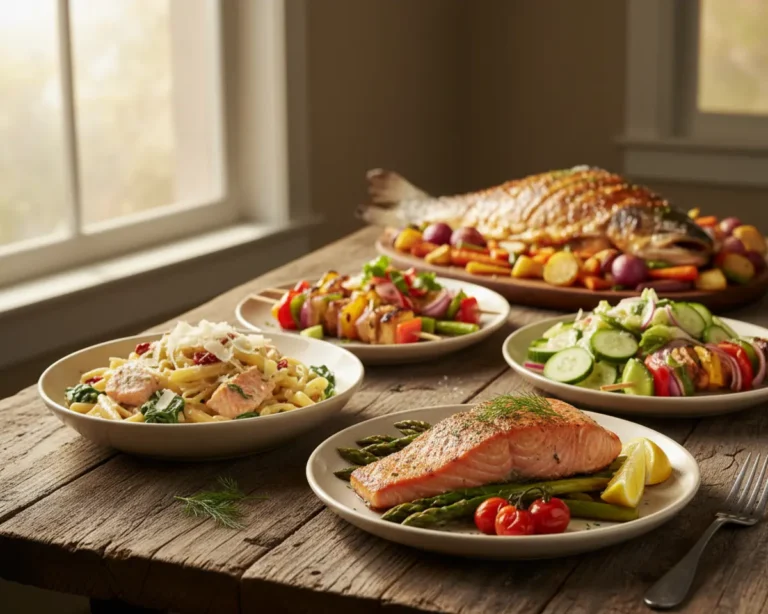
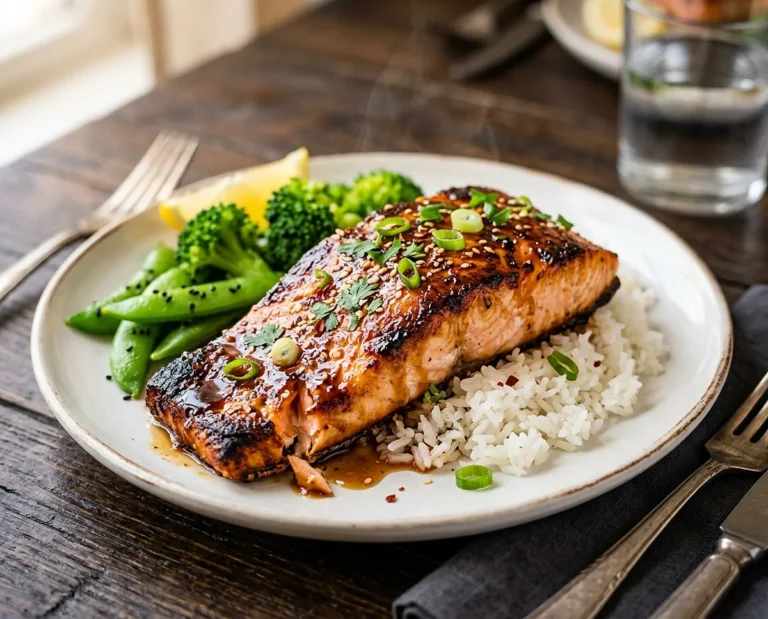
Salmon stands as the gateway fish for home cooks, and for good reason. Its rich, forgiving flesh stays moist even if slightly overcooked, and its robust flavor pairs with everything from sweet glazes to savory herbs. Explore our complete collection of salmon recipes for everything from simple weeknight fillets to impressive dinner party centerpieces.
This pillar covers techniques like pan-searing for crispy skin, oven-roasting for hands-off simplicity, and grilling for smoky flavor. You’ll find recipes ranging from 15-minute honey garlic salmon to elegant miso-glazed presentations that look like they came from a restaurant.
Salmon works beautifully year-round but truly shines in spring and summer when you can pair it with fresh asparagus, snap peas, or tomatoes. It’s also one of the most nutritious options, packed with omega-3s and protein that keep you satisfied for hours.
Shrimp Recipes
If speed is your priority, shrimp is your answer. These little powerhouses cook in just 3-5 minutes and adapt to virtually any flavor profile you can imagine. Our comprehensive shrimp recipes guide walks you through everything from classic scampi to spicy Cajun preparations and Asian stir-fries.
The versatility of shrimp makes it perfect for meal prep, last-minute dinners, or entertaining. You can grill them on skewers, sauté them with pasta, toss them in tacos, or serve them as elegant appetizers. The shellfish sweetness pairs equally well with butter and garlic or bold chili and lime.
Budget-friendly and widely available, shrimp removes many barriers to cooking seafood at home. Frozen shrimp thaws in minutes under cold water, meaning you can keep a bag in your freezer for those nights when you forgot to plan dinner.
Expert Category Guide
Mastering seafood cooking requires understanding some core principles that apply across all varieties. These techniques will transform your results and build your confidence in the kitchen.
Essential Techniques
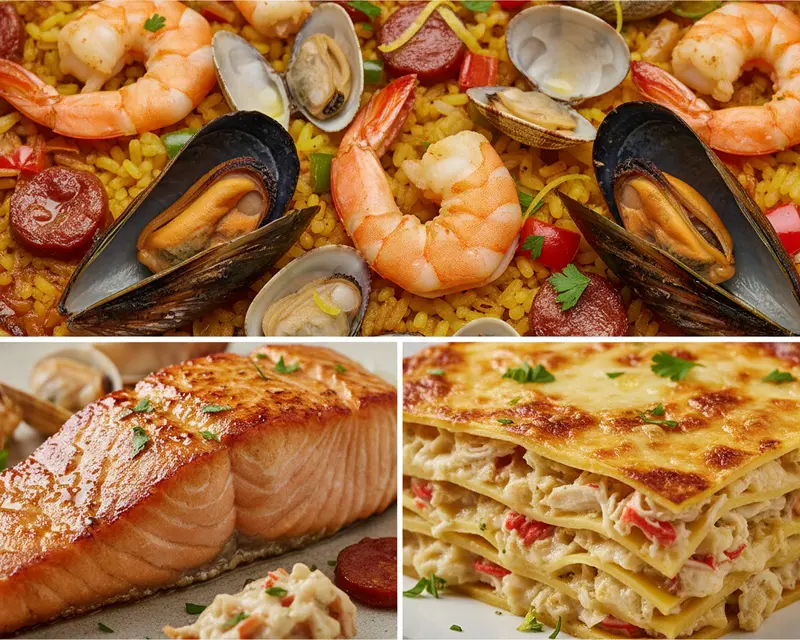
Pan-searing creates that restaurant-quality crust on fish fillets. Heat your pan until a drop of water sizzles immediately, add oil with a high smoke point, and place your fillet skin-side down. Don’t move it for at least 3-4 minutes—that’s how you get crispy skin and prevent sticking.
Oven-roasting offers the most hands-off approach. A 400°F oven works for most fish, delivering even cooking without constant monitoring. This method is perfect when you’re juggling side dishes or just want simplicity.
Poaching keeps delicate fish incredibly moist. Simmer in broth, wine, or milk at a gentle temperature (around 160°F) for tender results. This technique works especially well for thicker cuts that might dry out with high heat.
Ingredient Spotlight
Fat carries flavor in seafood dishes. Butter, olive oil, and coconut oil each bring different qualities—butter adds richness, olive oil provides fruitiness, and coconut oil works beautifully with tropical and Asian preparations.
Acid brightens seafood’s natural flavors. Lemon is classic, but don’t overlook lime for Mexican and Asian dishes, white wine for elegant sauces, or even orange for sweet-savory glazes. A squeeze of citrus right before serving makes everything taste fresher.
Fresh herbs transform simple preparations. Dill and salmon are a classic pairing, cilantro brightens shrimp tacos, and parsley works with virtually everything. Add woody herbs like thyme and rosemary earlier in cooking, but toss in delicate herbs at the end.
Seasonal Considerations
Spring brings wild salmon season and perfect weather for grilled fish with fresh peas and asparagus. The lighter preparations match the season’s energy, and outdoor grilling becomes practical again.
Summer is peak time for seafood of all kinds. Farmers markets overflow with tomatoes, corn, and herbs that pair beautifully with fish. This is when you want cold seafood salads, fish tacos, and anything that keeps your kitchen cool.
Fall and winter call for heartier preparations. Think salmon with roasted root vegetables, shrimp in creamy pasta, or fish in rich tomato-based stews. These seasons also offer better prices on many varieties.
Skill Level Guide
Beginners should start with shrimp and salmon fillets. These are the most forgiving options, with wide windows for perfect doneness. Sheet pan recipes that combine protein and vegetables eliminate complexity while building confidence.
Intermediate cooks can explore different species like cod, halibut, or snapper. Try techniques like making pan sauces, experimenting with marinades, or cooking whole fish. This level is about expanding your repertoire and understanding how different fish behave.
Advanced home cooks might tackle whole fish, compound butters, seafood stocks, or sous vide preparations. These techniques require precision but deliver restaurant-quality results that impress guests and deepen your understanding of seafood.
Storage and Make-Ahead Tips
Fresh fish should be stored in the coldest part of your refrigerator, ideally on ice, and cooked within 1-2 days. If your plans change, freeze it immediately rather than letting it sit.
Cooked seafood keeps for 3-4 days refrigerated, making it perfect for meal prep. Salmon holds up particularly well, staying moist and flavorful for grain bowls, salads, or quick lunches.
Frozen seafood is often fresher than “fresh” at the grocery store, since most fish is frozen on the boat immediately after catching. Buy individually quick-frozen (IQF) pieces for maximum flexibility, and thaw in the refrigerator overnight or under cold running water for 10-15 minutes.
Comparison and Selection Guide
Choosing between salmon and shrimp often comes down to your specific needs and preferences.
Choose salmon recipes if you want maximum nutrition with those beneficial omega-3 fatty acids. It’s also your best choice when you’re serving guests who might be intimidated by shrimp preparation, or when you want a more substantial main course that feels like a proper dinner centerpiece.
Choose shrimp recipes if speed is your priority or you’re cooking for picky eaters, especially kids. Shrimp is also more budget-friendly for feeding a crowd and works better in mixed dishes like pasta, stir-fries, or tacos where it’s one component rather than the star.
For dietary considerations, both options are naturally low-carb and work for keto, paleo, and whole food diets. Salmon provides more calories and healthy fats, making it better for those needing energy-dense meals. Shrimp is extremely lean, perfect for low-calorie meal plans.
Time-wise, shrimp wins for absolute speed at just 3-5 minutes cooking time. Salmon takes slightly longer at 10-15 minutes but still counts as a quick meal. Both are exponentially faster than chicken or beef.
Skill level differences are minimal—both are beginner-friendly. Shrimp’s short cooking time means less room for error, while salmon’s fattier flesh is more forgiving if you accidentally overcook by a minute or two.
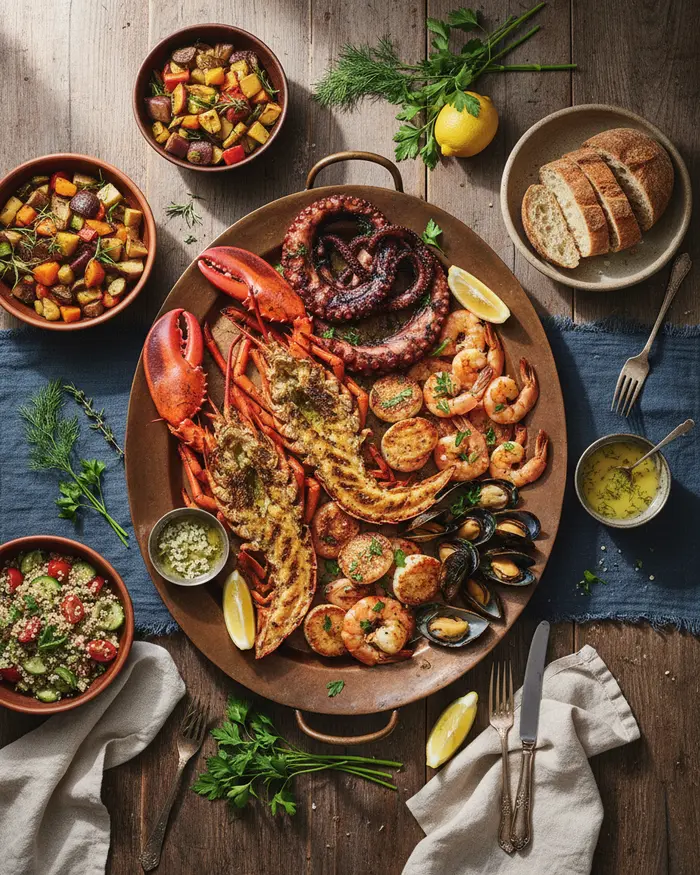
Start Your Seafood Journey Today
The beauty of cooking seafood at home is that your first attempt doesn’t need to be perfect. Start with something simple—maybe a basic pan-seared salmon with lemon butter or garlic shrimp tossed with pasta. Master that one recipe, then branch out.
Save this guide for those moments when you’re stuck in a dinner rut or need fresh inspiration. Pin your favorite discoveries to Pinterest so you can find them again, and don’t be afraid to experiment with different seasonings and cooking methods.
Which category are you most excited to explore first—the rich, omega-3-packed world of salmon or the quick-cooking versatility of shrimp? Whatever you choose, you’re just 15 minutes away from a delicious, healthy meal that proves seafood absolutely belongs in your regular rotation.
Frequently Asked Questions
How long should I cook fish fillets?
Most fish fillets cook quickly, typically 3-4 minutes per side over medium-high heat. The general rule is 10 minutes of cooking time per inch of thickness. Fish is done when it flakes easily with a fork and reaches an internal temperature of 145 degrees Fahrenheit. Avoid overcooking to prevent dry, tough texture.
What are the best ways to tell if seafood is fresh?
Fresh fish should have clear, bright eyes, firm flesh that springs back when pressed, and a mild ocean smell, not fishy odor. Shrimp should be translucent and firm. Shellfish like mussels and clams should have tightly closed shells. Avoid seafood with discoloration, strong ammonia smell, or slimy texture.
Can I substitute different types of fish in recipes?
Yes, fish can often be substituted based on texture and flavor profile. Mild white fish like cod, halibut, and tilapia are interchangeable. Firm fish like swordfish and tuna work similarly. Oily fish like salmon and mackerel can replace each other. Match cooking methods to fish texture for best results.
How do I prevent fish from sticking to the grill?
Clean and oil your grill grates thoroughly before heating. Pat fish completely dry and brush with oil. Preheat the grill to medium-high heat. Let fish cook undisturbed until it naturally releases, about 3-4 minutes. Using a fish basket or grilling on cedar planks also prevents sticking effectively.
What herbs and spices pair best with seafood?
Dill, parsley, and tarragon are classic seafood herbs. Lemon, garlic, and butter enhance most fish dishes. Cajun seasoning works well with shrimp and catfish. Asian flavors like ginger, soy sauce, and sesame complement salmon and tuna. Mediterranean spices like oregano and thyme suit white fish perfectly.