Japanese Recipes
The first time I learned to fold gyoza from my neighbor Mrs. Tanaka, I understood why Japanese Recipes feels so special. She moved slowly, deliberately, ea
Discover authentic Japanese recipes that bring restaurant flavors to your home kitchen. From comforting ramen to delicate sushi, this comprehensive guide connects you with traditional techniques and easy weeknight meals.
Table of Contents
The first time I learned to fold gyoza from my neighbor Mrs. Tanaka, I understood why Japanese home cooking feels so special. She moved slowly, deliberately, each pleat a small meditation. The steam rising from her bamboo basket smelled like sesame and ginger, and when I bit into that first crispy-bottomed dumpling, something clicked. Japanese food isn’t complicated or intimidating.
It’s about respect for ingredients, simple techniques done well, and the quiet joy of sharing a meal.
That afternoon changed how I cook. I started keeping mirin in my pantry, rolling sushi for Tuesday dinners, and whisking miso paste into soups when I needed comfort. What seemed exotic became familiar, and now these recipes feel like home.
This guide brings together everything I’ve learned about cooking Japanese food at home. Whether you’re craving a quick rice bowl or planning an elaborate multi-course dinner, you’ll find the techniques, ingredient guides, and confidence to make authentic Japanese recipes part of your regular rotation.
The Quick Guide
Japanese home cooking centers on five fundamental elements that make these recipes accessible and delicious:
- Umami-rich foundations: Miso paste, soy sauce, dashi, and mirin create depth without complexity
- Rice as the anchor: Short-grain Japanese rice provides the base for countless meals from sushi to donburi
- Fresh, simple ingredients: Quality matters more than quantity in authentic Japanese recipes
- Quick cooking methods: Many dishes come together in under 30 minutes despite complex flavors
- Balance and harmony: Sweet, salty, sour, and umami work together in every great Japanese dish
Understanding Japanese Home Cooking
Japanese cuisine divides naturally into everyday home cooking and special occasion dishes. The recipes you’ll master here focus on washoku, the traditional balanced approach that UNESCO recognized as cultural heritage. This means meals built around rice, miso soup, a protein, and pickled vegetables.
What makes Japanese recipes so appealing for home cooks is their adaptability. You don’t need specialty equipment beyond a rice cooker and a sharp knife. Most ingredients now appear in regular grocery stores, and the techniques translate beautifully to Western kitchens.
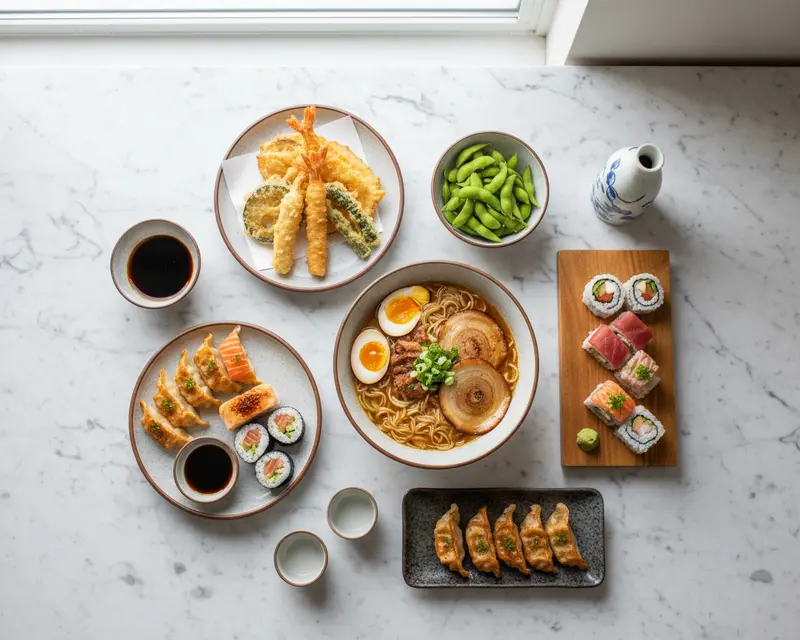
The beauty of learning Japanese cooking lies in the building blocks. Master rice preparation, understand how dashi works, keep your pantry stocked with the essential five ingredients, and suddenly hundreds of recipes become accessible. You’re not memorizing complicated procedures but learning a cooking language.
Sushi Bowls Rice Snacks
Rice forms the heart of Japanese cooking, and this collection explores everything from deconstructed sushi bowls to crispy rice snacks perfect for beginners and busy weeknights. These recipes celebrate the versatility of Japanese rice, showing you how to transform simple grains into restaurant-worthy meals without the intimidation of traditional sushi rolling.
Sushi bowls deliver all the flavors you love from sushi bars without requiring years of knife skills or perfectly shaped rolls. You’ll season rice with vinegar, top it with fresh fish or vegetables, and finish with the sauces and garnishes that make each bite exciting. Rice snacks like onigiri and crispy rice crackers become your new favorite portable lunches.
This category shines when you want impressive presentation with minimal stress. Perfect for meal prep enthusiasts, these dishes hold up beautifully in the fridge and adapt to whatever proteins and vegetables you have available. The techniques here teach you proper rice seasoning, flavor layering, and how to achieve that signature balance between tangy, sweet, and savory.
Japanese Dinner Recipes
When you’re ready for complete meals that showcase the range of Japanese home cooking, these dinner recipes bring together proteins, vegetables, and sides into cohesive, satisfying plates. From comforting curry to delicate fish preparations, you’ll discover how Japanese dinners balance richness with lightness.
Japanese dinner recipes range from quick weeknight teriyaki to slow-simmered nikujaga that fills your kitchen with nostalgia. You’ll learn which dishes work for entertaining and which become your reliable Tuesday night solutions. The focus stays on authentic flavors without requiring you to source rare ingredients or master complex techniques.
These recipes teach you the rhythm of Japanese cooking: how to build flavor through layering, when to add aromatics, and why resting time matters as much as cooking time. Ideal for anyone wanting to expand beyond takeout and create the Japanese meals they crave at home, this category covers everything from donburi bowls to hot pot dinners.
Expert Category Guide
Building confidence with Japanese cooking means understanding the techniques and ingredients that appear across recipes. This section breaks down the essentials so you can approach any Japanese recipe with knowledge and intuition.
Essential Techniques
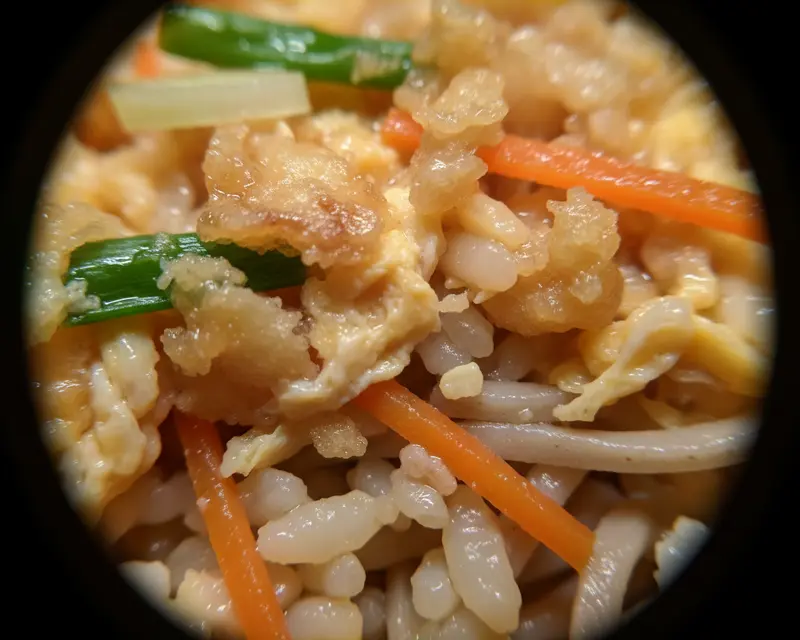
Rice cooking stands as the foundation. Japanese short-grain rice requires rinsing until the water runs clear, then a specific water-to-rice ratio and resting period. A rice cooker removes guesswork, but stovetop methods work beautifully once you understand the timing.
Knife skills matter more in Japanese cooking than most cuisines. You’ll use your knife to create paper-thin vegetable slices, uniform protein pieces, and those signature diagonal cuts. Sharp knives make this easier and safer. Focus on consistent sizing so everything cooks evenly.
Umami development through dashi creates that savory depth in soups, stews, and sauces. You can make traditional dashi from kombu and bonito flakes in ten minutes, or keep instant dashi powder for quick weeknight cooking. Either way, understanding this stock transforms your results.
Ingredient Spotlight
Five ingredients unlock most Japanese recipes. Soy sauce provides salty depth, mirin adds sweet complexity, sake contributes subtle brightness, miso paste delivers fermented umami, and rice vinegar brings gentle acidity. Keep these stocked and you’re halfway to any Japanese dish.
Japanese short-grain rice differs fundamentally from long-grain varieties. The higher starch content creates that sticky, slightly sweet texture that holds together for sushi and absorbs sauces in rice bowls. Regular rice won’t give you the same results, so this swap matters.
Fresh ginger and garlic appear constantly, but Japanese cooking uses them with restraint. You’ll grate rather than mince, creating juice that distributes flavor without chunks. Green onions, both white and green parts, add freshness and color to nearly every dish. Sesame oil and seeds contribute nuttiness at the finish.
Seasonal Considerations
Japanese cooking celebrates seasons more intentionally than most cuisines. Spring brings delicate fish and fresh vegetables, summer calls for cold noodles and light preparations, fall welcomes mushrooms and root vegetables, and winter demands hot pots and hearty stews.
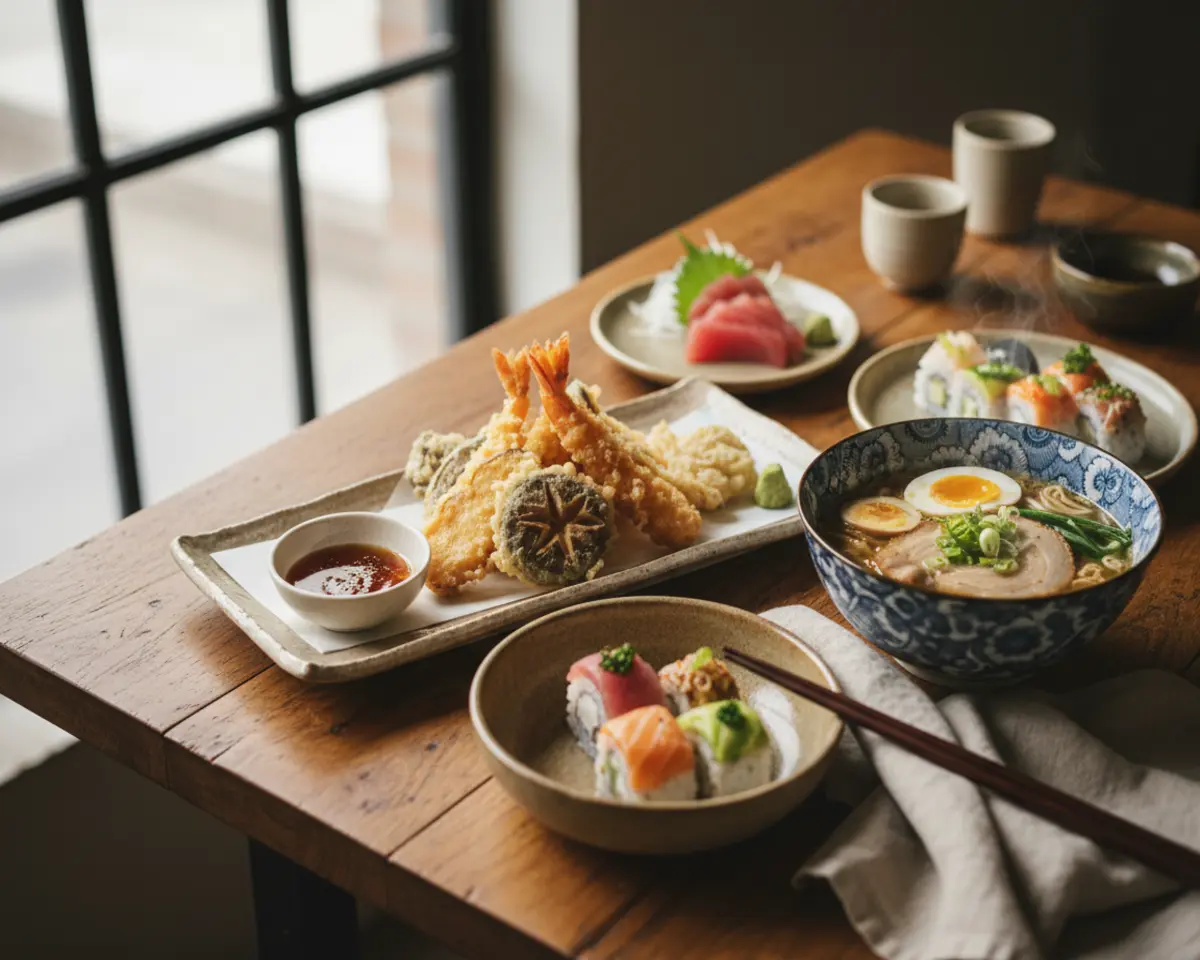
You’ll find certain dishes naturally migrate with temperature. Ramen tastes perfect on cold evenings, while sushi bowls refresh on hot summer days. Cold sesame noodles appear when you want dinner without turning on the stove, and nabemono hot pots gather everyone around the table when snow falls outside.
Seasonal cooking also means adjusting your protein choices. Fatty tuna peaks in winter, while light white fish shines in summer. Vegetable tempura shifts from spring asparagus to fall sweet potato. Following these patterns connects you with traditional Japanese food culture.
Skill Level Guide
Beginning cooks should start with rice bowls and simple stir-fries. These recipes teach you the fundamental flavor combinations without requiring precise timing or advanced knife work. Teriyaki chicken, beef donburi, and miso soup give you confidence and feed you well.
Intermediate home cooks can tackle gyoza, homemade ramen, and tempura. These dishes introduce new techniques like wrapper folding, broth building, and batter frying. You’ll develop timing intuition and learn how different cooking methods affect texture and flavor.
Advanced recipes include hand-rolled sushi, tonkatsu with homemade sauce, and traditional kaiseki-inspired multi-course meals. These showcase your mastery of Japanese techniques and ingredient knowledge. The satisfaction of perfectly seasoned sushi rice or crispy-yet-juicy fried pork validates all your practice.
Storage and Make-Ahead Tips
Cooked Japanese rice stays fresh for three days refrigerated and freezes beautifully for up to three months. Portion it into individual servings before freezing so you can reheat exactly what you need. Microwave with a damp paper towel to restore moisture.
Most sauces and marinades improve overnight as flavors meld. Teriyaki sauce, ponzu, and sesame dressing keep for weeks in the fridge. Make double batches so you always have options for quick meals. Miso paste lasts months refrigerated despite what the label suggests.
Protein preparations vary. Raw fish must be used immediately, but cooked proteins like teriyaki chicken or braised pork hold for four days. Marinate proteins the night before to save time and improve flavor. Many stewed dishes taste better the next day after flavors deepen overnight.
Comparison and Selection Guide
Choosing between different Japanese recipe categories depends on your schedule, skill level, and what kind of meal experience you want to create. This guide helps you match recipes to your specific needs.
Choose sushi bowls and rice snacks when you want quick assembly meals that look impressive but require minimal cooking. These work perfectly for meal prep since components stay separate until serving. They’re ideal for hot weather when you don’t want to turn on the stove, and they accommodate any dietary preference by swapping proteins easily.
Select Japanese dinner recipes when you’re cooking for family or guests and want complete, balanced meals. These recipes teach you how dishes work together and give you structured menus rather than single components. Perfect for weekend cooking when you have more time and want to practice multiple techniques in one meal.
For vegetarians, focus on rice bowls with tofu and vegetables, miso-based dishes, and vegetable tempura. Japanese cuisine naturally includes many plant-based options since Buddhist traditions influenced the culture. Many recipes adapt easily by substituting vegetable stock for dashi and using soy-based proteins.
Time-constrained cooks benefit most from rice bowl recipes and quick stir-fries that deliver authentic flavor in under thirty minutes. Keep your pantry stocked with the essential five ingredients and frozen rice portions, and you can create satisfying Japanese dinners faster than ordering takeout.
Beginner cooks should start with donburi bowls, basic miso soup, and simple teriyaki preparations. These build confidence with Japanese flavors before you tackle more technique-intensive dishes. As your skills grow, you’ll naturally progress to dishes requiring more knife work, timing, and specialized techniques.
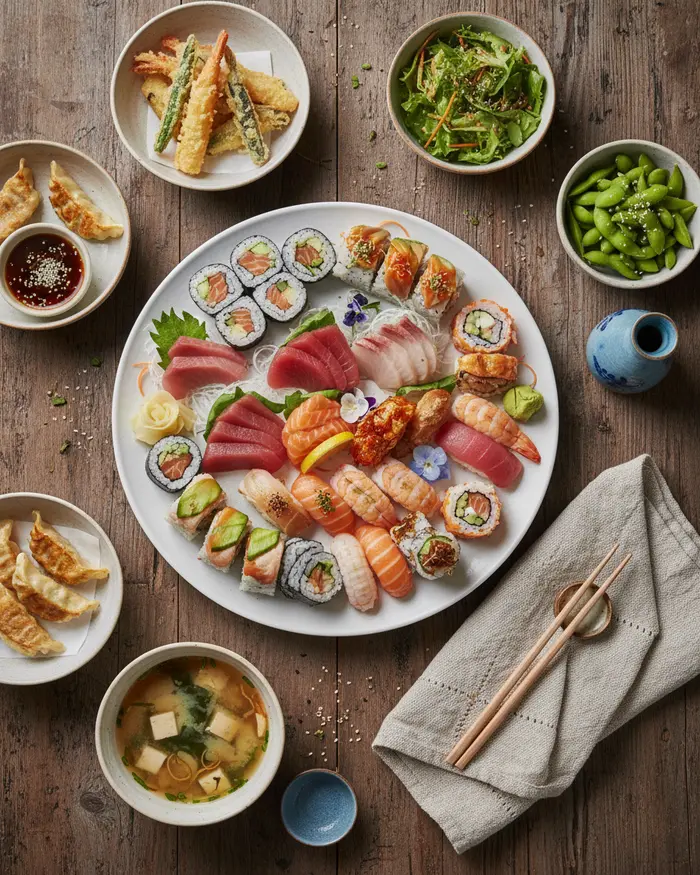
Your journey into Japanese home cooking starts with a single recipe. Maybe it’s a comforting bowl of ramen on a cold night, or fresh sushi bowls that make weeknight dinners feel special. Pick the category that excites you most and dive in. Save this guide for those moments when you need inspiration or want to expand your repertoire.
Which Japanese recipe category will you explore first? Whether you’re craving rice bowls or planning an elaborate dinner, these collections give you everything you need to bring authentic Japanese flavors into your kitchen. Pin this guide, bookmark your favorites, and start cooking.
Frequently Asked Questions
What are the essential ingredients for Japanese cooking?
Key ingredients include soy sauce, mirin, sake, rice vinegar, dashi stock, miso paste, and short-grain rice. Pantry staples also include nori seaweed, kombu kelp, bonito flakes, sesame oil, and wasabi. These ingredients form the foundation of most Japanese dishes and provide the characteristic umami flavor that defines Japanese cuisine.
How do you make authentic dashi stock?
Authentic dashi requires kombu kelp and bonito flakes. Soak kombu in water for 30 minutes, then heat until just before boiling. Remove kombu, bring water to a boil, add bonito flakes, and turn off heat. Let steep for 5 minutes, then strain. This creates the fundamental broth used in miso soup, noodles, and many other Japanese dishes.
What is the difference between sushi and sashimi?
Sushi is vinegared rice paired with various ingredients like raw fish, vegetables, or egg. Sashimi is simply thinly sliced raw fish or seafood served without rice. While both feature raw fish, sushi always includes seasoned rice as its base component, whereas sashimi focuses solely on the quality and presentation of the fresh seafood.
How do you properly cook Japanese short-grain rice?
Rinse rice thoroughly until water runs clear to remove excess starch. Use a 1:1.1 ratio of rice to water. Soak for 30 minutes before cooking. Bring to a boil, reduce heat to low, cover, and simmer for 12-15 minutes. Remove from heat and let steam covered for 10 minutes. Fluff gently before serving for perfect sticky rice texture.
What are the most popular Japanese noodle varieties?
The main types are ramen, udon, soba, and somen. Ramen are thin wheat noodles served in rich broth. Udon are thick, chewy wheat noodles. Soba are buckwheat noodles with a nutty flavor, served hot or cold. Somen are very thin wheat noodles typically enjoyed chilled in summer. Each has distinct texture and traditional preparations.