Crispy Wheat Dosa
This crispy wheat dosa recipe is your new go-to vegetarian breakfast — made with pantry staples, ready in under 30 minutes, and honestly, it tastes like something grandma would have made on a lazy Sunday morning. If you’ve been sleeping on wheat dosa thinking it’s just a “plain” cousin of the classic rice dosa, it’s time to wake up — this one is golden, lacy, and seriously addictive.
Table of Contents
Why You’ll Love This Wheat Dosa
This is one of those Indian cooking recipes that sneaks up on you. You think it’s simple — and it is — but then you take that first crispy bite dipped in coconut chutney and you’re like, “okay, where has this been all my life?” Wheat dosa skips the overnight fermentation drama of traditional dosa batter, making it the ultimate weekday breakfast hero.
The batter comes together in about 10 minutes flat. No grinding, no soaking, no waiting. Just a quick stir, a short rest, and you’re pouring that beautifully runny batter onto a hot tawa and watching it turn into the crispiest, lacy, net-patterned dosa you’ve ever seen. It’s one of those vegetarian breakfast recipes that genuinely feels both wholesome and a little indulgent at the same time.
A few things that make this recipe special: the combination of wheat flour and rice flour gives the dosa that crispy, slightly chewy texture that’s totally unique. Throw in some cumin seeds, fresh curry leaves, and a hit of green chili, and suddenly your kitchen smells like an authentic South Indian home. Honestly, your neighbors might start knocking.
Wheat Dosa Ingredients
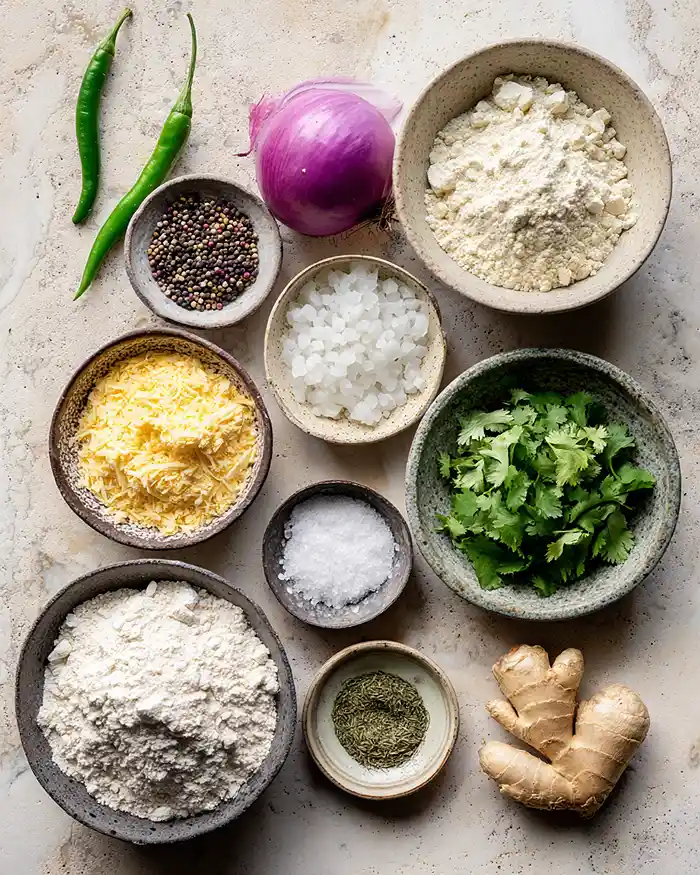
Here’s everything you’ll need to whip up 8 to 9 beautiful wheat dosas. Most of these are pantry staples you probably already have!
| Category | Ingredient | Quantity |
|---|---|---|
| Flours | Wheat flour | 1 cup (120 g) |
| Rice flour | ½ cup (60 g) | |
| Spices & Seasoning | Salt | 1 teaspoon (adjust to taste) |
| Black pepper, freshly cracked | ¼ teaspoon (adjust to taste) | |
| Cumin seeds (zeera) | 1 teaspoon | |
| Fresh Add-Ins | Red onions, finely chopped | ¼ cup |
| Ginger, minced or grated (optional) | ½ teaspoon | |
| Green chili, finely chopped (optional) | 1 | |
| Cilantro, chopped | ¼ cup | |
| Curry leaves | 5–6 leaves | |
| Liquid & Fat | Water | 3 cups |
| Ghee or oil (for cooking) | 4–5 tablespoons |
💡 Tip: Ghee gives the wheat dosa a richer, slightly nutty flavor. If you’re keeping things lighter, regular oil works just fine too.
How to Make Wheat Dosa: Step-by-Step
Let’s get into it. The process is refreshingly simple — if you’ve ever made pancake batter, you basically already know how to do this.
Step 1: Mix the Batter
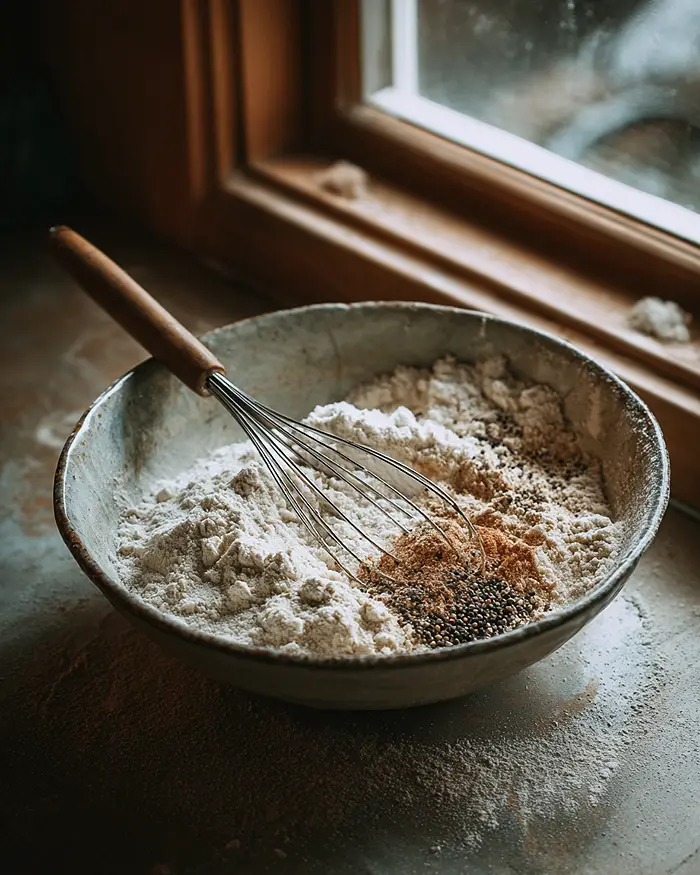
Add the wheat flour, rice flour, salt, black pepper, and cumin seeds into a large mixing bowl. Give it a quick dry mix so everything’s distributed evenly. Now pour in the 3 cups of water gradually, whisking as you go to avoid lumps.
You’re aiming for a smooth, very thin batter here — think the consistency of buttermilk or thin coconut milk. This is the secret to getting that gorgeous lacy, net-like dosa. If it looks too thick, just add a splash more water. Don’t be shy.
“The thinner the batter, the lacier the dosa. It should pour freely off the ladle like water.”
Step 2: Add the Good Stuff
Now stir in the finely chopped red onions, minced ginger, green chili, fresh cilantro, and curry leaves. The smell at this point is just incredible — those curry leaves perfume the whole batter in the best way possible.
If you happen to have some curd (yogurt) on hand, now’s the time to add a tablespoon or two. It’s optional, but it adds a really subtle tang that pairs beautifully with chutneys. Once everything’s mixed, let the batter rest for 10 minutes. Patience. It’s worth it.
Step 3: Heat the Tawa
Place your tawa (flat griddle) or a large non-stick skillet on medium heat. If your tawa isn’t non-stick, add a few drops of oil and spread it around with the cut side of an onion or a folded piece of kitchen tissue. The onion trick is such a classic — it seasons the pan and prevents the batter from sticking like a charm.
You want the pan hot but not smoking. A good test? Sprinkle a few drops of water — if they sizzle and evaporate immediately, you’re good to go.
Step 4: Pour the Batter
Give your batter a good stir before each pour — the onions and spices tend to settle. Now here’s the key move: hold your ladle up high (about 6–8 inches above the pan) and pour the batter in a circular motion, starting from the inside and spiraling outward. Don’t swirl or spread it with the ladle like you would for a regular dosa.
The batter will find its own level and form that beautiful lacy, holey pattern all on its own. Fill in any big gaps with a small pour, but don’t overthink it — the imperfections are part of the charm! Drizzle or spray a little oil or ghee around the edges and on top.
Pro tip: If the batter hits the pan and pools up instead of spreading out, your batter is too thick. Add more water, stir well, and try again.
Step 5: Cook to Crispy Perfection
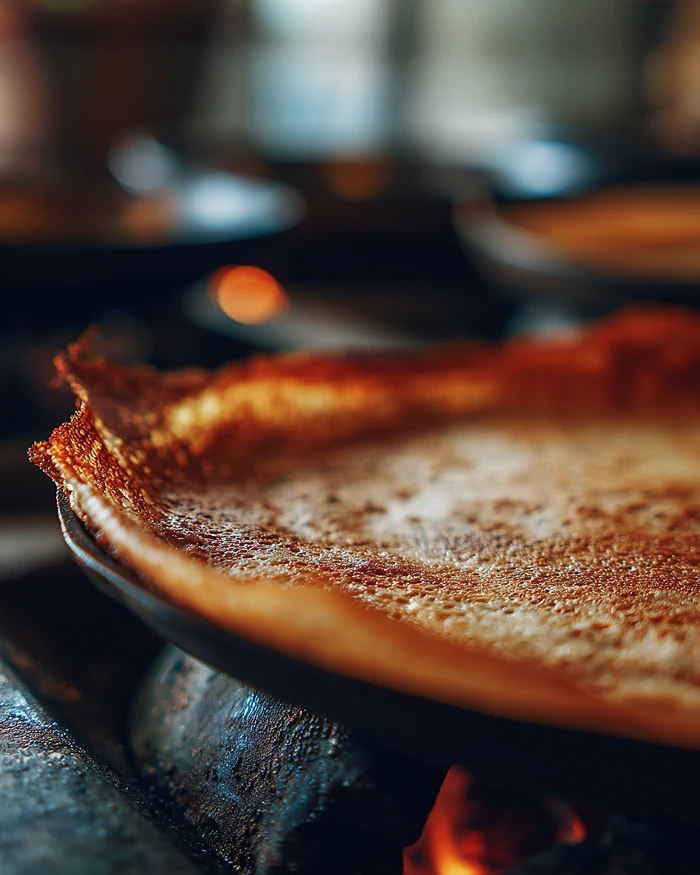
Cook on medium or medium-low heat until the base turns a gorgeous, deep golden brown. You’ll see the edges start to lift naturally — that’s your cue that it’s almost ready. Use a thin spatula to gently loosen those edges first.
Flip the dosa and cook the other side until crispy. If your wheat dosa turned out very thin (good job!), you can skip flipping entirely and just fold it straight off the pan. Flip it back, fold it in half or into thirds, and slide it onto your plate. Done. Beautiful.
Step 6: Repeat and Serve
Before each new dosa, stir the batter well. Check the tawa’s temperature — it should be hot but not scorching. If it’s gotten too hot, sprinkle a little water on it and let it cool down for 10 seconds before pouring the next batch.
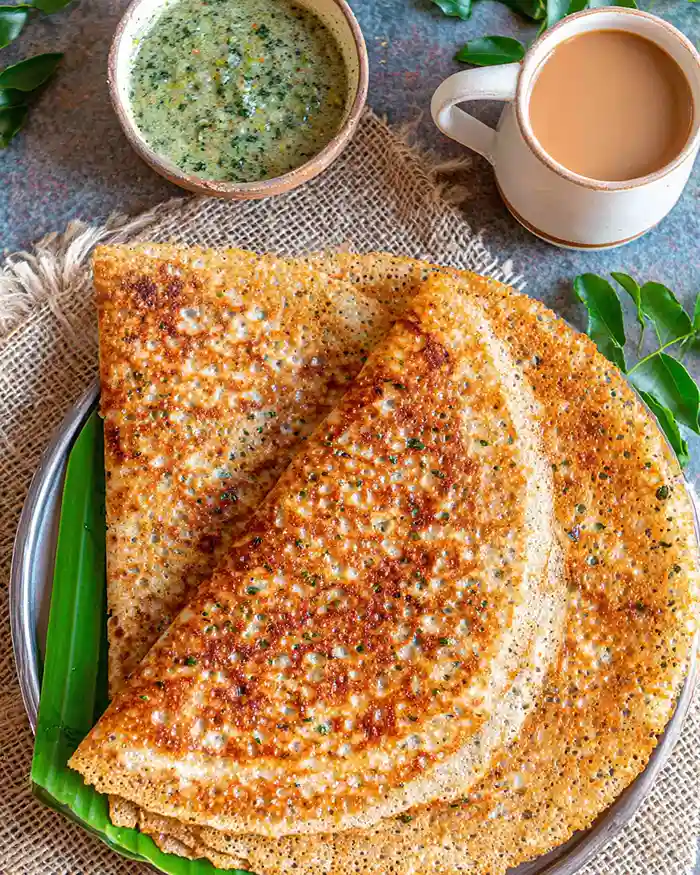
Keep going until all the batter is used up. Serve your warm, crispy wheat dosas immediately with your favorite chutneys. Coconut chutney, tomato chutney, or a tangy sambar all work wonderfully here.
Tips, Variations & Troubleshooting
Expert Tips for the Best Wheat Dosa
Batter consistency is everything. The most common mistake with wheat dosa is making the batter too thick. It should be watery and free-flowing — almost like a thin crepe batter. When in doubt, add more water.
Rest the batter. Don’t skip the 10-minute rest time. The flours absorb water fully during this period, which gives the dosa a better texture and helps it cook more evenly.
Pour from height. Pouring the batter from 6–8 inches above the pan is what creates that iconic lacy, net pattern. This is what sets wheat dosa apart from regular dosa — it’s not spread, it’s poured.
Medium heat is your friend. Cooking too fast on high heat will burn the outside before the inside cooks. Stick to medium or medium-low for even, golden results.
Fun Variations to Try
Add curd for tang. Swap a bit of the water for plain yogurt (curd) to give the dosa a mild, fermented-like tang. It won’t make the batter bubbly, but it does add a lovely subtle flavor.
Make it cheesy. Sprinkle a little grated cheese on top right after pouring the batter. By the time the dosa is done, the cheese melts into it beautifully. If you love a cheesy spin on Indian cooking recipes, this little hack is a game-changer — kind of like what we do with our cheesy hashbrown casserole but way more South Indian about it.
Protein boost. Add a spoonful of gram flour (besan) to the batter mix for extra protein. It also gives the dosa a slightly earthier, nuttier flavor that’s really pleasant.
Go the Pani Puri route. If you love bold, street-food-style Indian flavors (you know, the kind you get from Pani Puri), try adding a pinch of chaat masala and amchur (dry mango powder) to the batter. It’s unconventional, but so delicious.
Troubleshooting Common Issues
Dosa is sticking to the pan? Your pan might not be hot enough before you pour, or you might not have greased it properly. Make sure the tawa is preheated, add oil, and use the onion-spreading method for non-stick pans.
Dosa isn’t crispy? Two likely culprits: the batter was too thick, or the heat was too high (which steams rather than crisps). Thin out your batter and cook on medium-low for a longer time.
Dosa is tearing when you flip? It’s not ready yet. Wait until the base is properly golden and the edges are lifting naturally on their own before attempting to flip.
Storage & Reheating
| Method | Duration | Notes |
|---|---|---|
| Room Temperature | 2–3 hours | Best eaten fresh. Will soften over time. |
| Refrigerator (cooked dosa) | Up to 1 day | Stack with parchment between layers. Re-crisp on tawa. |
| Refrigerator (batter) | Up to 2 days | Stir well before using; add a splash of water if thickened. |
| Freezer (cooked dosa) | Not recommended | Texture suffers significantly upon thawing. |
Reheating Tips
The best way to reheat wheat dosa is back on a dry tawa or skillet over medium heat for 1–2 minutes per side. It gets surprisingly crispy again! A microwave will make it soft and chewy — not the worst thing, but not ideal if you’re after that crunch.
No-Waste Kitchen Ideas
Got leftover batter? Pour it thin on the tawa and make mini dosas for a snack platter. These little guys are perfect for dipping — imagine them alongside a spicy buffalo cottage cheese dip for a fun fusion appetizer. Leftover cooked dosas can be crumbled and used as a crispy topping over salads — try them over this refreshing cottage cheese salad for a surprisingly delightful crunch.
Nutritional Information (Per Dosa, Approximate)
Based on 9 dosas per batch, cooked with ghee. Values are estimates and may vary.
| Nutrient | Amount |
|---|---|
| Calories | ~110 kcal |
| Carbohydrates | ~17 g |
| Protein | ~3 g |
| Fat | ~4 g |
| Fiber | ~1.5 g |
| Sodium | ~200 mg |
Wheat dosa is a lighter, lower-calorie alternative to many other Indian cooking recipes like deep-fried snacks. It’s a wholesome vegetarian breakfast recipe that keeps you full without weighing you down.
Frequently Asked Questions
Can I make wheat dosa without rice flour?
You can, but the texture will be noticeably different. Rice flour is what gives wheat dosa its signature crispiness and that gorgeous lacy pattern. Without it, the dosa will still taste good but will be softer and more like a thick flatbread.
If you’re out of rice flour, try adding a small amount of semolina (rava) as a substitute — it helps with crispiness too.
Does wheat dosa batter need to ferment?
Nope — and that’s one of the best things about this recipe! Unlike traditional rice dosa batter which needs 8–12 hours of fermentation, wheat dosa batter just needs a 10-minute rest. This makes it one of the most practical vegetarian breakfast recipes out there for busy mornings.
What chutneys go best with wheat dosa?
Classic coconut chutney is a match made in heaven, but tomato chutney and green mint chutney are also amazing. If you want to go full street-food mode and channel some Pani Puri energy, a tangy tamarind chutney works brilliantly too.
Can I make wheat dosa on a regular non-stick pan?
Absolutely! A wide non-stick skillet works great. The key is making sure it’s properly preheated before you pour the batter. If your pan is too cold, the batter will just sit there sadly instead of forming that beautiful lacy network. Medium heat, preheated pan — you’ve got this.
Is wheat dosa healthier than regular dosa?
It depends on what you’re comparing! Wheat dosa skips fermentation and uses whole wheat flour, so it retains more fiber and nutrients. It’s also quicker to make and still delivers a satisfying, crispy result.
As vegetarian breakfast recipes go, it’s a solid, wholesome choice that’s easy to adapt — add more veggies, swap ghee for oil, or reduce salt to make it even lighter. If you love easy, healthy snacks, you might also enjoy these cottage cheese chips as a fun side!
Ready to Make Your New Favorite Breakfast?
That’s it — your crispy, golden, absolutely delicious wheat dosa is ready to conquer your mornings. Once you make this, I promise it’s going into your regular rotation. It’s fast, it’s satisfying, and it makes your kitchen smell incredible. What more could you want from a weekday breakfast?
If you try this recipe, I’d love to hear how it turned out! Drop a comment below and let me know — did you go the classic coconut chutney route, or did you get creative with your dips? And if you loved it as much as I think you will, please save it to Pinterest so other home cooks can find it too. Happy cooking!

Crispy Wheat Dosa
Equipment
- Mixing bowl
- Whisk
- Tawa (flat griddle) or non-stick skillet
- Ladle
- Thin spatula
Ingredients
Flours
- 1 cup Wheat flour 120 g
- ½ cup Rice flour 60 g
Spices & Seasoning
- 1 tsp Salt adjust to taste
- ¼ tsp Black pepper freshly cracked, adjust to taste
- 1 tsp Cumin seeds zeera
Fresh Add-Ins
- ¼ cup Red onions finely chopped
- ½ tsp Ginger minced or grated, optional
- 1 Green chili finely chopped, optional
- ¼ cup Cilantro chopped
- 5-6 Curry leaves
Liquid & Fat
- 3 cups Water
- 4-5 tbsp Ghee or oil for cooking; ghee gives a richer, nuttier flavor
Instructions
- Add the wheat flour, rice flour, salt, black pepper, and cumin seeds into a large mixing bowl. Give it a quick dry mix so everything is evenly distributed.
- Pour in the 3 cups of water gradually, whisking as you go to avoid lumps. You are aiming for a very thin, smooth batter — the consistency of buttermilk or thin coconut milk. If it looks too thick, add a splash more water.
- Stir in the finely chopped red onions, minced ginger, green chili, fresh cilantro, and curry leaves. If using curd (yogurt), add a tablespoon or two now for a subtle tang. Mix well.
- Let the batter rest for 10 minutes. This allows the flours to fully absorb the water and results in a better texture when cooking.
- Heat the tawa (flat griddle) or a large non-stick skillet on medium heat. If the tawa is not non-stick, add a few drops of oil and spread it with the cut side of an onion or kitchen tissue to season the pan.
- Give the batter a good stir, then hold the ladle about 6–8 inches above the pan and pour the batter in a circular motion, starting from the inside and spiraling outward. Do not spread with the ladle like a regular dosa — the batter will self-level into a lacy, net-patterned dosa. Fill in any large gaps with a small extra pour.
- Drizzle or spray a little oil or ghee around the edges and on top of the dosa.
- Cook on medium or medium-low heat until the base is golden and crispy. You will see the edges start to lift naturally — that is your cue it is ready. Use a thin spatula to gently loosen the edges.
- Flip the dosa and cook the other side until crispy. If the dosa is very thin, you can skip the flip. Fold the dosa in half or into thirds and slide it onto your plate.
- Stir the batter well before each new pour. If the tawa has gotten too hot, sprinkle a few drops of water to bring the temperature down before continuing. Repeat until all the batter is used. Serve hot with coconut chutney, tomato chutney, or sambar.