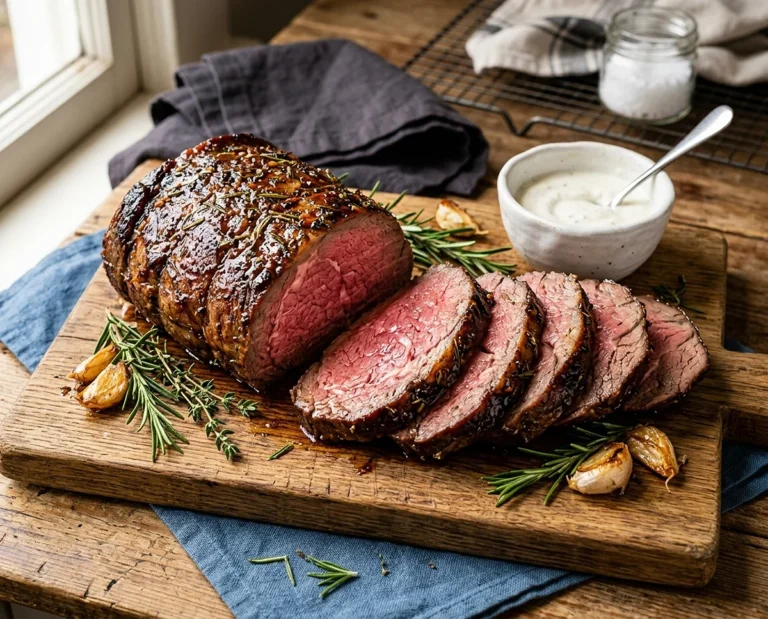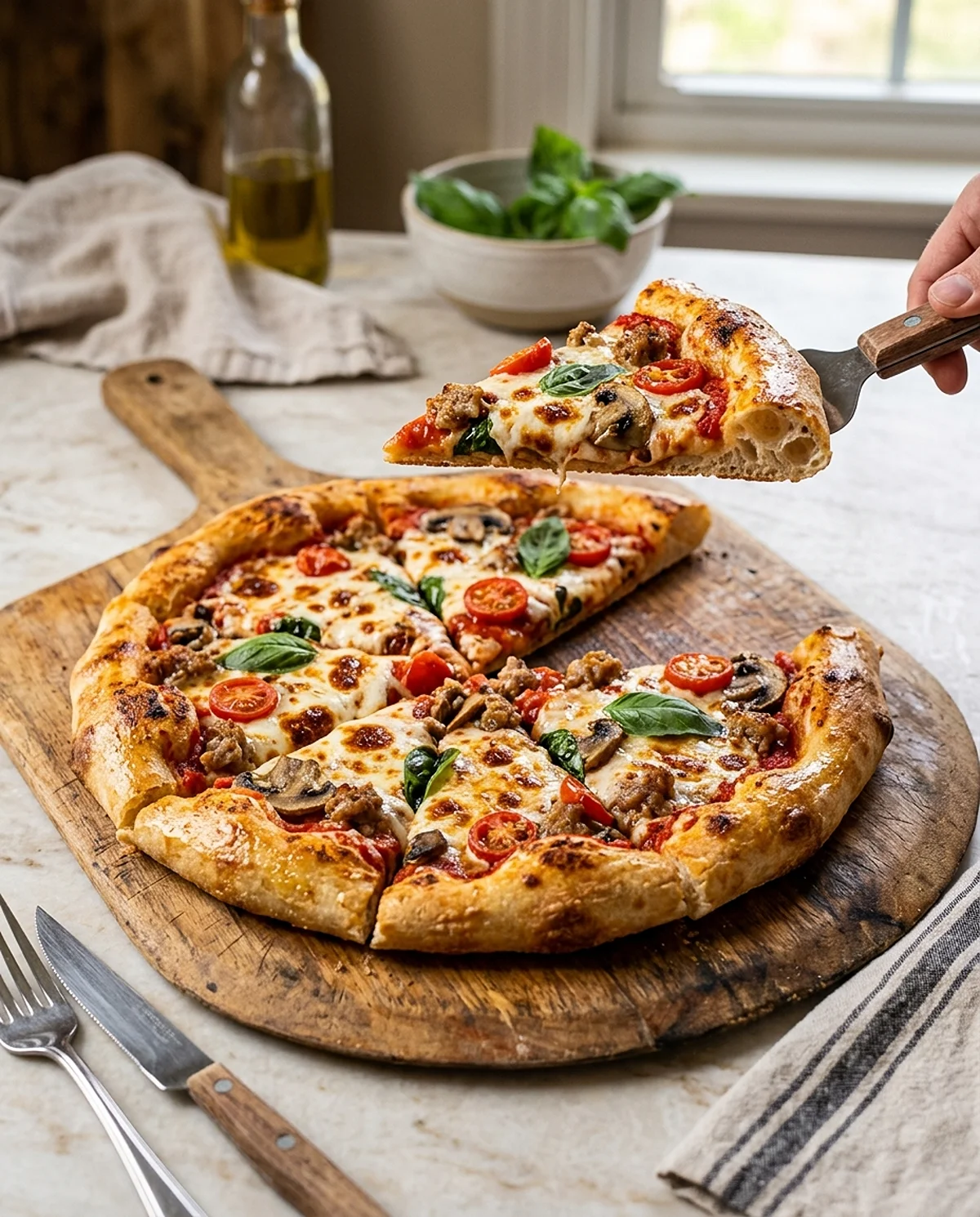
Gluten Free Pizza Crust Recipe
Craving pizza night but dreading that sad, cardboard-tasting gluten free crust? This gluten free pizza crust recipe is about to change everything you thought you knew about GF baking — and yes, that’s a promise.
I’ve been making this for years, and the moment my skeptical husband declared it “better than regular pizza,” I knew I had a keeper. Let’s get into it.
Table of Contents
Why This Gluten Free Pizza Crust Recipe Actually Works
Most gluten free pizza dough recipes fall flat — literally. They’re dense, crumbly, or taste like you’re eating seasoned cardboard. This one is different because it uses a whipping technique that adds air to the dough.
That little trick means a lighter, chewier, crispier crust. It also parbakes before toppings go on, which gives you that gorgeous crispy gluten free pizza crust on the bottom without burning the cheese. Genius, right?
Quick Overview
This healthy pizza crust recipe yields two 11- to 12-inch pizza crusts. It’s yeast-leavened, meaning real rise and real flavor. The dough can be made ahead and chilled for up to 3 days — perfect for busy weeknights.
Expect a crust that’s golden, slightly chewy in the middle, and satisfyingly crispy at the edges. It holds toppings without getting soggy. Yes, really.
Ingredients
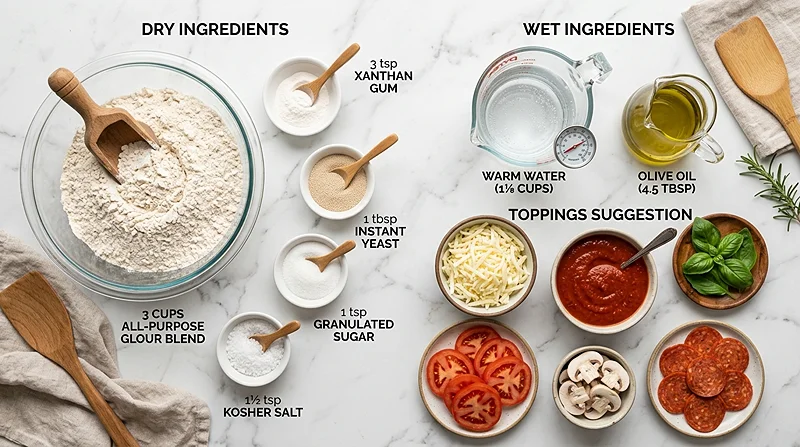
Here’s everything you’ll need to make the gluten free pizza dough. A few notes: use a quality all-purpose gluten free flour blend for best results, and check if it already contains xanthan gum before adding more.
| Group | Ingredient | Amount |
|---|---|---|
| Dry Base | All-purpose gluten free flour blend | 3 cups (420g) + more for dusting |
| Dry Base | Xanthan gum (omit if blend contains it) | 3 teaspoons |
| Dry Base | Instant yeast | 1 tablespoon (9g) |
| Dry Base | Granulated sugar | 1 1/2 teaspoons (6g) |
| Dry Base | Kosher salt | 1 1/2 teaspoons (9g) |
| Wet Ingredients | Warm water (about 95 degrees F) | 1 1/8 cups (9 oz) |
| Wet Ingredients | Extra-virgin olive oil (plus more for brushing) | 4.5 tablespoons (63g) |
| Toppings | Your favorite pizza toppings | As needed |
Step-by-Step Instructions
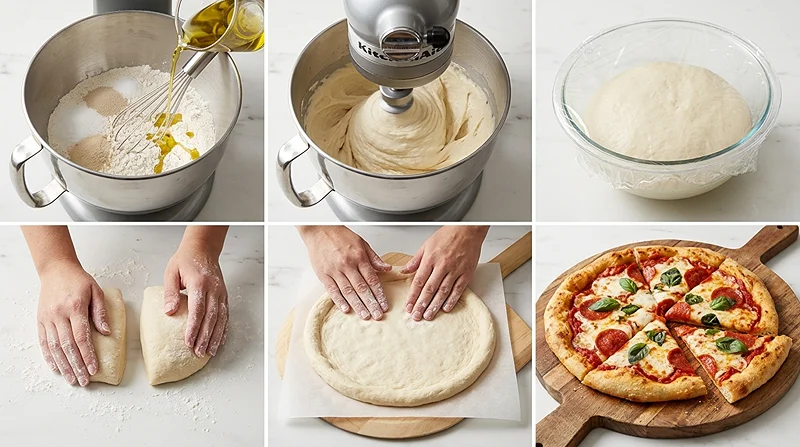
Don’t let the steps intimidate you — this gluten free pizza dough comes together faster than you’d think. Read through once before starting so nothing surprises you mid-bake.
Step 1: Mix the Dry Ingredients
In the bowl of your stand mixer (paddle attachment) or food processor (plastic blade), combine the flour, xanthan gum, yeast, and sugar. Give it a good whisk with a separate handheld whisk — yes, by hand, just for this step.
Add the salt and whisk again. Salt kills yeast if they touch directly, so mixing separately is worth the extra 10 seconds.
Step 2: Add the Wet Ingredients and Mix
Pour in the warm water and olive oil. Mix on medium speed (or pulse in the food processor) until the dough just starts to come together. It’ll look shaggy at first — that’s totally fine.
Now crank it up to high speed and let it go for about 3 minutes. You’re looking for a whipped, slightly airy texture rather than a tight ball. This step is the secret to a lighter gluten free pizza crust.
“Whipping the dough is what separates this from every sad GF pizza I’ve ever made. Don’t skip it.”
Step 3: Let the Dough Rise
Transfer the whipped dough to a lightly oiled container with a tight lid. Spray the top lightly with cooking oil spray and seal it up. Place it somewhere warm and draft-free.
Let it rise until it’s about 150% of its original size — roughly an hour. Alternatively, pop it in the fridge for up to 3 days. Cold dough is actually easier to work with, so the fridge method is a legit pro move.
Step 4: Preheat Your Oven
When you’re ready to bake, place a pizza stone or an upside-down rimmed baking sheet on a rack in your oven. Preheat to 400 degrees F. Let it heat for at least 30 minutes so it’s properly ripping hot.
If your dough hasn’t been refrigerated, seal it up and chill it for at least 15 minutes now. Cold dough shapes much more easily than room-temperature gluten free dough — trust me on this one.
Step 5: Shape the Dough
Turn the dough out onto a lightly floured surface and sprinkle a little more flour on top. Gently knead it until it’s smooth and not sticky. Then divide it into two equal portions and cover the one you’re not using so it doesn’t dry out.
Roll the first piece into a ball, then press it into a disk. Use floured fingers to press from the center outward, building up a slightly raised edge. Keep moving the dough and dusting with flour to prevent sticking until you have about a 10-inch round.
Step 6: Transfer to Parchment
Lay a large piece of unbleached parchment paper on your pizza peel or cutting board. Gently lift the shaped dough onto the parchment. Use a small rolling pin or pizza roller to smooth out any uneven fingerprint marks.
You’re aiming for an 11- to 12-inch round. Brush the top generously with olive oil, making sure the edges get coated too — that’s where the magic browning happens.
Step 7: Parbake the Crust
Slide the parchment and dough onto your hot pizza stone or baking sheet in the oven. Bake the dough plain (no toppings yet!) for 5 to 7 minutes, until the underside has started to crisp up.
This parbake step is what gives you that beautiful crispy gluten free pizza crust without a soggy bottom. It’s non-negotiable. Remove it from the oven using a pizza peel or a large spatula.
Pro tip: At this point, you can cool the parbaked crust completely, wrap it tight, and freeze it for at least a month. Defrost at room temp and pick up right here when you’re ready.
Step 8: Add Toppings and Finish Baking
Now’s the fun part. Pile on your favorite toppings and return the pizza to the hot oven. Bake for another 5 to 7 minutes, until the cheese is melted and bubbly and the edges are golden and slightly puffed.
Remove it from the oven and let it rest for 5 minutes before slicing. I know, waiting is hard. But it helps everything set so your slices don’t fall apart. Use the time wisely — pour yourself a drink.
Expert Tips for the Best Gluten Free Pizza Dough
Choose the Right Flour Blend
Not all gluten free flour blends behave the same way. Look for one specifically labeled “all-purpose” that includes a mix of rice flour, tapioca starch, and potato starch. Single-flour blends (like almond or coconut flour alone) won’t work here.
Always check if your blend already contains xanthan gum. Adding more on top can make the dough gummy and weird — not the texture we’re going for in this healthy pizza crust recipe.
Water Temperature Matters
The water needs to be around 95 degrees F — warm to the touch, like a comfortable bath. Too hot and it kills the yeast. Too cold and the dough won’t rise properly. A kitchen thermometer takes all the guesswork out of it.
For a Chewier Crust
Want an even chewier result from your gluten free pizza dough? Try replacing about 25% of the water with sparkling water. The carbonation adds extra lightness. Some bakers also swear by letting the dough cold-ferment in the fridge for a full 48 to 72 hours for deeper flavor.
Don’t Skip the Olive Oil Brush
Brushing the shaped dough generously with olive oil before baking is what gives the crust its gorgeous color and flavor. Don’t be stingy with the edges — that’s where you want the most coverage for the best crispy gluten free pizza crust results.
Variations to Try
Once you’ve nailed the base gluten free pizza crust recipe, the variations are endless. Here are a few favorites to mix things up at your next pizza night.
- Herb crust: Add 1 teaspoon of dried Italian seasoning and a pinch of garlic powder to the dry ingredients for an aromatic upgrade.
- Cauliflower blend: Swap up to 1/2 cup of the flour with finely riced and squeezed-dry cauliflower for a veggie boost.
- Thin and crispy: Roll the dough to about 9 inches instead of 11-12 for an extra-crispy base. Reduce parbake time by a minute.
- Personal pizza: Divide the dough into 4 portions instead of 2 for individual-sized pies — great for topping bars at family dinners.
If you love fun crowd-pleasing food ideas, you might also enjoy this creative Oreo sushi dessert for your next party spread.
Troubleshooting
My Dough Is Too Sticky
This is normal for gluten free dough at room temperature. Make sure you’ve chilled it for at least 15 minutes before shaping. Use generously floured hands and surface. If it’s still sticking, add flour a tablespoon at a time while kneading.
The Crust Is Not Crisping Up
Your oven or stone probably wasn’t hot enough. Give it at least 30 full minutes to preheat at 400 degrees F. An underheated surface is the number one reason GF crusts come out soft and pale instead of golden and crispy.
The Dough Didn’t Rise
Check your yeast. Instant yeast can go bad, especially if the package has been open for a while. Also double-check your water temperature — water above 110 degrees F will kill the yeast before it gets a chance to do its job.
Storage Instructions
| Storage Method | Duration | Notes |
|---|---|---|
| Raw dough (refrigerator) | Up to 3 days | Keep in a sealed, oiled container |
| Parbaked crust (freezer) | At least 1 month | Wrap tightly; defrost at room temp before topping |
| Baked pizza (refrigerator) | 3 to 4 days | Store in an airtight container |
| Baked pizza (freezer) | Up to 2 months | Slice before freezing for easy portions |
Reheating Tips
Skip the microwave — it makes the crust soggy. Instead, reheat slices in a skillet over medium heat for 3 to 4 minutes with the lid on. The bottom crisps back up and the cheese melts perfectly. A toaster oven at 375 degrees F for 5 minutes also works beautifully.
No-Waste Kitchen Ideas
Leftover dough scraps? Press them into a small disk, brush with olive oil, bake, and top with garlic butter for a quick flatbread snack. Got extra baked crust? Tear it up and toast the pieces in the oven for crunchy GF croutons — great in a fresh Greek orzo pasta salad.
Planning a full spread? Pair your pizza night with this crowd-pleasing vibrant rainbow orzo salad for a colorful, easy side dish.
Nutritional Information
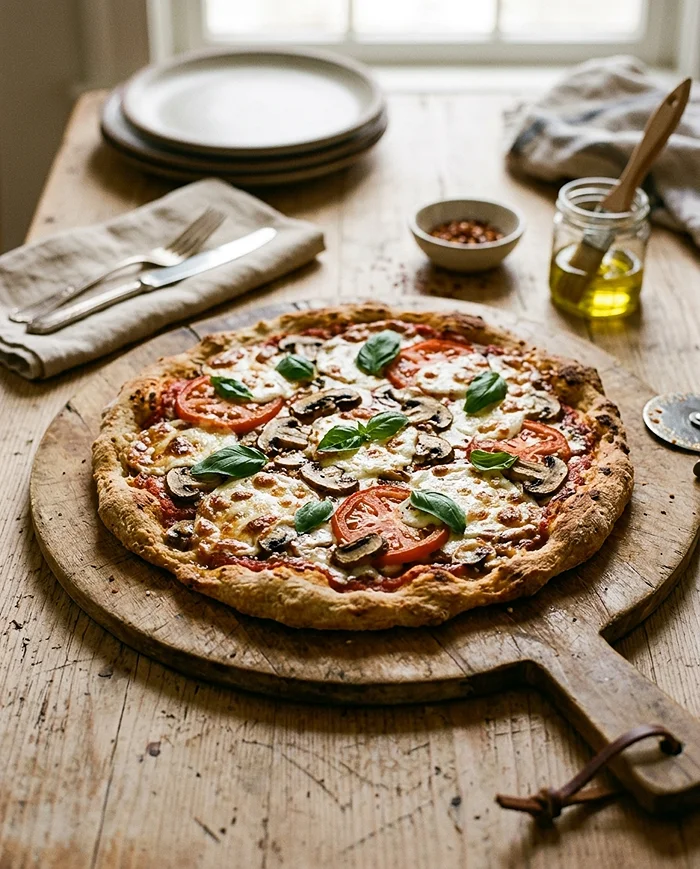
Values are approximate per serving (1/4 of one crust, without toppings). Actual values will vary depending on your specific flour blend and toppings used.
| Nutrient | Amount Per Serving |
|---|---|
| Calories | Approx. 210 kcal |
| Total Fat | Approx. 7g |
| Saturated Fat | Approx. 1g |
| Carbohydrates | Approx. 34g |
| Fiber | Approx. 2g |
| Sugar | Approx. 1g |
| Protein | Approx. 3g |
| Sodium | Approx. 290mg |
FAQs
Can I make this gluten free pizza crust recipe without a stand mixer?
Yes, a food processor with a plastic dough blade works great. If you don’t have either, you can mix by hand, but make sure to beat the dough vigorously for the full 3 minutes to incorporate air. The texture might be slightly denser, but it’ll still be delicious.
What’s the best gluten free flour blend to use for pizza dough?
A commercial all-purpose gluten free blend that includes rice flour and starches works best here. Popular options include Bob’s Red Mill 1-to-1 and King Arthur Measure for Measure. Always check the xanthan gum content on the label before adding more.
Can I make this healthy pizza crust recipe dairy-free too?
Absolutely. The dough itself contains no dairy at all — just flour, yeast, water, and olive oil. Simply choose dairy-free cheese and toppings and you’ve got a fully dairy-free pizza. It pairs beautifully with roasted vegetables or a simple tomato and basil topping.
Why do I need to parbake the gluten free pizza dough before adding toppings?
Gluten free doughs don’t have the same structural strength as wheat doughs, so they need a head start in the oven before the weight of toppings goes on. Parbaking sets the base and ensures you get a truly crispy gluten free pizza crust rather than a soft, undercooked one.
Can I freeze the unbaked gluten free pizza dough?
It’s better to parbake the crust first, then freeze it. Raw gluten free dough doesn’t always freeze and thaw as reliably. The parbaked crust freezes beautifully for at least a month and goes from freezer to topped-and-baked in under 15 minutes on a busy night.
Make It Tonight
There’s honestly nothing more satisfying than pulling a bubbling, golden, perfectly crispy gluten free pizza crust out of your own oven. This gluten free pizza crust recipe is the one that makes non-GF eaters stop and ask for the recipe.
Whether you’re eating gluten free by necessity or by choice, you deserve great pizza. And now you’ve got the recipe to make it happen.
If you’re in a fun food mood this week, check out some other crowd-pleasers from the kitchen: these festive mini ice cream sandwiches are a hit at any gathering, and for a no-bake treat night, these no-bake peanut butter cheesecake cups are dangerously easy.
Made this recipe? Save it to Pinterest so your friends can find it too, and drop a comment below letting me know how it turned out. Did you go classic margherita or get creative with toppings? I want to know everything.
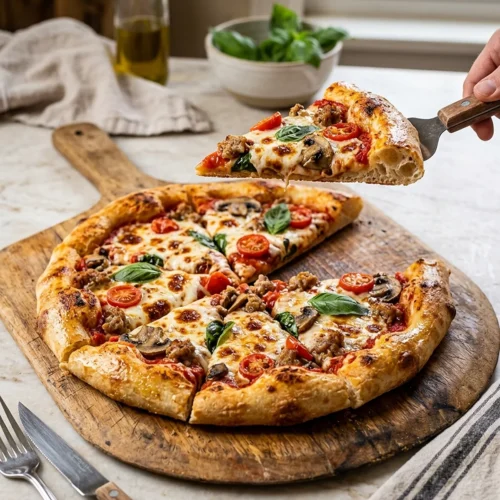
The Most Brilliant Gluten Free Pizza Crust Recipe You’ll Ever Make
Equipment
- Stand mixer with paddle attachment (or food processor with plastic blade)
- Handheld whisk
- Oiled container with tight-fitting lid
- Pizza stone or rimmed baking sheet (overturned)
- Pizza peel or cutting board
- Unbleached parchment paper
- Small rolling pin or pizza roller
- Pastry brush
- Large Spatula
- Kitchen thermometer
Ingredients
Dry Base
- 3 cups All-purpose gluten free flour blend 420g; plus more for dusting
- 3 tsp Xanthan gum Omit if your blend already contains it
- 1 tbsp Instant yeast 9g
- 1.5 tsp Granulated sugar 6g
- 1.5 tsp Kosher salt 9g
Wet Ingredients
- 1.125 cups Warm water 9 oz; about 95°F. Use sparkling water for a chewier crust.
- 4.5 tbsp Extra-virgin olive oil 63g; plus more for brushing
Toppings
- Your favorite pizza toppings As needed
Instructions
- In the bowl of your stand mixer fitted with the paddle attachment (or food processor fitted with the plastic blade), combine the flour, xanthan gum, instant yeast, and sugar. Whisk together using a separate handheld whisk. Add the salt and whisk again to combine well.
- Add the warm water and olive oil to the bowl. Mix on medium speed in the stand mixer (or pulse in the food processor) until the dough begins to come together.
- Turn the mixer to high speed (or run the food processor continuously) and process for about 3 minutes, until the dough is no longer a tight ball but appears whipped and slightly airy. This step adds air to the dough, making it easier to handle after chilling and helping it rise better in the oven.
- Transfer the dough to an oiled container with a tight-fitting lid or a greased bowl. Spray the top lightly with cooking oil spray and cover tightly.
- Place the covered dough in a warm, draft-free area and let it rise until it reaches about 150% of its original volume, approximately 1 hour. Alternatively, refrigerate the dough for up to 3 days — cold dough is easier to shape.
- When ready to bake, place a pizza stone or overturned rimmed baking sheet on a rack in the oven and preheat to 400°F. Allow at least 30 minutes for the stone or sheet to heat fully.
- If the dough has been refrigerated, work with it straight from the refrigerator. If not, seal the dough and chill it for at least 15 minutes before shaping — cold dough is much easier to handle.
- Turn the dough out onto a lightly floured surface and sprinkle a little more flour on top. Gently knead until the dough is smoother and no longer sticky. Divide into two equal portions and cover the unused portion to prevent it from drying out.
- Roll the first portion into a ball, then press into a disk. Using floured fingers, press the dough from the center outward to form a round with a slightly raised edge. Continue pressing and moving the dough, dusting with flour as needed to prevent sticking, until you have about a 10-inch round.
- Place a large piece of unbleached parchment paper on a pizza peel or cutting board. Gently lift the shaped dough onto the parchment. Use a small rolling pin or pizza roller to smooth out any uneven spots from your fingers until the dough is about 11 to 12 inches in diameter.
- Using a pastry brush or your fingers, coat the top of the dough with olive oil, making sure to brush the edges generously. This helps the crust brown and crisp up beautifully.
- Slide the parchment and dough onto the hot pizza stone or baking sheet in the preheated oven. Bake the dough plain, with no toppings, for 5 to 7 minutes, until the underside of the crust has begun to crisp.
- Remove the parbaked crust from the oven using a pizza peel or large spatula. At this point, the crust can be cooled completely, wrapped tightly, and frozen for at least one month. To use later, defrost at room temperature and continue with the next step.
- Add your favorite toppings to the parbaked crust and return it to the hot oven. Bake for another 5 to 7 minutes, until the cheese is melted and bubbly and the edges are golden brown and slightly puffed.
- Remove the finished pizza from the oven using a pizza peel or large spatula. Allow it to rest for 5 minutes before slicing and serving.