High Protein Mac and Cheese
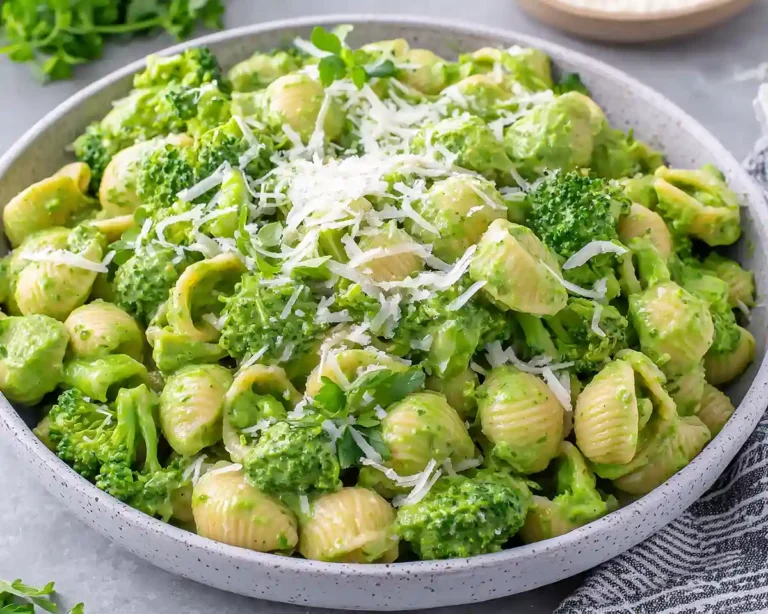
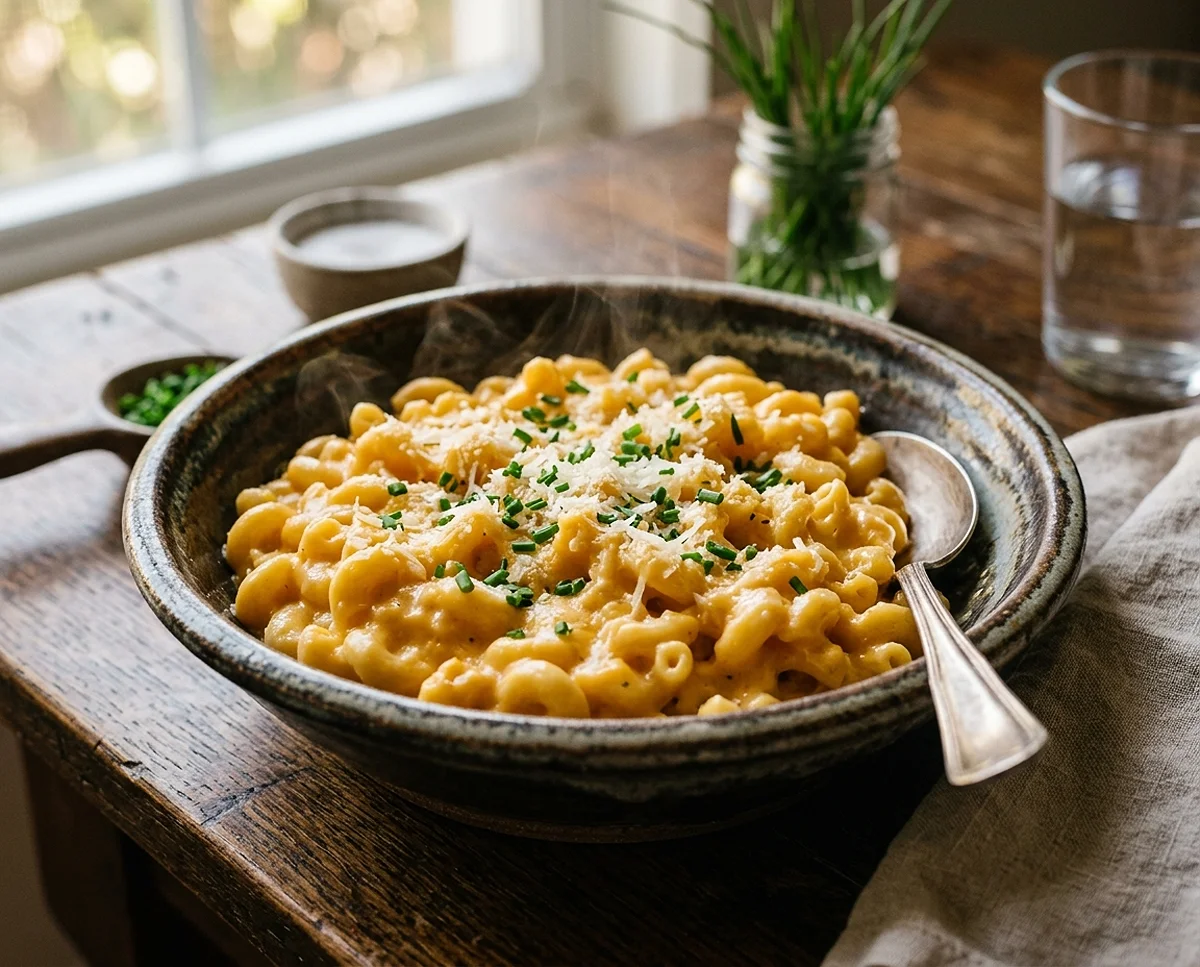
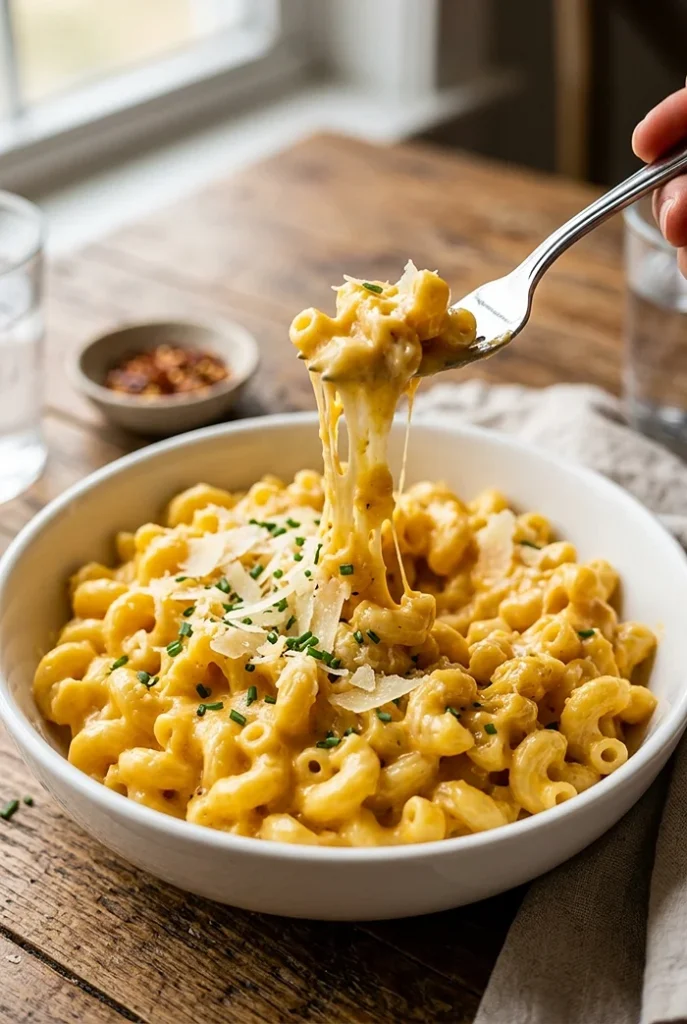
This high protein mac and cheese is the comfort food upgrade you never knew you needed — creamy, cheesy, and secretly packed with protein thanks to a little cottage cheese magic.
I made this on a whim one Tuesday when I needed something cozy but didn’t want to feel guilty about it. Now it’s on permanent dinner rotation in my house, and honestly? I don’t think I can go back.
Table of Contents
Why You’ll Love This Recipe
This isn’t just another mac and cheese. It’s a healthy comfort food that actually delivers on flavor. The sauce is impossibly silky, the cheese pull is real, and nobody will ever guess there’s cottage cheese in there.
It comes together in about 30 minutes, works with gluten-free or regular pasta, and hits that perfect balance between indulgent and nourishing. Weeknight dinner, sorted.
Ingredients
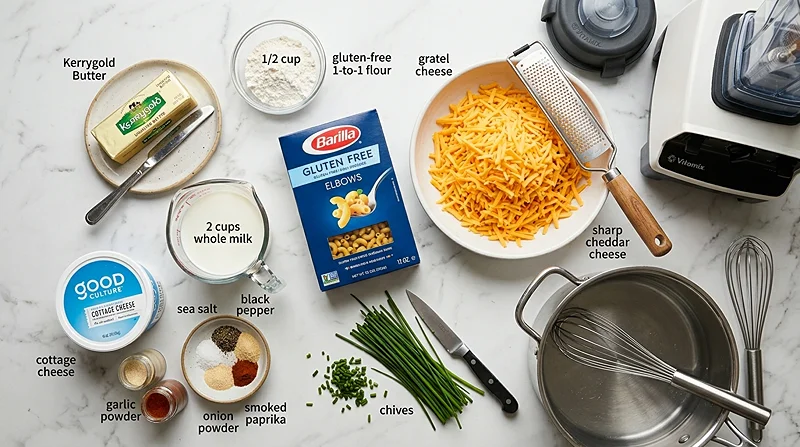
Here’s everything you’ll need to make this cottage cheese pasta sauce work its magic. Everything is grouped so it’s easy to shop and prep.
| Category | Ingredient | Amount |
|---|---|---|
| Pasta | Gluten free pasta (or regular) | 12 oz |
| Sauce Base | Unsalted butter | 2 tablespoons |
| Sauce Base | Gluten free all purpose flour (or regular AP flour) | 1.5 tablespoons |
| Sauce Base | Milk | 1.5 cups |
| Protein Boost | Cottage cheese | 3/4 cup |
| Cheese | Cheddar cheese, freshly grated | 1.75 cups |
| Seasonings | Salt | 1/2 teaspoon (or to taste) |
| Seasonings | Black pepper | 1/2 teaspoon |
| Seasonings | Garlic powder | 1/2 teaspoon |
| Seasonings | Onion powder | 1/2 teaspoon |
| Seasonings | Paprika | 1/4 teaspoon |
A note on the cheddar: please, please grate it fresh. Pre-shredded cheese has anti-caking agents that make sauces grainy. Fresh grated = silky smooth every time.
Step-by-Step Instructions
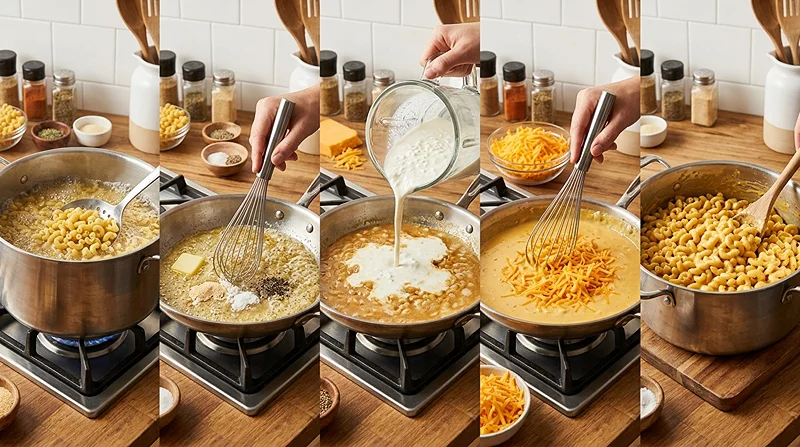
This high protein mac and cheese comes together in a few easy stages. Let’s walk through it so you feel totally confident the first time around.
Step 1: Cook the Pasta
Bring a large pot of well-salted water to a boil. Cook your pasta according to the package instructions until it’s just al dente — not mushy, just slightly firm in the middle.
Drain and set aside. If you’re worried about it sticking together while you make the sauce, toss it with just a tiny drizzle of olive oil.
Step 2: Blend the Cottage Cheese
Add the milk and cottage cheese to a blender and blend until completely smooth. This is the secret step that makes the whole sauce work.
Don’t skip the blending — if you add cottage cheese in chunks, you’ll end up with lumpy sauce and we are NOT doing that. Blending takes 30 seconds and makes all the difference.
Step 3: Make the Roux
In a large pot or wide-rimmed pan, melt the butter over medium-low heat. Once it’s melted and a little foamy, whisk in the flour, salt, pepper, garlic powder, onion powder, and paprika.
Keep whisking until there are absolutely no clumps left and it smells a little nutty — about 1 minute. This little flour-butter paste is what gives the sauce its body.
Step 4: Build the Sauce
Pour in the blended milk and cottage cheese mixture, whisking constantly to combine everything smoothly. Reduce the heat to low and let it all gently thicken for a few minutes.
You’ll notice the sauce starting to coat the back of a spoon — that’s your cue it’s ready for the cheese. It should look creamy and luscious, not watery.
Step 5: Melt in the Cheese
Whisk in the freshly grated cheddar a handful at a time, letting each addition melt fully before adding more. Remove from heat as soon as it’s fully melted and smooth.
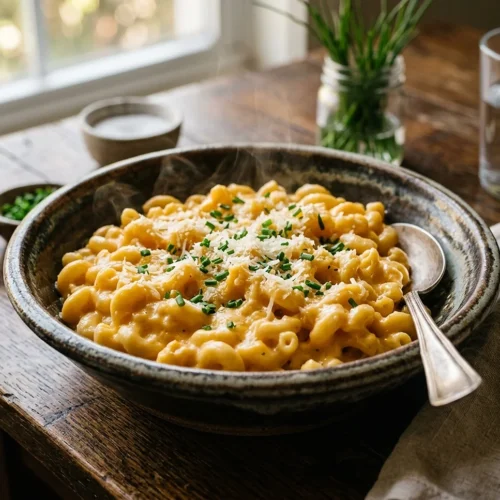
Then pour in your cooked pasta and toss everything together until every noodle is gloriously coated. Serve immediately with freshly grated parmesan and chopped chives if you’re feeling fancy.
Expert Tips for the Best Result
Use Fresh-Grated Cheese Only
This is the single most important tip. Bags of pre-shredded cheddar contain starches that prevent smooth melting. Grating a block of cheddar yourself takes two extra minutes and completely transforms the sauce texture.
Don’t Rush the Roux
Cooking the butter and flour together for a full minute before adding liquid ensures there’s no raw flour taste in your finished dish. Medium-low heat is your friend here — no scorching.
Keep the Heat Low When Adding Cheese
High heat causes cheese proteins to seize up and turn grainy. Take the pot completely off the heat before whisking in your cheddar, or keep it on the lowest possible setting.
Blend the Cottage Cheese Completely
Even if you use a smooth cottage cheese, blend it with the milk anyway. The texture becomes perfectly silky and the cottage cheese pasta sauce becomes indistinguishable from a classic bechamel — but with way more protein.
Variations to Try
Add Some Heat
Stir in a pinch of cayenne or a few dashes of hot sauce along with the other spices. It adds a gentle warmth that makes the whole dish feel a little more grown-up.
Make It a Full Meal
Toss in some crispy baked ranch chicken tenders on the side or chop them up right into the pasta. Protein on protein — honestly iconic.
Go Veggie-Loaded
Stir in steamed broccoli florets, sauteed mushrooms, or roasted cherry tomatoes right before serving. It turns this into a one-bowl dinner that actually has vegetables in it. Your future self will thank you.
Try Different Cheeses
Swap out half the cheddar for gruyere, smoked gouda, or pepper jack for a totally different flavor profile. The base sauce works beautifully with almost any good melting cheese.
Troubleshooting
My Sauce Turned Out Grainy
Grainy sauce almost always comes from heat that was too high when you added the cheese, or from using pre-shredded cheese. Next time, remove the pot from the heat entirely before whisking in the cheddar.
My Sauce Is Too Thick
Just add a splash of warm milk and whisk it in until you reach your desired consistency. Do this before adding the pasta so it stays evenly saucy throughout.
My Sauce Is Too Thin
Let it simmer on low for another minute or two, stirring constantly. It’ll thicken as it heats. Adding the cheese will also help it firm up a little.
Storage Instructions
This high protein mac and cheese stores really well, which makes it perfect for meal prep. Here’s the breakdown:
| Storage Method | Container | Duration |
|---|---|---|
| Refrigerator | Airtight container | Up to 4 days |
| Freezer | Freezer-safe container | Up to 2 months |
Reheating Tips
Reheat on the stovetop over low heat with a splash of milk, stirring often. This keeps the sauce creamy instead of dry and clumpy. The microwave works in a pinch — just add that splash of milk and stir halfway through.
No-Waste Kitchen Ideas
Leftover mac and cheese makes a surprisingly amazing base for a quick frittata — just stir it into beaten eggs and cook it in a skillet. You can also serve it alongside a hearty breakfast hash for a satisfying brunch spread.
Nutritional Information
Based on 6 servings. Values are estimates and will vary depending on specific ingredients used.
| Nutrient | Per Serving |
|---|---|
| Calories | ~420 kcal |
| Protein | ~22g |
| Carbohydrates | ~45g |
| Fat | ~16g |
| Fiber | ~2g |
| Calcium | ~30% DV |
Frequently Asked Questions
Can I taste the cottage cheese in this high protein mac and cheese?
Nope, not at all! Once the cottage cheese is blended smooth with the milk, it completely disappears into the sauce. All you taste is rich, creamy, cheesy goodness — with a sneaky protein boost hiding in there.
Can I make this recipe dairy-free?
You can swap the milk for unsweetened oat milk or cashew milk. Use a dairy-free butter and a vegan cheddar-style cheese. The texture may vary slightly, but it’ll still be delicious.
Is this recipe gluten-free?
Yes, it can be! Just use your favorite gluten-free pasta and a gluten-free all-purpose flour blend for the roux. The rest of the ingredients are naturally gluten-free.
Can I make this ahead of time?
You can make the sauce ahead and refrigerate it for up to 2 days. When ready to serve, reheat it gently on the stovetop with a splash of milk, then toss with freshly cooked pasta for the best texture.
What pasta shape works best for this recipe?
Short, ridged pasta shapes like cavatappi, penne, or rotini work great because the ridges grab onto all that creamy sauce. Classic elbow macaroni is always a solid choice too.
More Cozy Recipes to Try
If you loved this healthy comfort food vibe, you’re going to be obsessed with the rest of the lineup. Check out these freezer-friendly pancake muffins for an easy make-ahead breakfast.
Craving something sweet after dinner? This classic peach cobbler is basically a warm hug in dessert form. And if you’re hosting, this Malibu sunset cocktail pairs surprisingly well with cheesy comfort food.
Conclusion
This high protein mac and cheese is the recipe I wish I’d had years ago — the one that proves comfort food and good nutrition can absolutely coexist.
It’s creamy, satisfying, packed with protein from that clever cottage cheese pasta sauce, and honestly one of the easiest things you can make on a weeknight. Give it a try and you’ll see why it’s a permanent fixture on my dinner table.
Made this recipe? I’d love to hear how it turned out! Leave a comment below and save it to your Pinterest boards so other mac and cheese lovers can find it too.
High Protein Mac and Cheese
Equipment
- Large pot
- Blender
- Whisk
- Wide-rimmed pan
- Box grater
Ingredients
Pasta
- 12 oz gluten free pasta can use regular pasta
Sauce Base
- 2 tablespoons unsalted butter
- 1.5 tablespoons gluten free all purpose flour can sub regular AP flour
- 1.5 cups milk
Protein Boost
- 0.75 cup cottage cheese
Cheese
- 1.75 cups cheddar cheese freshly grated
Seasonings
- 0.5 teaspoon salt or to taste
- 0.5 teaspoon black pepper
- 0.5 teaspoon garlic powder
- 0.5 teaspoon onion powder
- 0.25 teaspoon paprika
Instructions
- Bring a large pot of salted water to a boil and cook pasta according to package instructions until al dente. Drain and set aside.
- Add the milk and cottage cheese to a blender and blend until completely smooth. Set aside.
- In a large pot or wide-rimmed pan, melt the butter over medium-low heat. Once melted, whisk in the flour, salt, pepper, garlic powder, onion powder, and paprika until no clumps remain and the mixture smells slightly nutty, about 1 minute.
- Pour in the blended milk and cottage cheese mixture, whisking constantly to combine. Reduce the heat to low and let the sauce thicken slightly until it coats the back of a spoon.
- Remove the pot from heat and whisk in the freshly grated cheddar cheese a handful at a time, letting each addition melt fully before adding more.
- Add the cooked pasta to the sauce and toss to combine until every piece is well coated. Serve hot, topped with freshly grated parmesan and chopped chives if desired.