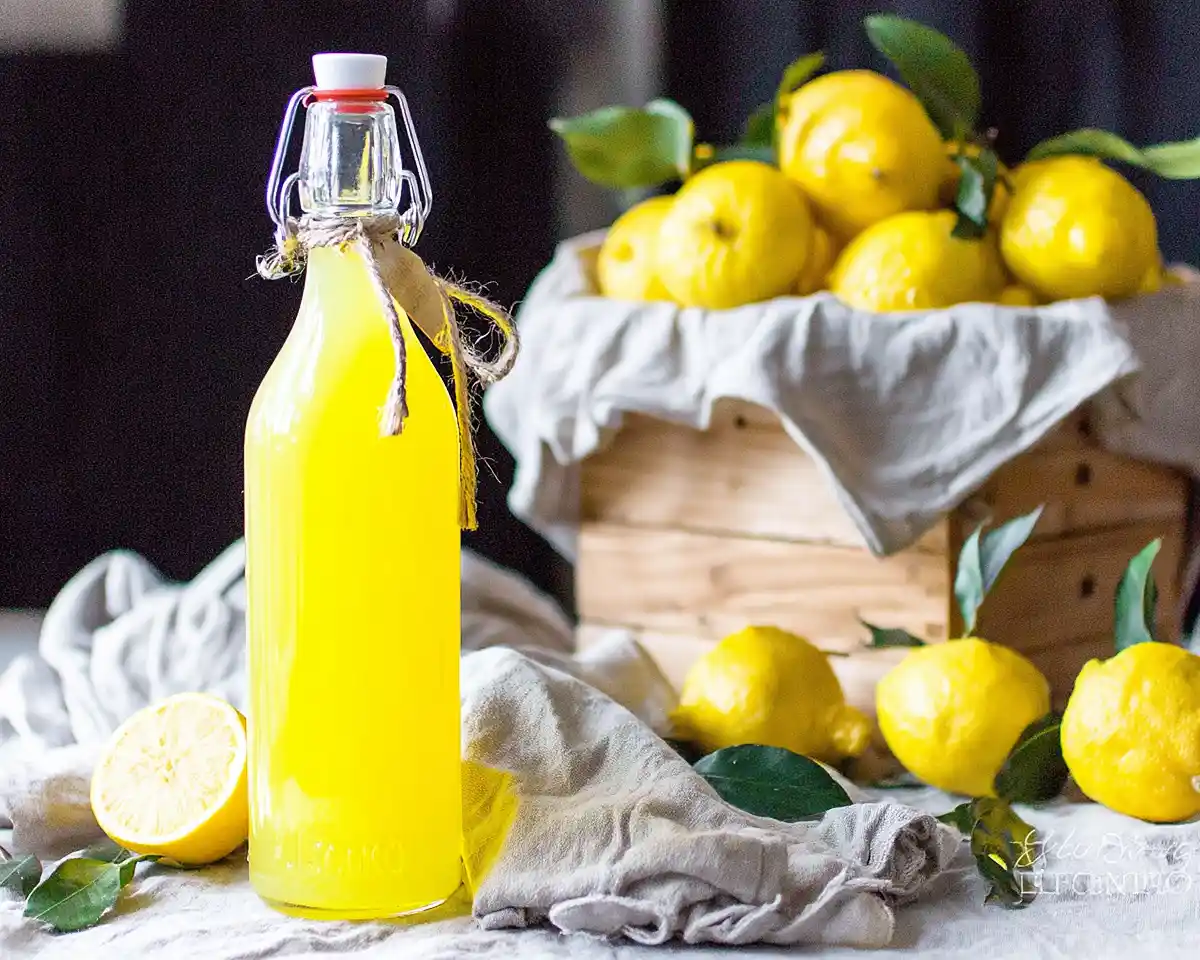
How To Make Limoncello
Discover how to make limoncello at home with this foolproof recipe. Learn the secrets to creating authentic Italian limoncello with simple ingredients, perfect infusion times, and pro tips for that bright, sweet citrus flavor that’ll have everyone asking for your recipe.
Okay, so I fell head over heels for limoncello on a trip to the Amalfi Coast, and I’ve been making it at home ever since. There’s something magical about sipping ice-cold limoncello after dinner—it’s like bottled sunshine. And here’s the best part: making your own is ridiculously easy and way cheaper than buying those fancy bottles at the store.
Table of Contents
What Makes This Limoncello Recipe So Special
This simple limoncello recipe gives you that authentic Italian taste without needing to hop on a plane. You’re basically infusing pure grain alcohol with bright lemon zest, then sweetening it to perfection with homemade syrup. The result? A silky, intensely lemony liqueur that’s perfect for sipping ice-cold or drizzling over desserts.
What I love most is how customizable it is—you control the strength and sweetness. Want it stronger? Use less syrup. Prefer it mellow and sweet? Add that extra batch. This best limoncello recipe is incredibly forgiving, and honestly, it’s hard to mess up.
Ingredients You’ll Need
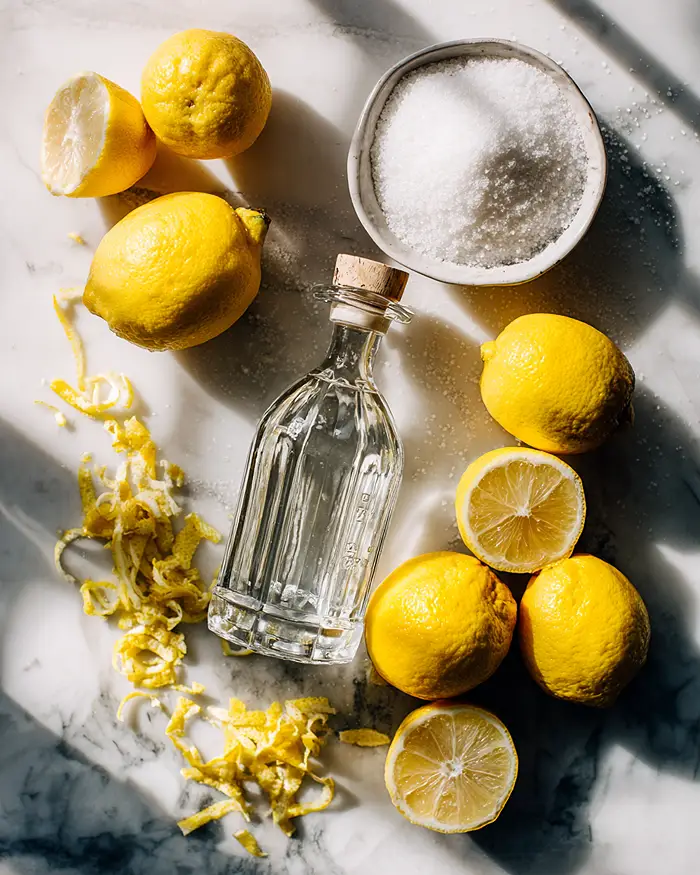
Here’s everything for this easy limoncello recipe, organized so it makes sense:
| Ingredient Category | What You Need | Why It Matters |
|---|---|---|
| For the Lemon Infusion | 8 large organic lemons (or 9 small ones) | Organic is key—no waxy coating to mess with your infusion |
| 750 ml pure grain alcohol (190 proof/95% vol, about 3 cups + 2 tbsp) | This is what extracts all that gorgeous lemon oil. See notes if using 1L or 1.75L bottles | |
| For the Main Sugar Syrup | 2½ cups white sugar (550g) | Creates that perfect sweet balance |
| 4½ cups water (1080 ml) | Dilutes the alcohol to sippable perfection—makes about 5½ cups syrup | |
| For Extra Syrup (Optional) | ⅓ cup white sugar (75g) | For those who like it milder and sweeter |
| 1 cup water (240 ml) | Makes just over a cup of additional syrup |
Pro tip: Don’t even think about skipping the organic lemons. Regular lemons have that weird waxy coating that’ll totally ruin your limoncello. Trust me on this one.
How To Make Limoncello: Step-by-Step
Getting Started with the Lemon Infusion
First things first—you’re gonna peel those lemons like your Italian nonna is watching. Grab a vegetable peeler or a small sharp knife and carefully peel off just the yellow part of the zest. We’re avoiding the white pith like it’s our job, because it’ll make your limoncello taste bitter and gross.
If you accidentally get some white bits (hey, it happens), just trim them off with a sharp knife. Take your time here—this step really matters for getting that clean, bright lemon flavor.
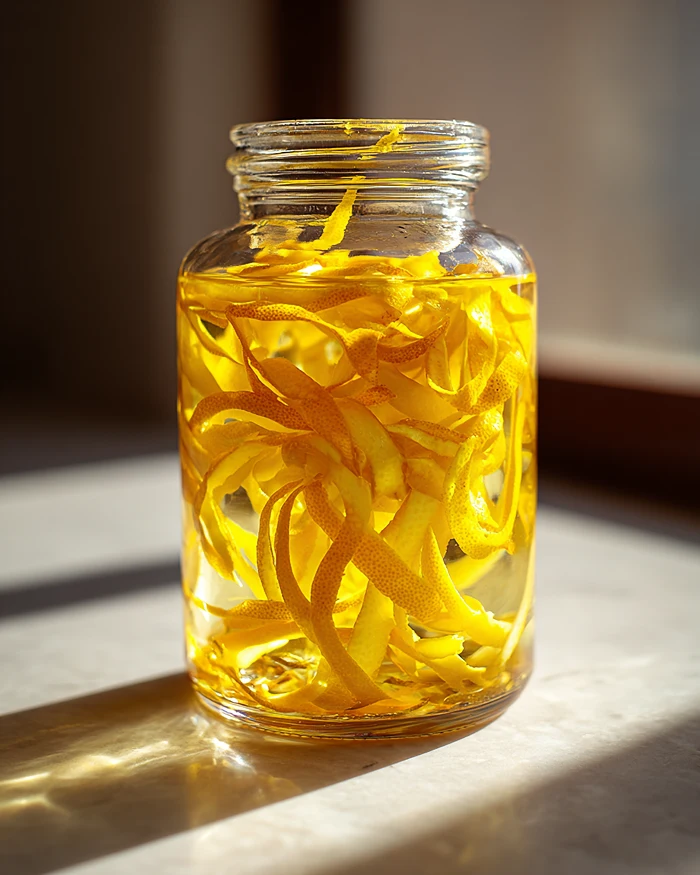
Toss all those beautiful yellow peels into a jar with your pure grain alcohol. Give it a little swirl, seal it up tight, and now comes the hardest part: waiting.
The Magic Waiting Period
Let your lemon-infused alcohol hang out for at least 7 days, but honestly? Three weeks or longer is where the magic really happens. The alcohol slowly pulls all those essential oils from the zest, turning into this gorgeous golden liquid.
Just make sure to keep the jar somewhere cool and dark—direct sunlight is the enemy here. I usually tuck mine in the back of a kitchen cabinet and try to forget about it (spoiler: I check it every day anyway).
Making Your Sugar Syrup
While you’re waiting for that alcohol to work its magic, or once your infusion time’s up, it’s syrup time. Grab a medium saucepan and combine your water and sugar. Turn the heat to medium and stir pretty much constantly until every last sugar crystal dissolves.
Keep stirring until the syrup starts to simmer and reaches a gentle boil. You’ll know it’s ready when it looks clear and slightly thicker. Pull it off the heat and let it cool completely—and I mean completely. Hot syrup + cold alcohol = not great.
Bringing It All Together
Here’s where you become a limoncello mixologist. Pour your lemon-infused alcohol into a large mixing bowl or container. Start adding your cooled sugar syrup slowly while stirring continuously.
After you’ve added about 5 cups of syrup, stop and taste. Yeah, it’ll be pretty strong at this point—maybe not the most pleasant straight-up taste. Keep adding more syrup bit by bit, tasting as you go, until you hit that sweet spot.
“The perfect limoncello should taste bright and lemony with a pleasant sweetness—not like you’re doing a shot of straight alcohol, but not syrupy sweet either.”
Bottling Your Homemade Limoncello
Once you’ve nailed the flavor, it’s time to bottle this liquid gold. Using a funnel, carefully pour your limoncello into clean glass bottles. I love reusing wine bottles or buying those pretty swing-top bottles—makes great gifts, by the way.
Pop those bottles in the freezer for at least a few hours before serving. Limoncello is meant to be served ice-cold, almost syrupy from the chill. It won’t freeze because of the alcohol content, which is pretty cool.
Expert Tips for Perfect Limoncello Every Time
Choosing Your Lemons
Always go organic. I can’t stress this enough. Those conventional lemons are coated in wax and pesticides that’ll end up in your limoncello. Gross. Look for lemons with thick, bumpy skin—they’ve got way more essential oils.
If you can find Sorrento or Amalfi lemons, even better, but regular organic lemons work just fine. The key is freshness and that bright yellow color.
Alcohol Matters
Pure grain alcohol (like Everclear in the US) is traditional and gives you the cleanest flavor. Can’t find 190 proof? You can use 151 proof or even high-proof vodka, but you might need to adjust your syrup ratios. Lower alcohol content means you’ll want less dilution.
The Waiting Game
I know seven days feels like forever, but seriously, wait at least three weeks if you can. The difference is huge. At one week, it’s okay. At three weeks? It’s incredible. Some people let theirs infuse for months, and it just keeps getting better.
Finding Your Perfect Ratio
Everyone’s taste is different. Some folks like their limoncello strong enough to knock your socks off, others prefer it sweet and mild. Start with the 5 cups of syrup, then add more in small increments. You can always add more syrup, but you can’t take it out.
Variations to Try
Meyer Lemon Limoncello
If you can get your hands on Meyer lemons, oh man, you’re in for a treat. They’re sweeter and less acidic, giving you a more delicate, floral limoncello. You might need slightly less sugar syrup with these.
Creamy Limoncello
Want to make limoncello cream (crema di limoncello)? After your limoncello is done, mix it with equal parts heavy cream and a bit of sweetened condensed milk. It’s like an Italian dessert in a glass. Keep this version refrigerated since it contains dairy.
Herb-Infused Limoncello
Try adding a sprig of fresh basil, mint, or even rosemary to your infusion. Just one small sprig—herbs can overpower the lemon quickly. This adds a really interesting complexity that’s perfect for cocktails.
Mixed Citrus Version
Why stop at lemons? Try a mix of lemon, orange, and grapefruit peels for a complex citrus liqueur. Just keep the proportions mostly lemon (about 60-70%) so it doesn’t get too bitter.
Troubleshooting Common Issues
It Tastes Bitter
You probably got too much white pith in there. The pith is super bitter and there’s no real fix once it’s infused. Next time, peel more carefully. If it’s just slightly bitter, adding more sugar syrup can help mask it a bit.
It’s Too Strong
Easy fix—make another batch of sugar syrup and add it gradually until it’s where you want it. Just remember, limoncello is supposed to have a kick. It shouldn’t taste like lemonade.
The Color Is Pale
This usually means you didn’t let it infuse long enough, or your lemons didn’t have much oil in their peels. It’ll still taste good, but next time, let it sit longer and use lemons with thicker, more textured skin.
It’s Cloudy
Cloudiness happens when the temperature fluctuates too much. If you mixed hot syrup with cold alcohol, or if you refrigerate instead of freeze, you might get cloudiness. It’s totally safe to drink, just not as pretty. Straining through a coffee filter can help.
How to Store and Enjoy Your Limoncello
| Storage Method | Details |
|---|---|
| Freezer Storage | Best option—keeps indefinitely. Limoncello won’t freeze due to high alcohol content. Stays perfectly viscous and cold. |
| Refrigerator | Works fine but may develop slight cloudiness. Use within 1 year for best quality. |
| Room Temperature | Not recommended for opened bottles. Unopened can last 2+ years in a cool, dark place. |
| Opened Bottles | Keep in freezer or fridge. Quality stays excellent for 6-12 months. |
Reheating? Nope!
Limoncello is always served ice-cold, straight from the freezer. Never heat it. Pour it into chilled shot glasses or small liqueur glasses. Some people even freeze their glasses first for extra frostiness.
Creative Uses Beyond Sipping
Don’t let any limoncello go to waste (though honestly, that’s rarely a problem). Drizzle it over vanilla ice cream or sorbet. Add a splash to sparkling water for a refreshing spritz. Use it in cocktails—it’s amazing in a limoncello or mixed into summery drinks.
You can even use it in baking. A tablespoon in your lemon cake batter or brushed on pound cake? Chef’s kiss.
Nutrition Information
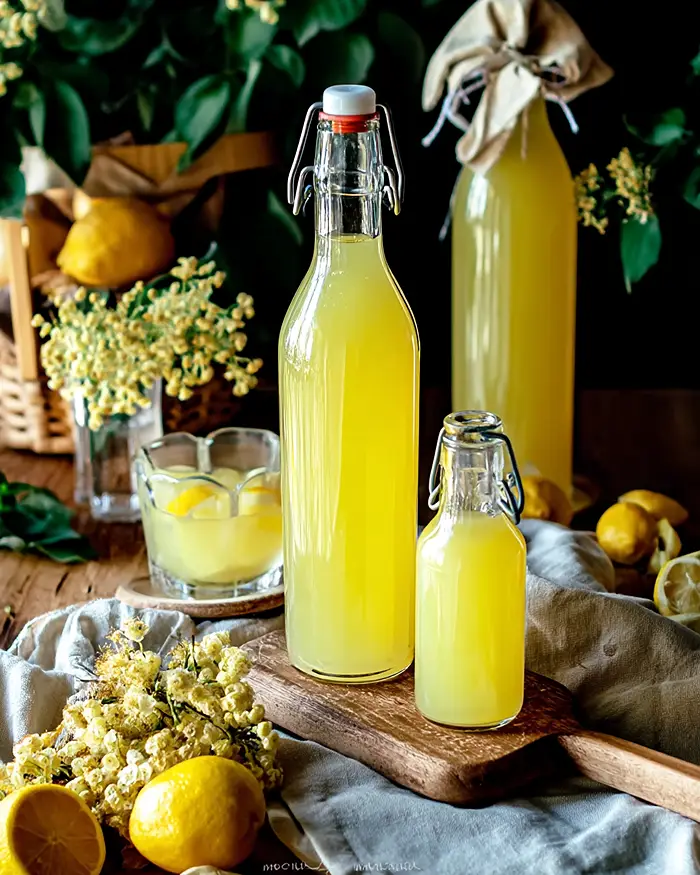
Here’s the nutritional breakdown per 1.5 oz serving (a standard shot):
| Nutrient | Amount |
|---|---|
| Calories | 135 |
| Total Fat | 0g |
| Sodium | 2mg |
| Total Carbohydrates | 15g |
| Sugars | 15g |
| Protein | 0g |
| Alcohol | 14g |
Note: Values are approximate and vary based on how much sugar syrup you use. This is a liqueur, so it’s definitely a treat to enjoy in moderation!
Frequently Asked Questions
What kind of alcohol should I use to make limoncello?
Pure grain alcohol at 190 proof (95% alcohol by volume) is the traditional choice and what I always recommend. Everclear is the most common brand in the US. If you can’t find 190 proof, you can use 151 proof, but you’ll need to reduce your sugar syrup slightly since there’s already more water in the alcohol.
How long does homemade limoncello last?
When stored properly in the freezer, your limoncello will last pretty much forever—seriously, years. The high alcohol content preserves it beautifully. Even in the fridge, it’ll stay good for at least a year. I’ve never had a batch last long enough to go bad, but technically, the flavor might mellow slightly after a year or two.
Can I use regular lemons instead of organic?
I really don’t recommend it for this simple limoncello recipe. Regular lemons have a waxy coating and possible pesticide residue that you definitely don’t want infusing into your alcohol.
Why is my limoncello cloudy?
Cloudiness usually happens from temperature shock—like if you added warm syrup to cold alcohol, or if you move it between freezer and room temperature a lot. It’s still totally safe to drink, just not as visually appealing.
To prevent it, make sure your syrup is completely cool before mixing, and keep your finished limoncello consistently cold.
Do I really need to wait 3 weeks for the infusion?
You can technically make limoncello in 7 days, but trust me, waiting 3 weeks or longer makes a huge difference. The lemon oils need time to fully extract into the alcohol. At one week, the flavor is there but kind of thin. At three weeks? It’s rich, complex, and absolutely worth the wait.
Think of it like aging wine—patience pays off with this best limoncello recipe!
Ready to Make Your Own Limoncello?
Seriously, if you’ve read this far, you’re ready to become a limoncello-making pro. This easy limoncello recipe is one of those things that sounds fancy but is actually super simple. Plus, there’s something really satisfying about pulling a bottle of homemade limoncello out of your freezer when friends come over.
Go grab those organic lemons and get started. Your future self (and your dinner guests) will be so glad you did. And hey, once you’ve made your first batch, come back and let me know how it turned out! Drop a comment, share a photo on Pinterest, or just give yourself a pat on the back for being awesome.
Now if you’ll excuse me, I have a bottle calling my name from the freezer. Salute!
How To Make Limoncello
Equipment
- Vegetable peeler or small sharp knife
- Large glass jar with lid
- Medium saucepan
- Large mixing bowl or container
- Funnel
- Glass bottles for storage
Ingredients
Lemon Infused Alcohol
- 8 big organic lemons or 9 small lemons
- 750 milliliters pure grain alcohol 190 proof/95% vol, approx 3 cups + 2 tablespoon
Sugar Syrup
- 2½ cups white sugar 550 g
- 4½ cups water 1080 milliliters
Extra Syrup For Milder Limoncello (Optional)
- ⅓ cup white sugar 75 g
- 1 cup water 240 milliliters
Instructions
- Using a vegetable peeler or a small sharp knife, peel off the lemon zest as thin as possible. We only need the yellow part. If you happen to cut any white pith together with yellow zest, just trim off any white spots with a sharp knife. Take your time here—this step really matters for getting that clean, bright lemon flavor.
- Place all the lemon peels in the jar with pure grain alcohol. Give it a little swirl and seal it up tight.
- Leave to macerate for at least 7 days, best 3 weeks or more. Make sure to keep the bottle out of direct sunlight in a cool, dark place like a kitchen cabinet.
- Prepare sugar syrup. Mix water and sugar in the saucepan. On medium heat, continue to stir in the sugar until it’s completely dissolved. Let the syrup simmer until boiling. Remove from the heat and allow to cool completely.
- In a large mixing bowl or container, add lemon infused alcohol. Continuously stirring, start adding the cooled sugar syrup. Once you’ve added 5 cups, taste. Limoncello will be pretty strong. Add more sugar syrup and taste again until you reach your perfect flavor balance.
- Once you’ve reached the perfect flavor, bottle your limoncello in glass bottles using a funnel.
- Chill in the freezer for at least a few hours before serving ice-cold in small chilled glasses.