Japanese Gyoza
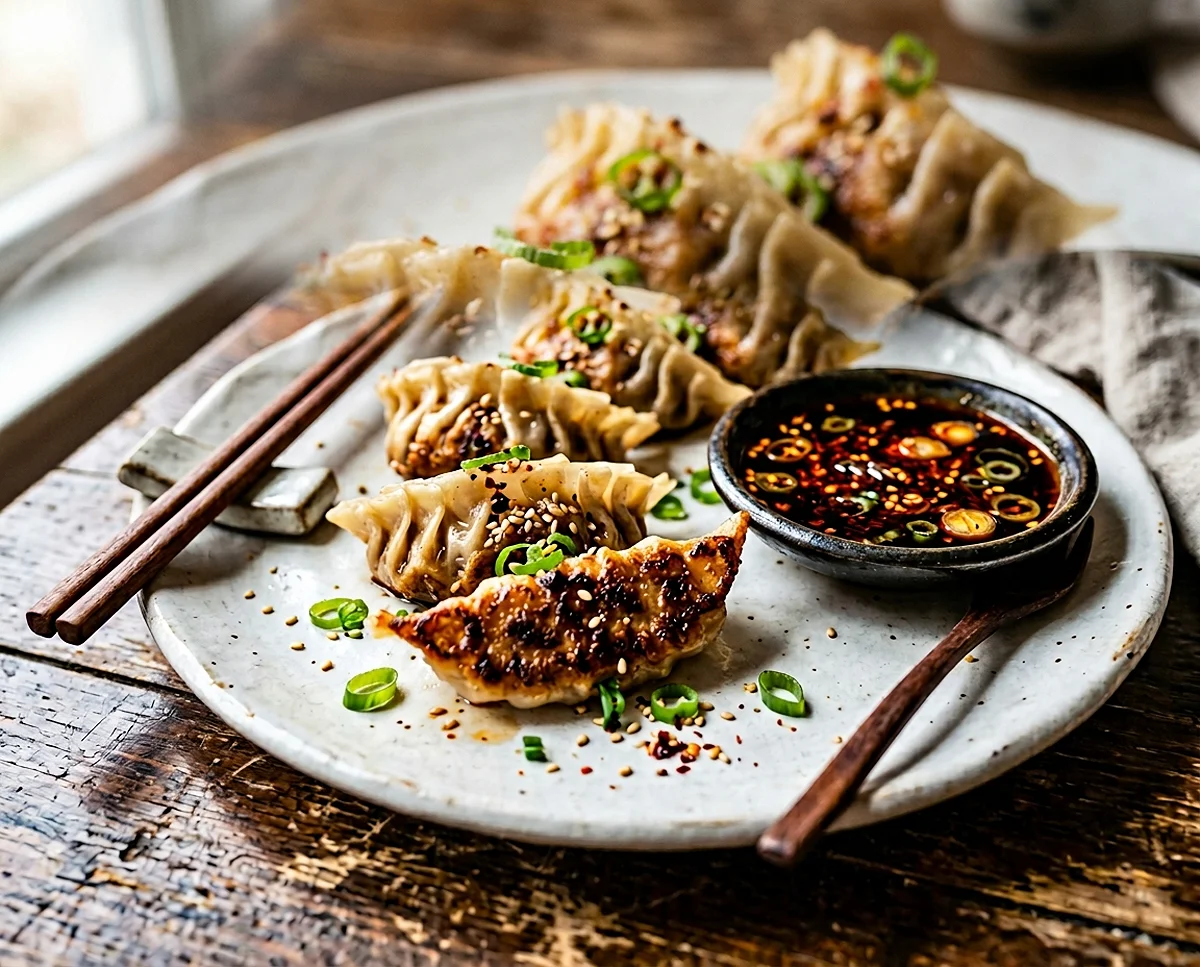
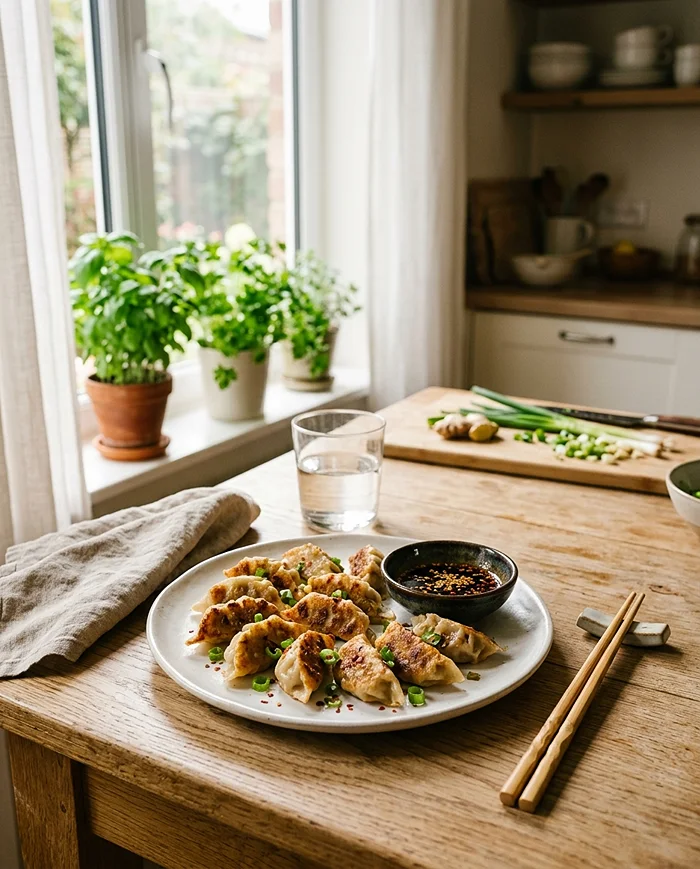
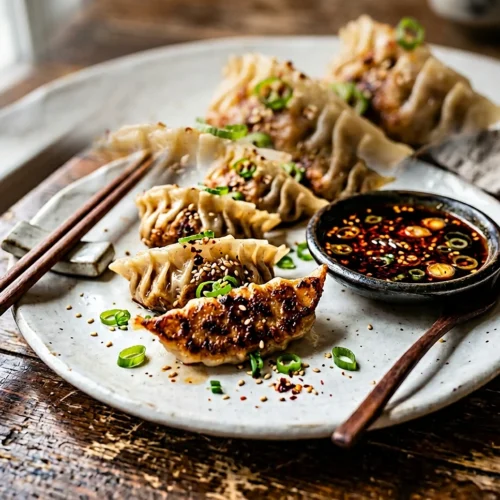
This homemade gyoza recipe delivers everything you love about Japanese Homemade Food — golden, crispy bottoms, tender steamed tops, and a savory pork filling that’s seriously hard to stop eating.
I made Japanese Gyoza for the first time on a rainy Sunday and accidentally ate half the batch straight off the pan. No regrets whatsoever.
Table of Contents
Why This Japanese Gyoza Recipe Is Worth Every Pleat
This isn’t just another dumpling recipe. This is the authentic gyoza recipe that Japanese home cooks have been making for generations — simple ingredients, big flavor, and that iconic crispy-then-steamed texture.
The filling is juicy and fragrant. The wrapper gets golden and crunchy on the bottom while staying soft and slightly translucent on top. And the dipping sauce? Completely customizable to your taste.
Once you learn how to make Strawberry Sando — wait, wrong recipe. Once you nail this technique, you’ll never order gyoza from a restaurant the same way again.
Ingredients
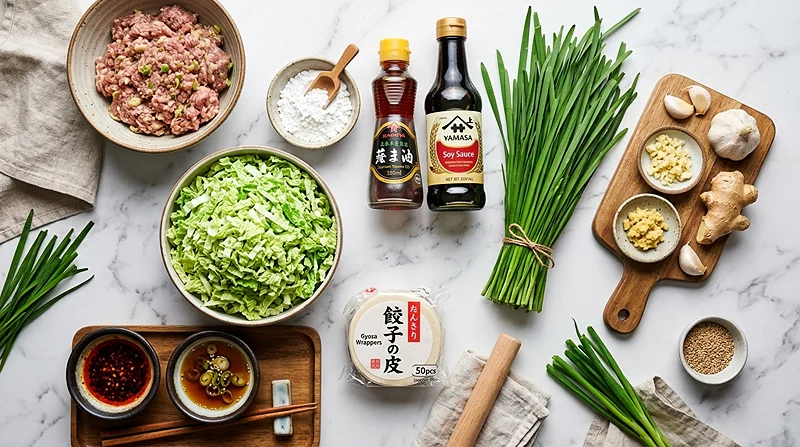
Here’s everything you need to make 40 to 45 pieces of crispy, gorgeous Japanese Gyoza. The ingredient list is simple, but every single one of them matters.
| Group | Ingredient | Amount |
|---|---|---|
| Filling | Green cabbage, very finely chopped | 1 1/2 cups |
| Filling | Salt (divided) | 1 tsp total |
| Filling | Ground pork (fattier is better) | 1 lb / 500g |
| Filling | Garlic chives, finely chopped | 1 cup |
| Filling | Garlic clove, crushed | 1 clove |
| Filling | Fresh ginger, grated | 1 tsp |
| Filling | Sesame oil | 1 tsp |
| Filling | Cornstarch / cornflour | 1 tbsp |
| Filling | Soy sauce | 2 tsp |
| Gyoza | Cornflour (for dusting tray) | 1 tsp |
| Gyoza | Round gyoza / wonton wrappers (Gow Gee wrappers) | 40–45 wrappers |
| Gyoza | Vegetable oil (or other cooking oil) | 3 tbsp |
| Dipping Sauce | Soy sauce | To taste |
| Dipping Sauce | Rice wine vinegar | To taste |
| Dipping Sauce | Chili oil (Rayu for authentic Japanese flavor) | To taste |
Note on garlic chives: These are different from regular chives — they have a garlicky, slightly pungent flavor that’s essential in an authentic gyoza recipe. Find them at any Asian grocery store.
Note on wrappers: Look for round gyoza or Gow Gee wrappers, not square wonton wrappers. The round shape makes pleating so much easier. You’ll need about 1.5 packets for this batch.
How To Make Japanese Gyoza Step By Step
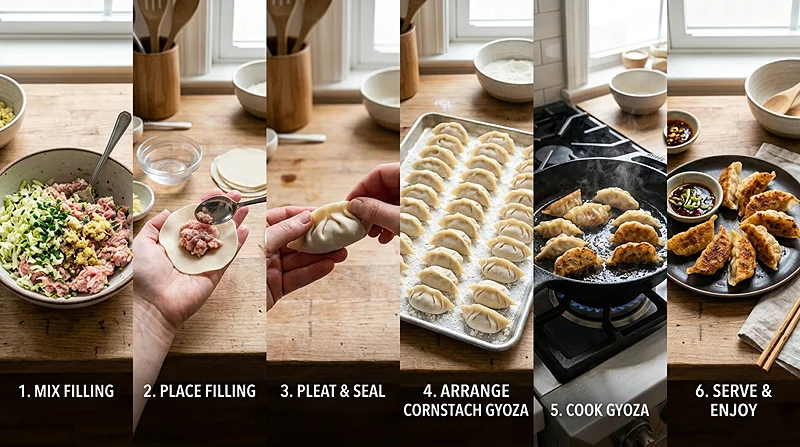
This homemade gyoza recipe has a few key stages: prepping the filling, wrapping, and the two-step cook. Take it one section at a time and it’s totally manageable — even fun.
Step 1 – Salt the Cabbage
Add the finely chopped cabbage and 1/2 tsp of salt to a small bowl. Toss to combine and set it aside for 20 minutes.
This draws out excess moisture from the cabbage so your filling doesn’t turn watery. Watery filling = soggy gyoza. We don’t want that.
Step 2 – Mix the Filling
Place your ground pork, garlic chives, crushed garlic, grated ginger, sesame oil, cornstarch, soy sauce, and remaining 1/2 tsp salt in a large bowl.
Squeeze as much liquid as you can out of the salted cabbage — really wring it out — then add it to the bowl. Use your hands to mix everything together until combined and slightly sticky.
The filling should feel cohesive, not crumbly. A fattier pork mince keeps it juicy after cooking — don’t go lean here.
Step 3 – Prep Your Wrapping Station
Dust a large baking tray with 1 tsp of cornflour. This stops the gyoza from sticking while you assemble them. Have a small bowl of water nearby — you’ll use it to seal each wrapper.
Step 4 – Wrap the Gyoza
Hold one round wrapper in your non-dominant palm. Dip your finger in water and run it around the edge of half the wrapper — just the half you’ll fold over.
Place about 1 heaped tablespoon of filling in the center. Fold the wrapper over the filling and use your dominant hand to create 4 pleats along the edge, pressing firmly to seal.
Place each finished gyoza on the dusted tray. Repeat with all remaining wrappers and filling. Yes, it takes a little while — put on a good playlist and enjoy the process.
If pleating feels tricky, don’t stress. Even a simple pinch-and-press seal works fine. The flavor is the same no matter how pretty the fold.
Step 5 – The Two-Step Cook (Fry Then Steam)
Heat 1 tablespoon of oil in a large skillet with a lid over medium-high heat. Arrange about 12 gyoza in rows, slightly overlapping. Let them fry undisturbed until the bottoms are light golden.
Once golden, pour 1/3 cup of water around the gyoza and immediately cover with the lid. The water will sizzle and steam furiously — that’s exactly what you want.
Cook until the water has fully evaporated, about 3 to 4 minutes. The tops will look slightly translucent and the bottoms will be beautifully crispy again once the steam clears.
Step 6 – Flip and Serve
Use a spatula to carefully transfer the gyoza onto a plate, golden side up. Serve immediately with the dipping sauce on the side while they’re still hot and crispy.
Cook the remaining gyoza in batches using the same method, adding another tablespoon of oil for each batch.
Step 7 – Make the Dipping Sauce
Serve the soy sauce, rice wine vinegar, and chili oil (Rayu) in separate small dishes so everyone can mix their own ratio. There’s no wrong combination here.
A good starting point: equal parts soy sauce and vinegar, with a generous splash of chili oil. Adjust to taste — that’s part of the fun with Japanese Homemade Food.
Expert Tips for the Best Homemade Gyoza Recipe
Don’t Skip the Cabbage Salting Step
It feels minor but it’s not. Un-drained cabbage releases water during cooking and turns your filling mushy. Salting and squeezing it first keeps everything tight and flavorful.
Go Fatty with the Pork
This is not the time for lean mince. Fat equals flavor and juiciness in your filling. If your pork is too lean, the gyoza will taste dry and dense. Fattier cut, better result.
Keep the Pan Hot for Crispy Bottoms
The oil needs to be genuinely hot before the gyoza go in. If the pan isn’t hot enough, the wrappers will steam instead of sear and you’ll miss out on that golden crust.
Don’t Crowd the Pan
Cook in batches of around 12. Overcrowding drops the pan temperature and creates uneven cooking. Give each gyoza enough space to get properly golden on the bottom.
Variations and Substitutions
Swap the Protein
Ground chicken or a pork-and-shrimp mix both work beautifully in this authentic gyoza recipe. For a vegetarian version, try finely chopped mushrooms, tofu, and cabbage as the base filling.
Regular Chives Instead of Garlic Chives
If you can’t find garlic chives, use regular chives and add an extra clove of garlic to compensate. The flavor won’t be identical, but it’s still delicious.
Add a Little Cabbage Variation
Napa cabbage works just as well as green cabbage here and has a slightly softer texture. Either way, the key is chopping it very finely so it blends into the filling seamlessly.
Troubleshooting Common Gyoza Problems
Wrappers Keep Tearing
You’re probably overfilling them. Stick to about 1 heaped tablespoon of filling — it feels like less than you’d think, but it’s exactly right. Overfilled wrappers always burst at the seams.
Gyoza Sticking to the Pan
Make sure you’re using enough oil and that the pan is properly hot before adding the gyoza. If they stick when you try to move them, they’re probably not quite golden yet — give them another minute.
Filling Is Too Wet
This almost always comes back to not squeezing enough water out of the cabbage. Be aggressive about it — use both hands and really wring it out like a dish towel. That extra step makes all the difference.
Storage Instructions
| Method | Duration | Notes |
|---|---|---|
| Fridge (cooked) | Up to 3 days | Store in an airtight container |
| Freezer (uncooked, raw) | Up to 3 months | Freeze flat on a tray first, then bag |
| Freezer (cooked) | Up to 2 months | Reheat from frozen in a covered skillet |
Reheating and No-Waste Ideas
To reheat cooked gyoza, add them to a lightly oiled skillet over medium heat. Add a splash of water, cover, and steam for 2 to 3 minutes until heated through. The bottoms will crisp right back up.
Leftover filling? Roll it into small meatballs and pan-fry them as a quick weeknight protein. Serve over rice with a drizzle of soy sauce — total Japanese Homemade Food vibes.
If you love bold, craveable flavors, you’ll want to try this buffalo chicken wrap for another punchy handheld meal.
Nutritional Information
Estimated per serving of 5 gyoza, based on standard ingredients. Does not include dipping sauce.
| Nutrient | Amount (approx.) |
|---|---|
| Calories | 210 kcal |
| Total Fat | 11g |
| Saturated Fat | 3g |
| Carbohydrates | 18g |
| Protein | 10g |
| Sodium | 390mg |
| Fiber | 1g |
Nutritional values are estimates and will vary depending on exact ingredients and brands used.
FAQs About Japanese Gyoza
What is the difference between gyoza and dumplings?
Gyoza is the Japanese version of Chinese jiaozi dumplings. The main differences are the thinner wrapper, more finely textured filling, and the signature two-step fry-then-steam cooking method. Japanese Gyoza also tends to have a stronger garlic and sesame flavor profile.
Can I make this homemade gyoza recipe ahead of time?
Absolutely. Assemble the gyoza, place them on a cornflour-dusted tray, and freeze them solid before transferring to a zip-lock bag. Cook straight from frozen — just add an extra minute or two to the steaming time.
What wrappers work best for an authentic gyoza recipe?
Round gyoza wrappers (also sold as Gow Gee wrappers) are the most authentic choice. They’re thinner than regular wonton wrappers and give you that delicate, slightly translucent top after steaming. Find them at any Asian grocery store, usually in the refrigerated section.
Is Rayu the same as regular chili oil?
Rayu is a Japanese-style chili oil that tends to be milder and more aromatic than Chinese chili oil. It’s the traditional choice for gyoza dipping sauce, but any chili oil you have on hand works just fine. Adjust the amount based on your heat preference.
Can I use a different filling for this homemade gyoza recipe?
Yes — this recipe is very flexible. Ground chicken, shrimp, or a vegetarian mushroom-and-tofu filling all work well with the same wrapper and cooking technique. Keep the aromatics (garlic, ginger, sesame oil, soy sauce) and you’ll have delicious gyoza every time.
More Easy Recipes to Try Next
If you loved making Japanese Homemade Food from scratch, chances are you’ll enjoy a few more of these easy, satisfying recipes.
This Italian pasta salad is a perfect make-ahead option for busy weeks. And if you want something equally fun to assemble, these easy pizza roll-ups are always a crowd-pleaser.
For a creamy, effortless weeknight dinner, the creamy avocado pasta comes together in just 20 minutes. Or keep things light with this easy egg salad recipe that works beautifully as a quick lunch.
And if you’re craving something indulgent after all that savory cooking, these no-bake tiramisu cups are the perfect no-effort dessert to finish the meal.
Ready to Make the Best Japanese Gyoza of Your Life?
This homemade gyoza recipe is one of those dishes that looks impressive, tastes incredible, and is way more fun to make than you’d expect. Once you try it, you’ll wonder why you ever ordered delivery.
Give this authentic gyoza recipe a go this weekend and let me know how it turned out in the comments below. Did you try a different filling? A spicier dipping sauce? I’d love to hear about it.
And if your gyoza came out golden and gorgeous — please share it on Pinterest! Tag your photos and help someone else discover the joy of Japanese Homemade Food made right in their own kitchen.
Japanese Gyoza
Equipment
- Mixing bowls
- Knife
- Cutting board
- Large skillet with lid
- Spatula
- Baking tray
Ingredients
Filling
- 1 ½ cups Green cabbage very finely chopped
- 1 tsp Salt divided
- 1 lb Ground pork fattier preferred
- 1 cup Garlic chives finely chopped
- 1 clove Garlic crushed
- 1 tsp Fresh ginger grated
- 1 tsp Sesame oil
- 1 tbsp Cornstarch
- 2 tsp Soy sauce
Gyoza
- 1 tsp Cornflour for dusting tray
- 40-45 Gyoza wrappers round
- 3 tbsp Vegetable oil
Dipping Sauce
- Soy sauce to taste
- Rice wine vinegar to taste
- Chili oil to taste
Instructions
- Combine chopped cabbage with half the salt and let it sit for 20 minutes to draw out moisture.
- Squeeze excess water from the cabbage. Mix it with pork, garlic chives, garlic, ginger, sesame oil, cornstarch, soy sauce, and remaining salt until cohesive.
- Dust a tray with cornflour and prepare a small bowl of water for sealing wrappers.
- Place filling in the center of each wrapper, moisten edges, fold, and pleat to seal. Arrange on the tray.
- Heat oil in a skillet and fry gyoza until bottoms are golden.
- Add water, cover, and steam until water evaporates and tops are cooked through.
- Transfer to a plate crispy side up and serve hot.
- Mix soy sauce, rice vinegar, and chili oil to taste for dipping sauce.