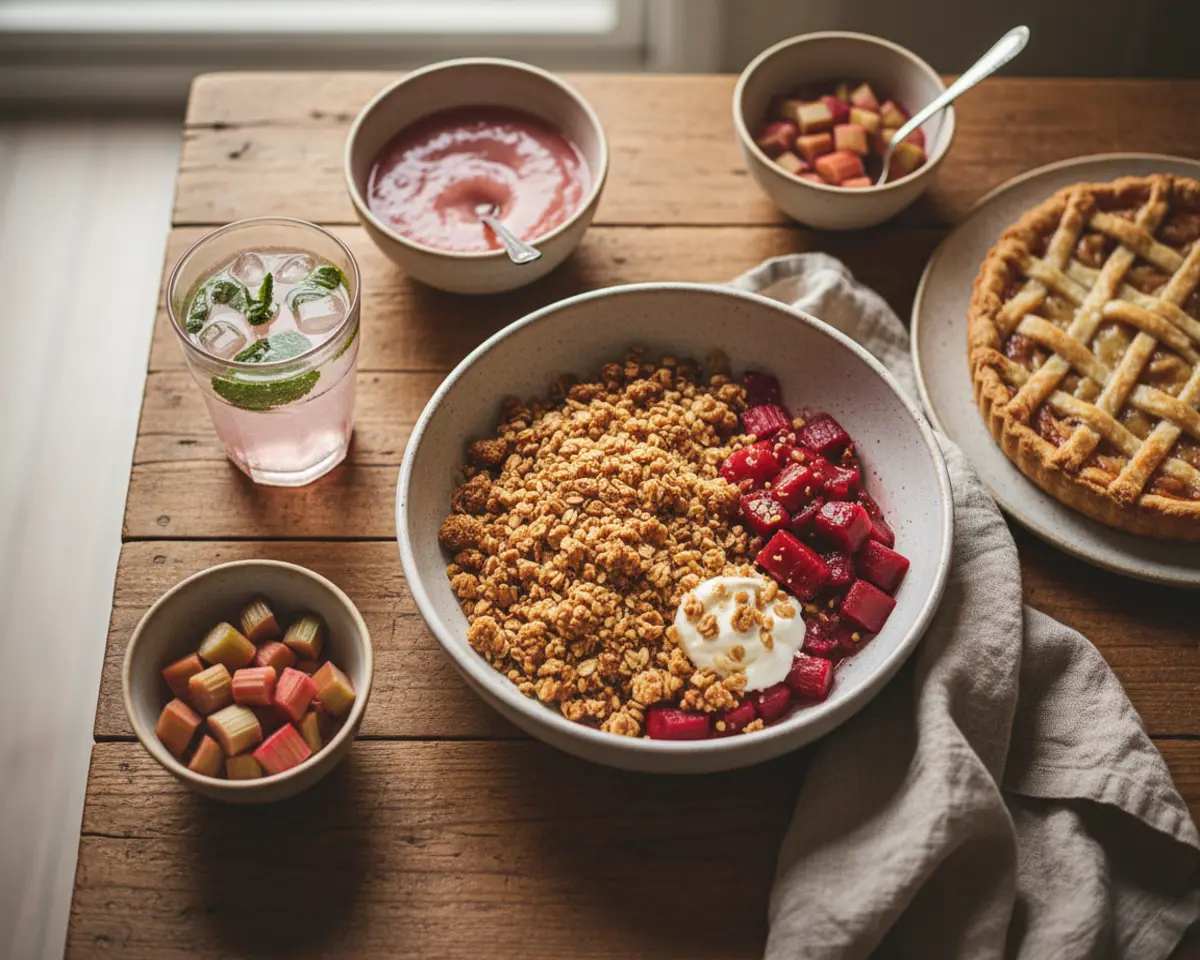
Comprehensive Rhubarb Recipes
I still remember the first time I saw my grandmother’s rhubarb patch in early spring. Those ruby-red stalks pushing through the soil signaled something magical was about to happen in her kitchen. She would transform what looked like giant celery into the most incredible desserts, and I was completely hooked.
Now, years later, I have my own rhubarb patch and that same excitement every spring when those gorgeous stalks are ready to harvest.
Table of Contents
Rhubarb recipes hold a special place in my heart because they represent the true beginning of baking season. This tangy, beautiful ingredient transforms into everything from crumbly bars to towering cakes, and each recipe tells its own delicious story.
Whether you are working with your first bunch of rhubarb or you are a seasoned baker looking for fresh inspiration, this guide will walk you through everything you need to create stunning rhubarb recipes that your family will request year after year.
The Quick Guide
Before we dive deep into the world of rhubarb recipes, here are the essentials you need to know right now. Rhubarb is a spring vegetable used as a fruit in baking, delivering a tart flavor that balances beautifully with sugar. Fresh rhubarb recipes shine from April through June when stalks are most tender and flavorful.
- Choose firm, crisp stalks with vibrant color and avoid any that feel soft or bendable
- Always remove and discard the leaves as they contain toxic compounds, using only the stalks
- Balance tartness with sugar, but do not go overboard or you will lose that signature tangy flavor
- Frozen rhubarb works wonderfully in most recipes, though it releases more moisture than fresh
- Rhubarb pairs beautifully with strawberries, ginger, vanilla, and citrus flavors
Understanding the Magic of Rhubarb Recipes
Rhubarb recipes occupy a unique space in the baking world. This tart, celery-like vegetable transforms into tender, jammy perfection when baked with sugar, creating a flavor profile you cannot replicate with any other ingredient. The gorgeous pink and red hues add natural beauty to every creation, making your desserts as visually stunning as they are delicious.
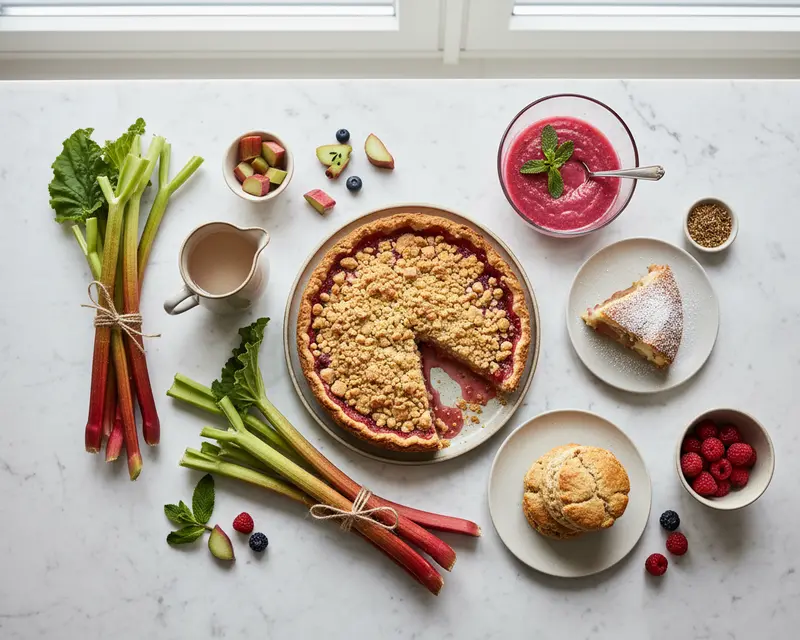
What makes homemade rhubarb recipes so special is their seasonality. When spring arrives and rhubarb appears at farmers markets or pushes up through garden soil, bakers know it is time to create something extraordinary. These easy rhubarb recipes celebrate a fleeting moment in the growing season, which makes each batch feel even more precious and worth savoring.
Fresh rhubarb recipes work beautifully for everything from casual weeknight desserts to show-stopping celebration cakes. The tartness cuts through rich butter and sugar, preventing desserts from becoming too sweet while adding complexity that keeps people coming back for another bite. Whether you prefer rustic bars or elegant layered cakes, rhubarb adapts to your baking style.
Rhubarb Bars Cookies
When you want the perfect portable dessert that captures all the tangy beauty of fresh rhubarb recipes, bars and cookies deliver every single time. The complete guide to rhubarb bars and cookies walks you through creating everything from crumbly shortbread bars to chewy cookies studded with tender rhubarb pieces.
These easy rhubarb recipes are perfect for bakers who want impressive results without spending hours in the kitchen. Bars come together quickly with simple press-in crusts and straightforward rhubarb fillings that bake into jammy perfection. Cookie variations let you enjoy rhubarb in handheld form, ideal for lunchboxes, picnics, or afternoon coffee breaks.
The beauty of rhubarb bars and cookies lies in their versatility. You can make them as simple or as fancy as your mood requires, adding crumble toppings, cream cheese layers, or keeping things elegantly minimal. They store beautifully, travel well, and always disappear fast at gatherings, making them absolute favorites for potlucks and bake sales.
Rhubarb Cakes
For those moments when you want to create something truly spectacular with your rhubarb harvest, nothing compares to a stunning cake. This comprehensive collection of rhubarb cakes covers everything from simple coffee cakes to elaborate layer cakes that become the centerpiece of any celebration.
Homemade rhubarb recipes shine brightest in cake form because the tender crumb provides the perfect canvas for those gorgeous ruby ribbons of fruit. Upside-down cakes showcase caramelized rhubarb on top, while bundt cakes hide surprise pockets of tangy fruit throughout.
Coffee cakes deliver casual elegance for brunch, and layer cakes with cream cheese frosting create unforgettable special occasion desserts.
What makes rhubarb cakes so appealing is how they balance sophistication with comfort. These fresh rhubarb recipes feel fancy enough for dinner parties yet cozy enough for everyday enjoyment. The moisture from the fruit keeps cakes tender for days, and the beautiful pink streaks make every slice Instagram-worthy without any extra effort on your part.
Expert Category Guide
Mastering rhubarb recipes requires understanding a few key techniques that separate good results from absolutely spectacular ones. Once you learn these essential methods, you will feel confident tackling any homemade rhubarb recipe that catches your eye, knowing exactly how to bring out the best in this unique ingredient.
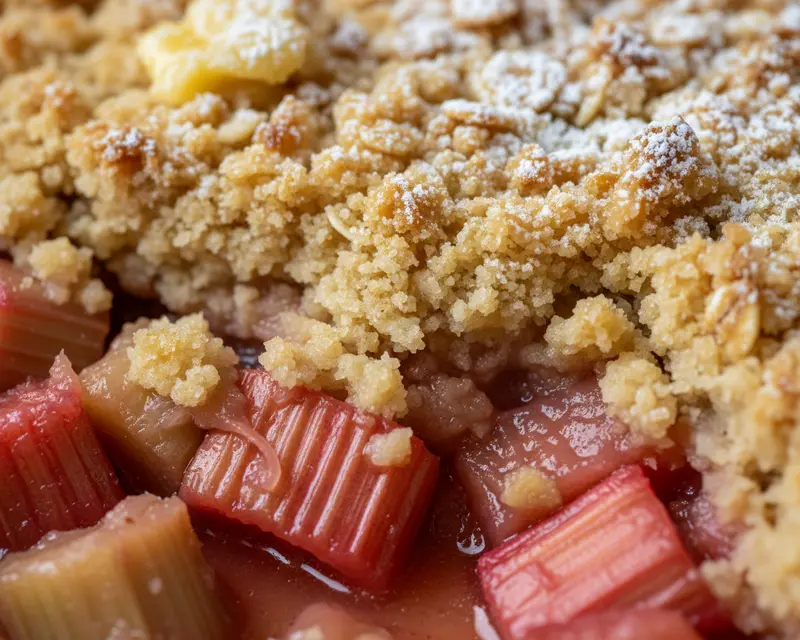
Essential Techniques
The most important technique for working with fresh rhubarb recipes is proper preparation. Always wash stalks thoroughly, trim away any leaves and the very bottom of each stalk, then cut into uniform pieces. Consistent sizing ensures even cooking, preventing some pieces from turning to mush while others remain too firm.
Maceration is your secret weapon for controlling moisture in rhubarb recipes. Toss cut rhubarb with sugar and let it sit for fifteen to thirty minutes. This draws out excess liquid that you can drain away, preventing soggy bottoms in bars and cakes. Save that rosy syrup for drizzling over ice cream or stirring into cocktails.
Layering flavors elevates easy rhubarb recipes from good to extraordinary. A touch of vanilla extract enhances the fruit without overpowering it. Fresh ginger adds warmth that complements the tartness beautifully. Citrus zest brightens everything up, while a pinch of cardamom or cinnamon introduces subtle complexity that makes people wonder about your secret ingredient.
Ingredient Spotlight
The star of every rhubarb recipe is obviously the rhubarb itself, but quality matters enormously. Look for stalks that are firm and crisp with vibrant color ranging from pink to deep red. Thinner stalks tend to be more tender and less stringy than thick ones, though both work beautifully in baking when cut properly.
Sugar plays a critical balancing role in homemade rhubarb recipes. Granulated white sugar is the standard choice, but brown sugar adds molasses notes that create deeper flavor. Do not reduce sugar too drastically in the name of health because you need it to counteract the extreme tartness. Trust the recipe ratios, especially when you are just starting out.
Butter creates the rich foundation that allows tart rhubarb to shine without overwhelming your palate. Real butter, not margarine, delivers the flavor and texture that make fresh rhubarb recipes truly memorable. For the best results, use unsalted butter so you can control the salt level precisely in each recipe.
Seasonal Considerations
Peak rhubarb season runs from April through June in most regions, when stalks are most tender and flavorful. Early season rhubarb tends to be more delicate with brighter color, while late season stalks can be thicker and sometimes stringier. Both work wonderfully in rhubarb recipes, though you may need to adjust chopping size for thicker stalks.
Freezing rhubarb extends your baking season far beyond those few precious spring months. Wash, trim, and cut stalks into your preferred size, then spread on a baking sheet to freeze individually before transferring to freezer bags. This prevents clumping and lets you measure out exactly what you need for easy rhubarb recipes throughout the year.
When using frozen rhubarb in recipes originally written for fresh, expect slightly more moisture release during baking. You can compensate by adding an extra tablespoon of flour or cornstarch to fillings, or by partially thawing frozen rhubarb and draining excess liquid before using. Most homemade rhubarb recipes adapt beautifully with these small adjustments.
Skill Level Guide
Beginners should start with simple bars and coffee cakes that use straightforward techniques and forgiving ratios. These easy rhubarb recipes teach you how rhubarb behaves during baking without requiring advanced skills. Press-in crusts and simple crumble toppings build confidence while delivering delicious results that look bakery-worthy.
Intermediate bakers can tackle more complex fresh rhubarb recipes like upside-down cakes and layered bars with cream cheese fillings. These projects introduce techniques like caramelization and multiple component assembly while still remaining accessible. You will learn to balance moisture levels and create more sophisticated flavor combinations.
Advanced bakers will love challenging themselves with elaborate layer cakes, intricate lattice-topped tarts, and recipes that combine rhubarb with delicate techniques like meringue or pastry cream. These homemade rhubarb recipes reward patience and precision with show-stopping results that make people think you attended pastry school.
Storage and Make-Ahead Tips
Most rhubarb recipes store beautifully at room temperature for one to two days when covered tightly. The fruit continues to soften slightly, making day-two bars and cakes even more tender and flavorful. For longer storage, refrigerate for up to five days, though the texture of some items like cookies may soften from the moisture.
Many fresh rhubarb recipes freeze exceptionally well after baking. Wrap bars individually in plastic wrap, then store in freezer bags for up to three months. Thaw overnight in the refrigerator or at room temperature for a few hours. This makes it easy to enjoy homemade rhubarb recipes even in the dead of winter when you are craving that taste of spring.
For make-ahead baking, you can often prepare components separately. Mix and refrigerate crumble toppings for up to three days before using. Prepare and freeze unbaked bars or cakes, then bake directly from frozen, adding five to ten minutes to the baking time. This flexibility makes easy rhubarb recipes perfect for busy schedules and advance party preparation.
Comparison and Selection Guide
Choosing between different types of rhubarb recipes depends on your specific needs, skill level, and the occasion you are baking for. Understanding the strengths of each category helps you select the perfect homemade rhubarb recipe for any situation, ensuring your time and beautiful seasonal ingredient are used to their fullest potential.
Choose rhubarb bars and cookies when you need portable desserts that travel well and serve a crowd easily. These easy rhubarb recipes are perfect for potlucks, bake sales, lunchboxes, and casual gatherings where people want to grab a sweet treat without needing plates and forks. They also work beautifully for bakers who prefer simple techniques and quick cleanup.
Select rhubarb cakes when you want to create a centerpiece dessert that feels special and impressive. These fresh rhubarb recipes shine at birthday parties, holiday brunches, dinner parties, and any occasion where you want your baking to be the star of the show. Cakes also allow you to play with more complex flavors and decorating techniques.
For weeknight baking when you want something comforting without a huge time investment, simple coffee cakes and basic bars deliver maximum satisfaction with minimal effort. Save the elaborate layer cakes and intricate designs for weekends when you have more time to enjoy the baking process itself.
Consider dietary needs when selecting your rhubarb recipes. Bars often adapt more easily to gluten-free flours than delicate cakes do. Cakes with oil instead of butter can accommodate dairy-free diets more seamlessly. Many homemade rhubarb recipes can be adjusted for various dietary requirements without sacrificing flavor or texture.
Think about your skill level honestly. If you are new to baking with rhubarb, start with forgiving recipes that have wider margins for error. Press-in crusts are easier than rolled pastry. Simple coffee cakes are more forgiving than multi-layer creations. Build your confidence with easy rhubarb recipes before attempting more complex techniques.
Making the Most of Your Rhubarb Recipes
The key to truly exceptional rhubarb recipes lies in treating this unique ingredient with the respect it deserves. Do not rush the process or skip steps that seem minor. Those few extra minutes of preparation, like properly draining macerated fruit or bringing ingredients to room temperature, make the difference between a good result and an absolutely stunning one.
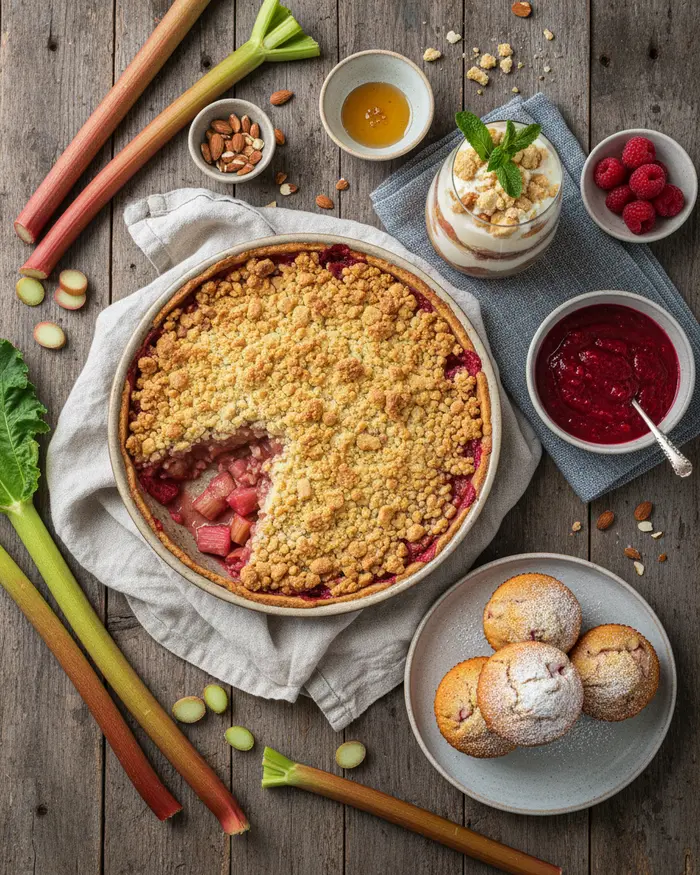
Now you have everything you need to dive into the wonderful world of fresh rhubarb recipes. Whether you start with simple bars that come together in under an hour or challenge yourself with an elaborate layer cake, you are about to discover why bakers wait all year for rhubarb season.
Each recipe is an opportunity to capture that perfect balance of tart and sweet that makes this ingredient so incredibly special.
Save this guide so you can reference it throughout the season as you explore different homemade rhubarb recipes. Pin your favorites to Pinterest so you never lose track of the recipes that become family favorites. And when you pull that first pan of rhubarb bars from the oven or slice into a beautiful cake studded with rosy fruit, take a moment to appreciate the simple magic of seasonal baking.
Which category of easy rhubarb recipes will you try first? Are you drawn to the portable convenience of bars and cookies, or does the show-stopping beauty of a rhubarb cake call your name? Grab those gorgeous stalks and let your baking adventure begin!
Frequently Asked Questions
What parts of rhubarb are safe to eat?
Only the stalks of rhubarb are edible and safe to consume. The leaves contain high levels of oxalic acid and are toxic, so they must always be removed and discarded. When preparing rhubarb, cut off the leaves where they meet the stalk and trim the base. The stalks can be eaten raw but are typically cooked with sugar in desserts and preserves.
Do I need to peel rhubarb before cooking?
Peeling rhubarb is not necessary for most recipes. The skin is edible and softens during cooking. However, if you have thick, older stalks with tough, stringy skin, you may want to peel them for better texture. Young, tender stalks can be used as-is after washing and trimming the ends.
How much sugar should I add to rhubarb recipes?
Rhubarb is very tart, so most recipes require significant sugar. A general guideline is three-quarters to one cup of sugar per pound of rhubarb, depending on your taste preference and the recipe. For pies and crisps, use about one cup of sugar. You can reduce sugar by pairing rhubarb with sweet fruits like strawberries or apples.
Can I freeze rhubarb for later use?
Yes, rhubarb freezes exceptionally well. Wash and cut the stalks into one-inch pieces, then spread on a baking sheet to freeze individually before transferring to freezer bags. This prevents clumping. Frozen rhubarb lasts up to one year and can be used directly in recipes without thawing, though it may release more liquid.
What flavors pair well with rhubarb?
Rhubarb pairs beautifully with strawberries, the most classic combination. Other complementary flavors include ginger, orange, vanilla, cinnamon, and cardamom. Fruits like apples, raspberries, and cherries also work well. For savory applications, rhubarb complements pork, duck, and rich meats, balanced with onions or balsamic vinegar.