Side Dishes
I still remember the first time I realized that side dishes weren’t just filler on the plate. My grandmother was hosting Sunday dinner, and she’d made her famou
Discover everything you need to know about side dishes, from classic potato recipes to fresh vegetable creations. This complete guide covers techniques, seasonal tips, and links to our comprehensive recipe collections.
Table of Contents
I still remember the first time I realized that side dishes weren’t just filler on the plate. My grandmother was hosting Sunday dinner, and she’d made her famous roasted potatoes with rosemary. The main course was lovely, but those potatoes? They stole the show.
Everyone went back for seconds, and suddenly I understood what she’d been telling me for years: a great side dish doesn’t just accompany a meal, it transforms the entire dining experience into something memorable.
Side dishes are the unsung heroes of home cooking. They round out your plate with color, texture, and flavors that complement your main course perfectly. Whether you’re planning a weeknight dinner or hosting a holiday feast, the right side dish recipes can turn a simple meal into something special.
Over the years, I’ve discovered that mastering a repertoire of reliable side dishes makes meal planning so much easier and more enjoyable.
What I love most about creating side dishes is how they allow you to bring seasonal vegetables to the table in exciting ways. A perfectly roasted vegetable or a creamy potato dish can make even the simplest grilled chicken feel like a celebration.
The secret is understanding which techniques work best for different ingredients and occasions, and that’s exactly what this guide will help you discover.
The Quick Guide
Here’s what you need to know about creating perfect side dishes for any meal:
- Balance is key: Choose side dishes that complement your main course in flavor, texture, and color without overwhelming the plate
- Timing matters: Select recipes that work with your schedule, whether you need quick weeknight options or make-ahead dishes for entertaining
- Variety creates interest: Mix up your sides with different cooking methods like roasting, sautéing, and steaming throughout the week
- Seasonal ingredients shine: Fresh, in-season vegetables always deliver the best flavor and texture in easy side dishes
- Technique over complexity: Simple preparations with proper technique often outshine complicated recipes every time
What Makes Side Dishes Essential
Side dishes serve a crucial role in creating balanced, satisfying meals. They add nutritional variety to your plate, bringing vegetables, whole grains, and diverse flavors that round out the main protein. A well-chosen side transforms a plain piece of meat or fish into a complete dining experience that feels thoughtful and nourishing.
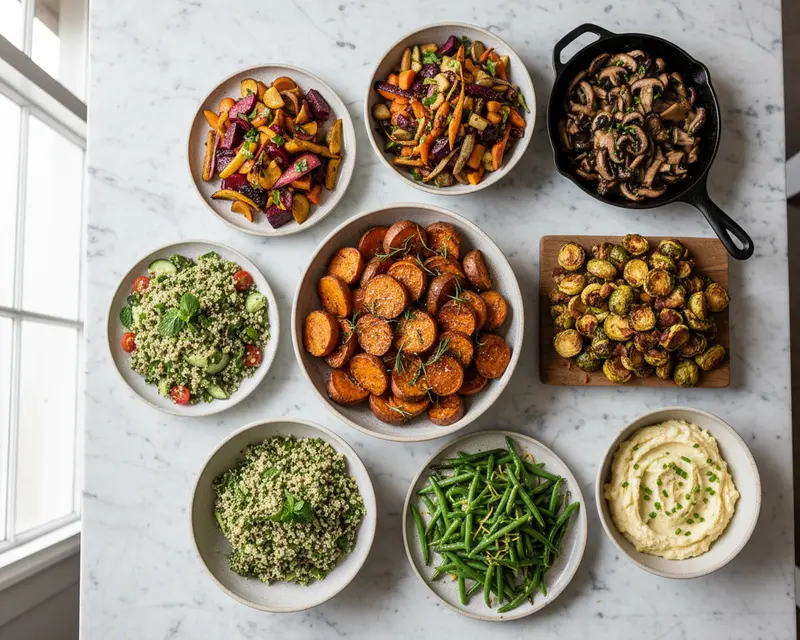
The beauty of side dish recipes lies in their versatility. You can dress them up for special occasions with elegant presentations and gourmet touches, or keep things simple for busy weeknights with minimal prep and hands-off cooking. The same basic vegetable can become a quick sauté on Monday and a show-stopping roasted dish on Saturday, depending on how you approach it.
What defines a truly great side dish is how well it complements without competing. It should enhance the flavors of your main course while standing delicious on its own. The texture should provide contrast, whether that’s creamy potatoes alongside crispy chicken or tender vegetables next to a juicy steak.
Color matters too, because we eat with our eyes first, and a vibrant side makes the whole plate more appealing.
Potato Side Dishes
Potatoes are the ultimate comfort food foundation, transforming into countless delicious preparations from crispy roasted wedges to creamy mashed perfection. Our complete guide to potato side dishes covers everything from quick weeknight options to impressive holiday presentations that’ll have everyone asking for the recipe.
These recipes work beautifully year-round and pair with virtually any main course you can imagine. Whether you’re craving something rustic and hearty or light and herb-infused, potato dishes deliver reliable satisfaction.
They’re perfect for cooks of all skill levels, from beginners mastering basic roasting techniques to experienced home chefs experimenting with compound butters and creative seasonings.
Vegetable Side Dishes
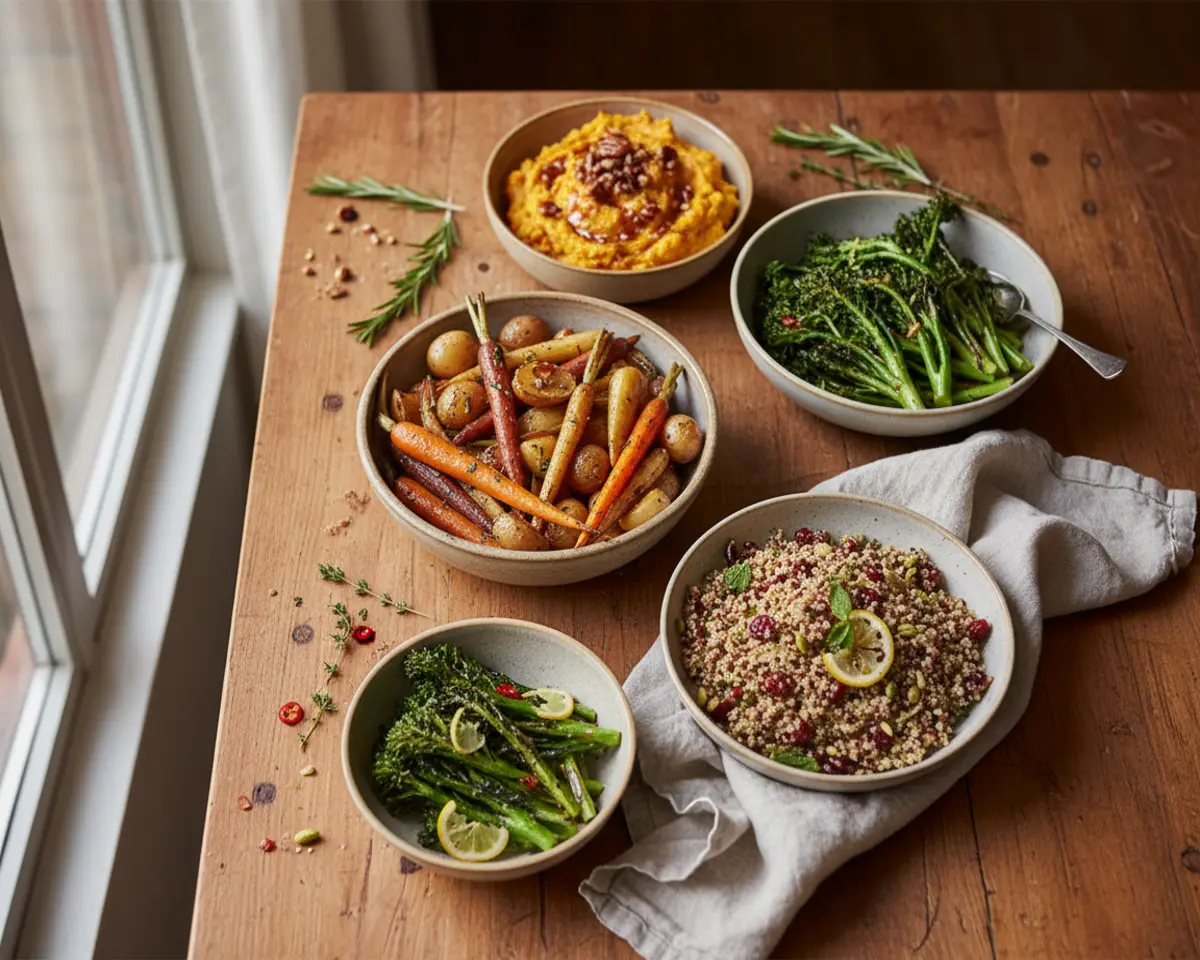
Fresh vegetables shine brightest when prepared with simple techniques that enhance their natural flavors and textures. Explore our comprehensive collection of vegetable side dishes featuring seasonal favorites prepared through roasting, sautéing, and steaming methods that bring out the best in every ingredient.
These healthy side dishes adapt beautifully to whatever’s fresh at your local market, making them ideal for meal planning throughout the changing seasons. From quick sautés that come together in minutes to slow-roasted preparations that develop deep caramelized flavors, vegetable sides offer endless variety.
They’re especially perfect when you want to add color, nutrition, and fresh flavors to your dinner plate without spending hours in the kitchen.
Broccoli Sides
Broccoli deserves its own spotlight as one of the most versatile and nutritious vegetables you can serve alongside any meal. Our dedicated broccoli sides collection shows you how to transform this humble vegetable into everything from crispy roasted florets to creamy, cheesy casseroles that even picky eaters request.
These recipes range from super simple preparations perfect for busy weeknights to more elaborate dishes suitable for holiday tables. Broccoli pairs wonderfully with bold flavors like garlic, lemon, and parmesan, while its sturdy texture holds up beautifully to various cooking methods.
Whether you prefer it tender-crisp or soft and comforting, you’ll find approaches that match your preferences and complement your main courses perfectly.
Expert Category Guide
Essential Techniques
Mastering a few core cooking methods will transform how you approach side dishes and dramatically improve your results. Roasting brings out natural sweetness through caramelization, creating crispy edges and tender interiors that make vegetables irresistible.
This high-heat method works beautifully for root vegetables, cruciferous options, and even delicate items like asparagus when timed correctly.
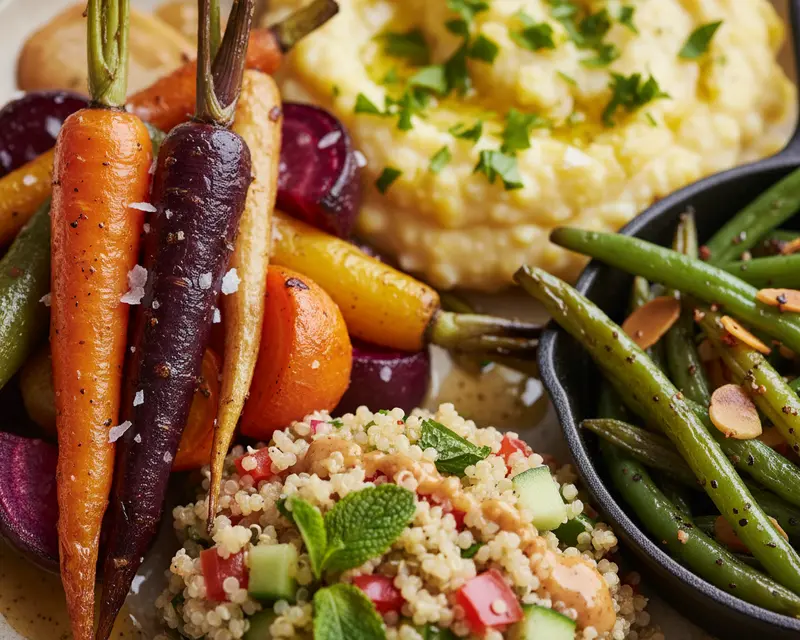
Sautéing offers speed and control, perfect for quick weeknight side dishes that need to come together fast. Using medium-high heat with a quality fat creates beautiful browning while maintaining texture. This technique shines with green vegetables, mushrooms, and thinly sliced potatoes that benefit from direct heat contact and constant movement in the pan.
Steaming preserves nutrients and natural colors better than any other method, making it ideal for healthy side dishes where you want vegetables to retain their vibrant appearance. The gentle heat cooks evenly without adding fat, creating a clean canvas for finishing with butter, olive oil, or flavorful sauces.
It’s particularly effective for broccoli, green beans, and carrots that you plan to serve simply seasoned.
Braising combines the best of moist and dry heat, starting with a quick sear before adding liquid for gentle cooking. This method develops complex flavors while tenderizing tougher vegetables like cabbage or Brussels sprouts. The resulting dish feels more substantial and works wonderfully when you want side dishes that can hold on a buffet or be made ahead and reheated.
Ingredient Spotlight
Fresh herbs transform ordinary side dishes into something restaurant-worthy with minimal effort and cost. Rosemary and thyme pair beautifully with roasted potatoes and root vegetables, while basil and parsley brighten sautéed summer produce. Keep dried herbs on hand for convenience, but remember that fresh versions deliver brighter, more complex flavors worth the extra trip to the store.
Quality fats make an enormous difference in how your side dish recipes turn out. Extra virgin olive oil adds fruity depth to roasted vegetables, while butter creates richness in mashed potatoes and sautéed greens. Don’t shy away from using enough fat during cooking, as it carries flavor, promotes browning, and helps achieve that perfect texture everyone loves.
Garlic and onions form the aromatic foundation for countless easy side dishes across different cuisines. Fresh garlic minced and added near the end of cooking delivers punchy flavor, while whole cloves roasted alongside vegetables become sweet and mellow. Onions provide depth whether caramelized slowly for sweetness or sautéed quickly for a sharper bite that balances richer main courses.
Acid brightens and balances side dishes in ways that salt alone can’t achieve. A squeeze of fresh lemon juice right before serving wakes up roasted vegetables, while a splash of vinegar cuts through the richness of creamy potato preparations. This finishing touch makes the difference between a good side and one that has everyone reaching for seconds.
Seasonal Considerations
Spring brings tender vegetables like asparagus, peas, and young potatoes that shine with minimal preparation. These delicate ingredients need lighter cooking methods and gentle seasonings that don’t overwhelm their fresh flavors. Quick sautés with butter and herbs or simple roasting with olive oil and lemon showcase spring produce at its best, creating side dishes that feel light and celebratory.
Summer offers an abundance of vegetables that thrive with high-heat cooking methods. Zucchini, bell peppers, and tomatoes develop concentrated sweetness when roasted or grilled, while corn and green beans need just minutes of cooking to reach perfect tender-crisp texture.
These healthy side dishes pair beautifully with grilled main courses and outdoor dining, bringing vibrant colors and fresh flavors to warm-weather meals.
Fall welcomes heartier preparations featuring root vegetables and cruciferous options that love slow roasting. Brussels sprouts, carrots, and sweet potatoes become deeply caramelized and satisfying when given time in a hot oven. These side dishes match the comfort food mood of cooler weather, providing warmth and substance that complement braised meats and roasted poultry perfectly.
Winter calls for side dish recipes that feel nourishing and substantial without being heavy. Roasted broccoli, mashed potatoes, and braised cabbage deliver comfort while still incorporating vegetables into cold-weather meals. Make-ahead friendly preparations shine during this busy season, allowing you to prep side dishes in advance for holiday gatherings and weeknight dinners alike.
Skill Level Guide
Beginning cooks should start with simple roasted vegetable preparations that require minimal technique and deliver reliable results. Choose sturdy vegetables like potatoes, carrots, and broccoli that are forgiving about timing and temperature.
Basic seasonings of salt, pepper, and olive oil teach fundamental principles of seasoning and how ingredients transform with heat, building confidence for more complex recipes.
Intermediate home cooks can explore sautéing techniques that require more attention to timing and heat management. Dishes featuring multiple vegetables with different cooking times challenge you to coordinate elements while developing layers of flavor.
This skill level includes working with compound butters, creating simple pan sauces, and understanding how to balance textures across different ingredients on the same plate.
Advanced preparations involve techniques like braising, blind baking for potato gratins, and creating restaurant-style presentations with precise cuts and artistic plating. These side dishes often require multiple steps, careful timing, and attention to detail that results in show-stopping results.
They’re perfect for special occasions when you want to impress guests with dishes that demonstrate serious cooking skills alongside delicious flavors.
Progressing through skill levels with side dishes provides low-stakes opportunities to practice new techniques before applying them to expensive main ingredients. Each successful dish builds your confidence and expands your repertoire, making meal planning easier and more creative over time.
The journey from basic roasted vegetables to complex multi-component sides mirrors your growth as a home cook.
Storage and Make-Ahead Tips
Most roasted vegetable side dishes reheat beautifully when stored properly in airtight containers for up to four days. Spread them in a single layer on a baking sheet and reheat in a hot oven rather than the microwave to restore some of their original texture. This approach works wonderfully for meal prep, allowing you to roast large batches on weekends for quick weeknight reheating.
Potato side dishes vary in how well they hold, with roasted and sautéed preparations faring better than mashed versions. Store cooked potatoes separately from sauces or gravies to prevent sogginess, then combine when reheating. Most potato dishes taste best within two days of cooking, though properly stored roasted potatoes maintain decent texture for up to four days in the refrigerator.
Blanching vegetables ahead of time is a game-changing technique for entertaining and holiday meal preparation. Cook vegetables until just tender-crisp, shock in ice water to stop cooking, then drain and store refrigerated. On serving day, you simply need to finish them quickly in butter or oil, reducing last-minute kitchen chaos while ensuring perfectly cooked side dishes.
Some healthy side dishes actually improve when made ahead as flavors meld and develop overnight. Marinated vegetables, cold salads, and braised preparations often taste better the next day. Plan your menu strategically by preparing these dishes in advance, leaving oven space and stovetop burners free for last-minute preparations and items that must be served immediately.
Comparison and Selection Guide
Choose potato side dishes when you want something hearty and satisfying that feels like comfort food. These recipes work beautifully with lighter main courses like fish or chicken, where their richness and substance balance the plate. They’re ideal for cooler weather, holiday gatherings, and anytime you need a crowd-pleasing option that appeals to picky eaters and adventurous diners alike.
Select vegetable side dishes when you want to emphasize seasonal freshness and lighter preparations. These options shine alongside heavier main courses like steak or pork, where their brightness and varied textures provide essential contrast.
They’re perfect for warm weather dining, health-focused meals, and situations where you want colorful, nutritious sides that don’t overwhelm the plate with richness.
Pick broccoli sides when you need a reliable vegetable that works year-round and appeals to most diners. These preparations offer the nutritional benefits of vegetables in formats ranging from simple to indulgent, making them adaptable to different occasions.
Choose broccoli for family dinners where you want something healthy but approachable, or when your main course needs a substantial green vegetable that holds up to bold flavors.
Consider timing and skill level when selecting from different categories. Potato side dishes often require longer cooking times but minimal active work, while vegetable preparations cook quickly but need more hands-on attention. Match your choice to your available time, with make-ahead potato options for busy days and quick-cooking vegetable sautés when you want dinner on the table fast.
Think about dietary needs and restrictions within your group. Vegetable side dishes naturally accommodate various eating styles and can be easily modified for specific diets. Potato preparations range from indulgent to healthful depending on preparation method. Having options from multiple categories ensures everyone finds something they can enjoy without requiring separate special preparations.
Start Creating Your Perfect Side Dishes
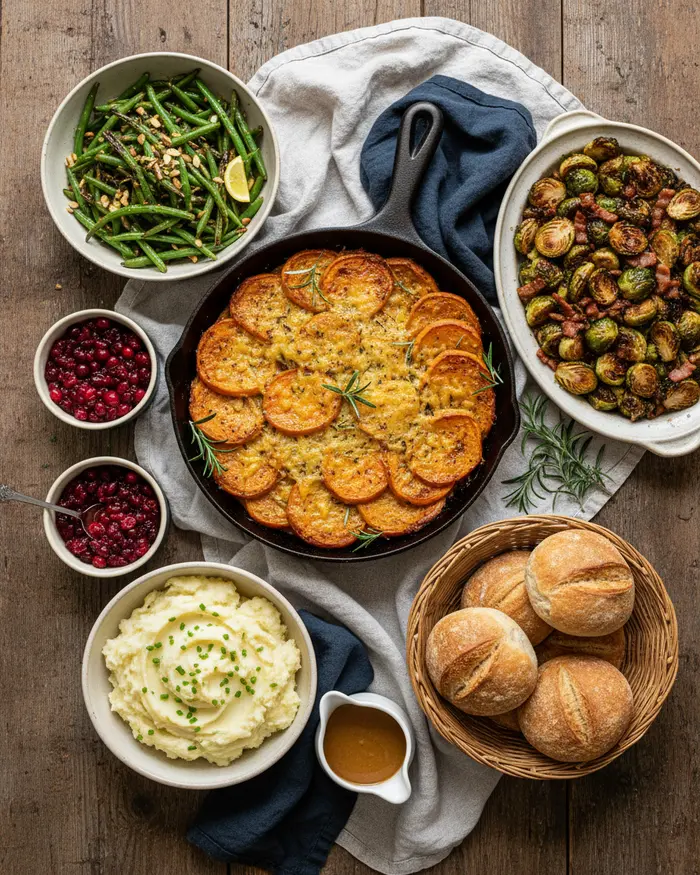
Now you have a complete roadmap for creating side dishes that turn everyday meals into memorable dining experiences. Whether you’re drawn to comforting potato preparations, fresh vegetable creations, or reliable broccoli sides, each category offers techniques and recipes that’ll serve you well for years to come.
The secret is starting with one category that excites you most and building your confidence from there.
Bookmark this guide and return whenever you need inspiration for rounding out your meal planning. Each linked collection offers detailed recipes with step-by-step instructions that take the guesswork out of creating delicious side dishes.
Share this resource on Pinterest so your friends can discover these comprehensive collections too, and everyone benefits from easier meal planning with better results.
What type of side dish will you explore first? Drop a comment and let me know whether you’re team potato, vegetable, or broccoli. I love hearing which recipes catch your eye and what you’re planning to serve them alongside. Happy cooking, and here’s to plates that look as good as they taste!
Frequently Asked Questions
What are the most popular side dishes to serve with dinner?
The most popular side dishes include mashed potatoes, roasted vegetables, rice pilaf, green salad, coleslaw, and dinner rolls. These versatile options complement a wide variety of main courses from chicken and beef to fish and vegetarian entrees. Many people also enjoy seasonal sides like grilled corn in summer or butternut squash in fall.
How many side dishes should I serve with a meal?
For a casual family dinner, one or two side dishes are typically sufficient alongside your main course. For special occasions or holiday meals, three to four sides work well to provide variety. Consider including different food groups such as a vegetable, a starch, and a salad to create a balanced and satisfying meal.
Can side dishes be prepared in advance?
Many side dishes can be prepared ahead of time to save effort on the day of serving. Casseroles, potato dishes, and slaws often taste better when made a day early. Roasted vegetables can be prepped and stored, then reheated before serving. Salads should be assembled close to mealtime, but components can be prepped in advance.
What are some healthy side dish options?
Healthy side dishes include steamed or roasted vegetables like broccoli, green beans, and Brussels sprouts. Quinoa salad, sweet potato wedges, mixed greens with vinaigrette, and grilled asparagus are nutritious choices. Brown rice, cauliflower rice, and sauteed spinach also provide vitamins and fiber while keeping calories in check.
How do I choose side dishes that complement my main course?
Consider flavor profiles and textures when pairing sides with your main dish. Rich, heavy entrees pair well with lighter sides like salads or steamed vegetables. Grilled meats match nicely with starchy sides and fresh vegetables. Aim for variety in colors, cooking methods, and temperatures to create an appealing and balanced plate.