Fluffy Rava Dhokla
This easy Rava Dhokla recipe is soft, spongy, and steamed to perfection in under 30 minutes — no fermentation needed! Made with semolina and sour curd, it’s a healthy, light snack the whole family will love.
Okay, real talk — the first time I made rava dhokla, I was genuinely shocked at how fast it came together. No overnight soaking, no fancy equipment, just a bowl, a steamer, and a little magic packet of ENO. It’s become my go-to when I need something healthy on the table fast, and trust me, even picky kids devour these little squares like they’re candy.
If you’ve been craving a light, guilt-free snack that’s bursting with flavor, this rava dhokla recipe is about to become your new best friend. It fits perfectly into healthy breakfast bakes kind of mornings or lazy weekend snacking sessions alike.
Table of Contents
Why You’ll Love This Rava Dhokla
This is the kind of snack that checks every box — it’s soft and pillowy, subtly tangy from the sour curd, lightly spiced, and finished with a sizzling tempering that fills your whole kitchen with the most irresistible aroma. It’s one of those sour curd recipes that actually makes you glad you let that yogurt sit a little too long in the fridge.
No fermentation. No long prep. It goes from mixing bowl to steamer to your plate in about 35 minutes total. And it’s genuinely one of the best kids recipes healthy enough for a lunchbox but delicious enough that adults keep sneaking pieces too.
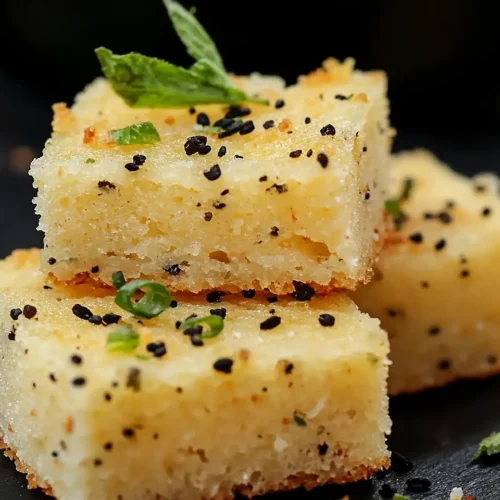
The texture is everything here — light, spongy, and almost melt-in-your-mouth. The mustard seed tempering poured on top gives it this gorgeous glossy finish and an earthy, nutty kick that takes it from “pretty good” to “okay I need five more of these.”
Ingredients
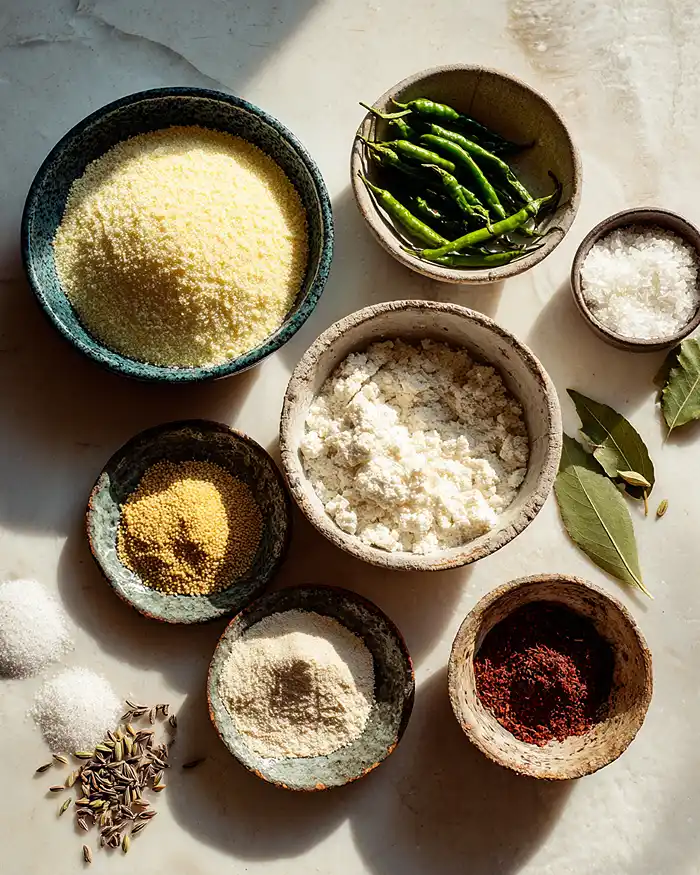
| Category | Ingredient | Amount |
|---|---|---|
| Batter | Rava (suji / semolina) | 1 cup (190g) |
| Sour curd (plain yogurt) | 1 cup (250g) | |
| Water | ½ cup | |
| Finely chopped green chili | 1 teaspoon | |
| Grated ginger | ½ teaspoon | |
| Salt | 1 teaspoon (or to taste) | |
| Red chili powder | ¼ teaspoon | |
| ENO fruit salt | 1½ teaspoons | |
| Tempering | Oil | 1 tablespoon |
| Mustard seeds | 1 teaspoon | |
| Cumin seeds | ½ teaspoon | |
| Curry leaves | 7 leaves | |
| Green chili | 1 whole | |
| Hing (asafoetida) | ¼ teaspoon | |
| To Serve | Chopped cilantro | For garnish |
| Green mint chutney | For serving |
How to Make Rava Dhokla – Step-by-Step
Step 1: Start the Batter (and the Steamer)
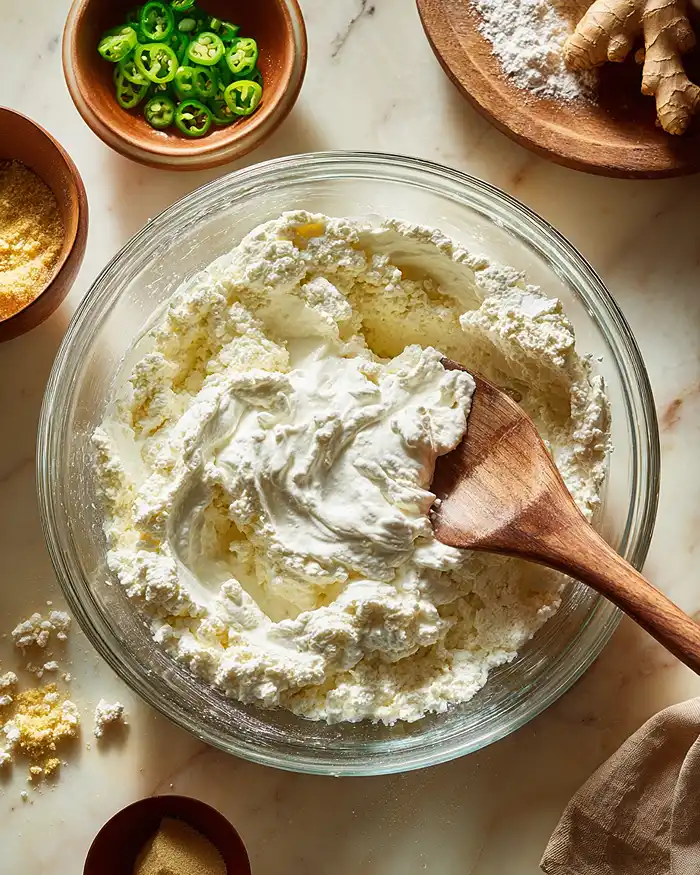
In a large mixing bowl, combine your rava (semolina) and sour curd and give it a good stir until everything is incorporated. Cover the bowl with a plate or plastic wrap and let it rest for 15 minutes. This little rest period lets the rava absorb all that tangy curd goodness and softens it up beautifully.
While that’s happening, add 3 cups of water to your steamer pot and get it heating up. You want the water at a rolling boil by the time your batter is ready. Also go ahead and grease your steaming pan with a light coating of oil — I use a 9-inch round pan, but any oven-safe bowl or plate with at least 2–3 inches of depth works great.
💡 Pro Tip: If you’re using a smaller pan, split the batter between two pans. The dhokla puffs up quite a bit during steaming, so only fill your pan halfway. A pan that’s too small = a very dramatic overflow situation.
Step 2: Build the Batter
Once your 15 minutes are up, add the grated ginger, chopped green chili, salt, and water to the rava-curd mixture. Stir it all together until you have a smooth, pourable batter. It should be thick but not stiff — think pancake batter consistency.
At this point, taste and adjust salt if needed. This is your last chance before the ENO goes in, so make it count!
Step 3: The ENO Step — Move Fast!
This is the most important step in the whole recipe, so read it carefully before you do it. Sprinkle the ENO evenly over the batter and gently stir it in one direction — don’t go crazy with it. You’ll notice the batter immediately start to foam up and increase in volume. That’s exactly what you want. Those tiny bubbles are what give rava dhokla its signature fluffy, spongy texture.
Do not over-mix. A few gentle folds are all you need. The moment you see that frothy, bubbly batter, move on immediately — the clock is ticking!
💡 Note: The faster you get the batter into the steamer after adding ENO, the fluffier your dhokla will be. Over-mixing or delaying will deflate those precious bubbles and you’ll end up with a denser result.
Step 4: Steam It Up
Quickly pour the frothy batter into your greased pan and spread it into an even layer. Sprinkle a pinch of red chili powder over the top for a little color and heat — it looks gorgeous against that pale yellow batter. Place a trivet at the bottom of your steamer, set the pan on top, cover tightly, and steam on medium heat for about 15 minutes.
You’ll know it’s done when a toothpick or knife inserted into the center comes out clean. The top should look set and slightly glossy. Keep in mind that steaming time can vary a few minutes depending on the size of your pan and how thick your layer of batter is — just keep an eye on it after the 12-minute mark.
Step 5: Make the Tempering
While the dhokla is steaming away, get your tempering ready. Heat a tablespoon of oil in a small pan over medium heat. Once it shimmers, add the mustard seeds and cumin seeds and let them pop and sizzle for a few seconds — that crackling sound is literally music to your ears if you love Indian cooking.
Add the whole green chili, curry leaves, and hing. The curry leaves will crackle and sputter (stand back a little — this is the exciting part), and the hing will release that incredible savory aroma. Let it sauté for about 30 seconds, then turn off the heat. Your tempering is ready.
Step 6: Finish and Serve
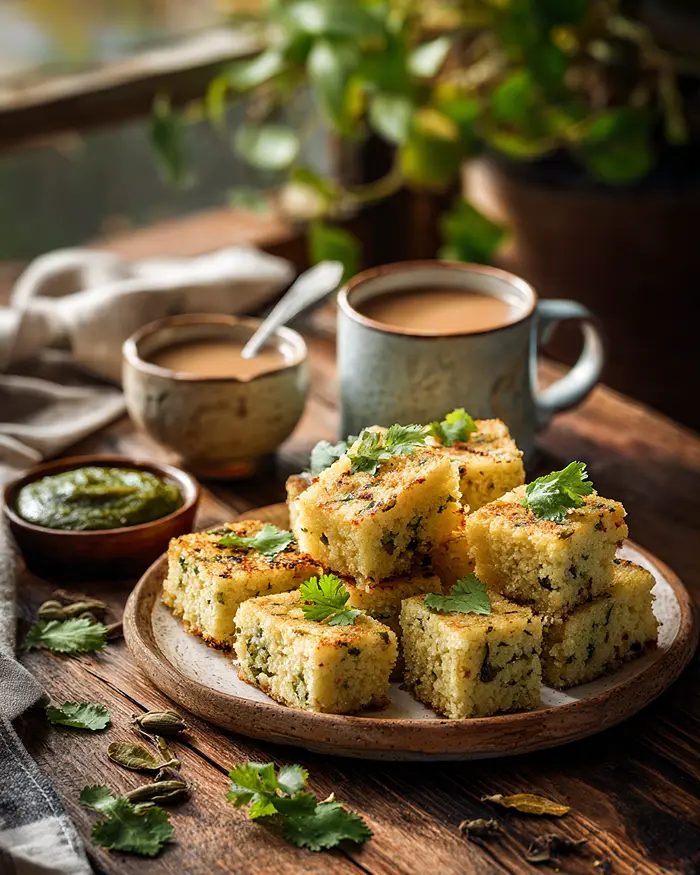
Take the dhokla pan out of the steamer and let it cool for just a minute or two. Pour the warm tempering evenly over the top — it’ll seep into the dhokla and make it incredibly moist and flavorful. Then cut it into small squares (or diamonds if you’re feeling fancy) using a sharp knife.
Garnish generously with chopped cilantro and serve with a bright green mint chutney on the side and a hot cup of garam masala chai. This combo is honestly non-negotiable. It’s like a warm hug in snack form.
Expert Tips for Perfect Rava Dhokla Every Time
Use Genuinely Sour Curd
The tanginess of the curd is what gives this rava dhokla recipe its signature flavor. Fresh yogurt just doesn’t cut it — you want curd that’s been sitting in the fridge for a day or two. It’s one of the best sour curd recipes out there for using up yogurt that’s past its prime. Don’t toss it — make dhokla!
Don’t Skip the Resting Time
That 15-minute rest after mixing the rava and curd is doing important work. The semolina absorbs the moisture from the yogurt and softens, which means a smoother batter and a more tender final texture. Skipping it means you might end up with slightly grainy dhokla, and nobody wants that.
Get Your Steamer Really Hot
Make sure the water in your steamer is at a full boil before you put the batter in. Placing it in a cold or lukewarm steamer will slow the cooking and can affect the rise. You want that steam working hard from the very first second.
Variations to Try
Want to switch things up? You can add finely grated carrots or spinach to the batter for a colorful, veggie-packed version — great for picky eaters and sneaky nutrition. For a milder version that works beautifully as kids recipes healthy enough for toddlers, just reduce or skip the green chili entirely.
Love cheese? A sprinkle of grated paneer or mozzarella on top right before steaming adds a creamy twist that my family absolutely adores. It’s a fun fusion take that pairs wonderfully alongside other cheesy comfort food favorites.
Troubleshooting
Dhokla is dense or didn’t rise? This is almost always an ENO issue. Either the ENO was expired, you over-mixed after adding it, or you waited too long to get it into the steamer. Fresh ENO + gentle mixing + moving fast = fluffy dhokla, every time.
Sticking to the pan? Make sure you grease the pan really well before adding the batter. I like to use oil-soaked paper towel to coat every corner, including the sides. If it does stick a little, let it cool fully before attempting to cut — it releases more easily once it’s not piping hot.
Too wet in the center? Just put the lid back on and steam for another 3–5 minutes. Every steamer runs a little differently, and thicker layers naturally take longer. The toothpick test is your best friend here.
Storage & Make-Ahead Tips
| Storage Method | How Long | Notes |
|---|---|---|
| Room temperature | Up to 6 hours | Keep covered, away from direct sunlight |
| Refrigerator | 2–3 days | Store in an airtight container |
| Freezer | Up to 1 month | Freeze in a single layer, then bag |
Reheating: The best way to reheat rava dhokla is to steam it again for 3–4 minutes — this brings back that soft, fluffy texture perfectly. Microwaving works in a pinch (cover with a damp paper towel and heat for 30–45 seconds), but steaming is hands-down better. Avoid reheating in an oven or air fryer — it dries out quickly and loses that signature softness.
No-waste ideas: Got leftover dhokla from the day before? Crumble it up and toss it with a little oil, mustard seeds, and fresh veggies for a quick “dhokla poha” style snack. You can also pan-fry leftover pieces in a tiny bit of oil until lightly crispy for a totally different — and honestly addictive — texture. Sort of like how leftover focaccia gets better as pan-fried croutons.
Nutritional Information
Per serving (approx. 2 pieces out of 20 total). Values are estimates.
| Nutrient | Amount per Serving |
|---|---|
| Calories | ~65 kcal |
| Carbohydrates | ~10g |
| Protein | ~2.5g |
| Fat | ~1.5g |
| Fiber | ~0.5g |
| Sodium | ~120mg |
Rava dhokla is a naturally light, low-fat snack — one of the reasons it makes such a great addition to kids recipes healthy meal planning. It’s steamed (not fried!), protein-rich from the curd, and easy on the stomach. It’s the kind of snack you can actually feel good about offering at 4pm without worrying about ruining dinner.
Frequently Asked Questions
Can I make rava dhokla without ENO?
You can, but ENO is really what gives this rava dhokla its signature fluffy, spongy rise without any fermentation time. If you don’t have it, you can substitute with a mix of ¼ teaspoon baking soda and ½ teaspoon lemon juice or citric acid — stir it in the same way and move fast.
The result will be similar, though ENO tends to give a slightly more even and reliable puff.
What if my curd isn’t sour?
The sourness of the curd is key to the flavor profile of this rava dhokla recipe. If your yogurt is fresh and mild, add a teaspoon of lemon juice or a tiny pinch of citric acid to the batter to mimic that tang. Some people also mix in a small spoon of buttermilk for extra sourness.
It won’t be quite the same as a proper sour curd recipe, but it’s a solid workaround.
Is rava dhokla good for kids?
Absolutely — it’s one of those kids recipes healthy enough for everyday snacking. It’s steamed, light, mildly spiced, and full of protein from the yogurt and complex carbs from the semolina. Just reduce or skip the green chili for younger kids and it becomes a totally kid-friendly, lunchbox-ready snack.
My kids ask for it on rotation.
Can I make this ahead of time for a party?
Yes! Rava dhokla actually holds up really well. Steam it, let it cool fully, and store it in an airtight container in the fridge for up to 2 days. When you’re ready to serve, re-steam the pieces for a few minutes to revive that soft texture, then add a fresh round of warm tempering right before serving. It’s a great low-stress party snack alongside other crowd-pleasers — kind of like how chocolate filled croissant rolls disappear at every gathering.
What can I serve with rava dhokla?
The classic pairing is green mint chutney — the bright, herby freshness cuts through the mild tang of the dhokla beautifully. Tamarind chutney is also a popular choice if you like a sweeter, more complex dip. A hot cup of masala chai on the side turns this into a full Indian teatime spread, and honestly,
once you try that combo, you’ll understand why it’s been a beloved snack across generations.
If this recipe made your day, you’re in for a treat. The full Weeknight Dinner Recipes guide is filled with tried-and-true favorites that real home cooks swear by. Trust me, you won’t be able to pick just one.
Let’s Get Steaming!
There you have it — soft, fluffy, perfectly tempered rava dhokla ready in about 35 minutes with zero fermentation and zero stress. Whether you’re making it as an after-school snack, a party appetizer, or just because you have a cup of sour curd sitting in your fridge begging to be used, this recipe delivers every single time.
Give it a try this week and let me know how it goes in the comments below! I’d love to hear if you tried any fun variations. And if you made it and loved it, please share it on Pinterest — it truly helps others discover this gem of a recipe. Happy steaming!
Fluffy Rava Dhokla
Equipment
- Steamer or large pot with lid
- 9-inch round steaming pan or oven-safe bowl
- Trivet
- Mixing bowl
- Small pan (for tempering)
- Toothpick or knife (for doneness test)
Ingredients
Batter
- 1 cup Rava (suji / semolina) 190g
- 1 cup Sour curd (plain yogurt) 250g — use curd that has been in the fridge 1–2 days for best tang
- ½ cup Water
- 1 tsp Green chili finely chopped
- ½ tsp Ginger grated
- 1 tsp Salt or to taste
- ¼ tsp Red chili powder for sprinkling on top before steaming
- 1 ½ tsp ENO fruit salt must be fresh for best rise
Tempering
- 1 tbsp Oil
- 1 tsp Mustard seeds
- ½ tsp Cumin seeds
- 7 Curry leaves
- 1 Green chili whole
- ¼ tsp Hing (asafoetida)
To Serve
- Chopped cilantro for garnish
- Green mint chutney for serving
Instructions
- In a large mixing bowl, combine the rava (semolina) and sour curd and stir until fully incorporated. Cover the bowl with a plate or plastic wrap and let it rest for 15 minutes. This rest allows the semolina to absorb the curd and soften for a smooth batter.
- While the batter rests, add 3 cups of water to your steamer pot and bring it to a boil over medium-high heat. Grease your steaming pan (a 9-inch round pan works great) with oil and set aside. If using a smaller pan, prepare two pans — only fill each halfway as the dhokla puffs up significantly during steaming.
- Once the 15 minutes are up, add the grated ginger, chopped green chili, salt, and water to the rested rava-curd mixture. Stir everything together until you have a smooth, pourable batter with a consistency similar to pancake batter. Taste and adjust salt as needed — this is your last chance before the ENO goes in!
- Sprinkle the ENO fruit salt evenly over the batter and gently stir in one direction only. The batter will immediately start to foam and increase in volume — those bubbles are what create the fluffy texture. Do not over-mix. A few gentle folds are all you need. Move to the next step immediately.
- Quickly pour the frothy batter into the greased pan and spread into an even layer. Sprinkle a pinch of red chili powder over the top. Place a trivet at the bottom of your steamer, set the pan on the trivet, cover tightly with a lid, and steam on medium heat for about 15 minutes. The dhokla is done when a toothpick inserted in the center comes out clean.
- While the dhokla steams, prepare the tempering. Heat the oil in a small pan over medium heat. Add the mustard seeds and cumin seeds and let them pop and sizzle. Then add the whole green chili, curry leaves, and hing. Sauté for about 30 seconds until fragrant, then turn off the heat.
- Remove the dhokla pan from the steamer and let it cool for 1–2 minutes. Pour the warm tempering evenly over the top so it seeps into the dhokla. Cut into small square or diamond pieces using a sharp knife. Garnish with chopped cilantro and serve immediately with green mint chutney and a cup of masala chai.