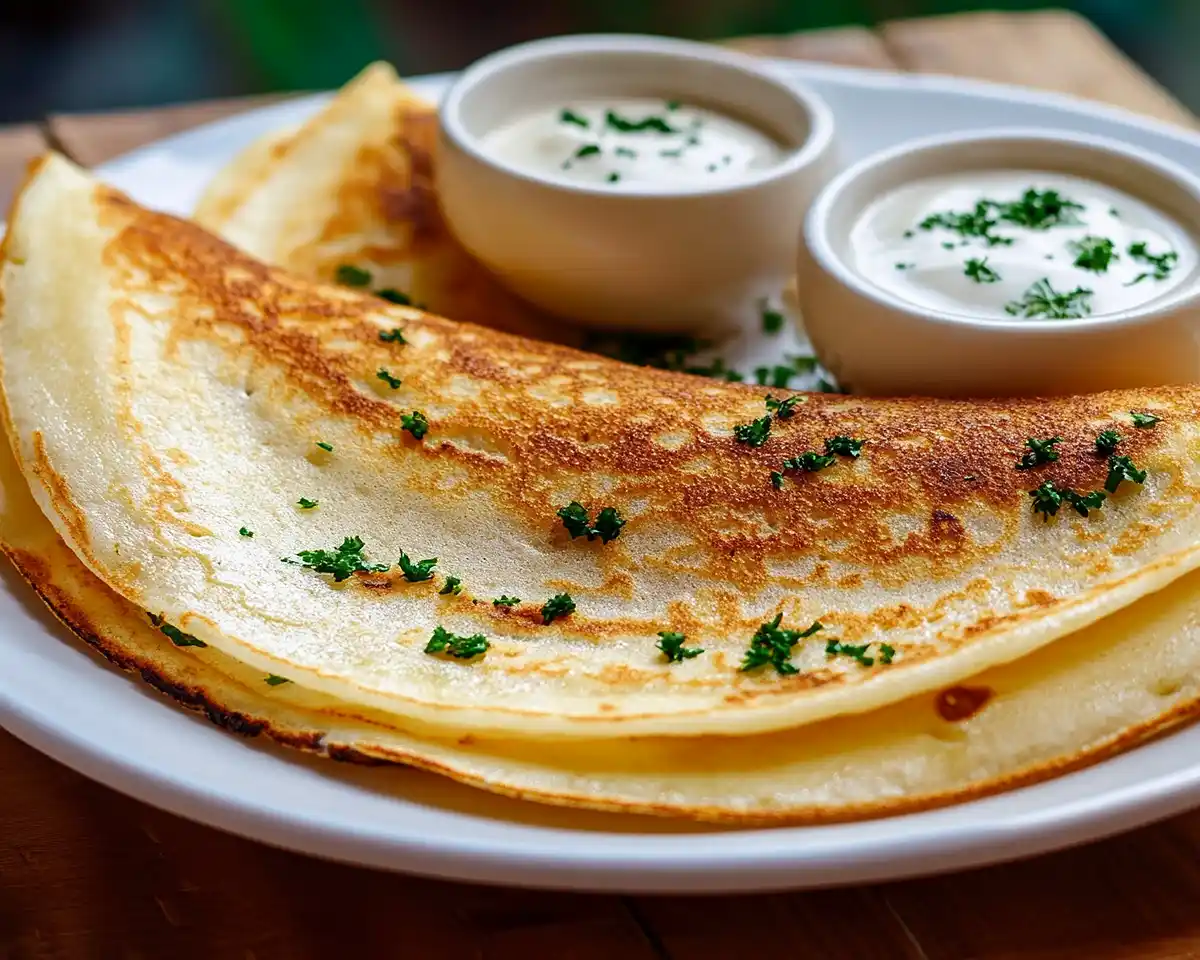
Instant Sponge Dosa Recipe
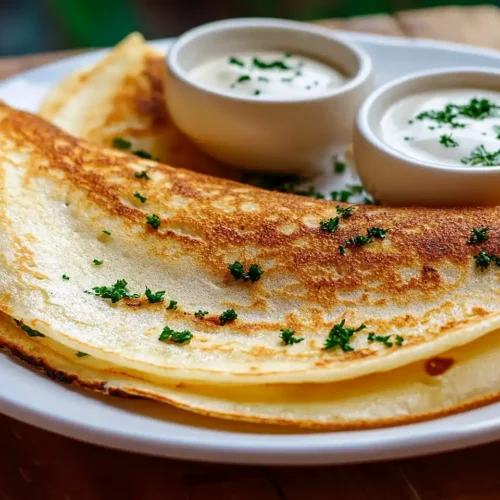
Craving crispy dosa but don’t have fermented batter? This Instant Sponge Dosa Recipe (2-Minute Dosa Batter) delivers fluffy, golden dosas without the overnight wait—perfect for busy mornings when you need something delicious, fast.
You know those mornings when you’re absolutely craving something warm and savory, but the thought of waiting hours for batter to ferment makes you want to cry? Yeah, I’ve been there. That’s exactly why I fell head over heels for this instant sponge dosa recipe. It’s basically a breakfast miracle—crispy edges, fluffy center, and zero overnight planning required.
Table of Contents
Why You’ll Love This Instant Sponge Dosa Recipe
Here’s the thing about this recipe: it’s a total game-changer for anyone who loves South Indian breakfast but doesn’t always have the time (or patience) for traditional dosa-making. The poha gives it this incredible spongy texture that’s honestly better than some fermented batters I’ve tried.
Plus, it’s ridiculously versatile—you can whip it up for breakfast, brunch, or even a light dinner when you’re not feeling particularly fancy.
The best part? You probably have most of these ingredients sitting in your pantry right now. No exotic shopping trips needed.
Ingredients for Instant Sponge Dosa
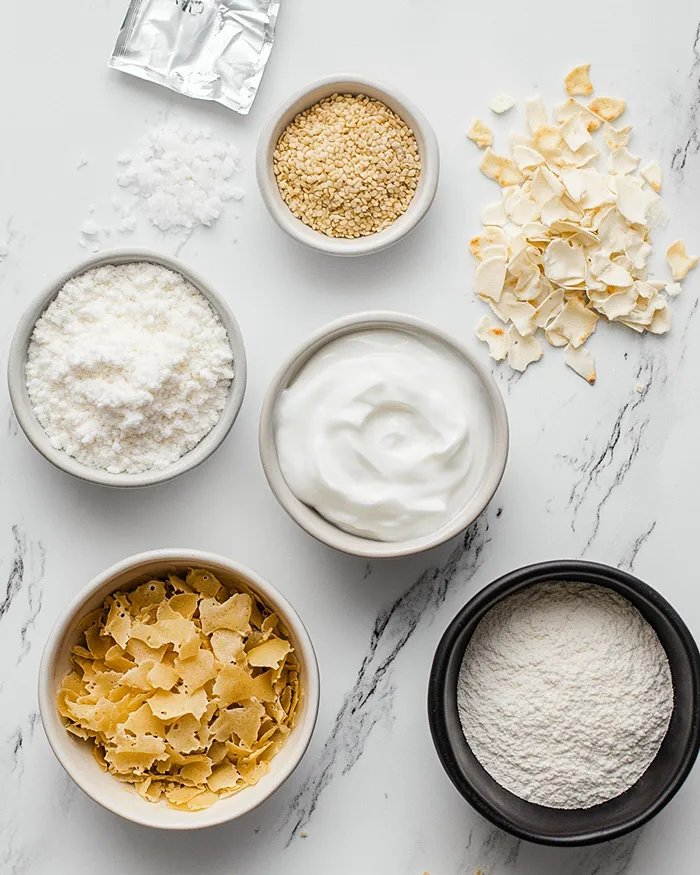
Here’s everything you need to make about 10 gorgeous dosas. I’ve organized it so you can see exactly what goes where:
| Ingredient Category | What You Need | Notes |
|---|---|---|
| Main Base | 1 cup thin poha (or ¼ cup thick poha) | Thin poha works best, but thick works too |
| 1 cup rava/suji/semolina (coarse) | Gives that perfect texture | |
| Wet Ingredients | 1 cup curd/yogurt | Room temperature is ideal |
| 1 cup + 1 tbsp water | Divided between mixing and grinding | |
| Leavening | ½ tsp eno (or fruit salt, or ¼ tsp baking soda, or ½ tsp baking powder) | This creates the fluffiness |
| Seasoning | 1 tsp salt | Adjust to taste |
| For Cooking | Oil as required | For greasing the tawa |
How to Make Instant Sponge Dosa (Step-by-Step)
Alright, let’s get into the fun part. This process is super straightforward, but I’ll walk you through each step like we’re cooking together in my kitchen.
Preparing the Poha Base
Start by grabbing your poha and giving it a quick rinse in a bowl of water. Don’t skip this step—it softens the poha and makes everything blend smoother later. Once it’s rinsed, squeeze out all that water like you’re getting every last drop out of a sponge. Transfer the squeezed poha to a clean bowl.
Now add your rava, curd, and salt to the bowl with the poha. Mix everything together until it’s well combined. The mixture will look a bit dry at this point, but don’t worry—that’s totally normal.
Pour in ½ cup of water and give it another good mix. Cover the bowl and let this whole situation rest for 15-30 minutes. This resting time is crucial because it lets the rava and poha absorb the liquid and soften up. I usually use this time to prep my chutneys or just scroll through Instagram with a cup of chai. No judgment.
Grinding the Batter
After your mixture has rested, add the remaining ½ cup of water to loosen things up a bit. Transfer everything to your grinder jar and blend until you get a smooth, flowing batter. The consistency should be similar to pancake batter—not too thick, not too watery. You want it to spread easily on the tawa without being runny.
Transfer the ground batter back to a bowl. Here comes the magic moment: add your eno (or whichever leavening agent you’re using) along with 1 tablespoon of water. Mix it gently but quickly. You’ll notice the batter start to froth and bubble—that’s exactly what we want! This is what gives the dosas that amazing spongy texture.
Pro tip: Don’t let the batter sit for too long after adding the eno. You want to start cooking immediately while those bubbles are still active and doing their thing.
Cooking the Perfect Dosa
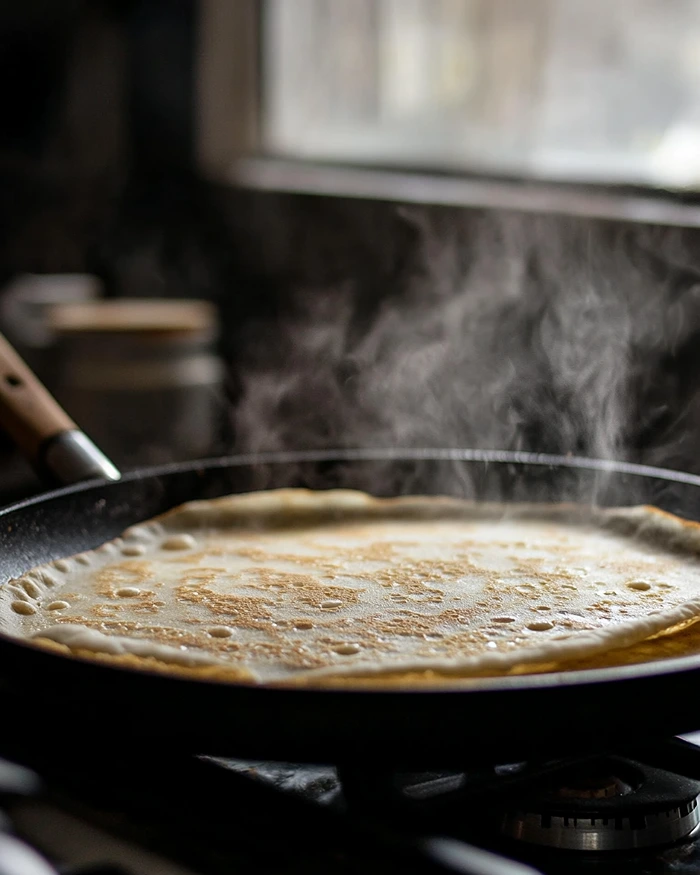
Get your non-stick tawa nice and hot over high flame. Here’s a little trick I learned from my aunt: splash a few drops of water on the tawa. If it sizzles and evaporates immediately, you’re ready to go. Wipe off any remaining water with a clean cloth.
Add about ¼ teaspoon of oil to the tawa and spread it around using tissue paper or a folded cloth. This gives you that gorgeous golden color without making the dosa too oily.
Pour a ladle of batter onto the center of the hot tawa. Now here’s where this recipe gets interesting—don’t spread it like a traditional dosa. Just let the batter spread on its own. It’ll naturally flow and create those characteristic holes and bubbles that make sponge dosa so special.
Keep the flame on high and watch as tiny bubbles start forming all over the surface. This usually takes about 30-40 seconds. Once you see those bubbles, lower the flame to medium and continue cooking until the dosa sets completely on the surface. The edges will start to lift slightly when it’s ready.
Use a spatula to gently remove your beautiful creation from the tawa. Look at those gorgeous holes and that fluffy texture! That’s the sign of a perfectly made sponge dosa.
Expert Tips for the Fluffiest Dosas
Let me share some tricks I’ve picked up after making this recipe approximately a million times (okay, maybe not a million, but definitely a lot).
Get the Consistency Right: If your batter feels too thick, add water one tablespoon at a time until it flows easily off the ladle. Too thin? Add a bit more rava and let it rest for 5 minutes. The batter should coat the back of a spoon but still drip off smoothly.
Temperature is Everything: A properly heated tawa makes all the difference. Too cold and your dosa will stick and tear. Too hot and it’ll burn before cooking through. That water splash test I mentioned earlier? Total game-changer.
Fresh Eno Works Best: If you’re using eno or fruit salt, make sure it’s fresh. Old eno won’t create those beautiful bubbles we’re after. You can test it by adding a pinch to water—it should fizz up immediately.
Don’t Overcrowd Your Tawa: Give each dosa enough space to spread naturally. Resist the urge to help it along with your ladle—trust the process and let physics do its thing.
Delicious Variations to Try
Once you’ve mastered the basic recipe, here are some fun twists that’ll keep things interesting:
Veggie-Loaded Version: Fold in finely chopped onions, grated carrots, or green chilies into the batter before adding the eno. This turns your dosa into a complete meal and adds extra nutrition. My kids actually eat more vegetables this way, which feels like a parenting win.
Spicy Kick: Mix in some red chili powder, cumin seeds, or curry leaves to the batter for an extra flavor punch. A pinch of asafoetida (hing) also works wonders and pairs beautifully with these vegetarian breakfast recipes.
Cheese Dosa: Once the dosa is almost cooked, sprinkle some grated cheese on top and fold it in half. Let it cook for another 30 seconds until the cheese melts. It’s like the Indian version of a quesadilla and absolutely divine.
Multigrain Version: Replace half the rava with oats powder or finger millet (ragi) flour for a healthier spin. This works especially well if you’re exploring healthy breakfast recipes easy enough for weekday mornings.
Troubleshooting Common Issues
Even the best cooks run into hiccups sometimes. Here’s how to fix the most common problems:
Dosa Sticking to the Tawa: This usually means your tawa isn’t hot enough or needs more oil. Make sure you’re heating it properly and greasing it adequately. A well-seasoned tawa also helps prevent sticking.
Not Getting Bubbles: If your dosa comes out flat instead of spongy, check your eno—it might be old or you might need to add it more quickly and start cooking immediately. The magic only lasts a few minutes!
Dosa Breaking Apart: Your batter might be too thin or you’re trying to flip it too early. Let it cook completely on one side before attempting to remove it. Remember, sponge dosas are typically served as is, not flipped like traditional dosas.
Too Dense or Heavy: This often happens when the poha hasn’t softened enough or the batter wasn’t ground smoothly. Make sure you’re giving adequate resting time and blending until silky smooth.
Storage and Make-Ahead Tips
Here’s everything you need to know about keeping your dosas fresh and delicious:
| Storage Method | How Long | Best For |
|---|---|---|
| Room Temperature | 2-3 hours | Immediate serving |
| Refrigerator (batter, before eno) | Up to 1 day | Meal prep |
| Refrigerator (cooked dosas) | 2-3 days in airtight container | Leftovers |
| Freezer (cooked dosas) | Up to 1 month | Batch cooking |
Reheating Instructions: Warm cooked dosas on a hot tawa for 30 seconds on each side, or microwave for 20-30 seconds. They won’t be quite as crispy as fresh ones, but they’ll still taste great.
Kitchen Hack: If you have leftover batter (without eno), store it in the fridge and just add fresh eno before making each batch. This works perfectly for Indian cooking recipes that need to be quick and convenient.
Zero-Waste Tip: Got leftover dosas? Cut them into strips, toss with some spices, and pan-fry until crispy. They make amazing snacks or salad toppers. You can also use them like wraps for leftover curries or vegetables.
Nutritional Information (Per Dosa)
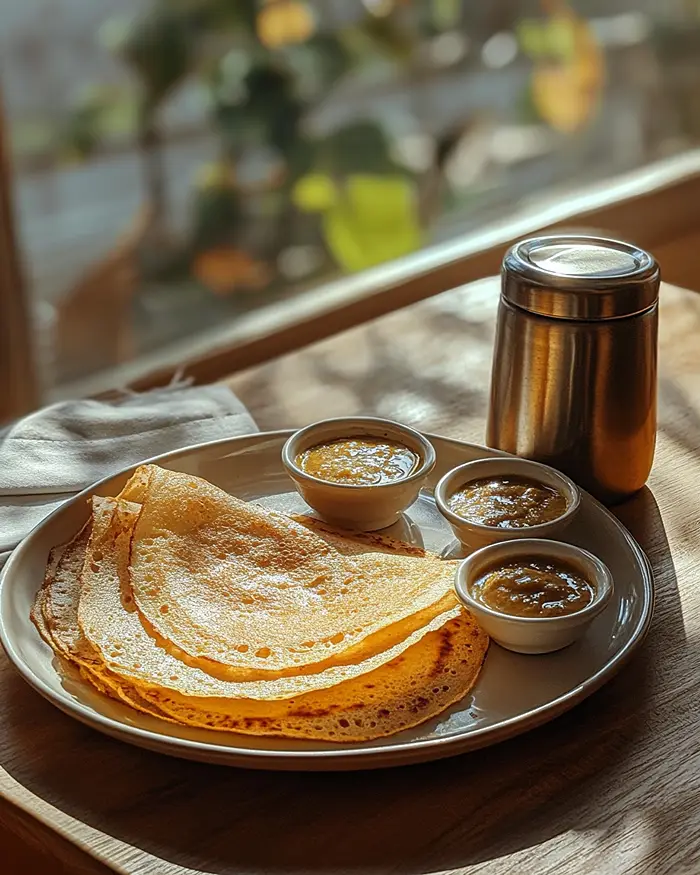
Here’s what you’re getting in each delicious dosa:
| Nutrient | Amount (Approximate) |
|---|---|
| Calories | 120-140 kcal |
| Carbohydrates | 22-25g |
| Protein | 4-5g |
| Fat | 2-3g |
| Fiber | 1-2g |
| Sodium | 200-250mg |
Note: These values can vary based on the specific brands of ingredients you use and the amount of oil for cooking.
Perfect Pairings
While traditional sambar and coconut chutney are absolute classics (and honestly, perfection), here are some other serving ideas:
Try it with our cheesy funeral potatoes for a fun Indo-Western fusion breakfast. Sounds weird, tastes amazing. Or go sweet with a drizzle of honey and some fresh fruit for a unique breakfast experience. If you’re into experimental breakfasts, check out this berry croissant breakfast bake for more inspiration.
For a complete South Indian spread, serve alongside potato curry, tomato chutney, or even a simple sprinkle of podi (gun powder) with ghee. Sometimes the simplest combinations are the most satisfying.
Frequently Asked Questions
Can I make this without a grinder?
Absolutely! If you don’t have a grinder, use a blender on high speed. You might need to add a tiny bit more water to help it blend, but it works just fine. The texture might be slightly different, but it’ll still be delicious.
What’s the difference between this and regular dosa?
Regular dosa uses a fermented rice and lentil batter that takes 8-12 hours to prepare. This instant version uses poha and rava with a leavening agent to mimic that fermented texture without the wait. It’s lighter, fluffier, and perfect when you’re short on time but still want authentic flavors.
Can I skip the eno/leavening agent?
You could, but your dosas won’t have that signature spongy texture. The leavening agent is what creates all those beautiful bubbles and makes it “sponge” dosa. If you’re avoiding eno, baking powder works great as a substitute.
Why is my batter too thick or too thin?
Batter consistency can vary based on the poha you use and humidity levels. Thin poha absorbs more water than thick poha. Just adjust with water or rava as needed until you get a flowing but not watery consistency. Think somewhere between pancake batter and crepe batter.
How do I know when the tawa is ready?
The water drop test is your best friend here. Sprinkle a few drops of water on the heated tawa—if they sizzle and evaporate within 2-3 seconds, you’re good to go. If they just sit there, keep heating. If they evaporate instantly, lower the heat a bit.
Time to Get Cooking!
There you have it—everything you need to know to make absolutely perfect instant sponge dosas in your own kitchen. Whether you’re looking for quick vegetarian breakfast recipes, diving into Indian cooking recipes, or just want something different from your usual breakfast routine, this one’s a keeper.
The beauty of this recipe is that it’s forgiving, adaptable, and honestly just fun to make. Plus, there’s something deeply satisfying about watching those bubbles form and knowing you’ve created something delicious in just minutes.
So grab your ingredients, heat up that tawa, and give it a try! I’d love to hear how yours turn out—snap a pic, share it on Pinterest, and drop a comment below telling me what you served with your dosas. Did you go traditional with sambar and chutney? Or did you get creative with your own fusion ideas?
And hey, if you’re on a breakfast recipe kick, don’t miss our sourdough lemon blueberry focaccia bread or these chocolate filled croissant rolls for more morning magic. Happy cooking, friends!
Irresistible Wheat Dosa | Godhuma Dosa
Equipment
- Mixing bowl
- Whisk
- Tawa or flat griddle
- Ladle
- Spatula
Ingredients
Flours
- 1 cup wheat flour 120 grams, whole wheat works best
- ½ cup rice flour 60 grams
Spices & Seasonings
- 1 teaspoon salt adjust to taste
- ¼ teaspoon black pepper freshly cracked, adjust to taste
- 1 teaspoon cumin seeds zeera
Aromatics
- ¼ cup red onions finely chopped
- ½ teaspoon ginger minced or grated, optional
- 1 green chili finely chopped, optional
Fresh Herbs
- ¼ cup cilantro chopped
- 5-6 curry leaves
Liquids
- 3 cups water for the batter
For Cooking
- 4-5 tablespoons ghee or oil as required for cooking
Instructions
- In a large mixing bowl, combine wheat flour, rice flour, salt, black pepper, and cumin seeds. Whisk together to combine everything evenly.
- Pour in the water gradually and whisk until you have a smooth, thin batter. The batter should be runny and free-flowing, much thinner than pancake batter. It should pour easily from a ladle.
- Stir in the chopped onions, ginger, green chili, cilantro, and curry leaves. Mix well to distribute evenly throughout the batter. Adjust water if needed to maintain a thin, pourable consistency.
- Let the batter rest for 10 minutes. This allows the flavors to mingle and improves the taste.
- Heat your tawa or flat griddle over medium heat. If using a non-stick pan, lightly grease it by dabbing a bit of oil on a half onion or kitchen paper and rubbing it over the hot surface.
- Stir the batter well. Hold your ladle 6-8 inches above the pan and pour the batter in a circular motion, starting from the center and spiraling outward. Don’t spread the batter—just pour and let it form gaps naturally for the lacy pattern.
- If you see any large gaps, drizzle a small amount of batter to fill them in. Drizzle oil or ghee around the edges and over the top of the dosa.
- Cook on medium to medium-low heat until the base turns golden brown and crispy. You’ll see the edges start to crisp up and the color change.
- Once the base is golden, carefully loosen the edges with a spatula and flip the dosa. Cook the other side until crispy. If the dosa is very thin and delicate, you can skip flipping and just fold it.
- Flip back one more time if needed, then fold the dosa in half or quarters. Transfer to a plate.
- Repeat with the remaining batter. Before each dosa, check that the pan is hot but not too hot (sprinkle water to cool if needed), and stir the batter well before pouring.
- Serve the wheat dosa hot with coconut chutney, tomato chutney, sambar, or yogurt.