Simple Sourdough Bakes
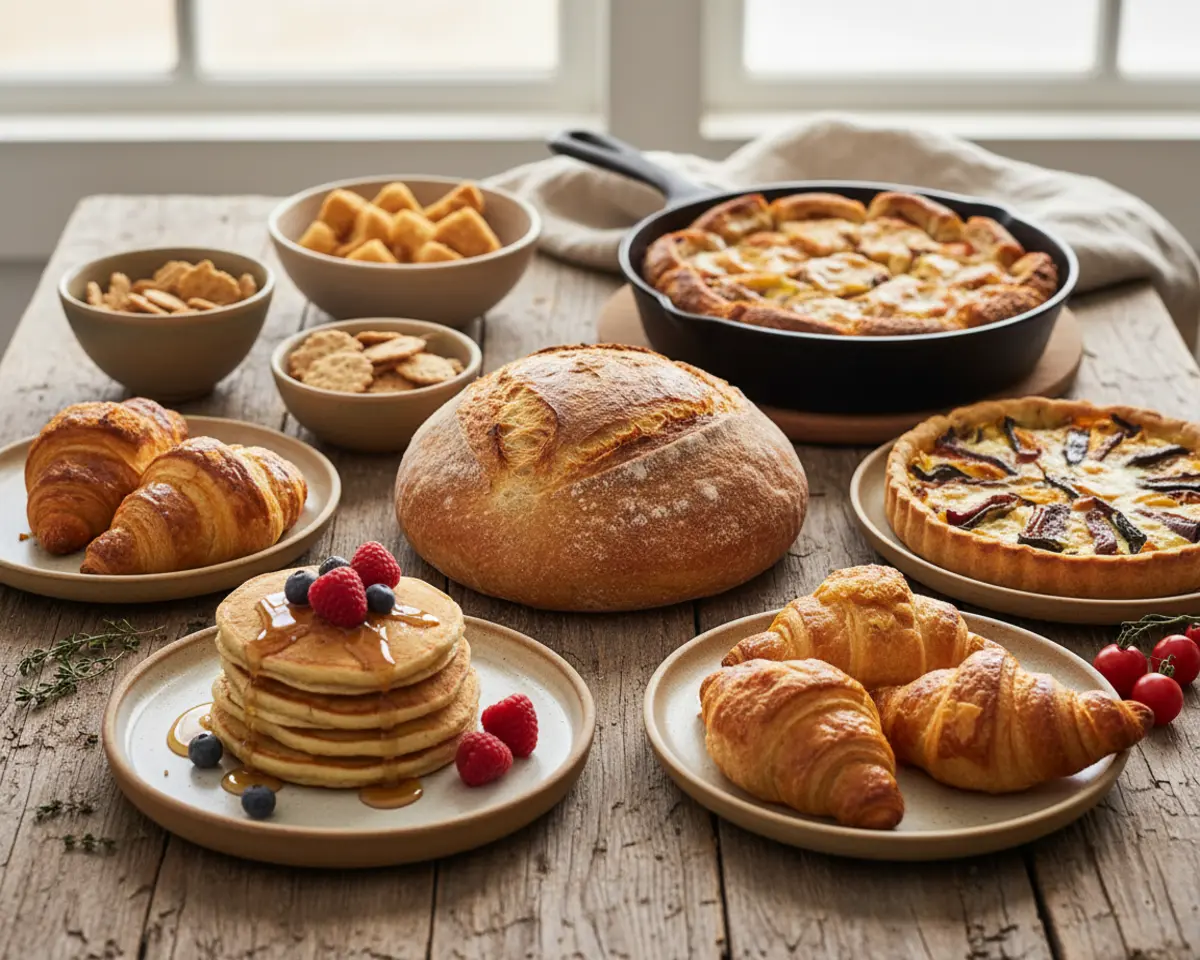
Discover the most irresistible sourdough bakes that’ll transform your kitchen into a cozy bakery. From tangy loaves to sweet treats, these sourdough recipes bring incredible flavor and that signature chewy texture we all crave.
I still remember the first time I pulled a golden sourdough loaf from my oven. The crackling crust, that intoxicating aroma filling every corner of my house, the way steam billowed when I sliced through. Honestly? It felt like magic. That’s when I fell head over heels for sourdough baking.
Whether you’re a seasoned baker or just starting with your first bubbly starter, there’s something deeply satisfying about working with wild yeast. It connects us to centuries of baking tradition, and the results taste absolutely incredible.
The beauty of sourdough is its versatility. Sure, we all love a classic crusty loaf, but your starter can do so much more. Sweet breads, pancakes, crackers—the possibilities are endless once you get comfortable with that tangy, living culture sitting on your counter.
Table of Contents
Quick Overview
These Sourdough Bakes selections are just the beginning. Head over to our Ultimate Easy Breads & Rolls for a deeper look at everything this category has to offer.
This guide walks you through my favorite sourdough bakes, from beginner-friendly recipes to more adventurous projects. Each recipe includes tips for working with sourdough starter, troubleshooting common issues, and achieving that perfect texture. You’ll find everything from traditional sourdough bread recipes to creative sweet variations that showcase what your starter can really do.
Costco Blueberry Sourdough Bread
This delightful fruity twist on traditional sourdough combines tangy fermented dough with bursts of sweet blueberries throughout. It’s the perfect balance between breakfast treat and artisan bread, with a tender crumb that stays moist for days.
If you’ve been wanting to branch out beyond plain loaves, try this delicious blueberry sourdough recipe that rivals anything you’d find at the bakery.

Sourdough Crackers
Got some sourdough discard chilling in your fridge? Don’t let that tangy goodness go to waste! These Sourdough Crackers are an absolute game-changer. Crispy, addictive, and with that signature sourdough tang – they’re perfect for snacking, cheese boards, or dipping into your favorite hummus.
Seriously, they’re so easy to make, and your kitchen will smell incredible. Get ready to impress yourself (and anyone lucky enough to try them!). They’re a definite must-try from our “Savory Delights” collection!
You can grab the full, printable version of the sourdough crackers recipe to keep in your kitchen.

Sourdough Discard Biscuits
Don’t let that bubbly sourdough discard go to waste! These fluffy, tender biscuits are an absolute game-changer. They’re super easy to whip up and perfect for breakfast, dinner, or sneaking one (or two!) in between.
You’ll love how these biscuits bake up golden brown with a delightful tang. They’re a fantastic way to use your discard and add a little something extra special to any meal. Get ready to fall in love!
Ready to cook? Head over to get the printable sourdough discard biscuits recipe here.

Sourdough Discard Hot Dog Buns
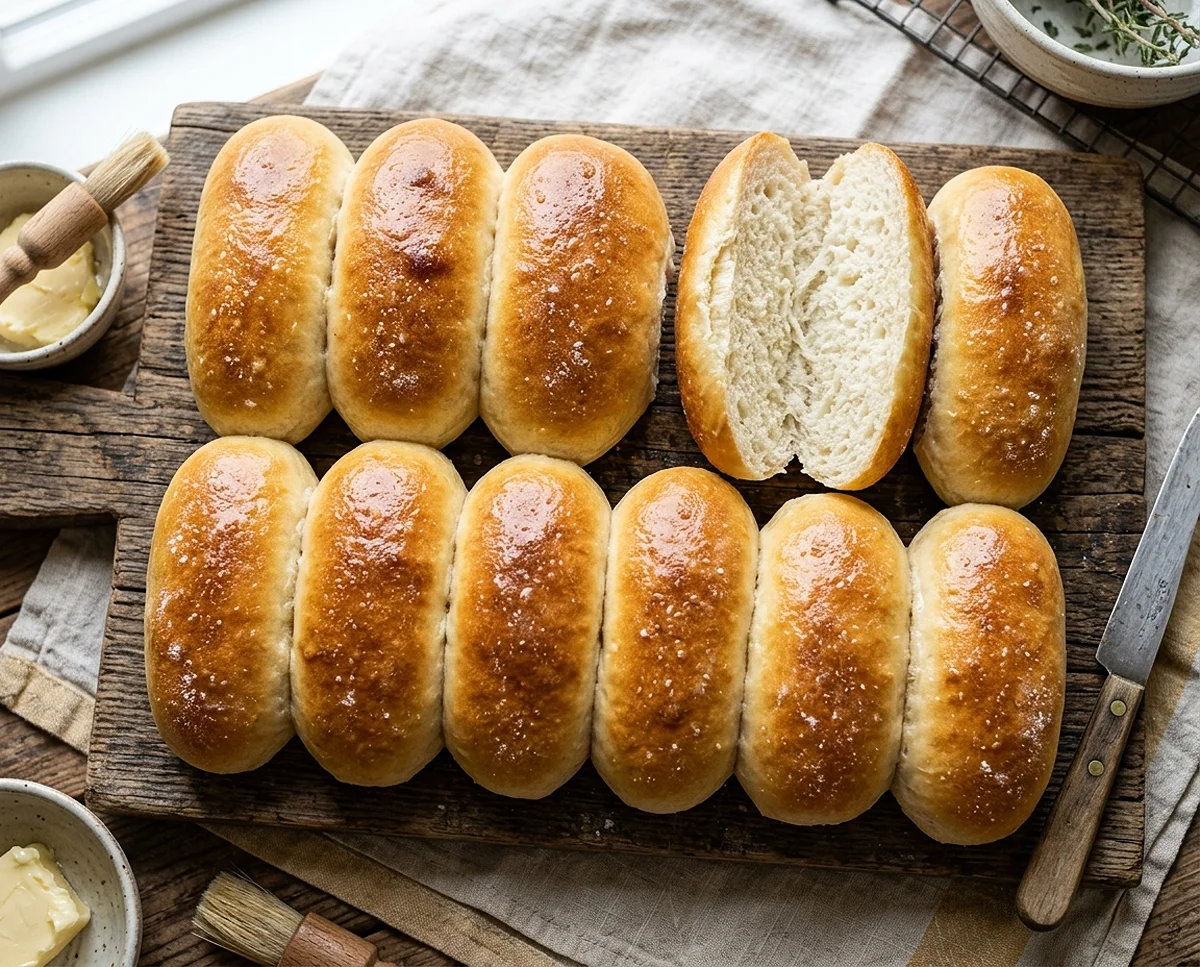
Don’t toss that sourdough discard! Turn it into the softest, pillowy hot dog buns that’ll make your next BBQ legendary. These are wonderfully chewy and oh-so-flavorful – a true crowd-pleaser!
This recipe is a brilliant way to use up that tangy starter and elevate your everyday cookout. Get ready to bake up some serious deliciousness with very little effort, because every bite is pure joy!
For all the ingredients and cooking tips, get the full sourdough discard hot dog buns recipe here.
Sourdough Discard Pretzel Buns
Don’t let that bubbly sourdough discard go to waste! Transform it into these incredibly soft, chewy pretzel buns with a gorgeous golden-brown crust. Perfect for sliders, sandwiches, or just slathered with butter!
Get ready for a flavor explosion! This recipe is surprisingly simple, even for sourdough newbies, and the results are truly out of this world. You’ll wonder why you ever bought store-bought pretzel buns again!
You can grab the full, printable version of the sourdough discard pretzel buns recipe to keep in your kitchen.

Understanding Your Sourdough Starter
Before diving into these easy sourdough recipes, let’s talk about that bubbling jar on your counter. Your starter is a living ecosystem of wild yeast and bacteria, and understanding its behavior makes everything easier. When it’s active and ready to use, it should double in size within 4-8 hours of feeding and smell pleasantly tangy, not overly sour or acetone-like.
The science behind sourdough fermentation is fascinating. Serious Eats explains the microbiology of how lactobacilli bacteria and wild yeasts work together to create that signature flavor and texture.
This natural fermentation process breaks down gluten and phytic acid, making sourdough more digestible than commercially yeasted breads.
Temperature plays a huge role in fermentation speed. Warmer environments (75-80°F) speed things up, while cooler temps slow everything down. I’ve learned to use this to my advantage—if I need dough ready faster, I’ll place it near a warm oven. For overnight rises with more complex flavor, the refrigerator becomes my best friend.
Expert Tips for Perfect Sourdough Bakes
Hydration matters more than most beginners realize. Higher hydration doughs (75-80%) create those gorgeous open crumb structures with big irregular holes, but they’re trickier to handle. Starting with 65-70% hydration makes learning much less frustrating while still producing beautiful bread.
The stretch-and-fold technique replaced traditional kneading in my kitchen years ago. Every 30 minutes during bulk fermentation, I gently stretch the dough and fold it over itself.
Don’t skip the float test. Drop a small spoonful of starter into water—if it floats, the yeast is active and your starter’s ready to use. If it sinks, feed it again and wait. This simple test has saved me from flat, disappointing loaves more times than I can count.
Steam is your secret weapon for that crackling crust. I place a metal pan on the bottom oven rack while preheating, then pour boiling water into it right when the bread goes in. That initial burst of steam keeps the crust flexible so the loaf can expand fully before hardening.
Troubleshooting Common Sourdough Issues
Dense, gummy crumb usually means underproofing. Your dough needs enough time for the yeast to create those air pockets. The poke test helps—gently press your finger into the dough. If it springs back quickly, keep proofing. If it springs back slowly and holds a slight indent, it’s ready.
Overly sour flavor happens when fermentation goes too long or temperatures get too warm. Wild bacteria produce more acetic acid in these conditions. For milder tang, shorten your bulk fermentation time and consider a cold retard in the refrigerator, which favors lactic acid production instead.
Flat loaves that spread instead of rising typically point to weak gluten development or overproofing. Make sure you’re doing enough stretch-and-folds during bulk fermentation. And remember, sourdough needs strong gluten structure to trap all those gas bubbles the yeast creates.
Variations and Creative Uses
Your sourdough discard is liquid gold, not garbage. I keep a jar in my fridge and use it for pancakes, crackers, even pizza crust. It adds fantastic flavor to baked goods while reducing waste. Those discarded portions still contain plenty of flavor even if the yeast isn’t super active.
Sweet sourdough recipes open up a whole new world beyond savory loaves. The natural tang balances sweetness perfectly in cinnamon rolls, coffee cakes, and fruit-studded breads. The long fermentation also develops incredible depth of flavor you just can’t get with commercial yeast.
Seasonal ingredients make each bake unique. Fresh herbs in spring, sun-dried tomatoes and olives in summer, pumpkin and spices in fall, dried fruits and nuts in winter. Your basic sourdough bread recipe becomes a canvas for whatever flavors you’re craving.
Storage and Freshness

Room temperature storage works best for the first 2-3 days. I keep my loaves cut-side down on a cutting board, covered with a clean kitchen towel. The crust stays crispy while the interior stays tender. Plastic bags make everything soggy, so avoid them unless you’re freezing.
Freezing is perfect for long-term storage. Slice your loaf first, then wrap tightly in plastic and foil. Individual slices go straight from freezer to toaster, making weekday breakfasts effortless. Frozen sourdough keeps its quality for up to three months.
Reviving stale bread is easy. Spritz the crust lightly with water and warm it in a 350°F oven for 10 minutes. The moisture creates steam inside, softening the crumb while re-crisping the exterior. It’s like magic watching yesterday’s loaf come back to life.
Start Your Sourdough Journey Today
There’s never been a better time to dive into the world of sourdough bakes. These recipes prove that working with wild yeast doesn’t have to be intimidating or complicated. Start with one recipe that excites you, give your starter some love, and watch the magic happen in your own kitchen.
I’d love to hear about your sourdough adventures! Drop a comment below sharing which recipe you’re trying first, or tag me on social media with your beautiful bakes. And if you found this guide helpful, share it with a friend who’s been curious about sourdough—let’s build a community of home bakers together.
Happy baking, and may your starter always be bubbly!
Frequently Asked Questions
What is sourdough bread?
Sourdough bread is a naturally leavened bread made using a fermented mixture of flour and water called a starter, which contains wild yeast and beneficial bacteria. Unlike commercial bread that uses packaged yeast, sourdough relies on natural fermentation, giving it a distinctive tangy flavor, chewy texture, and improved digestibility.
How long does it take to bake sourdough bread?
The entire sourdough process typically takes 24 to 48 hours from start to finish. This includes feeding your starter (4-8 hours), mixing and autolyse (30 minutes to 1 hour), bulk fermentation (4-6 hours), shaping, cold proofing in the refrigerator (8-72 hours), and finally baking (45-50 minutes). Active hands-on time is usually only about 30-45 minutes.
Why is my sourdough bread dense and not rising properly?
Dense sourdough is usually caused by an inactive or weak starter, insufficient fermentation time, or poor gluten development. Make sure your starter is bubbly and doubles in size at peak activity before using it. Allow adequate time for bulk fermentation and ensure proper folding techniques to build gluten structure. Temperature also matters, as warmer environments speed up fermentation while cooler ones slow it down.
How do I store sourdough bread to keep it fresh?
Store sourdough bread at room temperature in a paper bag, bread box, or cloth bag for 2-3 days to maintain the crust. Avoid plastic bags as they make the crust soft and chewy. For longer storage, slice and freeze the bread in an airtight container or freezer bag for up to 3 months. Toast frozen slices directly or thaw at room temperature.
Do I need special equipment to bake sourdough at home?
While special equipment helps, you can start with basics: a large mixing bowl, kitchen scale for accurate measurements, and a regular oven. A Dutch oven is highly recommended as it traps steam and creates a better crust, but you can also use a baking stone with a steam pan. Optional tools include a bench scraper, proofing basket, and lame for scoring, though alternatives like bowls and sharp knives work too.