Japanese Dinner Recipes
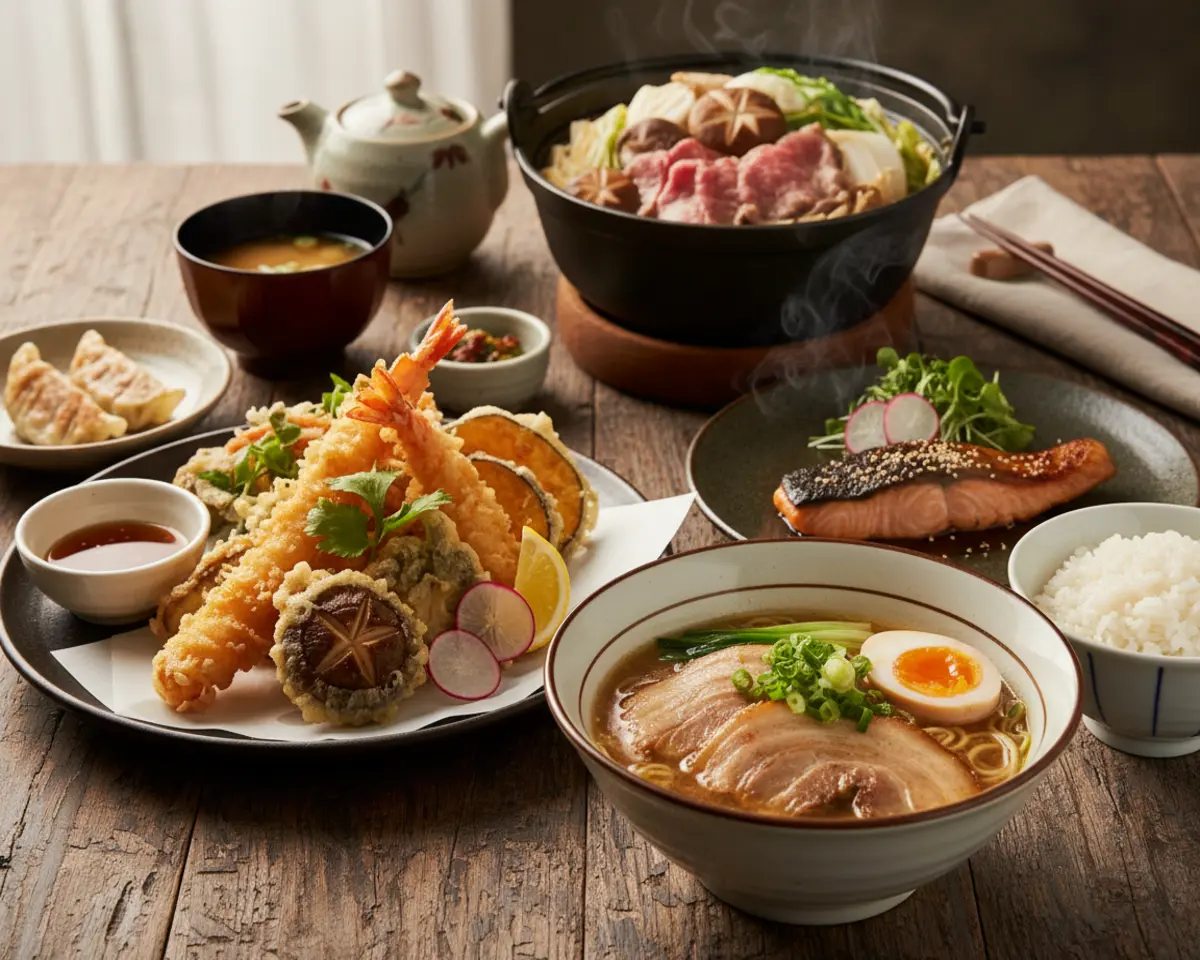
Discover a collection of easy Japanese dinner recipes that bring the flavors of Tokyo straight to your kitchen. From crispy gyoza to comforting ramen bowls, these authentic Japanese recipes will have your family asking for seconds every single time.
I still remember the first time I tried to make gyoza at home. The kitchen smelled like garlic and ginger, steam was everywhere, and I’d somehow managed to get flour on the ceiling. But when that first batch came out of the pan with those perfect golden-brown bottoms? Pure magic.
That’s the thing about homemade Japanese food—it feels intimidating until you actually do it. Then you realize it’s just about good ingredients, a little patience, and maybe accepting that your first attempt won’t look Instagram-perfect. And honestly? It’ll still taste amazing.
Table of Contents
Quick Overview: Your Japanese Dinner Journey
There’s so much more to explore in our Definitive Japanese Recipes. From essential techniques to seasonal twists, it’s your go-to resource for all things Japanese Dinner Recipes.
This collection of Japanese dinner recipes covers everything from beloved dumplings to soul-warming noodle bowls. Each recipe breaks down traditional techniques into manageable steps, so you can create restaurant-quality dishes without culinary school or a plane ticket to Japan.
Whether you’re craving something crispy, steamy, or slurp-worthy, these easy Japanese recipes deliver authentic flavors with ingredients you can find at your local grocery store. Let’s dive in and explore what makes Japanese home cooking so special.
Japanese Gyoza
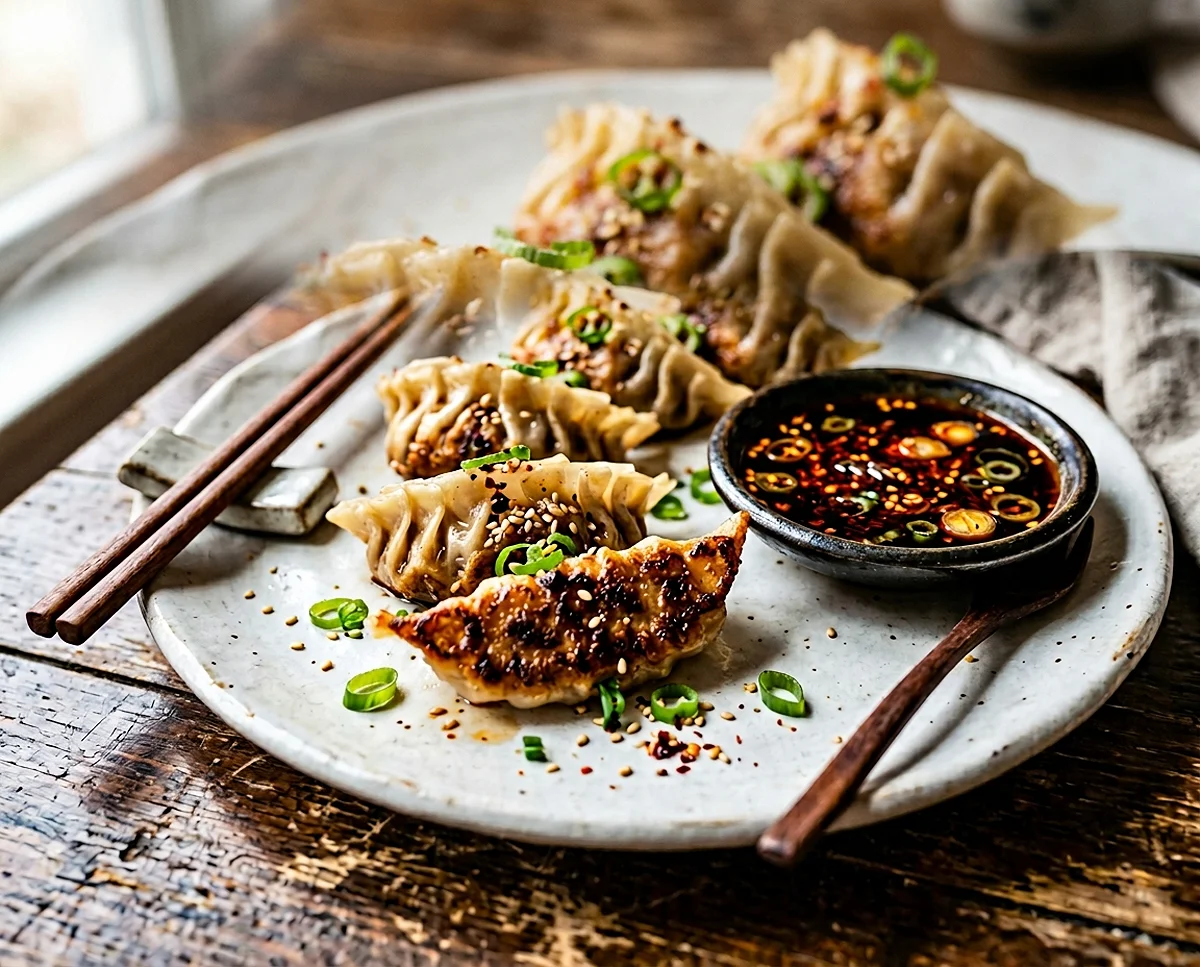
These pan-fried dumplings are the perfect gateway into Japanese cooking. Crispy on the bottom, tender on top, and filled with a juicy mixture of pork and cabbage, these homemade gyoza beat any restaurant version once you get the folding technique down.
The secret is in the pleating—you don’t need twenty perfect folds, just enough to seal the filling inside. And that signature crispy-steamed texture? It comes from a simple technique where you fry, steam, then fry again. Your kitchen will smell incredible, and you’ll have a freezer stash for quick weeknight dinners.
Expert Tips for Perfect Japanese Dinners
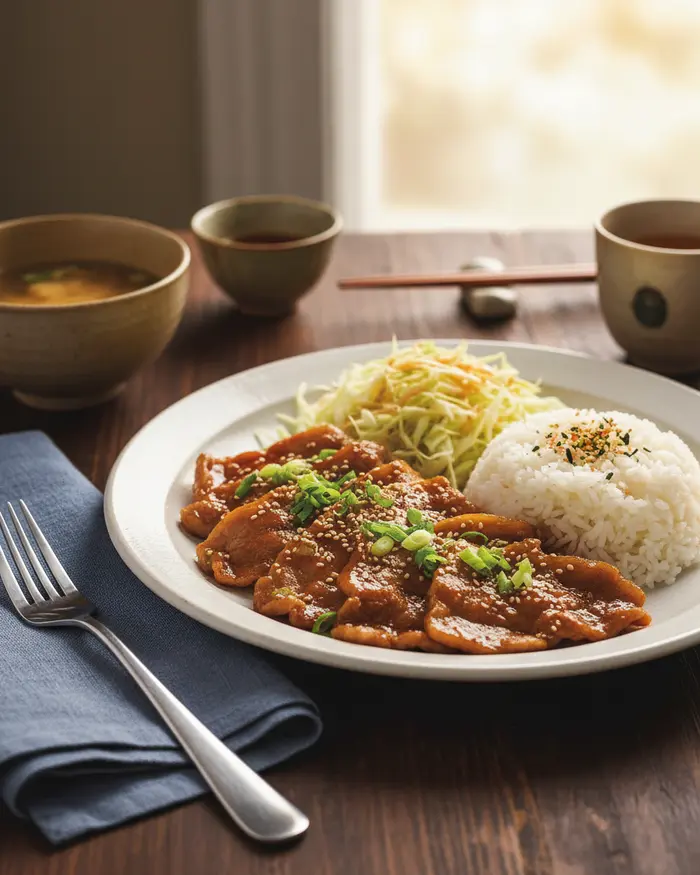
Temperature control is everything in Japanese cooking. When pan-frying gyoza or searing meat, a screaming-hot pan creates that coveted caramelization without overcooking the inside. Serious Eats explains the science behind the crispy-steamed dumpling technique, which applies to many Japanese preparations.
Rice matters more than you think. Short-grain Japanese rice has a sticky texture that holds together beautifully with chopsticks. Rinse it three times before cooking to remove excess starch—this creates fluffy, slightly sticky grains instead of gummy mush. Your rice cooker is your best friend here, maintaining that perfect texture every single time.
Prep work is half the battle. Japanese cooking often involves multiple components coming together quickly, so having everything chopped, measured, and ready to go makes the actual cooking stress-free. Mise en place isn’t fancy French talk—it’s how you avoid burning garlic while frantically mincing ginger.
Variations to Make These Recipes Your Own
Gyoza filling is incredibly flexible. Swap pork for ground chicken, turkey, or even crumbled tofu for a vegetarian version. Add shiitake mushrooms for earthiness, or throw in some kimchi for a Korean-Japanese fusion that’s absolutely delicious. The key is maintaining the ratio of vegetables to protein so the filling stays juicy.
Make it spicier by adding chili oil, shichimi togarashi, or fresh Thai chilies to your dishes. Japanese cuisine isn’t traditionally super spicy, but a little heat never hurt anyone. Keep it authentic with yuzu kosho—a fermented citrus-chili paste that adds brightness and kick without overwhelming the other flavors.
Batch cooking is your secret weapon for weeknight Japanese dinners. Gyoza freeze beautifully before or after cooking. Make a double batch, freeze half, and you’ve got a fancy dinner ready in fifteen minutes on those chaotic Tuesday nights when everyone’s hungry and patience is thin.
Start Your Japanese Cooking Adventure Tonight
The beauty of these Japanese dinner recipes is how they turn everyday ingredients into something special. You don’t need a Japanese grocery store or fancy equipment—just curiosity and an appetite. Start with one recipe, master it, then move on to the next. Before you know it, you’ll be confidently folding gyoza while rice steams in the background.
Which recipe are you trying first? Drop a comment below and let me know how it turns out. And if your first batch of gyoza looks a little wonky? Mine still do sometimes, and they disappear just as fast. The imperfect ones always taste better anyway—that’s my story and I’m sticking to it.
Frequently Asked Questions
What are the essential ingredients for authentic Japanese dinner recipes?
Essential ingredients include soy sauce, mirin, sake, rice vinegar, dashi stock, miso paste, short-grain rice, nori seaweed, and fresh fish or seafood. Pantry staples also include sesame oil, ginger, garlic, and Japanese mayonnaise. These ingredients form the foundation of most traditional Japanese dinner dishes.
What is a typical Japanese dinner menu structure?
A traditional Japanese dinner follows the ichiju-sansai principle, which includes one soup and three dishes served with rice. This typically consists of a bowl of miso soup, a main protein dish like grilled fish or teriyaki chicken, two side dishes such as pickled vegetables and a salad or simmered vegetables, and steamed rice. Green tea is usually served as the beverage.
How long does it take to prepare a Japanese dinner?
Simple Japanese dinners like teriyaki chicken or salmon with rice and miso soup can be prepared in 30 to 45 minutes. More elaborate meals such as tonkatsu, tempura, or sukiyaki may take 60 to 90 minutes. Meal prep can significantly reduce cooking time, and many components like rice and miso soup can be prepared simultaneously.
Can Japanese dinner recipes be made vegetarian or vegan?
Yes, many Japanese dinner recipes can be adapted for vegetarian or vegan diets. Tofu, mushrooms, and vegetables can replace meat and fish in most dishes. Use kombu-based dashi instead of bonito flakes, and ensure miso paste does not contain fish stock. Popular vegetarian options include vegetable tempura, agedashi tofu, vegetable curry, and various noodle dishes with plant-based broths.
What are some beginner-friendly Japanese dinner recipes?
Beginners should start with simple recipes like teriyaki chicken, gyudon beef bowl, miso soup, chicken katsu curry, or yakisoba noodles. These dishes require basic cooking techniques and readily available ingredients. Onigiri rice balls, edamame, and simple cucumber salad with sesame dressing are also easy side dishes that complement any Japanese dinner.