Creamy Easter and Passover
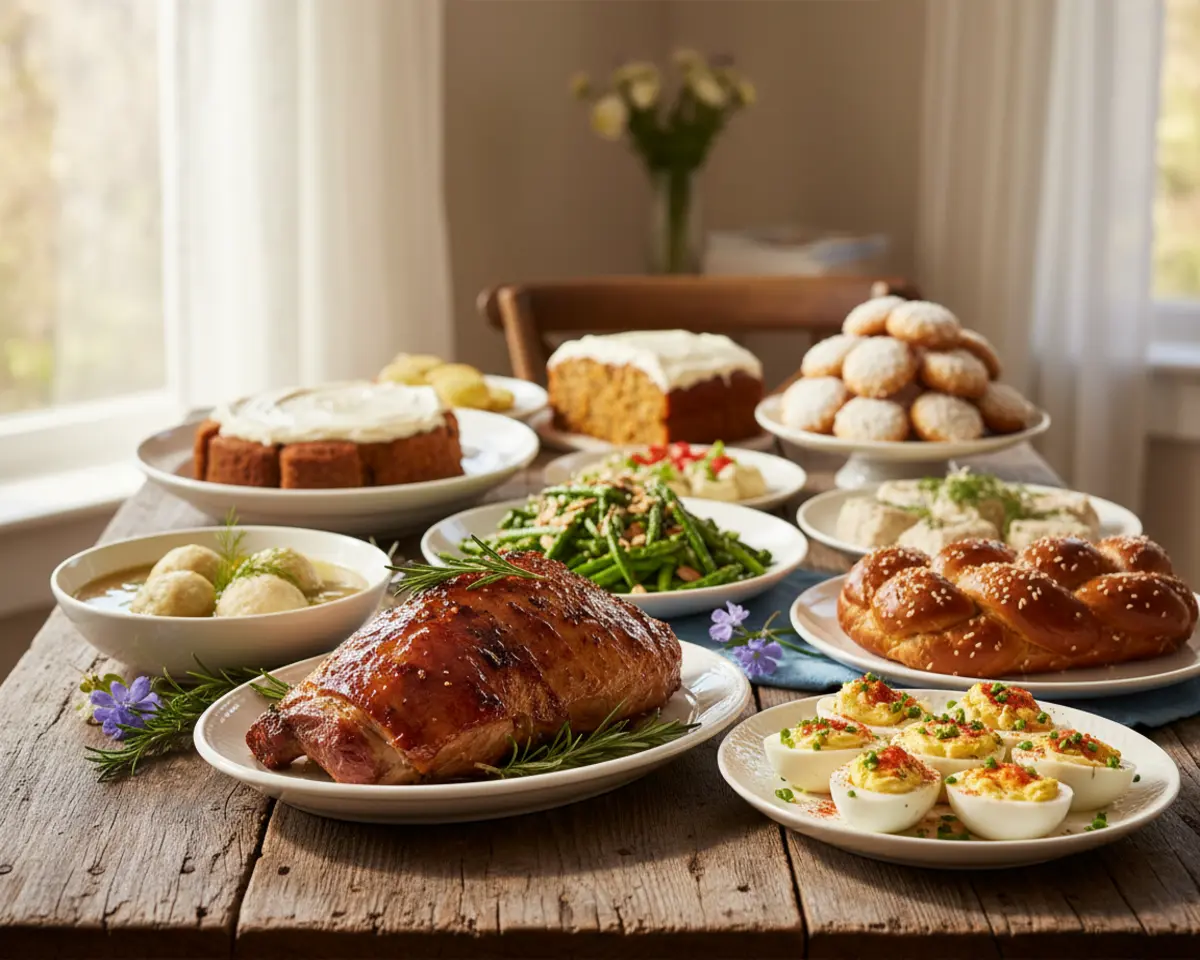
Celebrating Easter and Passover means gathering around the table with loved ones, sharing stories, and enjoying dishes that carry centuries of tradition. Whether you’re planning an Easter brunch with pastel-frosted treats or preparing a Passover Seder with symbolic foods, these recipes honor both holidays beautifully.
I still remember the first time I hosted both celebrations in the same spring—my kitchen smelled like warm spices, sweet icing, and simmering broth all at once. There’s something magical about cooking for holidays that bring family together, no matter which tradition you’re honoring.
Both holidays share themes of renewal, freedom, and gratitude, and the food we make reflects those values. From fluffy buns marked with crosses to slow-cooked fish that tells a story, every bite connects us to something bigger.
Table of Contents
Quick Overview
This collection brings together classic Easter recipes and traditional Passover dishes, giving you everything you need for a memorable holiday table. You’ll find sweet treats like bunny-shaped cakes and spiced buns alongside meaningful Seder staples like gefilte fish and charoset.
Each recipe is designed to be approachable, flavorful, and perfect for sharing. Whether you’re new to these traditions or looking to refine your go-to dishes, you’ll discover ideas that make both Easter dinner ideas and Passover meals feel special.
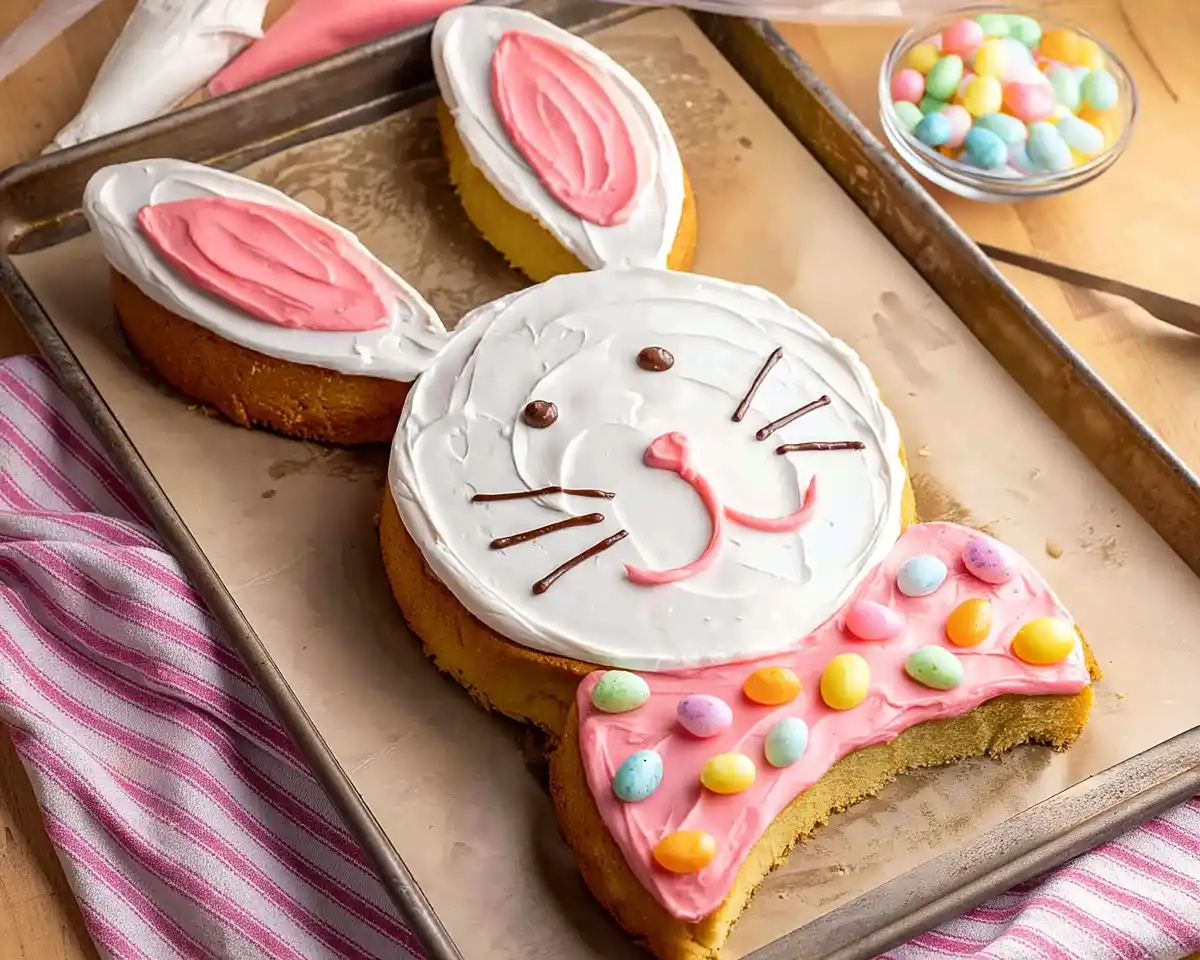
Easy Easter Bunny Cake
This adorable cake brings instant smiles to any Easter table, especially when kids catch their first glimpse of those fluffy coconut ears. The Easy Easter Bunny Cake uses simple round layers arranged to form a bunny face, then decorated with shredded coconut, pink frosting, and jelly bean features.
It’s one of those Easter recipes that looks impressive but comes together with minimal fuss. Kids love helping sprinkle the coconut and press in the candy decorations, making it a fun family project before the big day.
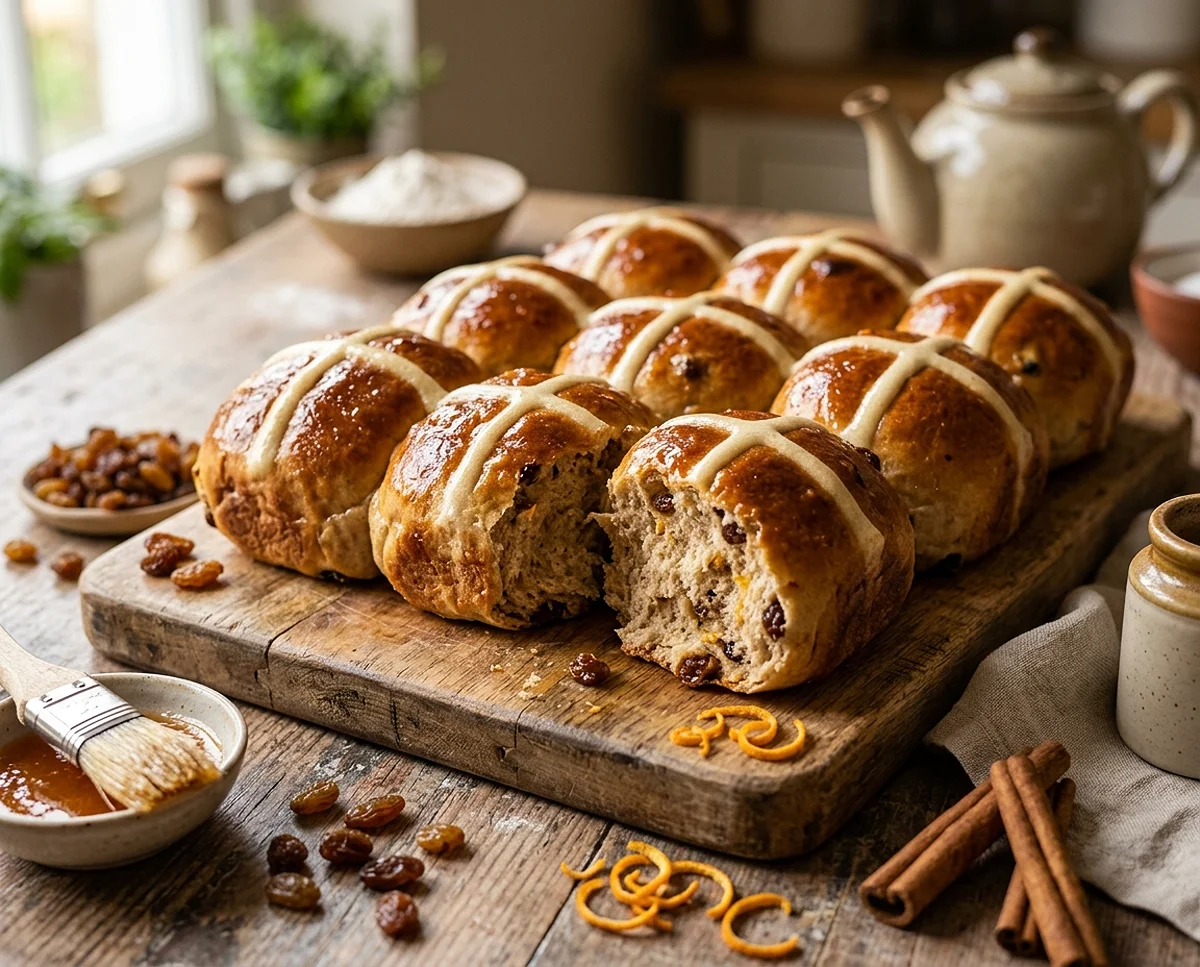
Hot Cross Buns Recipe
These spiced, slightly sweet buns marked with a cross have been an Easter morning tradition for centuries, and once you taste one warm from the oven, you’ll understand why. The Hot Cross Buns Recipe features soft dough studded with currants and scented with cinnamon and nutmeg.
The cross on top isn’t just symbolic—it also adds a sweet glaze that balances the warm spices perfectly. They’re best enjoyed split open with butter melting into every bite, ideally while the house still smells like rising dough.
Gefilte Fish
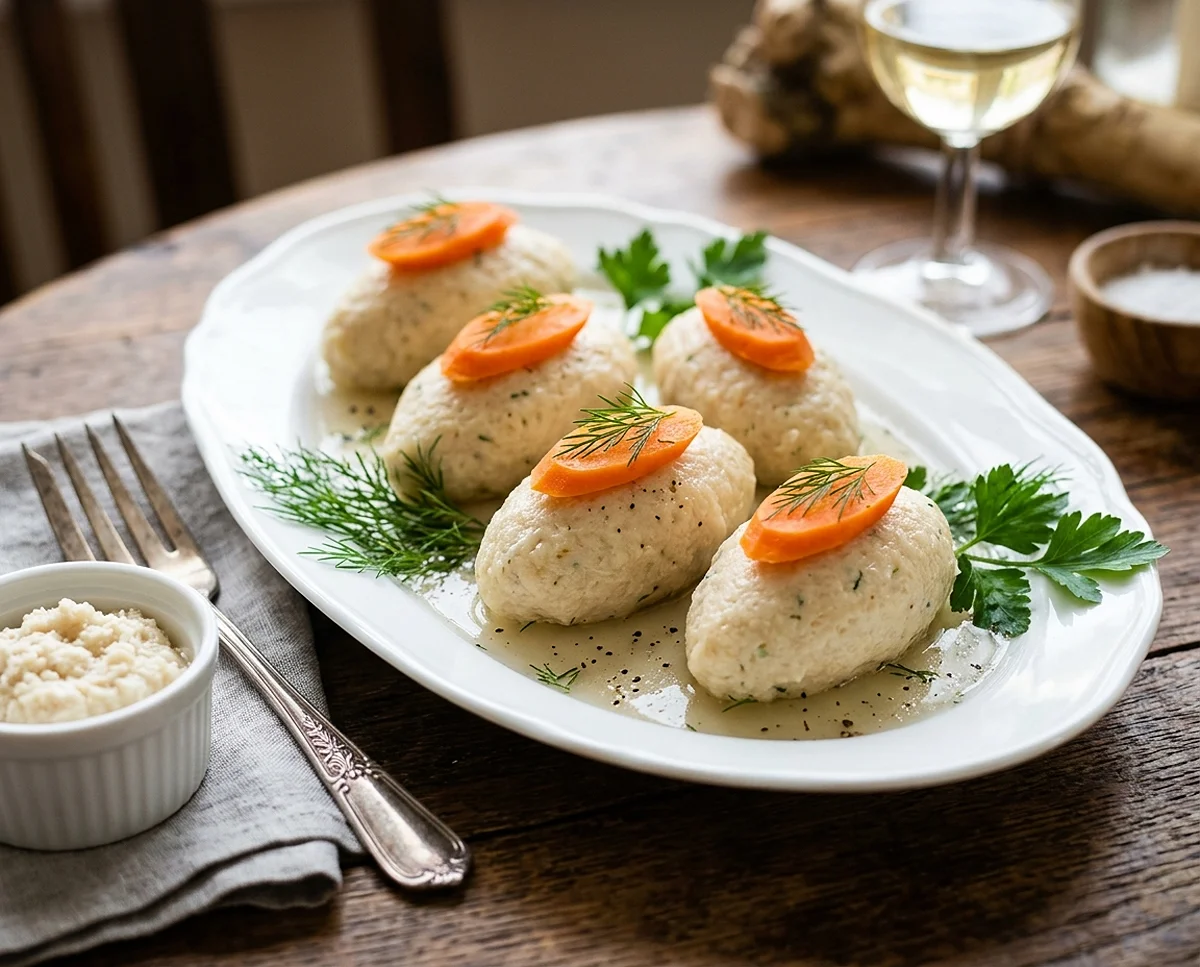
This classic Passover appetizer might seem old-fashioned, but it carries deep meaning and a delicate, savory flavor that deserves a spot on your Seder table. The Gefilte Fish recipe uses ground whitefish blended with onion, egg, and matzo meal, then gently poached in a fragrant broth.
Serve it chilled with a dollop of horseradish, and it becomes a refreshing, symbolic start to your Passover meal. Many families have their own tweaks—some add sugar for sweetness, others prefer it more savory—so feel free to adjust to your taste.
Easter Salad
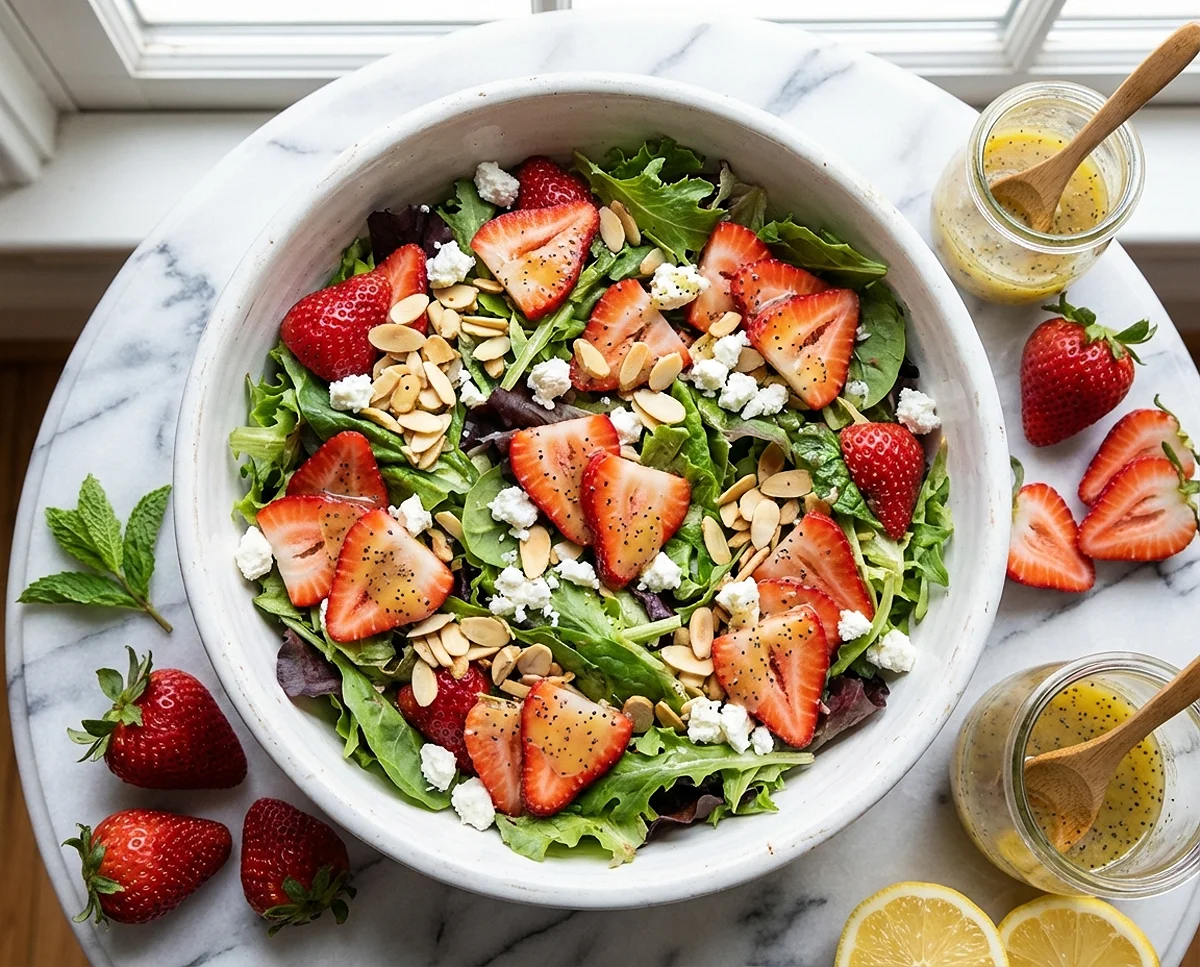
A fresh, colorful salad brings balance to any Easter spread, especially when your table is filled with rich meats and sweet desserts. The Easter Salad combines crisp greens, vibrant veggies, hard-boiled eggs, and a tangy dressing that ties everything together beautifully.
It’s one of those Easter recipes that feels light and seasonal without being boring. The hard-boiled eggs aren’t just garnish—they nod to the symbolism of new life that Easter celebrates, making this dish both delicious and meaningful.
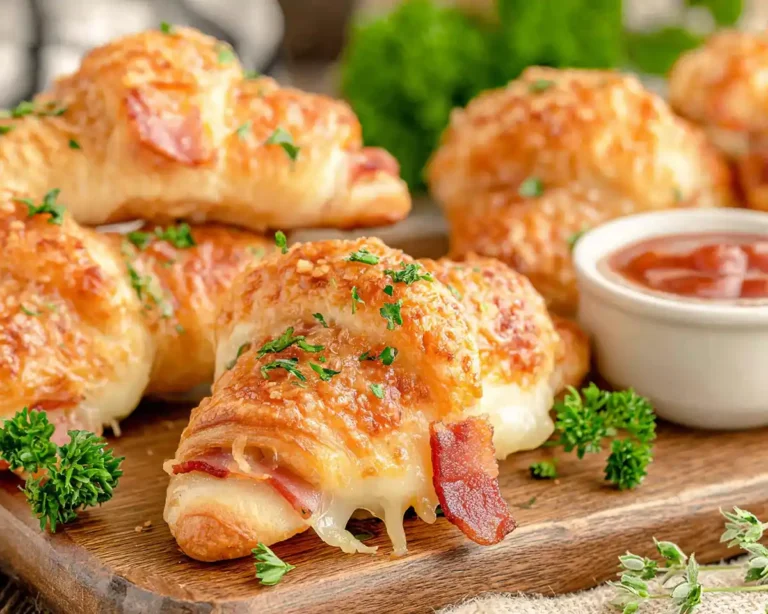
Easter Ham and Cheddar Pinwheels
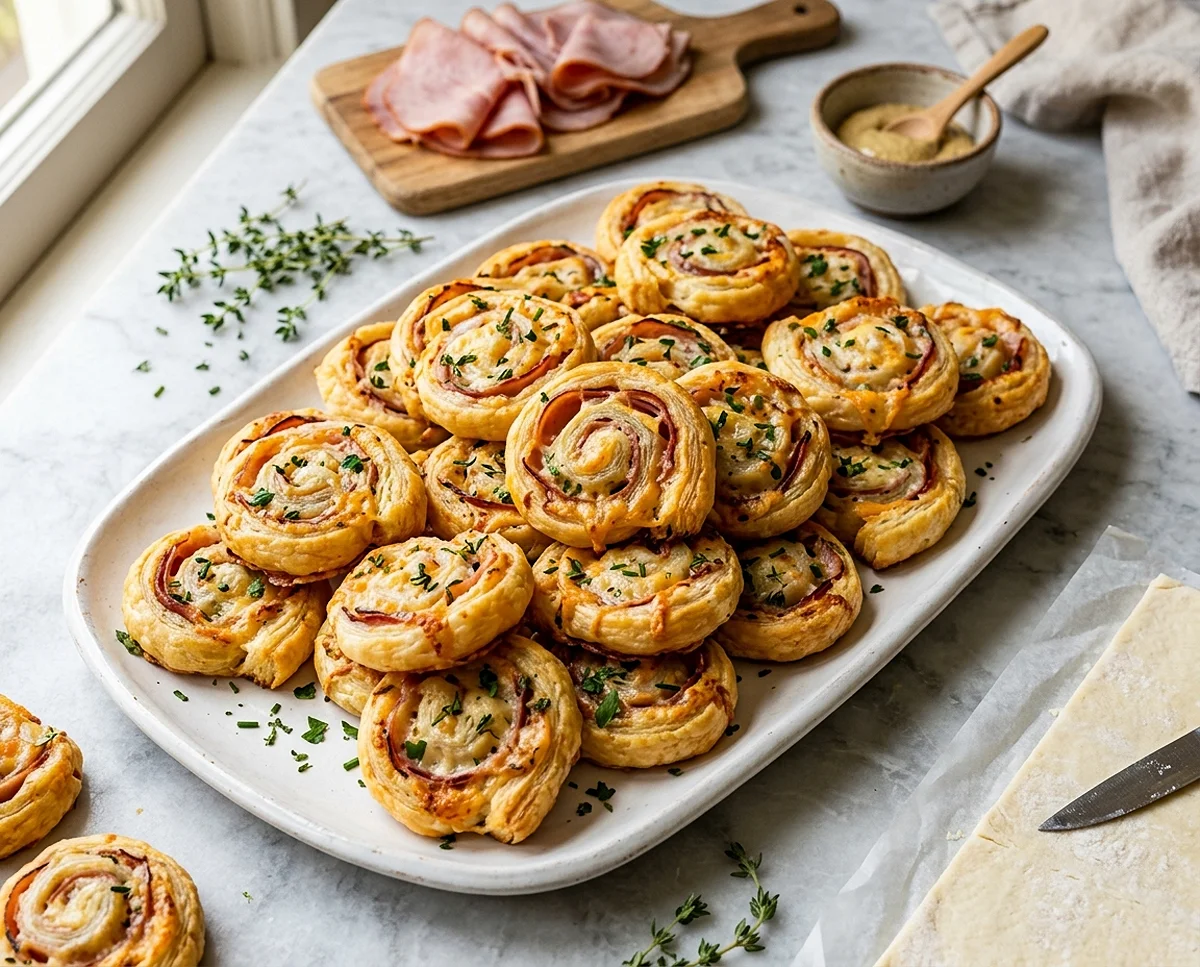
These savory spirals disappear fast at Easter brunches and afternoon gatherings, offering a perfect bite of salty ham, sharp cheddar, and flaky pastry. The Easter Ham and Cheddar Pinwheels come together quickly using store-bought puff pastry, making them ideal when you need impressive appetizers without hours of prep.
Slice them into neat rounds, bake until golden, and watch them vanish. They’re fantastic warm or at room temperature, which means you can prep them ahead and spend more time with guests instead of hovering over the oven.
Easter Cupcakes
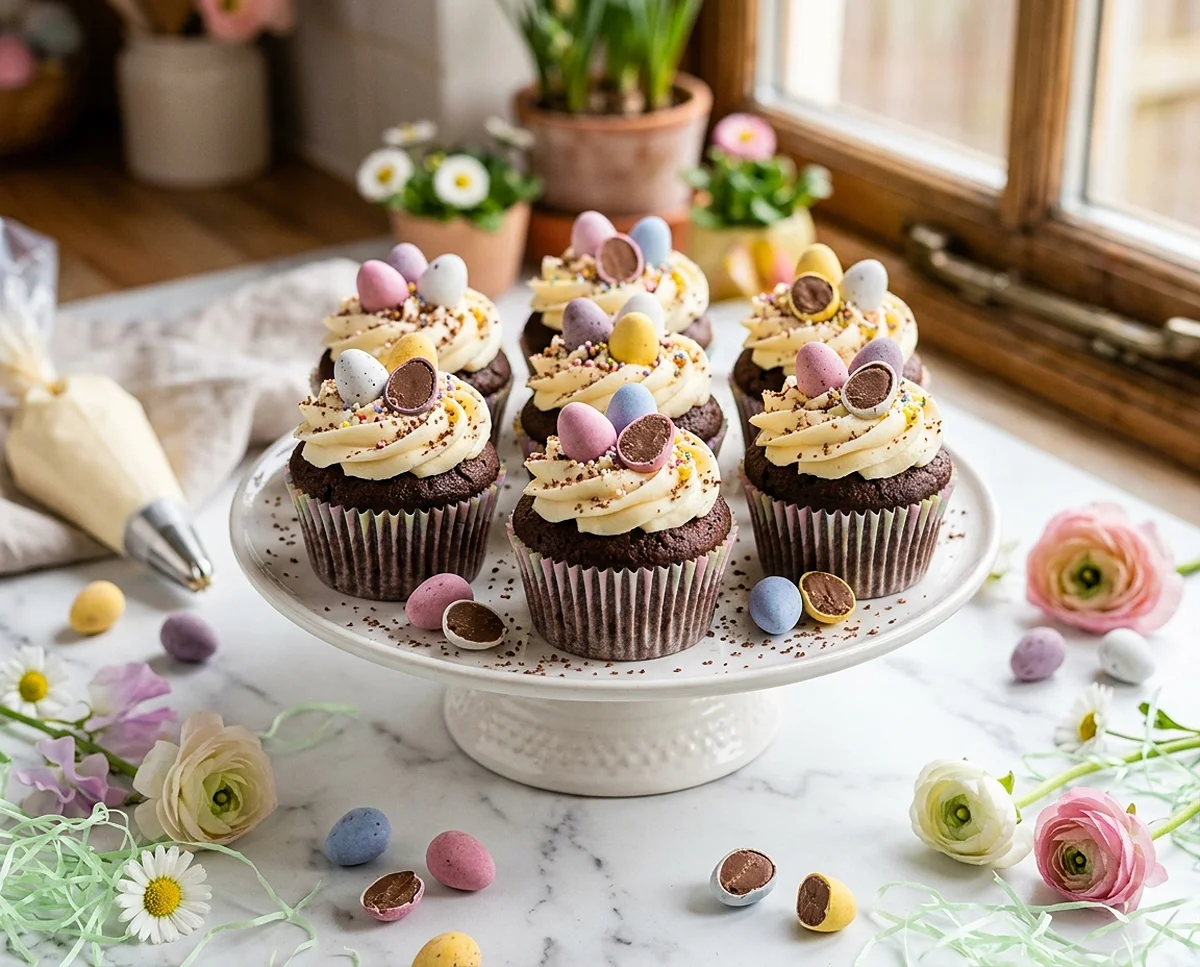
These festive little cakes bring pastel colors and springtime joy to any Easter celebration, and they’re easier to serve than a big layer cake. The Easter Cupcakes start with a moist vanilla base, then get topped with swirls of buttercream in soft pinks, yellows, and blues.
Decorate them with sprinkles, candy eggs, or mini chocolate bunnies for extra charm. Kids especially love picking their favorite color and decorating their own, turning dessert into a creative activity that keeps everyone engaged.
Easter Basket Bundt Cake Recipe
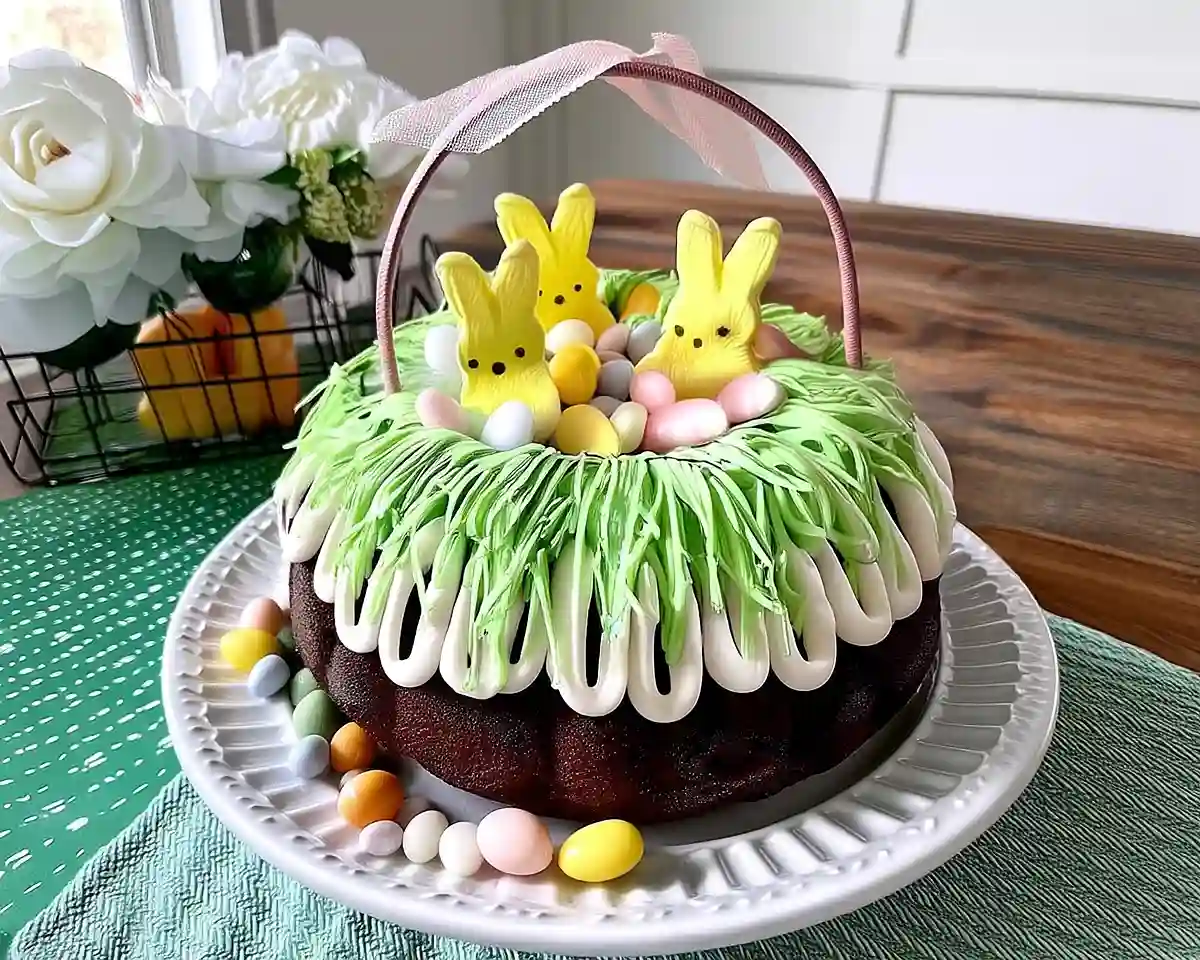
This showstopper looks like a woven basket filled with candy eggs, making it one of the most Instagram-worthy Easter desserts you’ll ever make. The Easter Basket Bundt Cake Recipe uses a bundt pan to create the basket shape, then gets decorated with frosting “weave” lines and colorful candy eggs nestled on top.
It’s surprisingly simple to pull off, and the wow factor is through the roof. Slice into it to reveal moist, tender cake that tastes as good as it looks, proving that Easter dinner ideas can be both fun and delicious.
Charoset Recipe
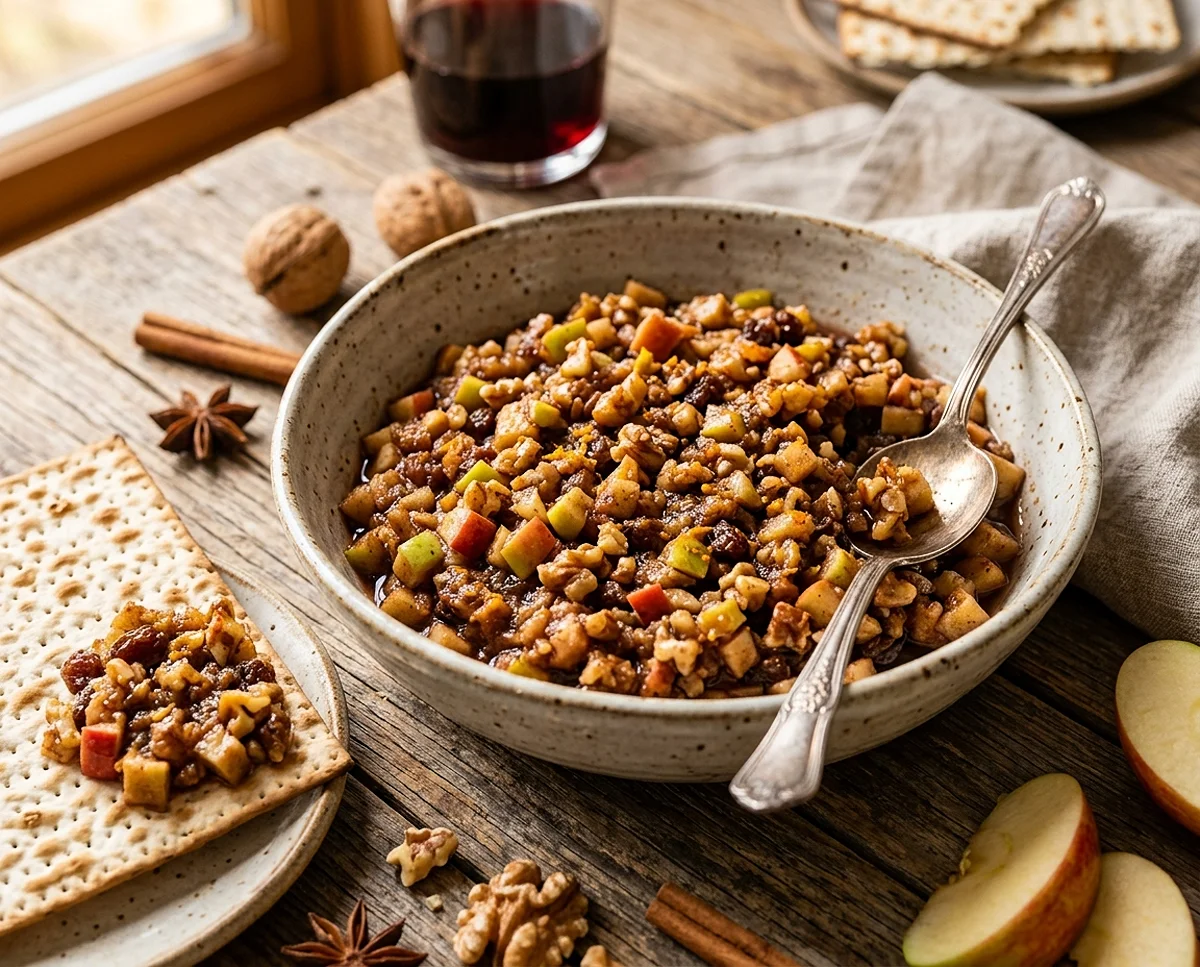
This sweet, chunky mixture of apples, nuts, wine, and spices represents the mortar used by enslaved Hebrews in Egypt, but it tastes far better than that symbolism suggests. The Charoset Recipe blends chopped apples and walnuts with honey, cinnamon, and a splash of sweet wine into a spread that’s both meaningful and utterly delicious.
Every family seems to have their own version, with some adding dates or almonds for extra texture. It’s one of those Passover recipes that people look forward to all year, and leftovers (if there are any) taste amazing on matzo the next morning.
Cadbury Egg Cookies
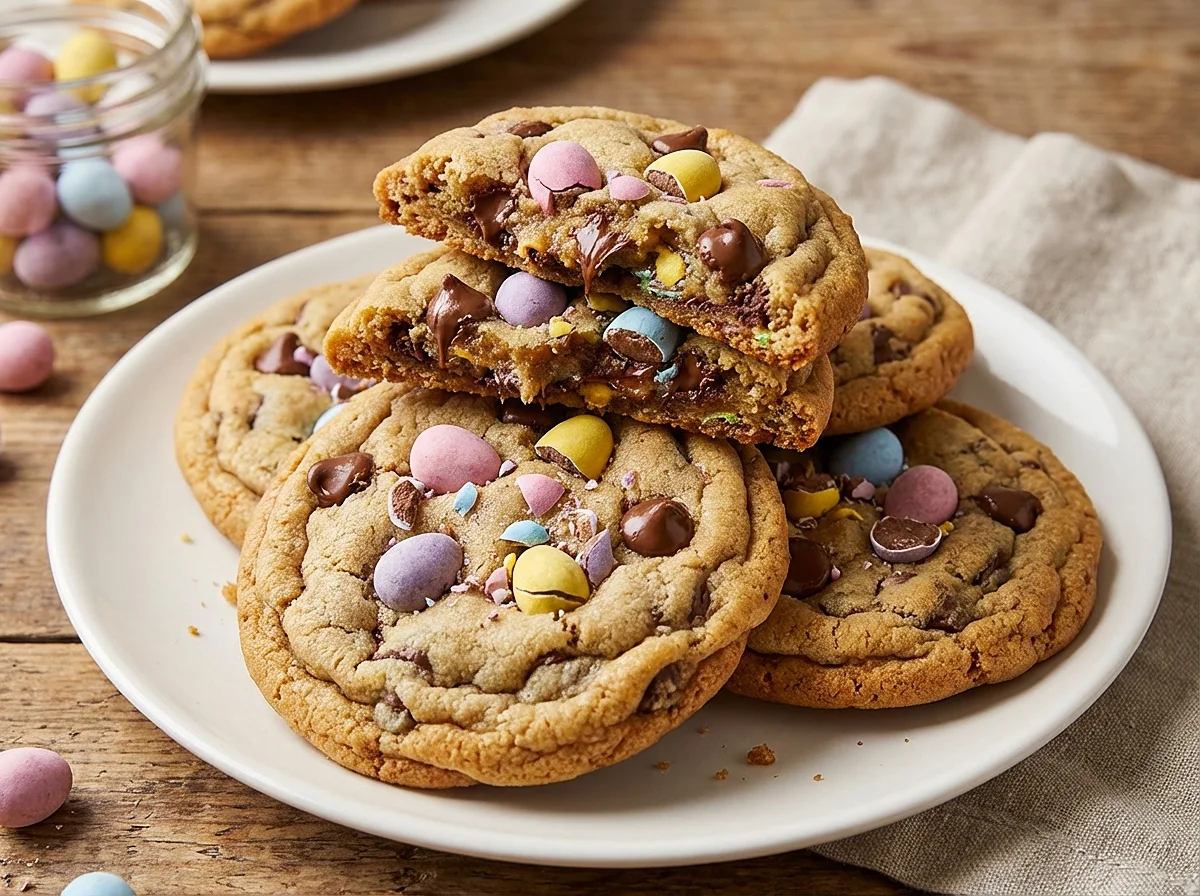
Hold onto your tastebuds, Cadbury egg fanatics! Our Cadbury Egg Cookies are the ultimate Easter jackpot. Imagine chewy cookies bursting with those creamy, dreamy mini eggs – a little slice of heaven!
This recipe is super simple to whip up and guaranteed to be a holiday hit. Perfect for sharing (or hoarding, we won’t judge!), these cookies will put a spring in everyone’s step.
Check out the complete cadbury egg cookies recipe and bring this delicious dish to your table.
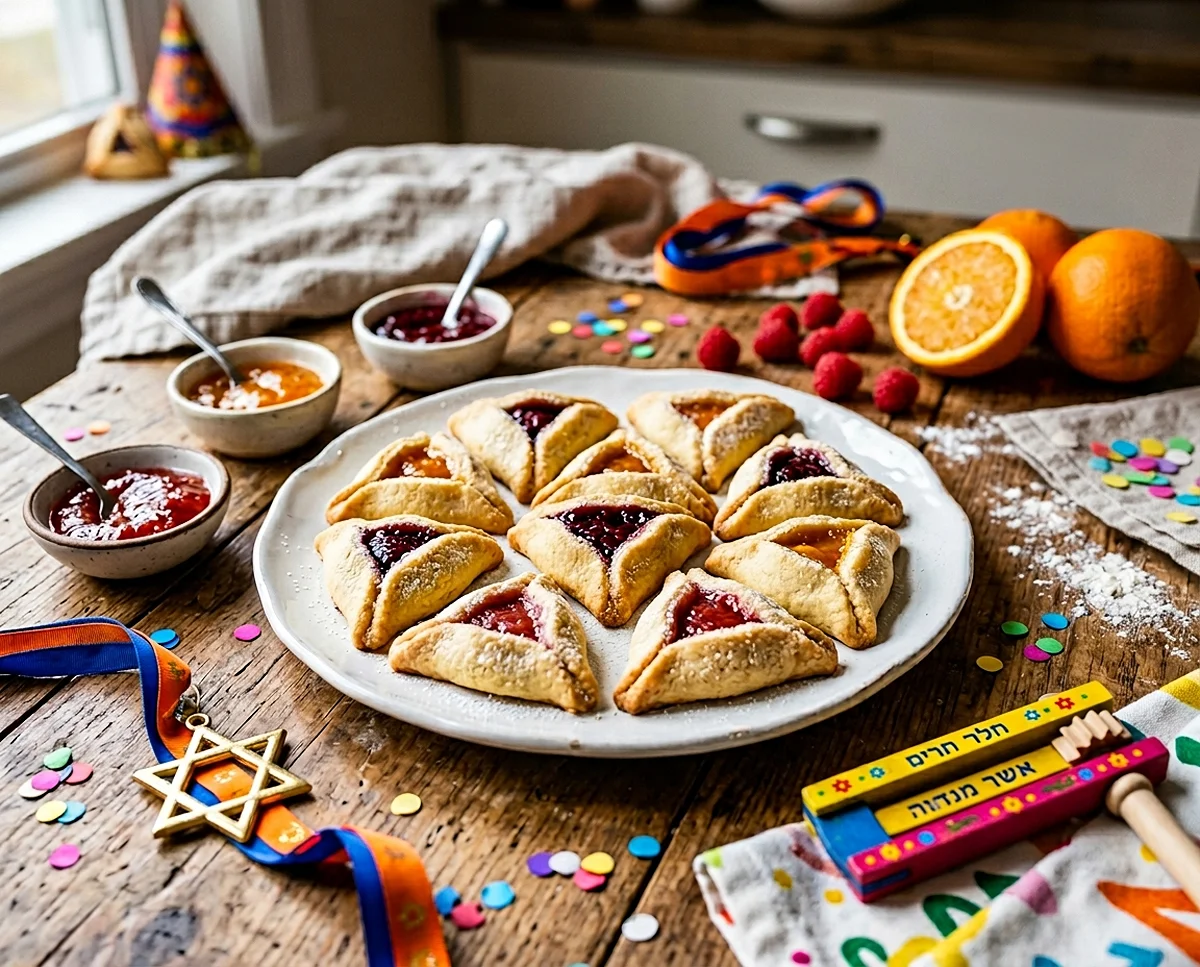
Easy Hamantaschen
Get ready to shimmy into Purim with our Easy Hamantaschen recipe! These delightful, fruit-filled cookies are a breeze to whip up and even more fun to devour. Perfect for beginner bakers, you’ll be making these triangular treats like a pro in no time!
This recipe is part of our “Sweet & Simple Treats” roundup – a collection of fuss-free delights just like this one. So grab your aprons, gather your ingredients, and let’s bake up some joy! Happy Purim!
Check out the complete easy hamantaschen recipe and bring this delicious dish to your table.
Expert Tips for Easter and Passover Cooking
When baking yeast breads like hot cross buns, temperature matters more than you think. Serious Eats explains the science behind yeast activation, noting that dough rises best in a warm, draft-free spot around 75-80°F.
For your Passover fish dishes, freshness is everything. Poaching gefilte fish at a gentle simmer rather than a rolling boil keeps the texture tender and prevents the fish from becoming rubbery, a technique backed by traditional Jewish cooking wisdom.
When decorating cakes and cupcakes, chilling your frosted layers for 15 minutes before adding final decorations helps everything set beautifully. King Arthur Baking offers practical cake decorating tips that make even beginner bakers look like pros.
Don’t be afraid to make dishes ahead—many of these recipes actually taste better the next day as flavors meld. Charoset, for example, benefits from sitting overnight, and pinwheels can be assembled, frozen, and baked fresh when guests arrive.
Celebrate with Recipes That Bring Everyone Together
Whether you’re setting the table for an Easter brunch or preparing a meaningful Passover Seder, these recipes honor tradition while keeping things approachable and delicious. Each dish tells a story, connects generations, and fills your home with the kind of warmth that only holiday cooking can bring.
Try a few of these recipes this season, mix and match to suit your family’s tastes, and don’t forget to share your results in the comments below. We’d love to hear which dishes become new traditions in your home!
Frequently Asked Questions
What is the connection between Easter and Passover?
Easter and Passover are historically connected through the Last Supper, which was a Passover meal that Jesus shared with his disciples before his crucifixion. Easter’s timing is calculated in relation to Passover, as it falls on the first Sunday following the first full moon after the spring equinox, which typically places it near or during Passover. Both holidays celebrate themes of liberation and renewal during the spring season.
When do Easter and Passover occur each year?
Passover begins on the 15th day of the Hebrew month of Nisan, usually falling in March or April. It lasts for seven or eight days depending on tradition. Easter is celebrated on the first Sunday after the first full moon following the spring equinox, which means it can fall anywhere between March 22 and April 25. Because they follow different calendar systems, the holidays sometimes overlap but not always.
What are the main symbolic foods of Passover?
The Passover Seder plate includes several symbolic foods: matzah (unleavened bread) representing the haste of the Israelites’ departure from Egypt, maror (bitter herbs) symbolizing slavery’s bitterness, charoset (a sweet paste) representing the mortar used by Hebrew slaves, karpas (a vegetable) dipped in salt water for tears shed in slavery, and a roasted egg and shankbone symbolizing the ancient temple sacrifice and the pascal lamb.
Why are eggs associated with Easter?
Eggs have been an Easter symbol for centuries, representing new life, resurrection, and rebirth. Historically, eggs were forbidden during Lent in many Christian traditions, making them a special treat for Easter Sunday. Decorating eggs became a popular tradition, with different cultures developing unique styles. The egg’s symbolism of emerging life parallels the Christian belief in Jesus’s resurrection and the renewal of faith.
What is the significance of the Passover Seder?
The Passover Seder is a ritual feast that marks the beginning of Passover. It follows a specific order of prayers, songs, stories, and foods that retell the story of the Israelites’ liberation from slavery in ancient Egypt. The Seder uses the Haggadah as a guide and involves all participants in reading, discussing, and experiencing the Exodus story. It emphasizes passing traditions to younger generations and reflecting on themes of freedom and justice.