International Breakfast Recipes
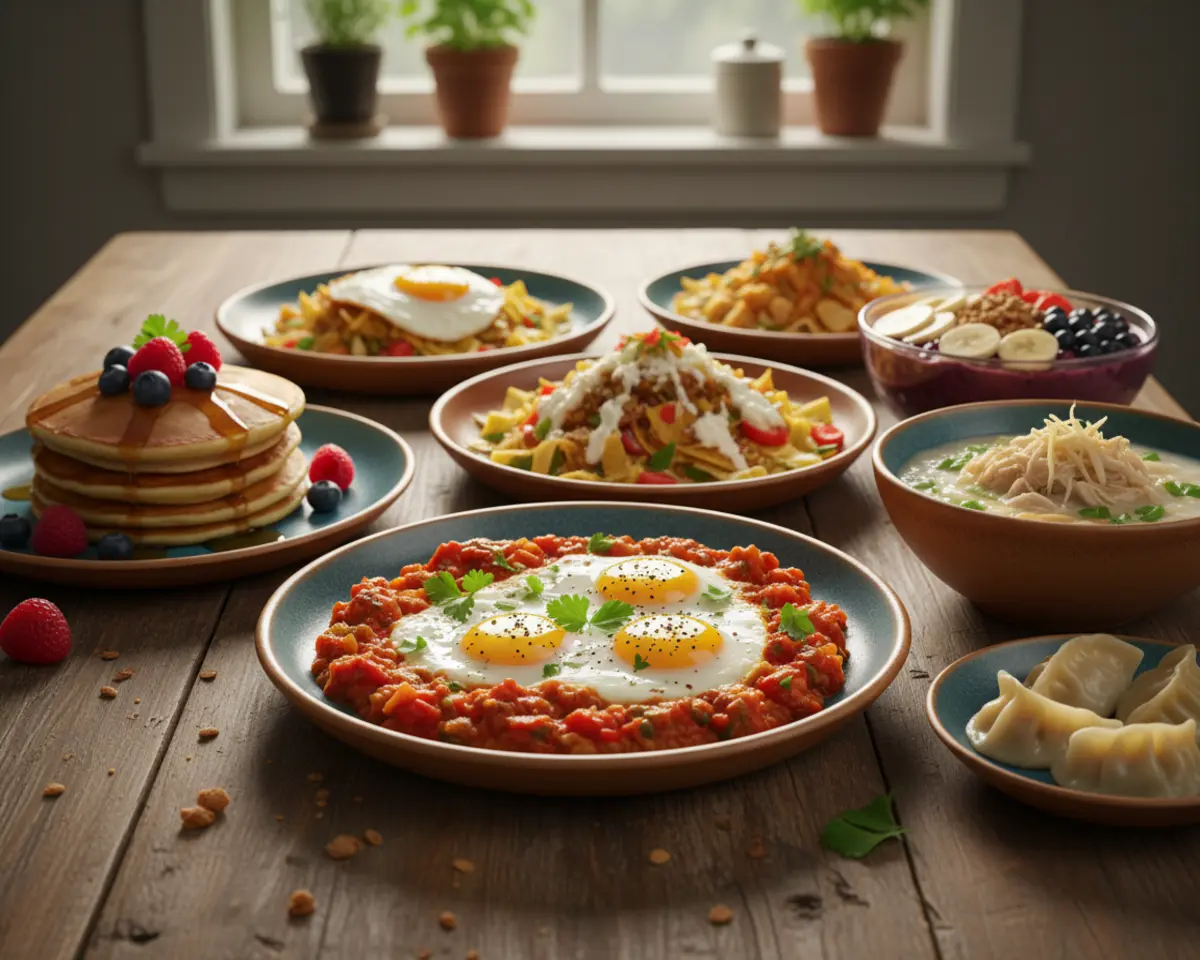
Wake up your mornings with international breakfast recipes that bring the world to your table—from savory Indian moong dal chilla to sweet Filipino ube taho, these global breakfast recipes prove that the first meal of the day looks deliciously different everywhere you go.
I’ll never forget the morning I stumbled into a tiny breakfast stall in Mumbai, jet-lagged and starving. The sizzle of batter hitting a hot griddle, the earthy scent of lentils mingling with cumin—that first bite of chilla changed everything I thought I knew about breakfast.
Growing up, breakfast meant toast or cereal. But once I started exploring breakfast recipes from around the world, I realized I’d been missing out on centuries of morning wisdom. Now my kitchen smells like spices one day and sweet purple yam the next.
These easy international breakfasts aren’t just meals—they’re tiny passports stamped with flavor, ready to transport you before your coffee’s even finished brewing.
Table of Contents
Quick Overview
This guide walks you through two stunning international breakfast recipes that’ll shake up your morning routine. We’re diving into India’s protein-packed moong dal chilla and the Philippines’ comforting ube taho.
Both recipes are surprisingly simple, require minimal specialty ingredients, and deliver maximum wow factor. Whether you’re craving savory or sweet, there’s a global breakfast here calling your name.
Healthy Moong Dal Chilla Recipe
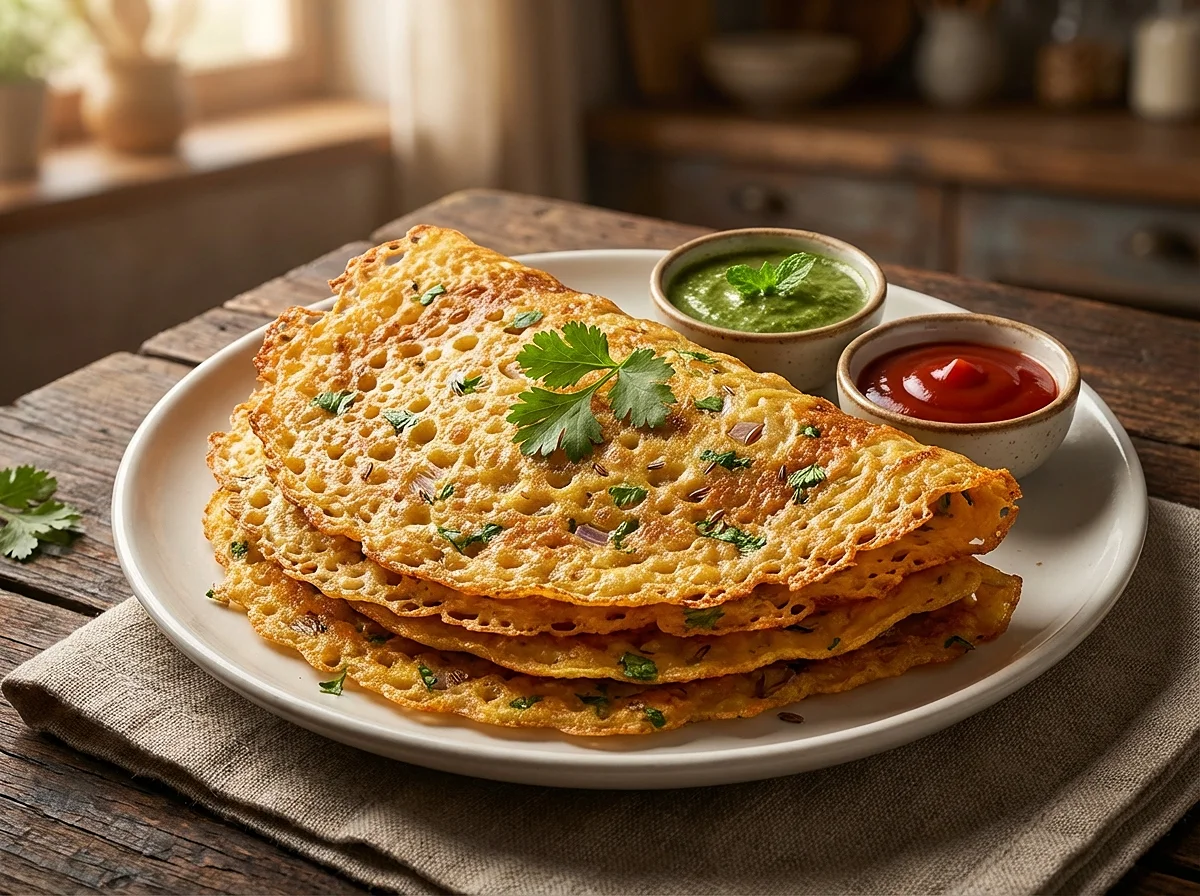
Think of chilla as India’s answer to savory crepes, but way more nutritious. Made from soaked moong dal (split mung beans), these golden pancakes are packed with protein and fiber, making them perfect for busy mornings when you need staying power.
The batter comes together in a blender, and you can customize it with whatever veggies you’ve got hanging around—grated carrots, chopped spinach, diced onions. I love how this healthy chilla recipe transforms humble lentils into something genuinely crave-worthy.
Serve them hot off the griddle with a dollop of yogurt or green chutney, and you’ve got breakfast that feels like a warm hug from someone’s Indian grandmother.
Ube Taho Recipe
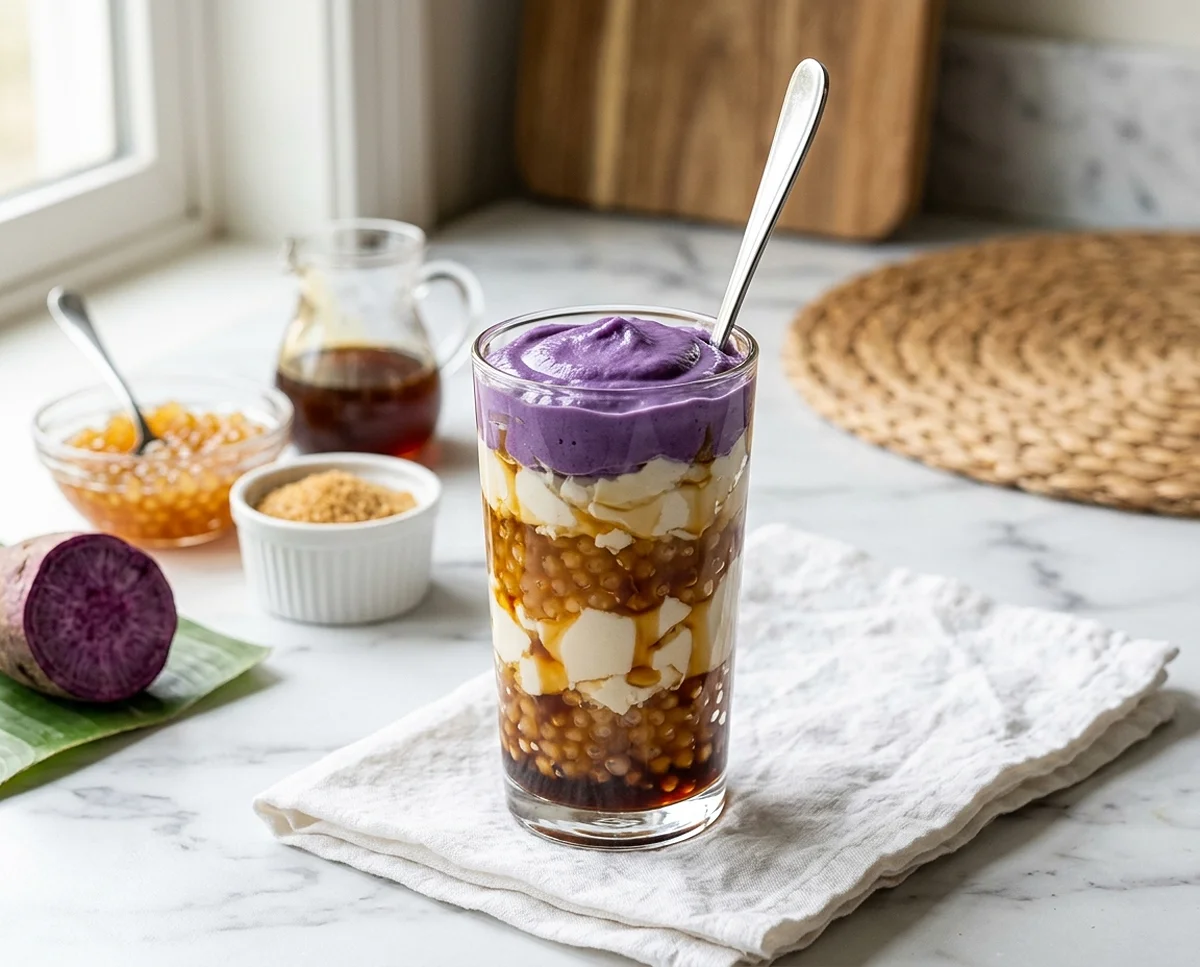
If you’ve never experienced taho, you’re in for a treat—literally. This Filipino street food classic features silky tofu drowning in sweet syrup and chewy tapioca pearls, and the ube version adds that gorgeous purple yam flavor that’s taken the internet by storm.
What I love most is how this ube taho breakfast walks the line between comforting and exciting. It’s warm, sweet, and just different enough to make your morning feel special without requiring any complicated techniques.
The soft tofu provides protein while the ube syrup delivers that Instagram-worthy color and earthy-sweet flavor. It’s like a breakfast dessert that won’t leave you crashing an hour later.
Expert Tips for Mastering Global Breakfasts
The secret to great international breakfast recipes? Don’t stress about authenticity—focus on flavor. I’ve learned that soaking your moong dal overnight makes for smoother chilla batter, but even a quick 4-hour soak works in a pinch.
For the taho, temperature matters more than you’d think. Serious Eats explains how gentle heating preserves tofu’s silky texture, which is crucial for this recipe. Too hot, and you’ll end up with rubbery curds instead of that signature melt-in-your-mouth softness.
When working with lentil batters like chilla, let them rest for 10-15 minutes after blending. This allows the starches to hydrate fully, giving you that perfect crepe-like texture instead of something dense and heavy.
And here’s a game-changer: understanding the Maillard reaction helps you nail that golden-brown crust on your chilla. Medium-high heat is your friend—hot enough to develop flavor, not so hot that you burn the outside before cooking the inside.
Variations to Try
Once you’ve mastered these basics, the world really does become your breakfast oyster. Try adding cheese to your chilla for a fusion twist, or mix in some jalapeños if you like your mornings with a kick.
The ube taho is endlessly adaptable too. Swap the ube for chocolate, matcha, or classic brown sugar. You can even make it vegan by ensuring your tofu is nigari-based and your syrups are plant-friendly.
For the chilla, experiment with different dal combinations—mix moong with chana dal for extra texture, or try masoor dal for a slightly earthier flavor profile. Each legume brings its own personality to the griddle.
Don’t sleep on savory toppings for your taho, either. Some Filipino regions serve it with a pinch of sea salt or even a drizzle of coconut cream. Rules are made to be deliciously broken.
Why International Breakfasts Matter
Here’s the thing about exploring global breakfast recipes—they expand not just your palate, but your whole perspective on what morning can be. In India, breakfast is savory and substantial. In the Philippines, it might be sweet and comforting.
There’s no “right” way to start your day, and that’s incredibly freeing. Some cultures front-load protein, others prioritize carbs, and plenty embrace soup or yesterday’s dinner as perfectly acceptable breakfast foods.
By bringing these traditions into your kitchen, you’re doing more than just trying new recipes. You’re connecting with centuries of food wisdom, with home cooks who perfected these dishes through generations of breakfast tables.
Plus, let’s be honest—your Instagram feed could use more purple tofu and golden lentil crepes. These dishes photograph like dreams and taste even better.
Making It Work on Busy Mornings
I know what you’re thinking: “This sounds great, but I can barely manage toast before work.” Fair point. That’s why meal prep is your best friend when it comes to easy international breakfasts.
Blend your chilla batter the night before and store it in the fridge. In the morning, you’re literally 5 minutes away from hot breakfast. Same goes for the ube syrup for taho—make a big batch on Sunday and reheat portions throughout the week.
You can even cook chillas in advance and reheat them in a dry skillet. They’re surprisingly resilient and actually taste great at room temperature, making them perfect for grab-and-go mornings or packed lunches.
The tapioca pearls for taho keep well in their syrup for several days. Just reheat gently and assemble fresh each morning. The whole process takes less time than waiting in line at a coffee shop.
Ingredient Shopping Made Simple
Don’t let unfamiliar ingredients intimidate you. Moong dal is available at any Indian grocery store and increasingly at regular supermarkets in the international aisle. It’s incredibly affordable and keeps forever in your pantry.
Ube extract or ube halaya (the jam-like paste) can be found at Filipino markets or ordered online. If you’re in a pinch, purple sweet potato works as a substitute, though the flavor’s a bit different—earthier and less floral.
For silken tofu, Japanese or Korean markets are your best bet for the really good stuff. Look for tubes or boxes labeled “soft” or “silken.” The firmer blocks you find in regular grocery stores won’t give you that signature taho texture.
Small tapioca pearls (not the giant boba size) are what you want for taho. Asian supermarkets stock them dried, and they’re dirt cheap. One bag will last you months of breakfast experiments.
Nutritional Superpowers
Let’s talk about why these international breakfast recipes aren’t just delicious—they’re legitimately good for you. Moong dal is a complete protein powerhouse, offering all essential amino acids along with folate, iron, and magnesium.
The fermentation-like process of soaking the dal also makes it easier to digest, which is why chilla sits lighter in your stomach than wheat-based pancakes. It’s naturally gluten-free too, if that matters to your household.
Tofu brings its own nutritional game, offering plant-based protein and calcium. The ube adds antioxidants and that gorgeous purple color signals anthocyanins, the same beneficial compounds found in blueberries.
Sure, the syrup adds sugar, but you control how much. I’ve found that cutting the sweetness by a third still delivers plenty of flavor while keeping things more balanced. Your breakfast, your rules.
Serving Suggestions That Wow
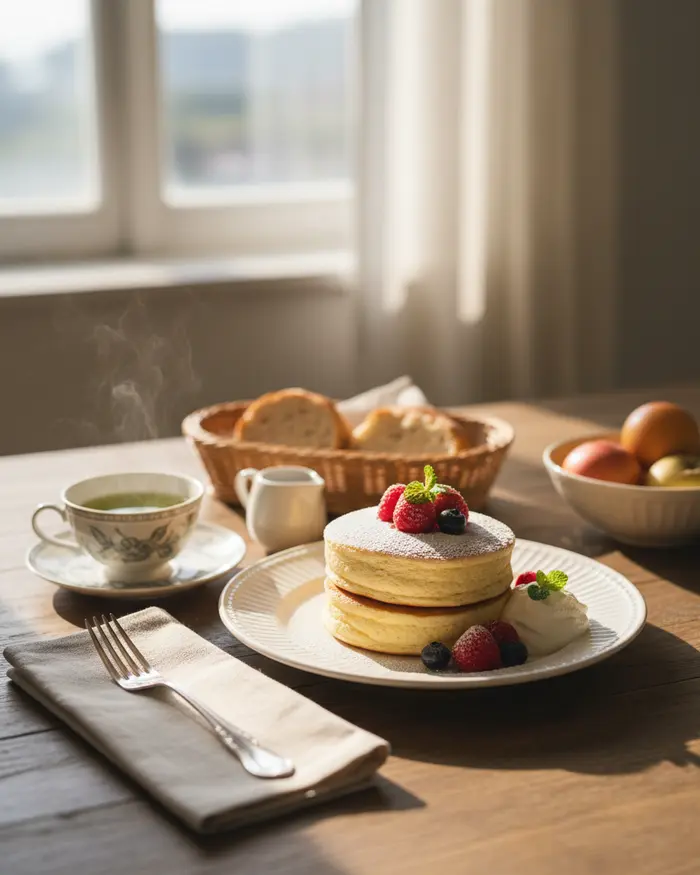
Presentation matters, even on a Tuesday morning. Stack your chillas with layers of mint chutney between them, cut into wedges like a savory cake. Suddenly your breakfast looks like it came from a trendy brunch spot.
For taho, serve it in clear glasses so you can see those gorgeous purple layers. Top with extra tapioca pearls, a sprinkle of toasted coconut, or even some crushed graham crackers for textural contrast.
Create a breakfast board with your chilla cut into strips, surrounded by little bowls of various chutneys, pickles, and yogurt. It’s interactive, fun, and makes weekday breakfast feel like an event.
Don’t underestimate the power of fresh herbs either. A handful of cilantro on your chilla or a mint leaf garnish on your taho takes things from homemade to restaurant-worthy in seconds.
Common Mistakes to Avoid
After making these recipes more times than I can count, I’ve learned where things typically go wrong. With chilla, the biggest mistake is making the batter too thick. It should pour easily and spread thin, more like crepe batter than pancake batter.
For taho, don’t skip the gentle heating step. Blasting your tofu with high heat breaks down that silky texture you’re after. Low and slow wins this race every time.
Oversalting the chilla batter is another common pitfall. Remember, you’ll likely be serving it with salty accompaniments like pickles or chutney, so keep the base relatively mild. You can always add more salt at the table.
With tapioca pearls, undercooking them leaves you with hard centers, while overcooking turns them to mush. Set a timer and test one pearl before draining the whole batch. They should be chewy with no chalky center.
Start Your Global Breakfast Adventure
The beautiful thing about breakfast recipes from around the world is that they remind us mornings don’t have to be boring. You don’t need a plane ticket to experience how families in Mumbai or Manila start their day.
These recipes are your invitation to break out of the cereal-and-toast rut, to wake up your taste buds along with the rest of you. They’re proof that international cooking isn’t complicated—it’s just different, in the best possible way.
So grab your blender for that chilla batter, or heat up a pot for some ube taho. Your morning routine is about to get a serious upgrade. Which recipe are you trying first? Drop a comment below and let me know how your global breakfast adventure goes!
And if you love these, share them with someone who needs to shake up their breakfast game. The world’s too delicious to eat the same thing every morning.
Frequently Asked Questions
What are some popular international breakfast recipes to try at home?
Popular international breakfast recipes include French croissants and pain au chocolat, Japanese tamagoyaki and miso soup, Mexican huevos rancheros, English full breakfast with beans and toast, Turkish menemen, Israeli shakshuka, Indian masala dosa, and Spanish churros with chocolate. These dishes offer diverse flavors and cooking techniques from around the world.
How do breakfast traditions differ between Asian and Western countries?
Asian breakfasts typically feature savory dishes like rice, noodles, soups, and fermented foods, emphasizing warm, cooked meals. Examples include congee in China and natto with rice in Japan. Western breakfasts often include bread, pastries, eggs, dairy products, and coffee, with a mix of sweet and savory options. Western breakfasts tend to be quicker to prepare, while Asian breakfasts often involve more complex cooking processes.
What ingredients do I need to make a traditional English breakfast?
A traditional English breakfast requires eggs, bacon, pork or beef sausages, baked beans, tomatoes, mushrooms, and toast or fried bread. Some variations include black pudding and hash browns. The meal is typically cooked in a frying pan with butter or oil, and served with tea or coffee. Quality ingredients make a significant difference in achieving an authentic taste.
Are international breakfast recipes difficult to prepare for beginners?
Many international breakfast recipes are beginner-friendly and require basic cooking skills. Simple options include French toast, shakshuka, Mexican breakfast burritos, or Japanese rice with egg. Some recipes like croissants or traditional dim sum require advanced techniques and more time. Start with recipes that have fewer ingredients and straightforward instructions, then gradually try more complex dishes as you gain confidence.
Can international breakfast recipes be adapted for dietary restrictions?
Yes, most international breakfast recipes can be modified for various dietary needs. For vegetarian diets, replace meat with plant-based proteins or vegetables. For gluten-free requirements, use alternative flours or skip bread-based items. Dairy-free versions can substitute plant-based milk and yogurt. Many traditional recipes like fruit-based dishes, rice porridge, or egg preparations are naturally adaptable to different dietary restrictions with simple ingredient swaps.