Korean Ground Beef Bowl
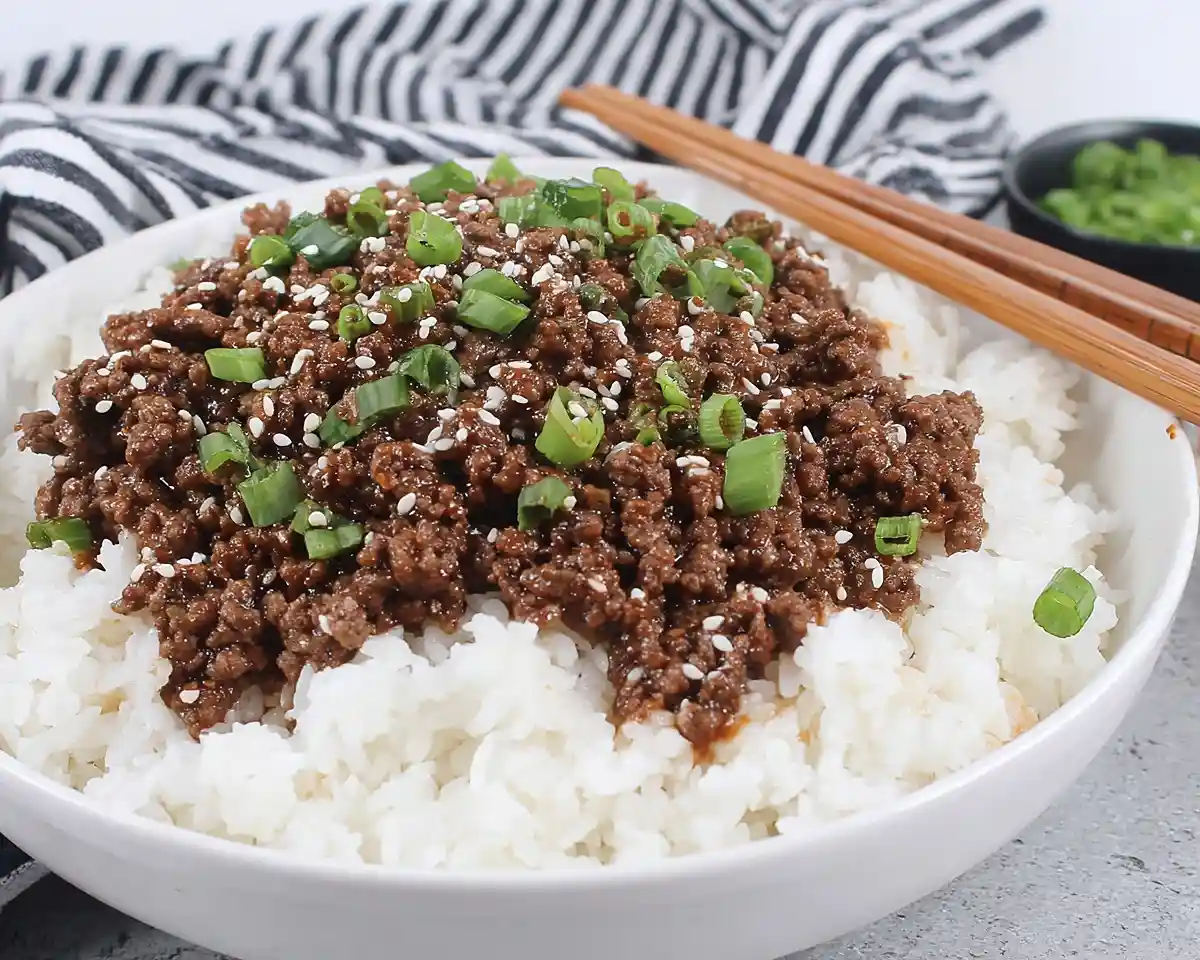
This Korean Ground Beef Bowl is the ultimate weeknight dinner fix — savory, garlicky beef over fluffy rice, ready in under 20 minutes with pantry staples you already have.
Okay, real talk — this Korean Ground Beef Bowl saved my weeknights. I stumbled onto it on a Thursday evening when I had ground beef thawing, zero dinner plans, and a family that was already hangry. Twenty minutes later, everyone was at the table and weirdly quiet (the good kind of quiet).
This is one of those recipes you’ll make once and it immediately earns a permanent spot in your rotation.
Table of Contents
What Makes This Korean Ground Beef Bowl So Good?
This Asian beef bowl hits every single note — savory, garlicky, just a tiny bit sweet, with that gorgeous sesame aroma that makes your whole kitchen smell amazing. It’s built on simple pantry staples, comes together in one skillet, and the cleanup is almost embarrassingly easy. Whether you’re cooking for picky kids or impressing a guest, this dish delivers.
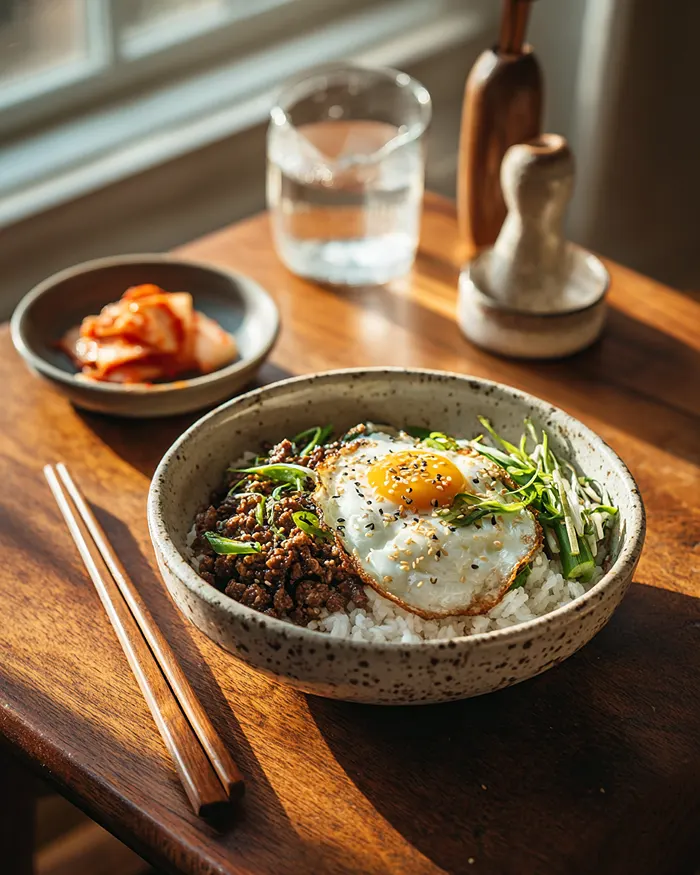
Think of it as your gateway into ground beef Chinese recipes territory — familiar flavors, bold punch, zero fuss. It pairs beautifully with steamed rice but honestly works just as well in a lettuce wrap if you’re keeping it light. And yes, it absolutely slaps with a fried egg on top.
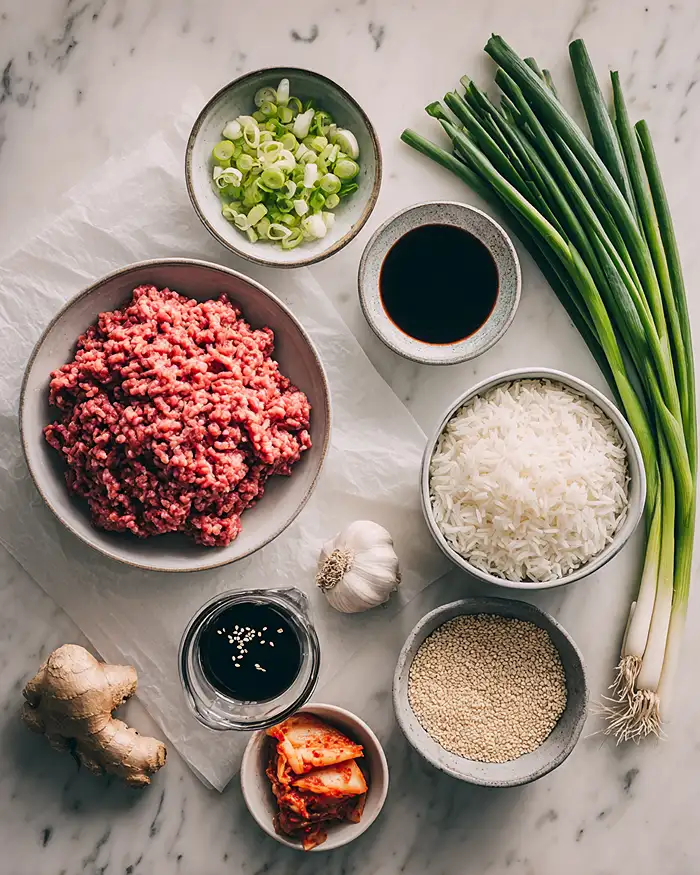
Ingredients You’ll Need
| Category | Ingredient | Amount / Notes |
|---|---|---|
| Protein | Ground beef (80/20) | 1 pound — the fat = the flavor, trust me |
| Sauce & Seasoning | Soy sauce (or tamari for gluten-free) | 2 tablespoons |
| Sauce & Seasoning | Sesame oil | 1 tablespoon |
| Aromatics | Garlic, minced | 3 cloves |
| Aromatics | Fresh ginger, minced | 1 teaspoon |
| Aromatics | Green onions, chopped | 2 stalks (save some for garnish!) |
| Seasoning | Salt & pepper | To taste |
| Base | Cooked rice | 2 cups — jasmine, basmati, or brown rice |
| Toppings (optional) | Sesame seeds, sliced cucumber, kimchi, or pickled vegetables | As much as your heart desires |
| Optional Add-ins | Vegetables: bell peppers, carrots, broccoli, or spinach | Great for sneaking in extra goodness |
| Optional Add-ins | Egg (fried) | One per bowl — honestly a game-changer |
How to Make a Korean Ground Beef Bowl
This is the kind of recipe that’s almost too simple — but don’t let that fool you. The technique (even the small stuff, like when you add the garlic) makes a real difference in the final flavor. Let’s walk through it.
Step 1: Get Your Rice Going First
Whatever method you use, start the rice before anything else. It takes longer than the beef, and there’s nothing worse than perfect beef sitting around getting cold while you wait for rice to cook.
Stovetop: Rinse 1 cup of rice under cold water until the water runs clear — this removes extra starch so it doesn’t get gummy. Add it to a pot with 2 cups of water, bring to a boil, then drop the heat to low, cover, and let it simmer for about 15 minutes. Kill the heat and let it sit (still covered!) for 5 minutes before fluffing with a fork.
Rice cooker: Add your rinsed rice and water, close the lid, press the button, and go handle the beef. It’ll beep when it’s ready — love that for us.
Instant Pot: Rinsed rice + water, seal the lid, high pressure for 3 minutes, then let it natural release. Done and done.
💡 Pro tip: Jasmine rice is my personal favorite here — it’s got this subtle floral fragrance that plays really nicely with the sesame and ginger in the beef.
Step 2: Brown the Beef
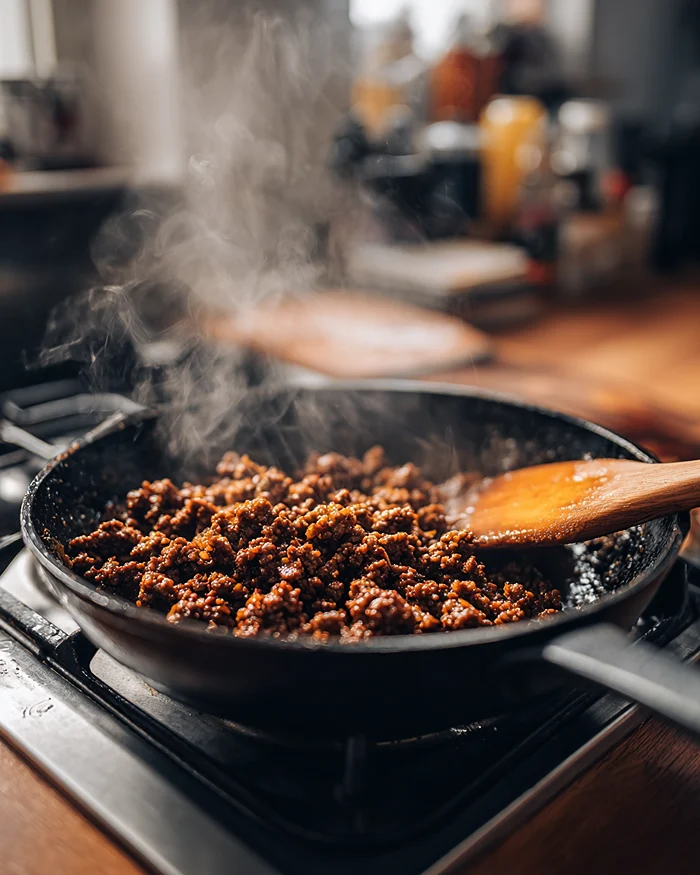
Heat a large skillet over medium-high heat — you want it genuinely hot before the beef hits the pan. Add your ground beef and break it apart with a spatula or wooden spoon as it cooks. You’re going for a good sear on the bits, not just gray steamed meat. Cook for 5 to 7 minutes until there’s no more pink.
If there’s a lot of fat pooling in the pan, go ahead and drain most of it — but leave just a little because that’s where flavor lives. The 80/20 blend is worth it for this exact reason; leaner beef tends to turn out dry and a bit sad.
💡 Don’t crowd the pan. If your skillet is small, work in batches — crowding causes steaming instead of browning, and you want those caramelized bits.
Step 3: Add the Aromatics
Once the beef is browned, push it to the sides a little and drop the minced garlic and ginger right into the center of the pan. Let them sizzle for about 1 to 2 minutes, stirring constantly so they don’t burn. You’ll know it’s ready when your kitchen smells absolutely incredible — that warm, spicy, garlicky cloud is the signal.
This step is important: garlic and ginger added too early will scorch, and added too late won’t have time to bloom properly. Right after the beef is browned = perfect timing.
Step 4: Sauce It Up
Now pour in the soy sauce and sesame oil, and toss in those chopped green onions. Stir everything together so the sauce coats every single piece of beef. Season with salt and pepper — though go easy on the salt since the soy sauce is already doing heavy lifting there.
Let the whole mixture simmer for 2 to 3 minutes on medium heat. This is where the magic happens: the sauce reduces slightly, the flavors meld together, and everything just clicks. You’ll notice the color deepen to this gorgeous burnished brown. That’s your cue.
Step 5: Assemble Your Bowl
This is the fun part! Spoon a generous mound of fluffy rice into the bottom of your bowl. Top it with a big scoop of that saucy, fragrant beef. Add any veggies you’ve prepped — steamed broccoli, sliced cucumbers, or even a handful of fresh spinach works beautifully here.
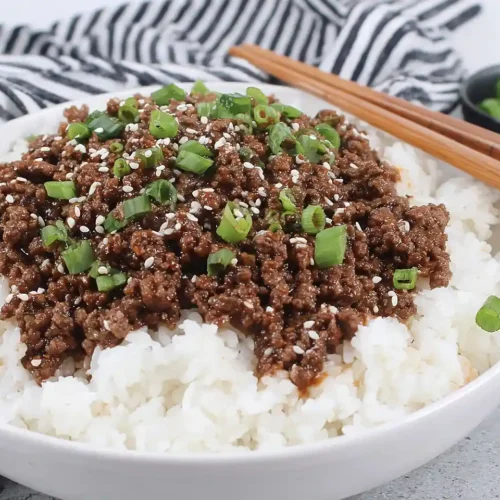
Finish with your garnishes: a sprinkle of sesame seeds, a few rings of green onion, maybe a spoonful of kimchi on the side for that funky, spicy punch. And if you’re treating yourself (you should), slide a fried egg right on top. The runny yolk mixing into the beef and rice is honestly one of life’s small pleasures.
Tips, Variations & Troubleshooting
Expert Tips for the Best Asian Beef Bowl
Use fresh ginger if you can. The jarred stuff works in a pinch, but fresh ginger has this bright, almost citrusy heat that really elevates the whole dish. A small knob goes a long way, and it keeps in the freezer beautifully — just grate it from frozen.
Don’t skip the sesame oil. It’s a finishing oil with a bold, nutty flavor — adding it at the end (rather than cooking in it) preserves that aroma. A little goes a long way, so don’t overdo it.
Taste as you go. The salt in soy sauce varies by brand, so always taste before adding extra salt. Tamari is a great swap for a gluten-free version that tastes nearly identical.
Easy Variations to Mix It Up
Make it a veggie-loaded bowl. Toss in diced bell peppers or shredded carrots directly into the skillet with the beef during the last 3 minutes of cooking. They’ll soften slightly while keeping a little bite. Spinach wilts in within seconds — just stir it in right at the end.
Spice lovers, listen up. Add a teaspoon of gochujang (Korean chili paste) or a drizzle of sriracha into the sauce for a fiery kick. This nudges it more firmly into red meat recipes dinners territory with a serious wow factor at the dinner table.
Make it low-carb. Swap the rice for cauliflower rice, and you’ve got a lighter version that still delivers all the same bold flavors. It’s a solid option if you’re watching carbs but refuse to give up a good Asian beef bowl.
Troubleshooting Common Issues
Beef is dry or crumbly? This usually means it was overcooked or you used a very lean blend. Stick with 80/20 and pull it off the heat as soon as it’s just cooked through. The sauce will also help keep everything moist.
Too salty? Add a squeeze of lime juice or a tiny drizzle of honey — both will balance out excess saltiness beautifully. A bit more rice in the bowl helps dilute it too.
Sauce isn’t coating the beef? Let it simmer a bit longer with the heat slightly raised. The liquid needs to reduce down enough to cling to the meat rather than pool at the bottom.
Storage, Reheating & No-Waste Ideas
| Method | How Long | Notes |
|---|---|---|
| Refrigerator | Up to 4 days | Store beef and rice separately for best texture |
| Freezer (beef only) | Up to 3 months | Freeze in a zip-lock bag, label with the date |
| Meal prep | 4 days in fridge | Portion into containers for grab-and-go lunches |
To reheat: Microwave the beef with a tiny splash of water (about a teaspoon) to keep it from drying out — 1 to 2 minutes on medium power works great. For the rice, the same splash-of-water trick before microwaving makes it fluffy again. You can also reheat the beef in a skillet on the stovetop over medium heat for 3 to 4 minutes.
No-waste ideas: Leftover beef makes an unreal filling for tacos, burritos, or lettuce cups the next day. Stir it into scrambled eggs for a next-level breakfast bowl — actually, speaking of eggs, our Afghani omelette uses a similarly fragrant, spice-forward approach that’s worth a look. Or pile the beef onto toast with a soft egg for a quick version of our 5-minute breakfast sandwich.
Nutritional Information (Per Serving)
| Nutrient | Amount (approx.) |
|---|---|
| Calories | ~480 kcal |
| Protein | ~28g |
| Carbohydrates | ~42g |
| Fat | ~18g |
| Fiber | ~1g |
| Sodium | ~620mg |
*Nutritional values are estimates based on standard ingredients. Actual values may vary depending on toppings and rice type used.
Frequently Asked Questions
Can I use a different protein instead of ground beef?
Absolutely! Ground turkey or ground chicken work great here and make for a lighter bowl overall. The flavor will be slightly milder, so you might want to bump up the garlic and ginger just a touch.
Ground pork is another excellent option that actually leans more into traditional ground beef Chinese recipes-style flavor profiles.
What’s the best rice for a Korean Ground Beef Bowl?
Short-grain white rice is technically most traditional for Korean-inspired dishes, but jasmine rice is my everyday go-to for this recipe — it’s fragrant, fluffy, and cooks quickly. Brown rice works too if you want something heartier and more nutritious. Honestly, even cauliflower rice works if you’re going low-carb.
Is this recipe kid-friendly?
Yes! The base recipe is pretty mild, so it tends to be a hit with kids. If you’re feeding little ones, just skip the kimchi and any spicy add-ons, and you’ll have a simple, familiar-tasting Asian beef bowl they’ll actually eat. It looks like a fun build-your-own bowl situation, which kids tend to love.
Can I make this ahead of time?
The beef mixture is actually great for meal prep — it stores well in the fridge for up to 4 days and reheats beautifully. I’d recommend cooking the rice fresh when you’re ready to eat, since day-old rice can get a bit dry, or just use the microwave splash-of-water trick mentioned in the storage section.
This makes it one of the most reliable red meat recipes dinners for busy weeknights.
How do I make this gluten-free?
Easy swap: use tamari instead of regular soy sauce, and double-check that your sesame oil is certified gluten-free (most are). Everything else in the recipe is naturally gluten-free. Serve over rice (not noodles) and you’re good to go with zero compromise on flavor.
Ready to Make It?
This Korean Ground Beef Bowl is one of those rare recipes that feels fancy enough for a Saturday night but is genuinely doable on a Tuesday after a long day. It’s satisfying, fast, flexible, and — most importantly — absolutely delicious. Once you try it, I have a feeling it’ll become your go-to, too.
If you love easy, flavor-forward meals like this, you might also enjoy our chickpea feta avocado salad for a lighter lunch option, or our vegetable upma recipe for a wholesome breakfast with a similar one-pan vibe. And if you’re into quick egg-based meals, our pizza eggs recipe is a 10-minute weeknight savior in its own right.
Give this recipe a try and let me know how it goes! Drop a comment below with your favorite toppings, any tweaks you made, or just to say hi — I genuinely love hearing from you. And if your bowl turned out gorgeous (it will), please share it on Pinterest so others can find it too! 📌 A little save goes a long way in helping this recipe reach more hungry weeknight cooks just like you.
Easy Korean Ground Beef Bowl
Equipment
- Large skillet
- Medium saucepan or rice cooker
- Spatula or wooden spoon
- Measuring spoons
- Knife and cutting board
Ingredients
Protein
- 1 pound Ground beef 80/20 blend recommended for best flavor
Sauce & Seasoning
- 2 tablespoons Soy sauce Use tamari for a gluten-free version
- 1 tablespoon Sesame oil Add at the end to preserve aroma
Aromatics
- 3 cloves Garlic Minced
- 1 teaspoon Fresh ginger Minced; fresh preferred over jarred
- 2 stalks Green onions Chopped; reserve some for garnish
Seasoning
- Salt and black pepper To taste
Base
- 2 cups Cooked rice Jasmine, basmati, or brown rice all work well
Optional Toppings
- Sesame seeds For garnish
- Sliced cucumber Optional topping
- Kimchi or pickled vegetables Optional topping for extra punch
Optional Add-ins
- Vegetables Bell peppers, carrots, broccoli, or spinach — add to skillet in the last 3 minutes
- 1 Egg Fried, one per bowl — optional but highly recommended
Instructions
- Prepare the Rice: Rinse 1 cup of rice under cold water until the water runs clear. For stovetop: combine with 2 cups of water in a pot, bring to a boil, reduce heat to low, cover, and simmer for 15 minutes. Remove from heat and let sit covered for 5 minutes, then fluff with a fork. For a rice cooker: add rinsed rice and water and cook per manufacturer instructions. For Instant Pot: combine rinsed rice and water, seal, cook on high pressure for 3 minutes, then natural release.
- Brown the Beef: Heat a large skillet over medium-high heat until genuinely hot. Add the ground beef and break it apart with a spatula as it cooks. Cook for 5–7 minutes until no longer pink, aiming for a good sear rather than steaming. Drain excess fat if needed, but leave a little for flavor.
- Add the Aromatics: Push the browned beef to the sides of the pan. Add the minced garlic and ginger to the center and let them sizzle for 1–2 minutes, stirring constantly, until fragrant. Don’t let them burn — golden and aromatic is the goal.
- Sauce It Up: Stir in the soy sauce, sesame oil, and chopped green onions. Mix everything together until the sauce coats all the beef. Season with salt and pepper to taste (go easy — the soy sauce is already salty). Let the mixture simmer on medium heat for 2–3 minutes until the sauce reduces slightly and turns a gorgeous burnished brown.
- Assemble the Bowl: Spoon a generous amount of cooked rice into the bottom of each bowl. Top with the saucy beef mixture. Add any optional vegetables around or on top. Finish with a sprinkle of sesame seeds, extra green onions, kimchi if using, and a fried egg on top if desired. Serve immediately.