Vegetable Upma Recipe
This authentic vegetable upma recipe is a healthy, easy Indian breakfast made with roasted semolina and colorful veggies. Perfect for busy mornings, ready in under 30 minutes!
Growing up, the sound of mustard seeds crackling in hot oil meant one thing: Mom was making upma. And honestly? It’s still one of my go-to breakfasts when I need something warm, filling, and ridiculously quick to throw together.
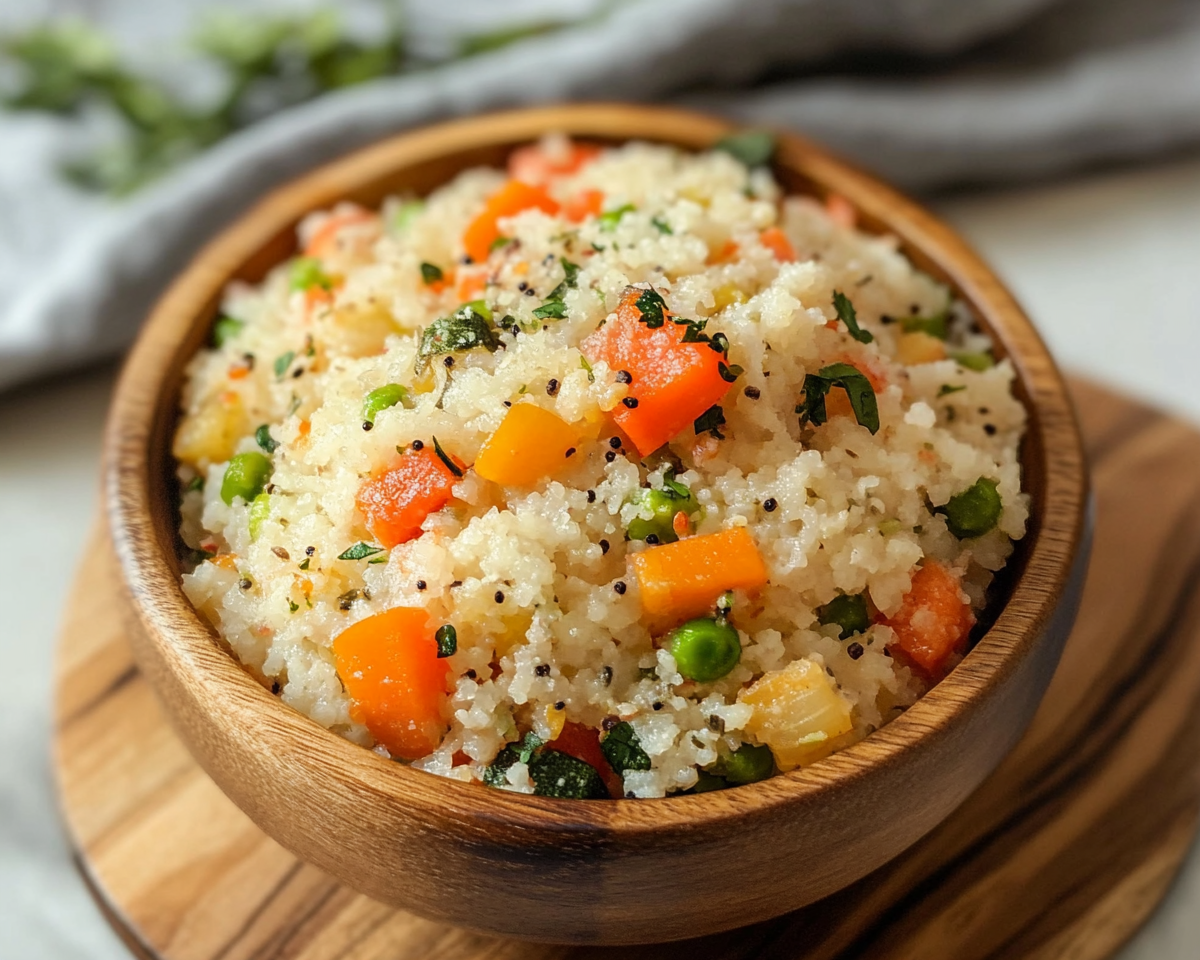
Vegetable upma is basically South Indian comfort food at its finest. It’s this beautiful combo of roasted semolina cooked with spices and whatever veggies you’ve got hanging out in your fridge. The best part? It comes together in like 20 minutes, tastes amazing, and somehow makes you feel like you’ve got your life together even on the most chaotic mornings.
Table of Contents
What Makes This Vegetable Upma So Good
This isn’t your sad, clumpy upma. Nope. This version is fluffy, flavorful, and loaded with veggies that actually add crunch and color. It’s one of those healthy vegetarian recipes Indian cuisine does so well—simple ingredients, bold flavors, and zero fuss.
The secret’s in roasting the rava (that’s semolina) until it smells nutty and toasty. Skip this step and you’ll end up with gummy upma that tastes kinda bland. Trust me on this one.
Ingredients
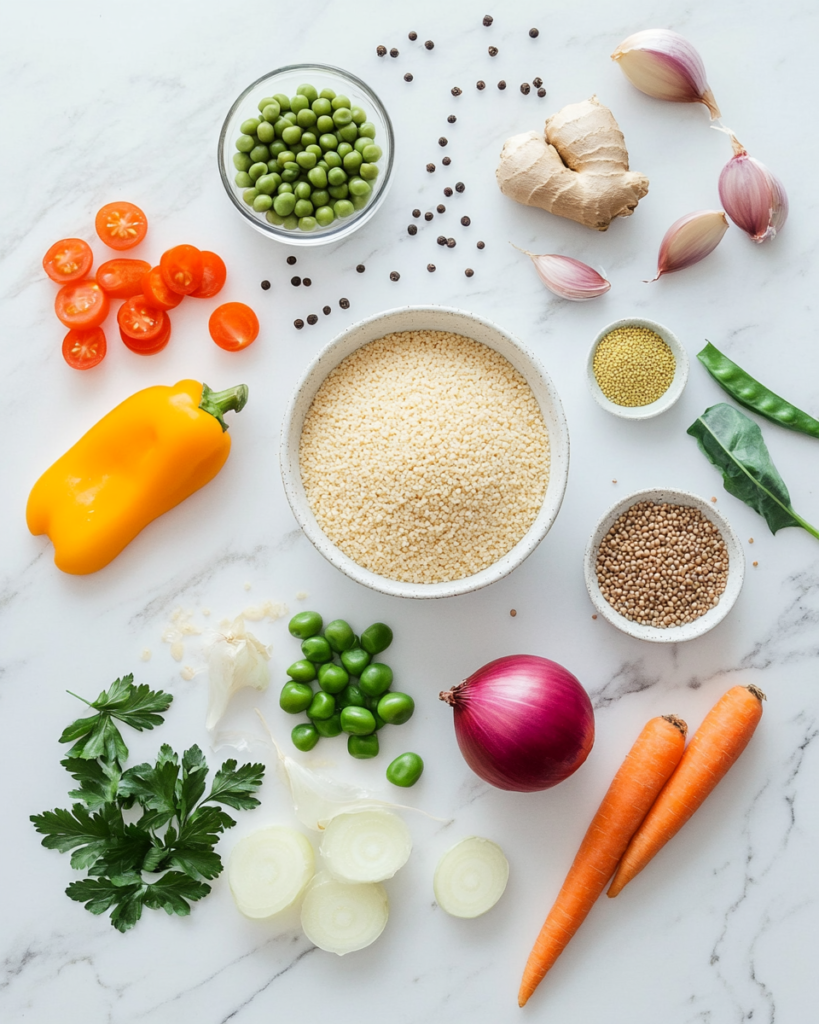
Here’s what you’ll need to whip up this morning easy breakfast that’ll make you look forward to waking up:
| Ingredient Category | Ingredients |
|---|---|
| Base | 1 Cup Bombay Rava (semolina or sooji) |
| Tempering (Tadka) | 2 Tablespoons Oil, 1 Teaspoon Mustard Seeds, 1 Teaspoon Urad Dal, 1 Teaspoon Chana Dal, 1 Sprig Curry Leaves, 1 Dry Red Chilli (broken into two) |
| Aromatics | 1 Tablespoon Ginger (finely chopped or grated), 1½ Onion (chopped, approx 1 Cup), 2 Green Chillies (chopped) |
| Vegetables | ⅓ Cup Chopped Carrot, ¼ Cup Chopped Beans, 1 Tomato (chopped, approx ½ Cup), ⅓ Cup Green Peas |
| Liquids & Seasoning | 3¼ Cups Water, 1¾ Teaspoons Salt, ½ Teaspoon Sugar |
| Finishing Touches | 1 Tablespoon Ghee, 2 Tablespoons Coriander Leaves (chopped) |
How to Make Vegetable Upma (Step-by-Step)
Alright, let’s get cooking! This is one of those healthy easy Indian recipes that looks fancy but is actually super forgiving.
Roasting the Rava
Grab your kadai or any heavy-bottomed pan and heat it over medium heat. Toss in your rava and turn the heat down to low. Now here’s where you channel your inner zen master—keep stirring constantly for about 3-4 minutes.
You’ll know it’s ready when your kitchen starts smelling all nutty and toasty. But seriously, don’t let it brown or your upma’s gonna turn this weird tan color. Not cute.
Switch off the heat and dump the roasted rava onto a plate. Let it cool down while you prep everything else. This step is non-negotiable, folks.
Building the Flavor Base
Pour your oil into the same kadai and crank the heat back to medium. Once it’s shimmering hot, add those mustard seeds and wait for the magic—they’ll start popping and dancing around like tiny fireworks.
Now add the chana dal and urad dal. Fry them until they’re just starting to turn golden. You want them lightly toasted, not deep brown, okay? Add your curry leaves and that broken dry red chilli. Sauté for about 30 seconds on low heat until everything smells incredible.
Adding the Good Stuff
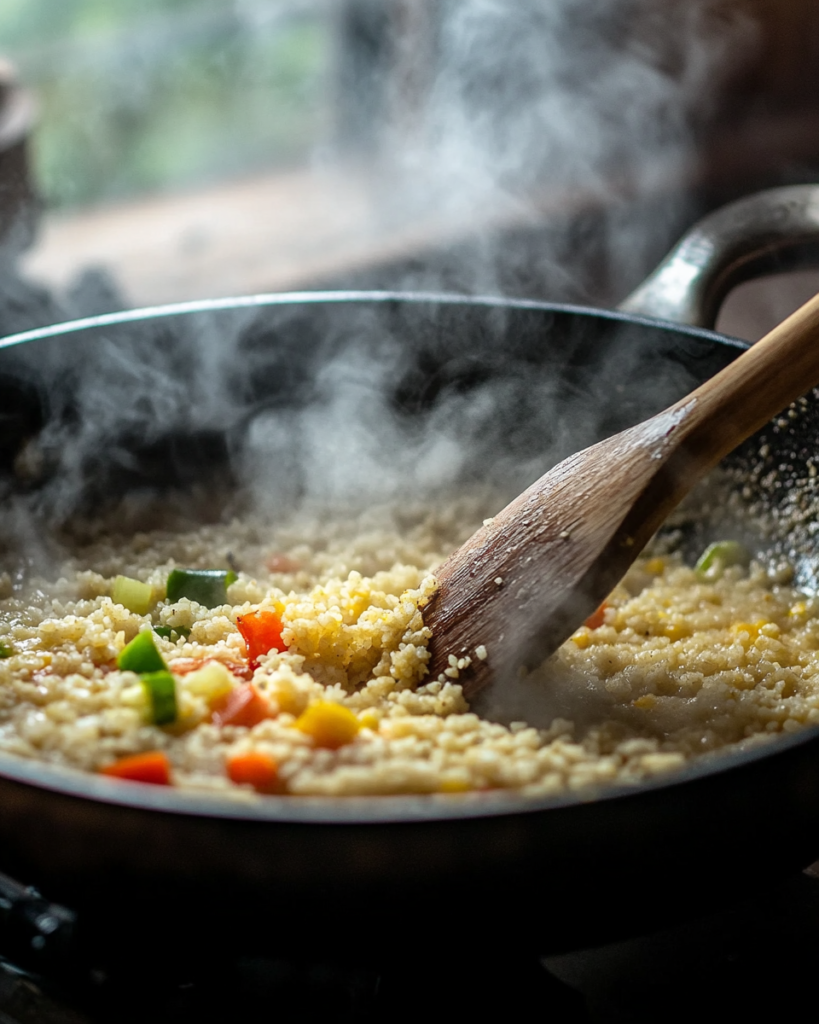
Toss in your ginger, onions, and green chillies. Stir them around until the onions go from opaque to slightly translucent—takes maybe 3-4 minutes. This is where the real flavor starts building.
Time for the veggies! Add your carrots, beans, and green peas. Give everything a good stir and let them cook for about 2 minutes. You’re not trying to cook them completely here, just wake them up a little.
The Critical Part (Don’t Skip!)
Pour in 3¼ cups of water, then add your salt and sugar. Crank that heat up to high and wait for the water to reach a proper rolling boil—big bubbles, lots of action.
Here’s where things get real. Once it’s boiling hard, turn the heat down to low. Now slowly—and I mean slowly—pour in your roasted rava while stirring like your life depends on it. One hand pours, one hand stirs. This prevents lumps, which nobody wants.
The Final Stretch
Cover your kadai and let everything steam together for 3-4 minutes on low heat. The rava’s gonna soak up all that flavorful water and get perfectly fluffy.
Uncover, add your ghee and chopped coriander leaves, give it one final mix, and you’re done! Seriously, that’s it. Switch off the flame and get ready to dig in.
Expert Tips for Perfect Vegetable Upma Recipe Every Time
Roast your rava properly. I know I sound like a broken record, but this step makes or breaks your upma. Low heat, constant stirring, nutty aroma. Commit that to memory.
Don’t skimp on the tempering. Those mustard seeds and dals aren’t just for show—they add serious depth and that classic South Indian flavor profile you’re after.
Water ratio matters. Stick to roughly 3:1 water to rava ratio. Too much water = mushy upma. Too little = crunchy, undercooked rava. Neither is fun.
Stir while adding rava. Cannot stress this enough. If you just dump it all in at once, you’ll get a lumpy mess that’s impossible to fix. Slow and steady wins this race.
Variations to Try
Veggie swap: Use whatever vegetables you’ve got. Bell peppers, corn, mushrooms, zucchini—they all work great. Just keep the total amount around 1-1½ cups.
Make it vegan: Skip the ghee at the end or swap it with coconut oil. Still delicious, and works perfectly for those following healthy vegetarian recipes Indian-style.
Protein boost: Toss in some roasted cashews or peanuts for crunch and extra protein. Or go wild and add some paneer cubes if you’re feeling fancy.
Spice level: Control the heat by adjusting green chillies and red chilli. For a milder version, just use one green chilli and skip the red one entirely.
Lemon upma: Squeeze fresh lemon juice over your finished upma for a tangy twist. It’s ridiculously refreshing, especially on hot mornings.
Troubleshooting Common Issues
Upma’s too dry? You probably didn’t add enough water or cooked it too long uncovered. Next time, add an extra ¼ cup water and watch your timing.
Too mushy? Either too much water or your rava wasn’t roasted enough. Make sure that rava’s properly toasted and fragrant before you even start cooking.
Lumpy texture? You added the rava too quickly or didn’t stir enough. Remember—slow pour, constant stirring. It’s a meditation practice, basically.
Bland flavor? Don’t be shy with the tempering spices and salt. Also, that ghee at the end? It’s not optional. It adds so much richness.
Storage & Reheating
| Storage Method | Instructions | Duration |
|---|---|---|
| Room Temperature | Not recommended (upma spoils quickly at room temp) | Max 2 hours |
| Refrigerator | Store in an airtight container once completely cooled | 2-3 days |
| Freezer | Portion into freezer-safe containers, cool completely first | Up to 1 month |
| Reheating | Microwave: Add 2 tbsp water, cover, heat 1-2 minutes. Stovetop: Add water, stir gently over low heat until warm | – |
No-waste tip: Leftover upma makes killer upma cutlets! Mix with some breadcrumbs, shape into patties, and shallow fry. You’re welcome.
Nutrition Information (Per Serving)
| Nutrient | Amount |
|---|---|
| Calories | 245 kcal |
| Carbohydrates | 38g |
| Protein | 6g |
| Fat | 8g |
| Fiber | 3g |
| Sodium | 650mg |
| Sugar | 4g |
Note: Nutritional values are approximate and may vary based on specific ingredients used.
One recipe down, and so many more to explore! Head over to our complete Quick Breakfast Recipes lineup for more delicious ideas that’ll keep your kitchen buzzing. Bookmark this one — you’ll thank yourself later.
Frequently Asked Questions
Can I make vegetable upma ahead of time?
Can I make vegetable upma ahead of time? Absolutely! It’s actually one of those morning easy breakfast options that reheats pretty well. Just store it in the fridge and add a splash of water when reheating to bring back that fluffy texture.
I wouldn’t make it more than 2 days ahead though, since the veggies start losing their crunch.
What can I serve with upma?
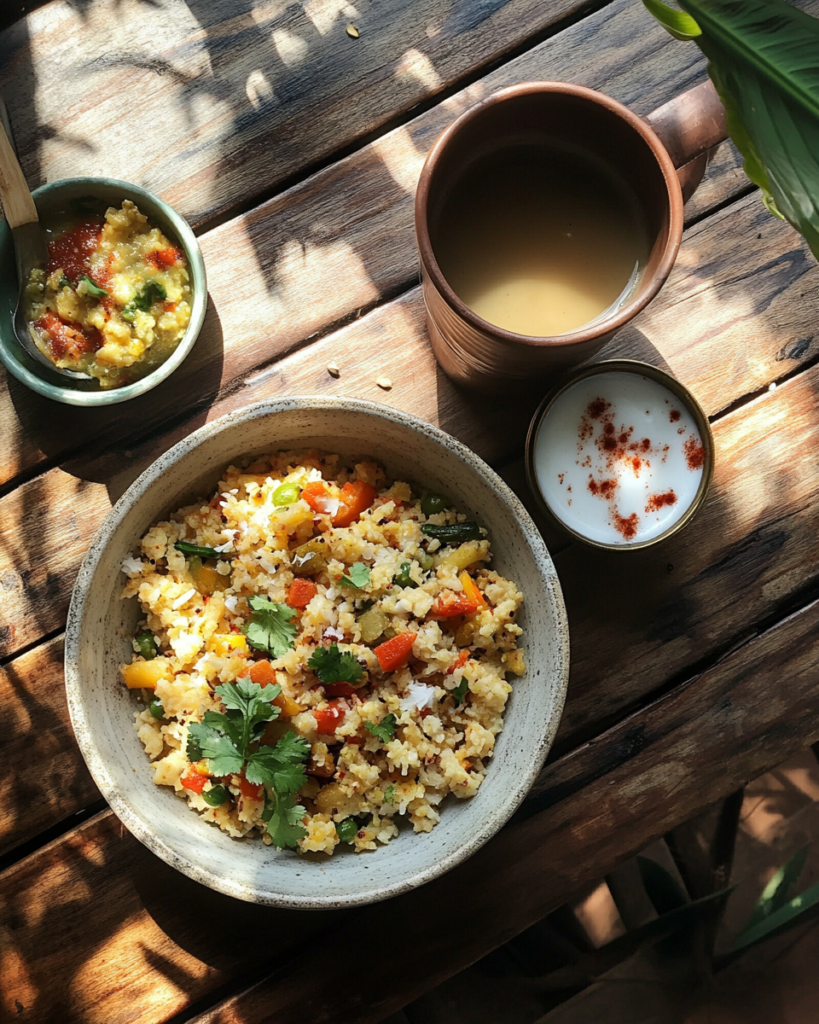
Coconut chutney is the classic pairing and honestly, it’s perfect. But upma also goes great with pickle, yogurt (curd), or even just a hot cup of chai. Some people love it with Greek yogurt on the side for extra protein, which is actually pretty genius.
Can I use coarse semolina instead of fine?
Yeah, you can, but your cooking time and water ratio might need adjusting. Coarse semolina takes longer to cook and absorbs more water, so add an extra ½ cup water and steam it for an additional 2-3 minutes.
Is upma healthy for weight loss?
It can be! This is definitely one of those healthy easy Indian recipes that’s relatively low in calories and high in fiber, especially with all the veggies. Just watch your portion size and go easy on the oil and ghee if you’re counting calories.
Why is my upma sticky?
Usually happens when you don’t roast the rava enough or add it to water that’s not boiling vigorously. Make sure your water’s at a rolling boil before adding the rava, and always roast until fragrant. Also, don’t over-stir once it’s cooking—just enough to prevent sticking.
Give This Vegetable Upma a Try!
Honestly, once you nail this recipe, it’ll become your go-to for quick weekday breakfasts. It’s warming, filling, and way more interesting than another bowl of cereal. Plus, you can totally customize it based on what’s in your fridge, making it one of the most versatile healthy vegetarian recipes Indian cuisine has to offer.
If you loved this recipe, you might also enjoy checking out these other breakfast favorites: baked ham and cheese croissants, croissant breakfast casserole, or even fried croissant beignets for when you’re feeling extra indulgent.
Give this vegetable upma recipe a try and let me know how it turns out! Snap a pic and pin it to Pinterest so you can find it again when you need breakfast inspo. And seriously, drop a comment below telling me what veggies you added or if you tried any of the variations. I love hearing from you guys!
Happy cooking!
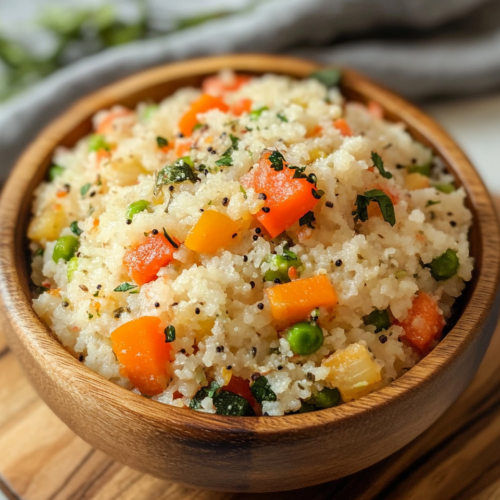
The Ultimate Vegetable Upma Recipe – A Cozy Indian Breakfast Favorite
Equipment
- Kadai or frying pan
- Wooden spoon or spatula
- Measuring cups and spoons
Ingredients
Base
- 1 Cup Bombay Rava semolina or sooji
Tempering (Tadka)
- 2 Tablespoons Oil
- 1 Teaspoon Mustard Seeds
- 1 Teaspoon Urad Dal
- 1 Teaspoon Chana Dal
- 1 Sprig Curry Leaves
- 1 Dry Red Chilli broken into two
Aromatics
- 1 Tablespoon Ginger finely chopped or grated
- 1½ Onion chopped, approx 1 Cup
- 2 Green Chillies chopped
Vegetables
- ⅓ Cup Carrot chopped
- ¼ Cup Beans chopped
- 1 Tomato chopped, approx ½ Cup
- ⅓ Cup Green Peas
Liquids & Seasoning
- 3¼ Cups Water
- 1¾ Teaspoons Salt
- ½ Teaspoon Sugar
Finishing Touches
- 1 Tablespoon Ghee
- 2 Tablespoons Coriander Leaves chopped
Instructions
- Heat a kadai or frying pan on medium heat. Add rava or semolina and roast on low flame for 3-4 minutes or until it starts to smell nutty. Be careful not to let it brown or it’ll change the colour of the upma. Remember to stir constantly to ensure the heat is evenly distributed.
- Switch off the flame and transfer the roasted rava to a plate and allow it to cool.
- Add oil to a kadai over medium heat. Once hot, add the mustard seeds and allow it to splutter. Add chana dal and urad dal and fry till they begin to brown a bit or get lightly golden, remember not to brown completely. Add curry leaves and dry red chilli and saute for 30 seconds or until fragrant over low heat.
- Add ginger, onions and green chilli. Saute till the onions become translucent.
- Add carrot, beans, green peas and saute for 2 minutes stirring constantly.
- Add 3¼ cups of water, sugar and salt. Turn the heat to high and allow the water to come to a rolling boil.
- When the water comes to a rolling boil, reduce the flame to low. Then slowly pour the rava in while stirring continuously.
- Cover and allow the rava upma to steam for 3 to 4 minutes on a low heat.
- Add ghee and chopped coriander leaves. Mix and switch off the flame. Serve upma with coconut chutney or pickle and curd.