Lemon Bundt Cake
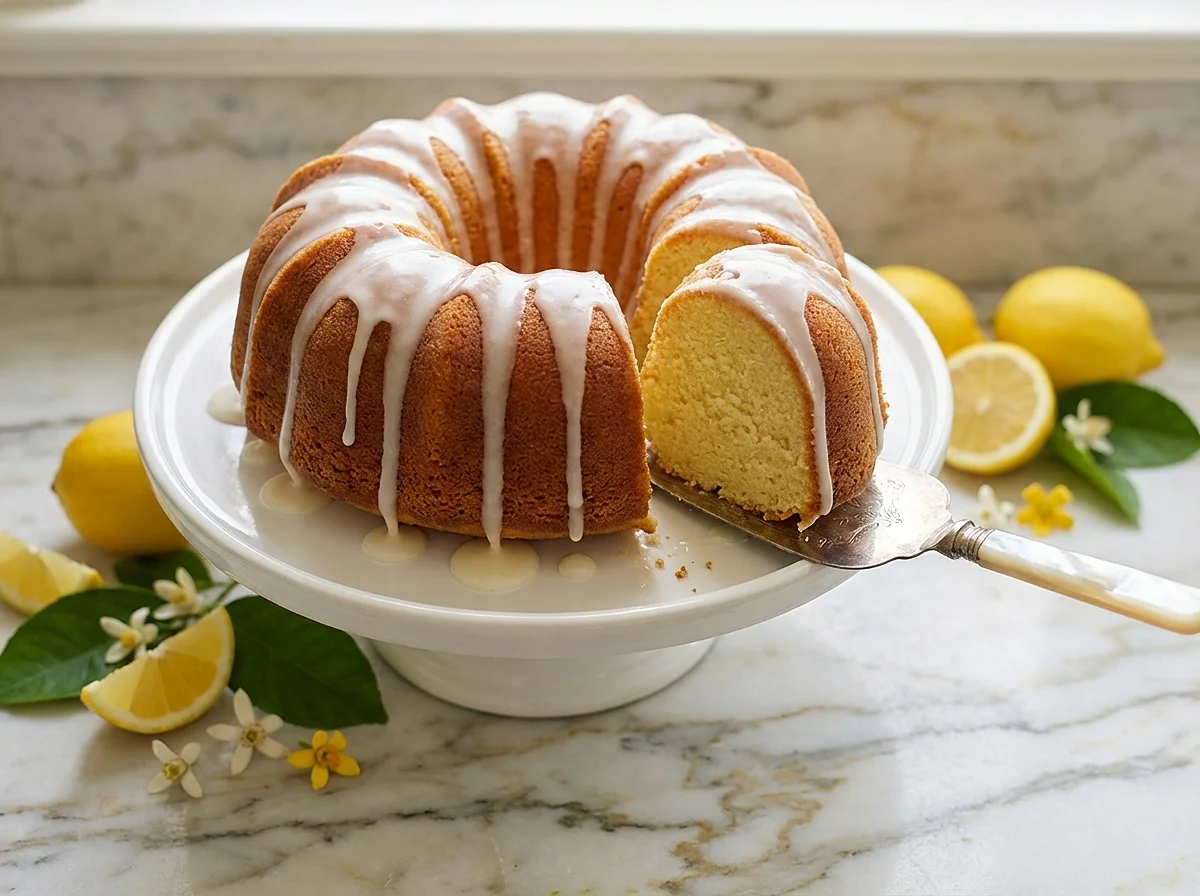
This homemade lemon bundt cake is bright, buttery, and packed with fresh citrus flavor — the kind of classic lemon bundt cake that disappears before it even cools down.
There’s something about a lemon bundt cake that just feels like sunshine on a plate. I made this for the first time on a rainy Sunday and honestly? It made the whole house smell like a fancy bakery. Now it’s my go-to whenever I need to impress someone — or just treat myself, no judgment.
Table of Contents
What Makes This Lemon Bundt Cake So Good
This citrus lemon bundt cake recipe delivers everything you want: a dense-but-tender crumb, real lemon flavor from both zest and juice, and a glossy glaze that drips down the sides in the most satisfying way. It’s not overly complicated, but it looks like you really put in effort — which is honestly the dream. Think of it as the elegant cousin of your everyday loaf cake, just wearing a fancier hat.
Ingredients
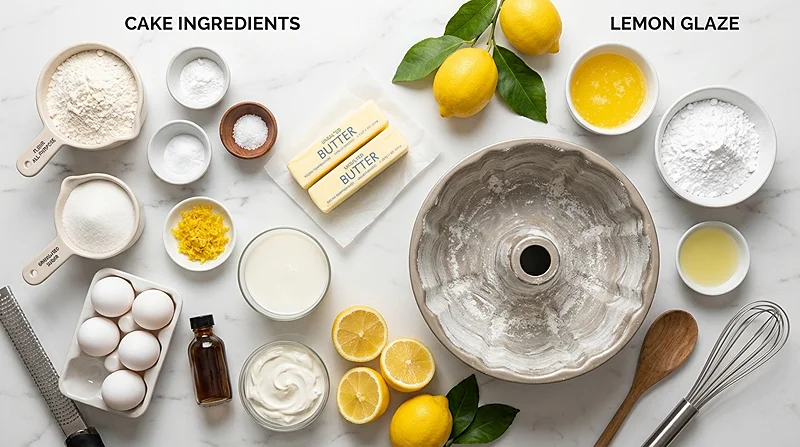
Here’s everything you’ll need for this homemade lemon bundt cake. I’ve grouped them so it’s easy to grab as you go.
Cake
| Ingredient | Amount |
|---|---|
| All-purpose flour | 3 cups |
| Baking powder | 1 tsp |
| Baking soda | ½ tsp |
| Salt | ½ tsp |
| Unsalted butter, room temp | 1 cup (2 sticks) |
| Sugar | 2 cups |
| Lemon zest | 1 tbsp (about 1 lemon) |
| Eggs | 4 large |
| Vanilla extract | ½ tsp |
| Milk (not non-fat) | ½ cup |
| Sour cream, full fat | ½ cup |
| Fresh lemon juice | 1 tbsp |
Lemon Glaze
| Ingredient | Amount |
|---|---|
| Unsalted butter, melted | 2 tbsp |
| Powdered sugar | 1 cup |
| Fresh lemon juice | 1 tbsp |
A quick note on butter: Using a good quality butter like Challenge butter makes a real difference here. Room temperature is key — cold butter won’t cream properly and you’ll end up with a dense cake nobody asked for.
Step-by-Step Instructions
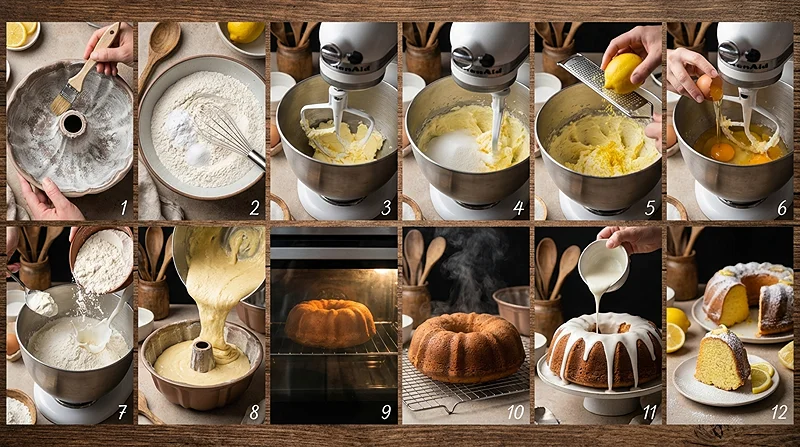
Step 1: Get Your Oven and Pan Ready
Preheat your oven to 325°F. While it’s warming up, grease and flour your bundt pan — and I mean really get in there. Don’t rush this step. Every little crevice needs to be coated, or you’ll end up with half your beautiful cake stuck to the pan. Been there. It’s heartbreaking.
Step 2: Mix Your Dry Ingredients
In a medium bowl, whisk together the flour, baking powder, baking soda, and salt. Give it a good 20-second whisk so everything’s evenly distributed. Set it aside — it’ll be the hero of the second act.
Step 3: Cream the Butter and Sugar
In the bowl of a stand mixer (or with a hand mixer), beat the butter until it’s completely smooth. Add the sugar and beat on medium speed for 1–2 minutes until the mixture is light, fluffy, and pale. This is where the magic starts — don’t skip the full creaming time.
Tip: If your butter isn’t soft enough, you’ll hear the mixer struggling. Pop it in the microwave for 8–10 seconds if needed, but avoid melting it.
Step 4: Add the Lemon Zest and Eggs
Add in the lemon zest and blend — you’ll immediately get that gorgeous citrus aroma. Then, with the mixer still running on low, add the eggs one at a time, giving each one a few seconds to incorporate before adding the next. This keeps the batter smooth and emulsified.
Step 5: Add Flour, Milk, and the Rest
With the mixer on its lowest setting, slowly add about half of your flour mixture. Then pour in the vanilla extract and milk. Follow that with the second half of the flour, then the sour cream and lemon juice. Mix just until everything comes together — overmixing is the enemy of a tender crumb.
Why sour cream? It adds moisture and a subtle tang that makes this classic lemon bundt cake taste bakery-level rich. Full-fat is the way to go here.
Step 6: Fill the Pan and Bake
Pour the batter into your prepared bundt pan. Use a spatula to smooth the top and tap the pan gently on the counter a couple of times to release any air bubbles. Bake at 325°F for 60–70 minutes, until a toothpick inserted in the center comes out clean or with just a couple of moist crumbs.
Every oven is different, so start checking around the 55-minute mark.
Step 7: Cool It Down (Patience Is a Virtue)
Once baked, let the cake cool in the pan on a wire rack for a full hour — until the pan is cool or just barely warm to the touch. I know it’s torture. But lifting it out too early is how cakes break.
When it’s ready, gently run a small spatula around the center tube and the outer edges. Flip it onto a plate, give the bottom of the pan a firm tap, and lift. Breathe. It should slide right out.
Step 8: Make the Lemon Glaze
Melt the butter in a bowl, then whisk in the powdered sugar until combined. Add the fresh lemon juice and keep whisking. The glaze will thicken as it sits at room temperature, so let it rest a few minutes if you want it thicker. Pour it over the cooled cake and let it drip where it wants — that’s the good stuff.
Expert Tips, Variations & Troubleshooting
Tips for the Best Results
Room temperature ingredients are non-negotiable for this homemade lemon bundt cake. Cold eggs or cold butter will throw off the whole texture. Take everything out of the fridge about an hour before you start.
For maximum lemon flavor, zest your lemon before juicing it — way easier that way. And if you really want to dial up the citrus punch in this citrus lemon bundt cake recipe, add an extra teaspoon of zest to the batter.
Fun Variations
Want to make it a bit more indulgent? Add a cream cheese layer swirled into the center of the batter before baking — it bakes into a tangy ribbon that’s absolutely dreamy. You can also fold in a handful of fresh blueberries or raspberries for a fruity twist on the classic lemon bundt cake.
For a glaze variation, swap the lemon juice for orange juice and add some zest for a citrus medley vibe. It pairs beautifully with the same base batter.
Troubleshooting
Cake stuck in the pan? This almost always comes down to not greasing thoroughly enough. Next time, use a pastry brush to get into every groove. A quick release spray with flour works great too.
Cake looks done outside but wet inside? Drop your oven temp by 10–15 degrees and bake longer next time. Bundt cakes are thick, and a lower, slower bake helps the center cook through evenly without burning the outside.
Glaze too thin? Just let it sit for 5 more minutes — it thickens up naturally. If it’s still too runny, whisk in a little more powdered sugar a tablespoon at a time.
Storage Instructions
| Method | Duration | Notes |
|---|---|---|
| Room temperature | Up to 3 days | Cover tightly with plastic wrap or a cake dome |
| Refrigerator | Up to 5–6 days | Bring to room temp before serving for best texture |
| Freezer (unglazed) | Up to 3 months | Wrap individual slices in plastic, then foil |
Reheating
A quick 10–15 seconds in the microwave brings refrigerated slices right back to life. For frozen slices, thaw overnight in the fridge and then let them come to room temp on the counter.
No-Waste Ideas
Leftover cake that’s getting a little dry? Cube it up and use it in a trifle with whipped cream and fresh berries. Or crumble it into a bowl with yogurt for a next-level breakfast situation — zero shame.
Nutritional Information
Per serving (based on 8 slices)
| Nutrient | Amount |
|---|---|
| Calories | ~520 kcal |
| Total Fat | 24g |
| Saturated Fat | 14g |
| Carbohydrates | 72g |
| Sugar | 47g |
| Protein | 6g |
| Sodium | 220mg |
Note: These are estimates and can vary based on exact ingredients used.
FAQs
Can I make this lemon bundt cake ahead of time?
Absolutely — this cake actually tastes even better the next day once the flavors have had time to settle. Bake it the night before, let it cool completely, and glaze it the morning of serving. It’ll be perfect.
Can I use bottled lemon juice instead of fresh?
You can in a pinch, but fresh is genuinely worth it here. The citrus flavor in this homemade lemon bundt cake really shines when you’re using fresh juice and zest — bottled juice can taste a little flat by comparison.
Can I make this recipe without a bundt pan?
Yes! You can use two standard 9×5 loaf pans instead. Reduce the baking time to around 45–55 minutes and check with a toothpick. You’ll lose the dramatic shape but the taste is identical.
Why did my glaze harden too quickly?
If your cake was still slightly warm when you poured the glaze, it can set faster than expected. Let the cake cool fully before glazing, or gently warm the glaze for a few seconds in the microwave to make it pourable again.
Can I substitute the sour cream?
Full-fat Greek yogurt works as a 1:1 substitute if that’s what you have on hand. Avoid low-fat versions — the fat content is what keeps this citrus lemon bundt cake moist and rich.
Now Go Make It!
If you’re looking for a dessert that’s equal parts beautiful and delicious, this lemon bundt cake is genuinely it. It’s the kind of recipe you’ll come back to again and again — for brunches, birthdays, or just a random Tuesday when you need something bright and buttery in your life.
Give it a try, and when you do, share it on Pinterest so others can find it too! Drop your thoughts, tweaks, or glaze experiments in the comments — I’d love to hear how it turned out for you.
And hey, while you’re here — if you’re the type who loves a solid weeknight dinner before dessert, check out these Greek chicken bowls or this ridiculously good Korean ground beef bowl. For something a little lighter, the high protein honey garlic shrimp is a weeknight hero. And if you need a side dish that slaps, garlic parmesan potato wedges are always the answer.
Happy baking!
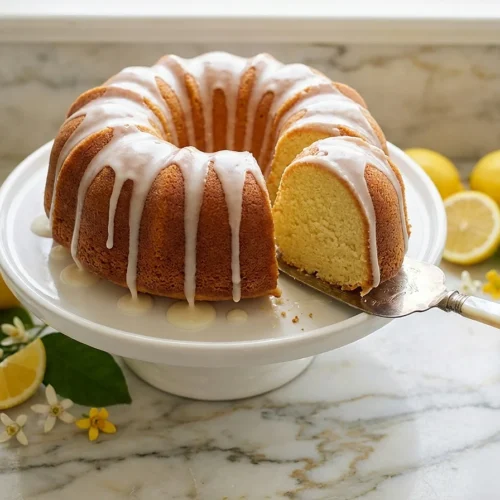
Lemon Bundt Cake
Equipment
- Bundt Pan
- Stand mixer or hand mixer
- Medium Mixing Bowls
- Wire rack
- Whisk
- Spatula
- Small Offset Spatula
- Pastry brush
Ingredients
Cake
- 3 cups All-purpose flour
- 1 tsp Baking powder
- ½ tsp Baking soda
- ½ tsp Salt
- 1 cup Unsalted butter 2 sticks, at room temperature
- 2 cups Sugar
- 1 tbsp Lemon zest about 1 lemon
- 4 Eggs large
- ½ tsp Vanilla extract
- ½ cup Milk any except non-fat
- ½ cup Sour cream full fat preferred
- 1 tbsp Fresh lemon juice
Lemon Glaze
- 2 tbsp Unsalted butter melted
- 1 cup Powdered sugar
- 1 tbsp Fresh lemon juice
Instructions
- Preheat your oven to 325°F. While it warms up, thoroughly grease and flour every crevice of your bundt pan — don’t rush this step. Skipping it properly is how cakes end up stuck, and that’s a tragedy nobody deserves.
- In a medium bowl, whisk together the flour, baking powder, baking soda, and salt for about 20 seconds until evenly combined. Set aside — it’ll be the hero of the next steps.
- In the bowl of a stand mixer (or using a hand mixer), beat the butter on medium until completely smooth. Add the sugar and beat for 1–2 minutes until the mixture is light, fluffy, and pale. Don’t cut this step short — proper creaming makes all the difference in texture.
- Add the lemon zest and blend — you’ll immediately get that gorgeous citrus aroma. With the mixer still running on low, add the eggs one at a time, giving each one a few seconds to incorporate before adding the next. This keeps the batter smooth and emulsified.
- With the mixer on its lowest setting, slowly add about half of your flour mixture. Then pour in the vanilla extract and milk. Follow with the second half of the flour, then add the sour cream and lemon juice. Mix just until everything comes together — overmixing is the enemy of a tender crumb.
- Pour the batter into your prepared bundt pan and smooth the top with a spatula. Tap the pan gently on the counter a couple of times to release any air bubbles. Bake at 325°F for 60–70 minutes, until a toothpick inserted in the center comes out clean or with just a couple of moist crumbs. Start checking around the 55-minute mark.
- Let the cake cool in the pan on a wire rack for a full hour until the pan is cool or just barely warm to the touch. Gently run a small spatula around the center tube and outer edges, then flip onto a plate, give the bottom of the pan a firm tap, and lift. It should slide right out.
- For the glaze, melt the butter in a bowl and whisk in the powdered sugar until combined. Add the fresh lemon juice and whisk again. Let the glaze rest a few minutes at room temperature to thicken up, then pour it over the fully cooled cake and let it drip naturally down the sides.