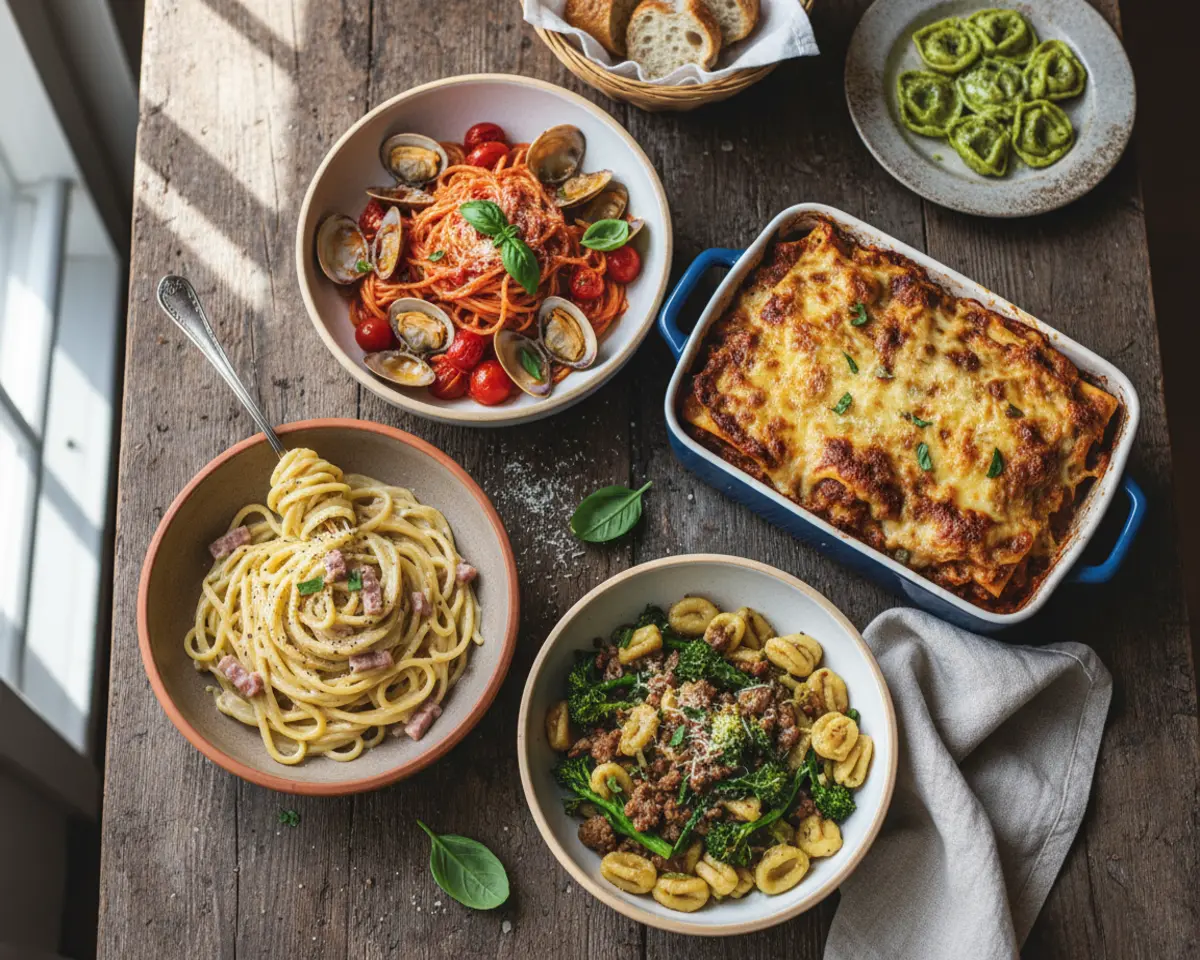
Masterclass Pasta Recipes
There’s something magical about standing in front of a pot of boiling water, listening to the gentle bubble and hiss as pasta swirls in its rhythmic dance. I remember the first time my grandmother showed me how to test spaghetti for doneness – not with a timer, but by fishing out a single strand and tasting it, feeling that perfect resistance between tooth and tender center.
That moment taught me pasta isn’t just food; it’s a conversation between cook and ingredient, a ritual that transforms simple flour and water into comfort, celebration, and connection.
Table of Contents
Pasta recipes have been the backbone of my kitchen for decades, from frantic weeknight scrambles to leisurely Sunday gatherings. Whether you’re twirling creamy fettuccine around your fork or pulling a bubbling baked ziti from the oven, pasta has this beautiful way of saying “you’re home” without speaking a word.
This guide brings together everything I’ve learned about creating pasta dishes that work for your life – quick enough for Tuesday chaos, impressive enough for weekend guests, and always, always delicious.
The Quick Guide
Pasta recipes offer unmatched versatility for home cooks at every skill level. Here’s what makes them essential in your kitchen arsenal:
- Time flexibility: From 15-minute weeknight pasta recipes to elaborate baked dishes, you control the investment
- Ingredient adaptability: Work with what’s in your pantry or showcase specialty ingredients with equal success
- Crowd-pleasing power: Easy pasta recipes satisfy picky eaters and food enthusiasts alike
- Budget-friendly foundation: Build impressive meals without breaking the bank
- Make-ahead potential: Many pasta recipes actually improve when prepared in advance
Understanding Pasta Recipe Categories
Pasta recipes divide into distinct categories based on cooking method, sauce style, and serving approach. Quick pasta recipes typically feature lighter sauces that come together while the pasta cooks, making them perfect for busy evenings when dinner needs to hit the table fast.
These rely on technique rather than time, using pasta water to create silky sauces that cling beautifully to every strand.
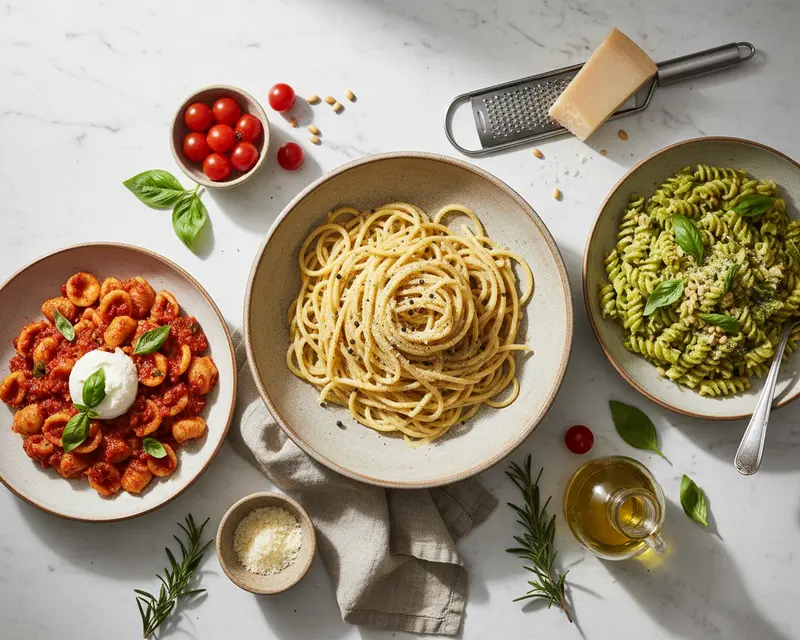
Homemade pasta recipes encompass both the art of making pasta from scratch and building complete dishes with careful attention to flavor development. Baked recipes transform familiar ingredients into bubbling, golden-topped casseroles that fill your kitchen with irresistible aromas.
Each category serves different needs, moods, and occasions, but all share pasta’s fundamental promise: satisfying, accessible comfort that brings people together around the table.
The beauty of pasta recipes lies in their scaffolding structure. Master a few core techniques – properly salting pasta water, reserving starchy cooking liquid, timing your sauce to finish with your noodles – and suddenly hundreds of variations become accessible.
Think of pasta recipes as a framework rather than rigid formulas, inviting you to adapt based on what’s available, what sounds good, and who you’re feeding.
Foolproof Weeknight Pasta Dinners
When the clock strikes six and hunger strikes hard, foolproof weeknight pasta dinners become your kitchen superpower. These quick pasta recipes deliver maximum flavor with minimal fuss, using smart shortcuts and strategic ingredient choices to get dinner on the table in thirty minutes or less.
This collection focuses on one-pot wonders, sheet pan combinations, and clever techniques that eliminate multiple pans and complicated timing. Perfect for busy families, these easy pasta recipes prove that fast food doesn’t mean sacrificing taste or nutrition.
From garlic-kissed spaghetti with crispy breadcrumbs to hearty pasta with sausage and greens, these recipes become reliable weeknight standards you’ll return to again and again.
Comforting Creamy Garlic Pastas
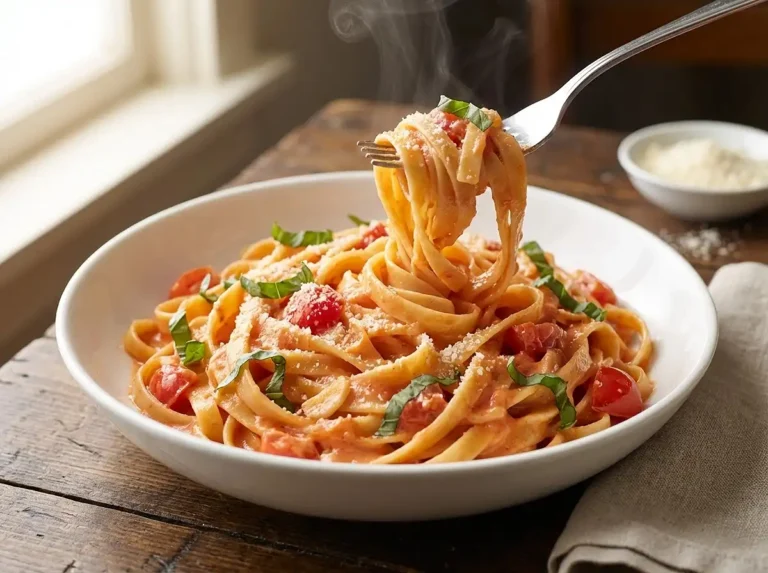
Few combinations comfort quite like comforting creamy garlic pastas that coat your fork in silky, aromatic sauce. These recipes celebrate garlic in all its forms – roasted until sweet and mellow, sizzled in butter until golden, or stirred raw into finishing sauces for sharp, clean bite.
Creamy doesn’t always mean heavy; many of these easy pasta recipes achieve luxurious texture through techniques like mounting sauces with butter, using pasta water to create emulsions, or incorporating just enough cream to coat rather than drown. These dishes work beautifully for date nights, cozy solo dinners, or anytime you need food that feels like a warm hug.
The garlic-forward profiles make them especially satisfying when you’re craving bold, comforting flavors.
Foolproof Cheesy Pasta Bakes Skillets
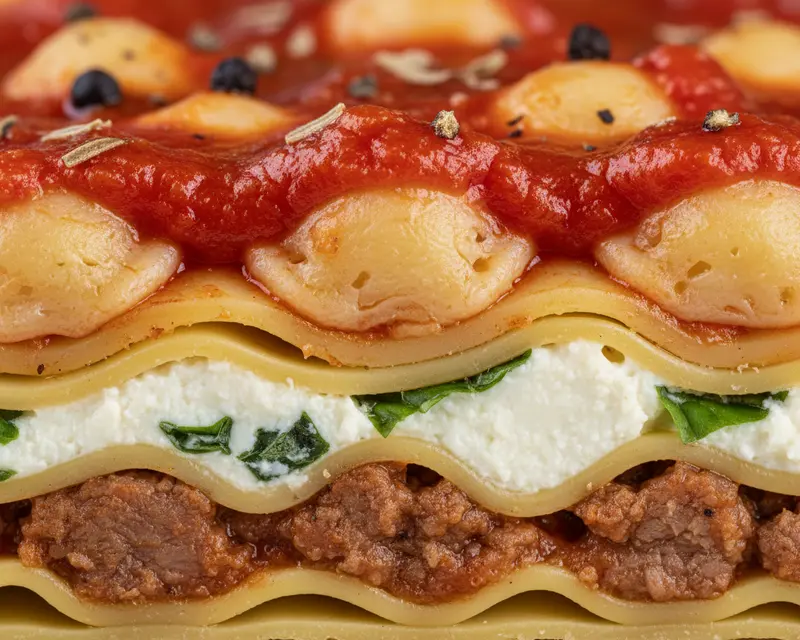
When you need pasta recipes that feed a crowd or provide multiple meals from one effort, turn to foolproof cheesy pasta bakes and skillets. These homemade recipes layer flavors and textures, creating dishes greater than the sum of their parts as cheese melts, edges crisp, and flavors meld in the oven’s heat.
Baked pasta recipes excel at make-ahead preparation, actually improving when assembled hours or even a day before baking. From classic lasagna to creative skillet bakes, these dishes deliver comfort food satisfaction with built-in convenience.
The golden, bubbling cheese topping signals dinner’s ready while promising that perfect combination of creamy interior and crispy edges that makes baked recipes so irresistible.
Expert Pasta Recipe Guide
Mastering pasta recipes starts with understanding a few fundamental techniques that separate good pasta from transcendent pasta. These aren’t complicated chef secrets – they’re simple practices that dramatically improve results every single time you cook pasta recipes, whether quick weeknight versions or elaborate weekend projects.
Essential Techniques
Salt your pasta water generously – it should taste like the sea. This is your only opportunity to season the pasta itself, and under-salted cooking water produces bland recipes no amount of sauce can fix. Use about one tablespoon of salt per pound of pasta in four to six quarts of water.
Always reserve pasta cooking water before draining. This starchy liquid is liquid gold for pasta recipes, helping sauces cling to noodles and creating silky emulsions. Start with at least one cup; you can always discard what you don’t use, but you can’t get it back once it’s down the drain.
Finish cooking pasta in the sauce for the last minute or two. This allows noodles to absorb flavors while releasing starch that helps sauce adhere. For quick pasta recipes, this technique creates restaurant-quality results in home kitchens without special equipment or ingredients.
Taste constantly and adjust fearlessly. Pasta recipes respond beautifully to last-minute tweaking – a splash of pasta water to loosen, a knob of butter for richness, a squeeze of lemon for brightness. Trust your palate and make the dish sing for you.
Ingredient Spotlight
High-quality dried pasta makes a noticeable difference in pastas. Look for bronze-cut varieties with rough texture that grabs sauce better than smooth, Teflon-cut pasta. Italian brands like De Cecco or Rustichella d’Abruzzo offer excellent quality without specialty store prices.
Garlic appears in countless pasta recipes, but treatment matters enormously. Sliced garlic becomes sweet and crispy; minced garlic delivers sharper flavor; whole smashed cloves infuse oil with subtle essence. Match garlic preparation to your desired flavor intensity in easy pasta recipes.
Parmigiano-Reggiano elevates pasta recipes from good to spectacular. Real Parmigiano-Reggiano, aged at least 24 months, offers complex, nutty depth that pre-grated cheese simply cannot match. Buy blocks and grate fresh for each dish – your pasta recipes will thank you.
Pasta shapes matter more than most home cooks realize. Long pasta works best with oil-based and light cream sauces; short pasta with ridges and tubes catches chunky sauces; flat noodles pair perfectly with cream and butter. Choosing the right shape optimizes how sauce interacts with pasta in your homemade pasta recipes.
Seasonal Considerations
Spring and summer call for lighter pasta recipes showcasing fresh vegetables, herbs, and bright citrus notes. Think lemon pasta with asparagus, tomato basil combinations, and quick pasta recipes that don’t require heating up your kitchen for hours. Fresh pasta tastes especially wonderful during warmer months when you want delicate texture without heaviness.
Fall and winter invite heartier pasta recipes with robust sauces, root vegetables, and warming spices. Baked pasta recipes shine during cold months, offering make-ahead convenience perfect for holiday gatherings. Creamy, cheesy pasta recipes feel especially satisfying when temperatures drop and you’re craving comfort food.
Year-round pasta recipes adapt beautifully to seasonal ingredients. A basic garlic and oil template works with spring peas, summer zucchini, fall mushrooms, or winter greens. This flexibility makes pasta recipes invaluable for using what’s fresh, abundant, and affordable throughout the year.
Skill Level Guide
Beginner pasta recipes should focus on simple sauces that come together quickly: aglio e olio (garlic and oil), cacio e pepe (cheese and pepper), or butter and herbs. These easy pasta recipes teach fundamental techniques without overwhelming new cooks with complex timing or multiple components.
Intermediate cooks can tackle pasta recipes with more components: adding proteins, building layered flavors, or attempting baked pasta recipes that require assembly. This level introduces skills like making cream sauces, timing multiple elements, and balancing flavors in more complex homemade pasta recipes.
Advanced pasta recipes might include making pasta from scratch, creating complex ragùs that simmer for hours, or mastering delicate emulsion sauces. These projects reward patience and practice, but they build on the same fundamental techniques learned through simpler quick pasta recipes.
Regardless of skill level, all pasta recipes benefit from attention to detail: properly salted water, reserved pasta cooking liquid, and tasting as you go. Master these basics and even simple pasta recipes will taste extraordinary.
Storage and Make-Ahead Tips
Most baked pasta recipes actually improve when assembled ahead, allowing flavors to meld before baking. Prepare up to 24 hours in advance, cover tightly, and refrigerate. Add 10-15 minutes to baking time if starting from cold, or let the dish sit at room temperature for 30 minutes before baking.
Cooked pasta stores reasonably well when tossed with a bit of olive oil to prevent sticking. Refrigerate up to three days and revive by tossing with hot pasta water or sauce. This technique works better for quick pasta recipes you plan to eat within a day or two rather than longer storage.
Sauces often store better than finished pasta recipes. Make cream sauces, tomato sauces, or meat ragùs ahead, then cook fresh pasta and combine just before serving. This approach delivers better texture in pasta recipes while still providing make-ahead convenience.
Freeze individual portions of baked pasta recipes for instant future dinners. Cool completely, wrap tightly in plastic then foil, and freeze up to three months. Reheat from frozen in a 350°F oven until heated through, usually 45-60 minutes depending on portion size.
Choosing the Right Pasta Recipe for Your Needs
When you need dinner fast, reach for foolproof weeknight pasta dinners that promise satisfaction in 30 minutes or less. These quick pasta recipes work perfectly for busy weeknights, unexpected guests, or times when energy runs low but hunger runs high. They rely on pantry staples and straightforward techniques that don’t require planning ahead.
Choose comforting creamy garlic pastas when you’re craving indulgence and bold flavors. These pasta recipes satisfy on cold evenings, after long days, or anytime you need food that feels like a reward. They work beautifully for date nights or solo treating-yourself dinners when you want restaurant-quality comfort at home.
Turn to foolproof cheesy pasta bakes and skillets when feeding crowds, meal prepping, or needing make-ahead convenience. These homemade pasta recipes handle parties, potlucks, and busy weeks when cooking once but eating multiple times makes life easier. They’re also perfect for new parents, people recovering from illness, or anyone who needs generous portions with minimal daily effort.
For dietary considerations, pasta recipes adapt readily. Gluten-free pasta works in virtually all recipes with minimal adjustment, though cooking times may vary slightly. Dairy-free versions of creamy pasta recipes use cashew cream, olive oil, or dairy-free butter successfully. Easy pasta recipes often accommodate multiple dietary needs simply by swapping a few ingredients.
Time constraints significantly influence which pasta recipes work best. Budget 15-20 minutes for the quickest pasta recipes, 30-40 minutes for standard weeknight versions, and 60-90 minutes for baked pasta recipes including prep and cook time. Match your recipe choice to your available time for stress-free cooking.
Skill level matters less than you might think with pasta recipes. Even beginners achieve excellent results by following a few key techniques, while advanced cooks can elevate simple pasta recipes through quality ingredients and careful execution. Don’t let perceived difficulty stop you from trying any pasta recipes that appeal to you.
Start Your Pasta Recipe Journey Today
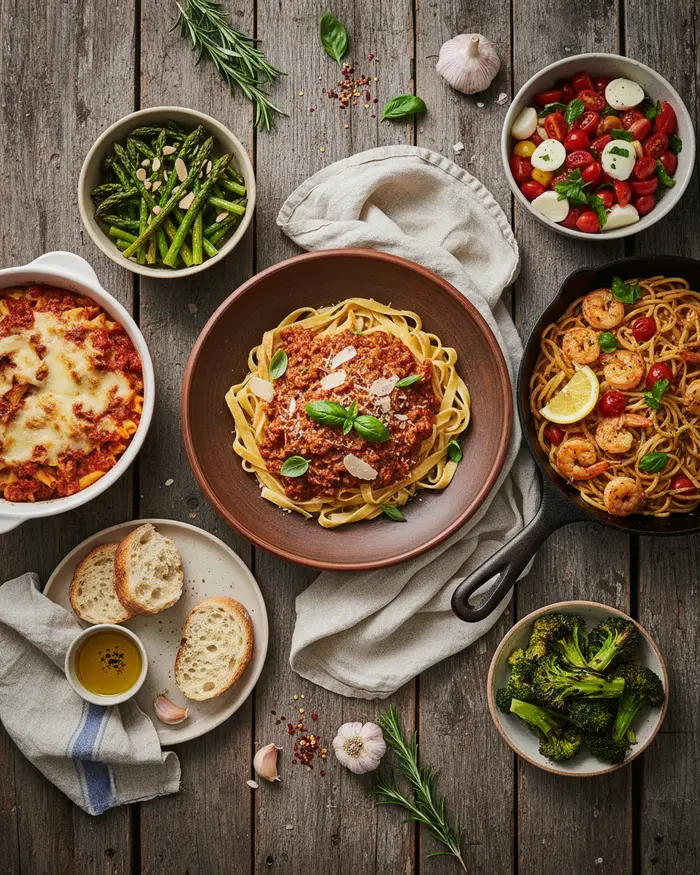
Your next amazing meal is just one pasta recipe away. Whether you’re diving into quick weeknight dinners, exploring creamy garlic combinations, or tackling your first baked pasta masterpiece, each recipe teaches skills that translate across your entire cooking repertoire.
These aren’t just pasta recipes – they’re building blocks for kitchen confidence and delicious meals that bring people together.
Save this guide to your browser bookmarks or Pinterest boards so you always have a roadmap when deciding what to cook. The beauty of pasta recipes lies in their endless variation and reliable satisfaction. Once you master a few favorites, you’ll find yourself riffing on themes, swapping ingredients based on what’s available, and creating your own signature homemade pasta recipes.
Start with whichever category calls to you most urgently. Craving quick comfort? Try the weeknight pasta dinners. Need something impressive? Explore creamy garlic options. Feeding a crowd? Dive into cheesy baked creations. There’s no wrong starting point, only delicious discoveries waiting to happen.
Which pasta recipe will you try first? Drop a comment below sharing your go-to pasta style or the recipe that’s been calling your name. And if these guides help you create something delicious, share your success on Pinterest so other home cooks can find their way to pasta perfection too.
Frequently Asked Questions
What is the best type of pasta for beginners to cook?
Spaghetti and penne are ideal for beginners. They cook evenly in 8-12 minutes and pair well with most sauces. Use 4-6 quarts of salted boiling water per pound of pasta. Stir occasionally to prevent sticking. Test for doneness by tasting a piece; it should be al dente, firm but not hard.
How do I prevent pasta from sticking together?
Use plenty of water when boiling, at least 4 quarts per pound of pasta. Add salt but skip the oil, as it prevents sauce from adhering. Stir the pasta within the first two minutes of cooking and occasionally thereafter. Never rinse cooked pasta unless making a cold salad, as the starch helps sauce cling better.
Can I make pasta ahead of time for meal prep?
Yes, cook pasta until slightly underdone, drain, and toss with a little olive oil. Store in airtight containers for up to 5 days refrigerated. Reheat by dropping in boiling water for 30 seconds or microwave with sauce. You can also freeze cooked pasta for up to 2 months. Avoid overcooking initially.
What are the essential ingredients for a basic pasta sauce?
A simple marinara requires canned tomatoes, garlic, olive oil, salt, and basil. For carbonara, use eggs, parmesan cheese, black pepper, and pancetta. Aglio e olio needs only garlic, olive oil, red pepper flakes, and parsley. Always reserve pasta water to adjust sauce consistency and help it coat the noodles.
How much pasta should I cook per person?
Plan for 2 ounces of dry pasta per person as a side dish or 4 ounces for a main course. This equals about 1 cup cooked pasta for sides or 2 cups for entrees. Pasta doubles in volume when cooked. For filled pastas like ravioli, serve 6-8 pieces per person as an appetizer or 12-15 as a main dish.