Nectarine Spreads
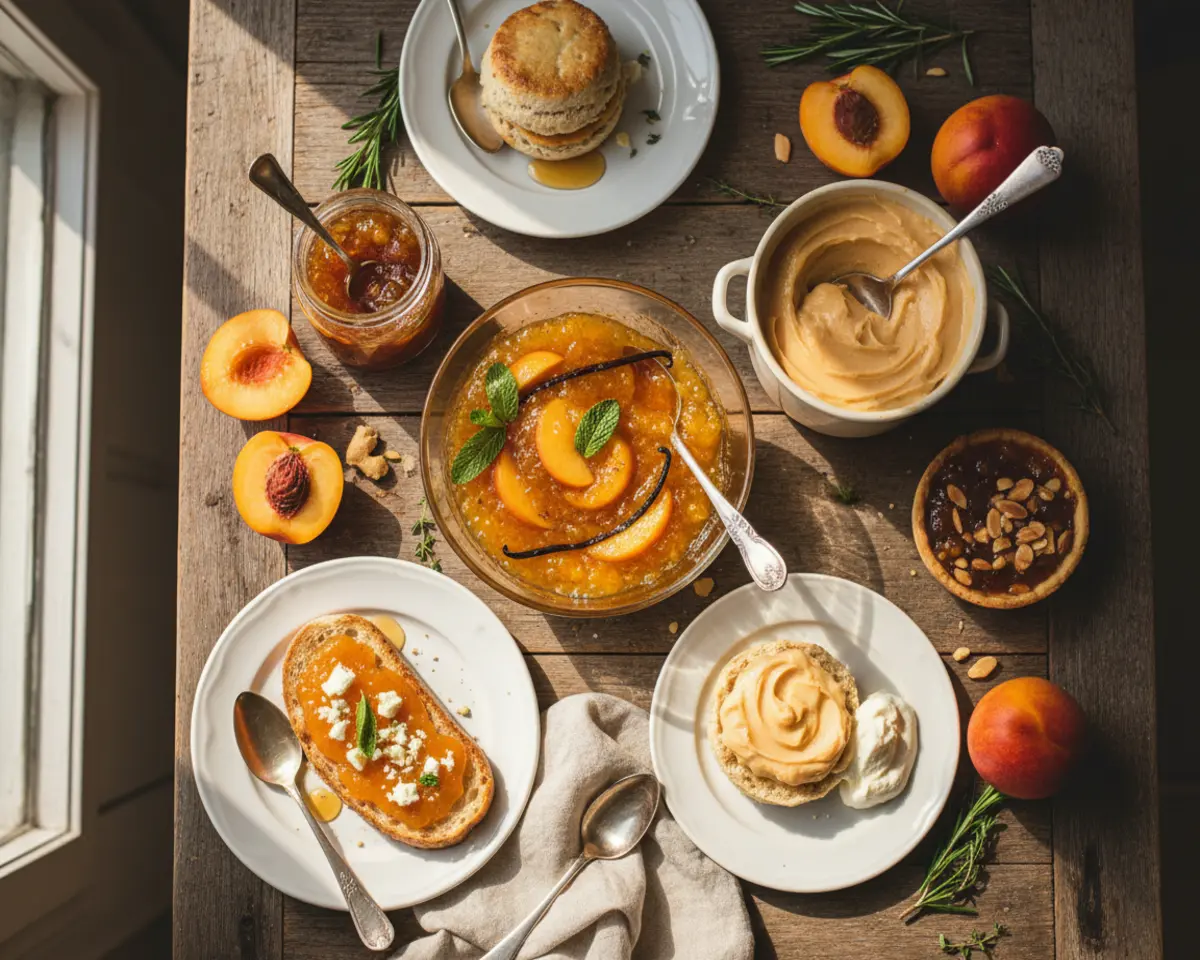
Looking for the perfect nectarine spreads to brighten your breakfast table? Whether you’re craving a silky homemade nectarine jam for your morning toast or a richly spiced nectarine preserves that tastes like summer captured in a jar, these recipes turn fresh, juicy nectarines into pure magic you’ll want to slather on everything.
I still remember the first time I made nectarine jam in my tiny apartment kitchen. The whole place smelled like a farmers market exploded in the best possible way. Peach-sweet fruit bubbling away, steam fogging up the windows, and me desperately trying not to burn my tongue on taste tests.
That first batch wasn’t Instagram-perfect, but spreading it on warm sourdough the next morning? Pure bliss. Now I make nectarine spreads every summer when those gorgeous stone fruits are at their peak, and I’m sharing my absolute favorite recipes with you.
Table of Contents
Quick Overview: Your Guide to Nectarine Spreads
Love Nectarine Spreads? Our complete Perfect Nectarine Recipes brings together even more creative possibilities and expert tips you won’t want to miss.
Nectarine spreads come in beautiful varieties, from classic jams to luxurious fruit butters. The key is capturing that perfect balance of sweet, tart, and aromatic flavors that make nectarines so special.
These recipes work whether you’re a canning newbie or a preserving pro. You’ll learn techniques for achieving the perfect texture, when to add spices for depth, and how to make your nectarine preserves last for months.
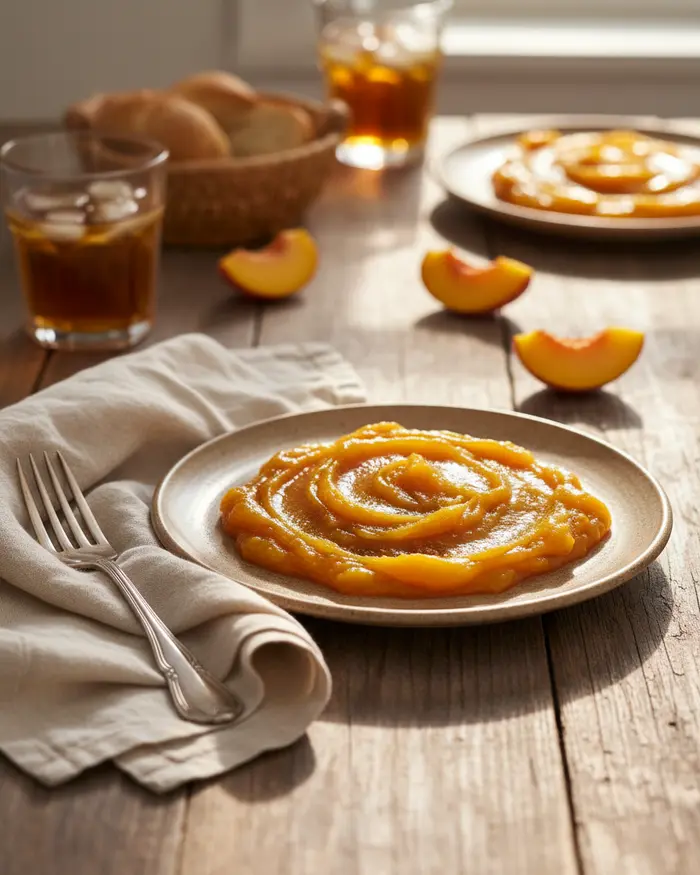
Nectarine Fruit Butter With Warm Autumn Spices
This isn’t your typical nectarine jam recipe—it’s something even more luxurious. Fruit butter has a concentrated, velvety texture that’s absolutely divine on biscuits, pancakes, or stirred into yogurt. Try this cozy spiced version that transforms fresh nectarines with cinnamon, nutmeg, and a whisper of vanilla.
The slow-cooking process caramelizes the natural sugars in the nectarines, creating deeper flavors that taste like sunshine mixed with autumn. It’s the perfect transition spread when you’re not quite ready to let go of summer.

What Makes Nectarine Spreads So Special?
Nectarines have this gorgeous balance that makes them perfect for preserving. They’re sweeter than some stone fruits but still have enough acidity to create that bright, jammy flavor we love. Plus, their smooth skin means no peeling required—just wash, chop, and cook.
The natural pectin content in nectarines helps your spreads set beautifully without needing tons of added thickeners. Serious Eats explains how pectin creates that perfect gel structure that transforms fruit into spreadable gold.
When you make homemade nectarine jam, you control the sweetness, texture, and flavor additions. Store-bought versions can’t compare to the vibrant taste of preserves made from peak-season fruit in your own kitchen.
Expert Tips for Perfect Nectarine Preserves Every Time
Choose nectarines that are ripe but still slightly firm—they’ll have the best flavor and pectin levels. Overripe fruit makes runny jam, while underripe nectarines lack that gorgeous sweet intensity you’re after.
Don’t skip the lemon juice! It brightens flavors and helps with setting. The acid works with pectin to create that perfect spreadable consistency. The Kitchn breaks down why acid is crucial for jam-making success.
Test for doneness using the freezer plate method: drop a spoonful of hot spread onto a chilled plate, wait 30 seconds, then push it with your finger. If it wrinkles and holds its shape, you’re good to go. If it’s still liquidy, keep cooking.
Sterilize your jars properly if you’re canning for long-term storage. But honestly? These spreads are so delicious they rarely last long enough to worry about. I keep mine in the fridge and plow through a jar in about two weeks.
Flavor Variations and Creative Twists
Once you’ve mastered basic nectarine spreads, the flavor possibilities are endless. Try adding fresh ginger for a spicy kick, or swirl in some bourbon for a grown-up version. Vanilla bean adds luxurious depth, while cardamom brings exotic warmth.
Mix nectarines with other stone fruits like peaches or plums for complex flavor profiles. A nectarine-raspberry combo creates stunning color and tart-sweet balance. Herbs like basil or thyme might sound weird, but they’re absolutely magical with nectarines.
For a lighter spread, reduce the sugar and add honey instead. It creates a different texture but brings floral notes that complement nectarines beautifully. Just remember that honey doesn’t preserve quite as well, so refrigerate and use within a month.
Storing and Using Your Nectarine Spreads
Properly canned nectarine preserves last up to a year in a cool, dark pantry. Once opened, refrigerate and use within three weeks. Refrigerator jams (not water-bath canned) keep for about a month when stored properly.
Beyond toast and biscuits, these spreads shine in so many ways. Swirl them into oatmeal, use them as a glaze for pork chops, or dollop onto ice cream. They make incredible thumbprint cookie fillings and stunning additions to cheese boards.
I love mixing nectarine jam into plain yogurt for a naturally sweetened breakfast that feels fancy. It’s also amazing stirred into sparkling water for a quick fruit soda, or heated and drizzled over pancakes as a homemade syrup.
Start Making Your Own Nectarine Spreads Today
There’s something deeply satisfying about lining up jars of homemade nectarine jam on your counter. It’s summer preserved, ready to brighten cold winter mornings when fresh fruit feels like a distant memory.
These recipes aren’t complicated or fussy—just good fruit treated with respect and a little patience. Your kitchen will smell incredible, your family will think you’re a domestic wizard, and you’ll have delicious spreads to enjoy or gift.
Grab some nectarines at their peak, pick your favorite recipe, and get cooking. Then come back and tell me which variation you loved most. Happy preserving!
Frequently Asked Questions
What is nectarine spread?
Nectarine spread is a fruit preserve made primarily from nectarines, sugar, and sometimes pectin or lemon juice. It has a smooth, spreadable consistency and captures the sweet, tangy flavor of fresh nectarines. It can be used as a topping for toast, pastries, or as an ingredient in various recipes.
How long does nectarine spread last once opened?
Once opened, nectarine spread should be refrigerated and typically lasts 3 to 4 weeks when stored properly in an airtight container. Unopened jars can last up to 1 year when stored in a cool, dark place. Always check for signs of spoilage such as mold, off odors, or changes in color before consuming.
What is the difference between nectarine spread, jam, and jelly?
Nectarine spread typically contains more fruit and less sugar than traditional jam, resulting in a more natural fruit flavor. Jam is made with crushed fruit and has a thicker consistency with fruit pieces. Jelly is made from fruit juice only and has a clear, smooth texture. Spreads generally have a softer, more spreadable consistency than jam.
Can nectarine spread be used in baking?
Yes, nectarine spread is excellent for baking. It can be used as a filling for pastries, thumbprint cookies, and cakes, or swirled into muffin and bread batters. It also works well as a glaze for tarts, a layer in sandwich cookies, or mixed into buttercream frosting for added flavor.
Is nectarine spread healthy?
Nectarine spread can be a healthier alternative to some other sweet spreads, especially if it contains high fruit content and reduced sugar. Nectarines provide vitamins A and C, potassium, and dietary fiber. However, most spreads still contain added sugars, so they should be consumed in moderation as part of a balanced diet. Look for varieties with no added sugars or lower sugar content for a healthier option.